How to Become an AHA Certified CPR Instructor: Your No-Nonsense Guide
So, You Want to Teach CPR? Let’s Get You Certified.
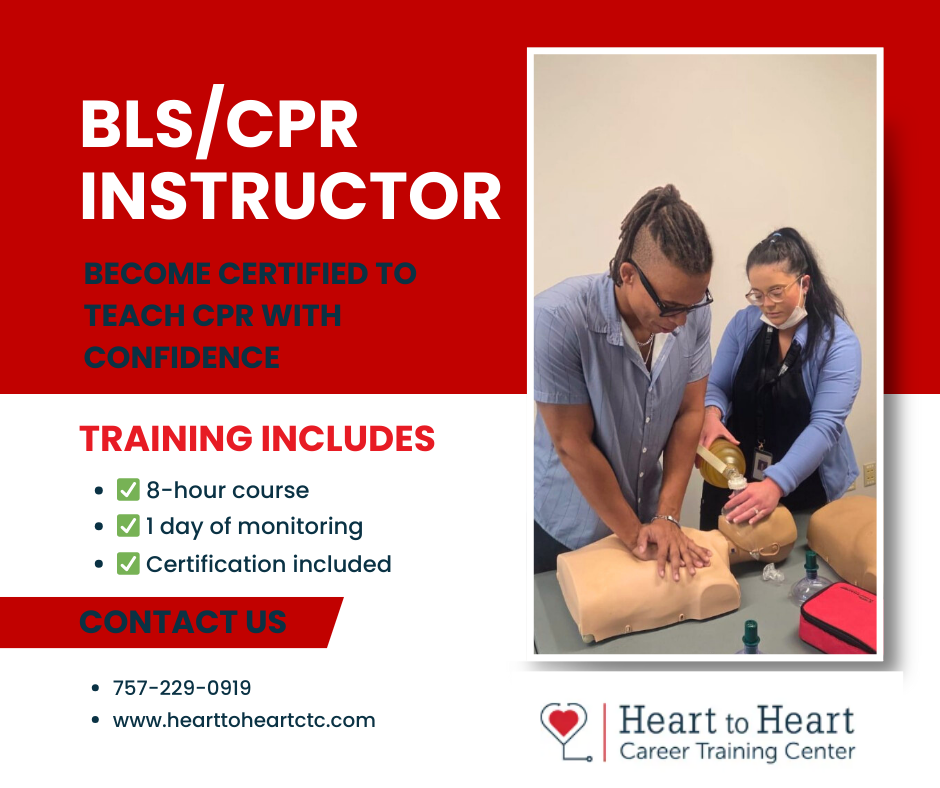
Source : hearttoheartctc.com
Why This Path Makes Sense
Alright, listen up. You’ve probably seen the signs, maybe even thought about it yourself. Teaching CPR isn‘t just a job; it’s a critical skill. Becoming an AHA certified CPR instructor means you’re on the front lines of saving lives. It’s a big responsibility, sure, but also incredibly rewarding. Think about it – you’re equipping people with the power to act when seconds count.
Forget those dusty old textbooks for a minute. This is about hands-on, real-world impact. You’re not just passing on information; you’re building confidence and competence. And frankly, the American Heart Association (AHA) is the gold standard. Getting certified through them? That’s serious credibility.
The AHA Advantage
Why AHA specifically? Simple. They’re the global leaders in cardiovascular science. Their training programs are rigorously tested and constantly updated. When you teach AHA courses, you’re teaching the most current, science-backed techniques available. This isn’t just about a certificate; it’s about teaching best practices.
Plus, being an AHA instructor opens doors. You get access to a vast network, updated curriculum, and ongoing support. It’s a structured path to becoming a respected educator in a Key field.
What This Guide Covers
We’re going to break down exactly what you need to do, step-by-step. No jargon, no fluff. Just the raw facts on how to get yourself from aspiring teacher to certified AHA instructor. We’ll talk requirements, courses, and what happens after you get that card. Ready? Let’s dive in.
Step 1: Meet the Basic Requirements (No Surprises Here)
Prior CPR Training is Non-Negotiable
First things first. You can’t teach someone CPR if you don’t know how to do it yourself, right? You absolutely need to have a current Basic Life Support (BLS) Provider card from the American Heart Association. This isn’t a suggestion; it’s a hard requirement.

Source : youtube.com
If your card has expired, or you’ve never had one, that’s your starting point. Find a BLS course near you and get it done. Consider it your foundational building block. You need to be proficient before you can even think about teaching.
Age and Education Check
Are you an adult? Good. Generally, you need to be at least 18 years old. Beyond that, there aren’t any crazy academic prerequisites. They’re not looking for PhDs here. What they are looking for is someone responsible and capable of learning and teaching the material effectively.
The “Provider” vs. “Instructor” Mindset
This is a Key mental shift. Being a BLS Provider means you know how to perform CPR. Becoming an instructor means you need to understand the why behind every step, be able to explain it clearly, and manage a classroom full of learners. It’s a different skill set entirely. You need to transition from doing to teaching.
Step 2: The BLS Instructor Essentials Course is Your Gateway
Understanding the Core Training
This is where the real magic happens. The BLS Instructor Essentials course is specifically designed for those who want to become AHA BLS Instructors. It covers everything from the core AHA science to how to effectively teach the BLS curriculum.
You’ll learn teaching methodologies, how to conduct skills checks, and how to manage student progress. It’s not just about memorizing algorithms; it’s about imparting knowledge.
Finding an Appropriate Course
Where do you find this course? You’ll typically take it through an AHA Training Center. These centers are official AHA affiliates authorized to provide instructor training. You can find information on becoming an instructor and locating training centers on the official American Heart Association website.
Make sure the course you sign up for is specifically the “BLS Instructor Essentials” program. Don’t get it twisted with other instructor courses.
The Pre-Course Workload
Be warned: these courses often come with pre-course work. This usually involves self-study materials and possibly online modules. Treat this seriously. It lays the groundwork for the in-person training. Skipping this is like trying to build a house without a foundation.
Step 3: Master the Skills – The Teaching and Skills Practice
Watch: How to Become a CPR Instructor
Demonstrating Competency
During the Instructor Essentials course, you’ll need to demonstrate your own proficiency in BLS skills. This means performing all the skills correctly and efficiently, just as you would as a provider.
They’ll be watching. Can you manage an airway? Perform effective chest compressions? Use an AED properly? These are the basics you must nail.
Teaching Practice: The “Mock Teaching” Session
This is often the most nerve-wracking part for candidates. You’ll be asked to teach a specific BLS skill or module to your classmates, with the instructor observing. It’s your chance to show you can articulate the steps, provide clear feedback, and manage the learning environment.
Don’t sweat it too much, though. The goal is to see your potential. Constructive feedback is part of the process. Think of it as your audition to become a CPR training instructor.
Didactic Learning Component
Beyond the practical skills, there’s a theoretical side. You’ll learn about adult learning principles, how to use AHA’s educational materials, and the importance of accurate record-keeping. Understanding the curriculum inside and out is Key.
Step 4: The “Instructor Candidate” Phase and Monitoring
Provisional Teaching Period
Once you pass the Instructor Essentials course, you’re not quite done. You’ll typically enter a provisional period as an “Instructor Candidate.” This means you’ll be monitored while teaching your first official BLS Provider courses.
A designated AHA Instructor Trainer or Training Center Coordinator will observe you. They’re making sure you can consistently deliver quality instruction and adhere to AHA standards. This is quality control, plain and simple.
The Monitoring Feedback Loop
This monitoring isn’t punitive. It’s developmental. You’ll receive feedback on your teaching style, your ability to manage the class, and your accuracy in skills demonstration and evaluation. This helps solidify your skills and ensures you’re meeting the high bar set by the AHA.
Affiliation with a Training Center
Crucially, you need to be affiliated with an AHA Training Center. They are your administrative hub. They handle course registration, equipment, and compliance. You can’t just go rogue; you need to operate under an established Training Center. This is how the AHA maintains oversight. Check out the AHA instructor resources for more on this.

Source : heartstartcpr.net
Step 5: Becoming a Fully Fledged AHA Instructor
The Final Approval
After successfully completing your provisional teaching and monitoring, and if your Training Center approves, you’ll be officially designated as an AHA BLS Instructor. Congratulations! You’ve earned it.
You’re now authorized to teach AHA BLS Provider courses independently, under the umbrella of your affiliated Training Center. It’s a big step.
Ongoing Requirements: Staying Current
Don’t think you can just relax now. To maintain your instructor status, you must adhere to specific renewal requirements. This includes teaching a minimum number of courses within a certain timeframe and completing any updated instructor training or required online modules.
The AHA updates its guidelines regularly based on new science. You need to stay current. Keeping your own BLS certification active is also a given.
The Importance of Renewal
Failing to meet renewal criteria means your instructor status will lapse. Then you’re back to square one, needing to retake the Instructor Essentials course. Keep track of your deadlines and Make sure you fulfill all obligations. Being a certified CPR instructor requires ongoing commitment.
Instructor Responsibilities: More Than Just Teaching
Curriculum Adherence
When you teach an AHA course, you must follow the official curriculum. No improvising, no skipping steps. The integrity of the training depends on it. This includes using the correct student materials, videos, and evaluation tools.
Accurate Record-Keeping
You need to maintain accurate records of all courses you teach. This includes student rosters, completion cards issued, and any other required documentation. Your Training Center will have specific procedures for this. Proper documentation is Needed for compliance and liability.
Maintaining a Positive Learning Environment
A huge part of your job is creating a safe and encouraging space for learning. Students need to feel comfortable asking questions and practicing skills without fear of judgment. Your attitude sets the tone for the entire class.
Source : fltraining.com
Beyond BLS: Expanding Your Instructor Role
Other AHA Disciplines
Once you’re an established BLS instructor, you might consider expanding. The AHA offers instructor courses for various other life-saving disciplines. Think Advanced Cardiovascular Life Support (ACLS), Pediatric Advanced Life Support (PALS), Heartsaver® courses (which cover CPR, AED, and optional choking for lay rescuers), and more.
Advanced Instructor Training
Each of these requires separate instructor training. The process is similar – provider course, instructor course, provisional period, monitoring. But the content and target audience are different. ACLS and PALS, for instance, are for healthcare professionals.
Becoming an Instructor Trainer
For those looking to mentor other instructors, there’s the path of becoming an AHA Instructor Trainer. This is a high-level role where you train and monitor new instructors. It requires significant experience and a deep understanding of AHA protocols. It’s a significant step up the ladder.
The Financials: Costs Involved
Course Fees
Expect to pay for your initial BLS Provider course and then the BLS Instructor Essentials course. These fees vary depending on the Training Center. Some centers might bundle costs, while others charge separately for tuition, materials, and administrative fees.
Instructor Materials
You’ll likely need to purchase instructor kits, manikins (if you plan to teach independently), pocket masks, and other supplies. These can represent a significant upfront investment, especially if you aim to run your own training sessions. Check AHA instructor resources for recommended materials.
Ongoing Costs
Remember the renewal fees, potential continuing education, and keeping your own BLS certification current. Being an instructor isn’t a one-time expense; it’s an ongoing commitment that involves financial considerations.
Is Becoming an AHA CPR Instructor Right For You?
Passion for Teaching
Do you genuinely enjoy teaching and helping others learn? Can you explain complex topics simply? If you get energized by seeing that “aha!” moment in a student’s eyes, this could be your calling.

Source : youtube.com
Commitment to Standards
Are you someone who respects rules and procedures? The AHA has strict guidelines for a reason – to Make sure consistent, high-quality training. If you’re comfortable working within a structured system and maintaining high standards, you’ll likely thrive.
Desire to Make a Difference
This is about saving lives. It’s about empowering communities with critical skills. If you’re driven by a desire to contribute positively and make a tangible impact, then absolutely, pursue becoming an AHA certified CPR instructor. It’s a role that truly matters. You can find more official guidance at AHA’s official instructor page.
Quick Reference Table: The Instructor Journey Snapshot
| Stage | Key Actions & Requirements | Focus |
|---|---|---|
| 1. Prerequisites | Current AHA BLS Provider card. Be at least 18 years old. | Foundational Skills & Eligibility |
| 2. Core Training | Complete BLS Instructor Essentials Course. Often includes pre-course work. | Teaching Methodology & Curriculum |
| 3. Skills Mastery | Demonstrate BLS skills. Participate in mock teaching sessions. | Practical Application & Instruction Ability |
| 4. Provisional Phase | Affiliate with an AHA Training Center. Teach under monitored supervision. | Real-World Application & Quality Assurance |
| 5. Full Certification | Receive final approval. Authorized to teach AHA BLS courses. | Independent Instruction |
| 6. Maintenance | Meet renewal requirements (teaching minimums, updates). Stay current. Explore AHA Instructor roles. | Ongoing Compliance & Professional Development |
Becoming an AHA certified CPR instructor is a structured process, but totally achievable. Follow these steps, stay committed, and you’ll be ready to make a real difference.
Frequently Asked Questions
How much does it cost to become an AHA CPR instructor?
So, the actual cost can really bounce around depending on a few things. But generally, you’re looking at a few hundred bucks. This usually covers the instructor course materials, maybe a background check, and the AHA’s initial instructor fee. Some Training Centers might have their own extra fees for their specific programs, too. So, shop around a bit and see what fits your budget!
How much can you make as an AHA Instructor?
Pay varies a TON! It really depends on where you teach, how many classes you run, and if you’re employed by a big training center or freelance. Some instructors make a side hustle amount, while others do this full-time and earn a solid living. You could potentially make anywhere from $20 to $50+ an hour, sometimes more if you’re teaching specialized courses. Gotta hustle!
What are the prerequisites for becoming an AHA CPR instructor?
Before you can even think about teaching CPR, you gotta be a solid provider yourself. That means you need a current AHA BLS Provider certification or higher (like ACLS or PALS). You’ll also need to pass an AHA BLS written exam and a skills test. Basically, they want to make sure you know your stuff inside and out before you start showing others.
How long does the AHA instructor course take?
The time commitment can differ, but typically the core instructor course itself is a pretty intensive couple of days. You’ll be doing a lot of hands-on practice and learning the teaching methodologies. Then there’s usually some online pre-work you have to knock out too. So, plan for a significant chunk of time, maybe 16-20 hours total, spread over a few days or weeks.
Do I need to be affiliated with a hospital to become an AHA instructor?
Nope, not necessarily! While many hospitals have their own Training Centers, you don’t have to be directly affiliated. You can become an instructor through an independent Training Center, a community organization, or even start your own if you meet the AHA’s requirements. It’s all about finding the right fit for your teaching goals.
