Forget the sterile, step-by-step AI-generated nonsense you’ve probably waded through. Becoming BLS certified isn’t just about ticking a box; it’s about being ready when it counts. It’s about having the confidence to step in, take control, and potentially save a life.
Seriously, think about it. You could be at a restaurant, at home, or even just walking down the street. Suddenly, someone collapses. What do you do? Knowing Basic Life Support protocols can mean the difference between life and death.
This isn’t some dry academic exercise. It’s Key. And getting certified? It’s surprisingly straightforward if you know the path. Let’s cut through the jargon and get to what you actually need to know.
We’re talking about BLS certification, specifically the kind recognized by major health organizations. This isn’t your grandpa’s CPR course. This is the gold standard for healthcare providers and anyone who needs to be prepared for real emergencies.
Why Bother With BLS Certification Anyway?
Okay, so why should you even care about getting BLS certified? It’s not just for doctors and nurses, you know.
The Lifesaving Edge
Look, the most obvious reason is obvious: you can save a life. That’s huge. Knowing how to perform high-quality chest compressions, deliver rescue breaths, and use an automated external defibrillator (AED) is critical.
These skills are the bedrock of emergency response. Without them, you’re essentially helpless when faced with cardiac arrest. It’s a heavy responsibility, sure, but also an incredible capability.
Professional Necessity
For healthcare professionals? It’s non-negotiable. Hospitals, clinics, dental offices – they all require BLS certification. It’s usually a prerequisite for employment and often needs to be renewed every two years.
Miss that renewal deadline? You’re out of patient care until you get it sorted. So, it’s not just about being prepared; it’s about keeping your career on track. Don’t mess this up.
Community Preparedness
But it’s bigger than just your job or a single emergency. A community filled with BLS certified individuals is a stronger, safer community. Think about your friends, your family, your neighbors.
Who’s going to step up if something happens at a local event? It could be you. Being certified means you’re part of a network of people ready to act. That collective preparedness is Crucial.
Understanding the Basics: What Exactly IS BLS?

Source : willowgrovecpr.com
Before we dive into the “how,” let’s clarify the “what.” BLS stands for Basic Life Support. Pretty straightforward, right? But there’s more to it than just pushing on someone’s chest.
More Than Just CPR
Often, people conflate BLS with CPR. While CPR (Cardiopulmonary Resuscitation) is a massive component, BLS certification encompasses a broader range of skills. It includes recognizing life-threatening emergencies.
It covers how to perform high-quality chest compressions for adults, children, and infants. You’ll learn about ventilation techniques and how to use barrier devices. Crucially, it includes the proper use of an AED.
The Chain of Survival
The whole point of BLS is to support the “Chain of Survival.” This isn’t some trendy buzzword; it’s a proven sequence of actions that dramatically increases the chances of recovery from cardiac arrest.
It typically starts with early emergency medical services (EMS) notification. Then comes high-quality CPR. Early defibrillation with an AED is next. Finally, effective basic and advanced medical care follow. Your BLS skills are the first Key links in that chain.
Who Needs This, Really?
The list is long. Obviously, all healthcare professionals – nurses, doctors, paramedics, EMTs, medical assistants, dental hygienists, respiratory therapists. But it extends beyond that.
People working in childcare, school teachers, lifeguards, security guards, and even corporate employees in companies that want to be extra prepared. If your job involves caring for others, or if you simply want to be a capable bystander, BLS is for you.
Handling Your BLS Certification Options

Source : redwoodcitycprclasses.com
Alright, you’re convinced. You need this certification. Now, where do you get it? It’s not like you can just Google “get BLS” and be done with it. There are recognized providers.
The Big Players: AHA and Red Cross
The two most widely recognized organizations for BLS certification in the United States are the American Heart Association (AHA) and the American Red Cross. Most employers will accept certifications from either.
They have slightly different course materials and training methodologies, but the core principles are the same. The key is ensuring your certification is from a reputable source. You can find great information on getting certified through the American Red Cross right here: their official BLS training page.
In-Person vs. Blended Learning
How you learn is flexible. You’ve got traditional, in-person classes. You show up, watch the instructors, practice on manikins, and take a test. Simple, effective.
Then there’s the blended learning option, often called “Hybrid.” This is where you complete a portion of the coursework online at your own pace. Think of it like getting the book smarts done beforehand.
After you finish the online modules, you still have to attend a hands-on skills session. This is where you demonstrate your proficiency with the practical skills – the compressions, the ventilation, the AED use. It’s efficient and increasingly popular.
Finding a Local Training Center
Both the AHA and the Red Cross have vast networks of authorized training centers. You can usually find one near you with a quick search on their respective websites.
Location matters, obviously. But also consider the class schedule. Are you looking for a weekend course? An evening class? Some centers offer flexible scheduling to accommodate busy professionals. Don’t just pick the closest; pick the one that fits your life.
Seriously, though, check out the Red Cross BLS certification options. They make it pretty easy to find a class near you. It’s a solid choice.
What to Expect in a BLS Course
Source : surefirecpr.com
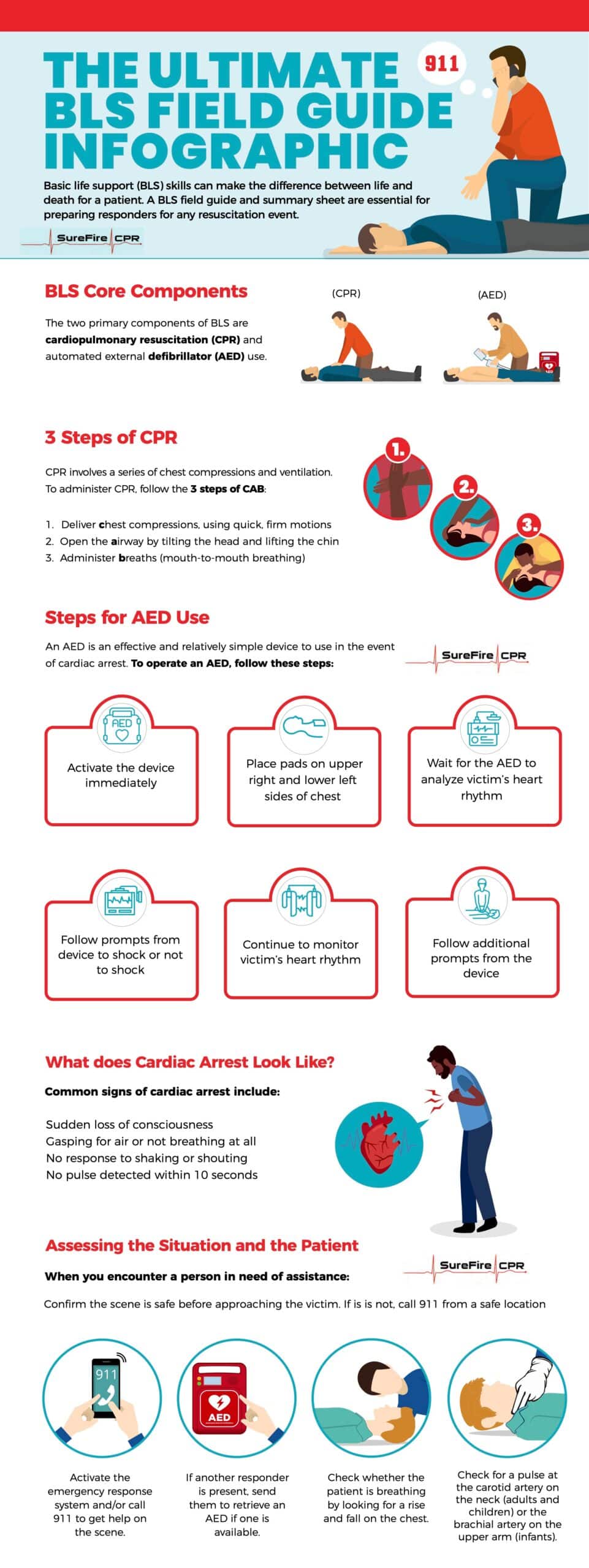
So, you’ve picked a provider and a class type. What’s actually going to happen in there? It’s not going to be a walk in the park, but it’s definitely manageable.
The Didactic Portion (The “Learning” Part)
This is where you absorb the knowledge. You’ll learn about:
- Recognizing the signs of cardiac arrest.
- Understanding the importance of immediate CPR.
- Proper hand placement and technique for chest compressions (adult, child, infant).
- Airway management and rescue breathing.
- Using an AED correctly and safely.
- Choking procedures for different age groups.
- The concept of the “Good Samaritan” laws (though this might vary slightly by region).
This information might be delivered through lectures, videos, or the online component of a blended course. Pay attention! This is the foundation.
The Skills Practice Session (The “Doing” Part)
This is where it gets real. You’ll be practicing on manikins. It’s not glamorous, but it’s Needed. Instructors will guide you through:
- Performing 1-rescuer and 2-rescuer CPR.
- Practicing ventilation techniques.
- Simulating the use of an AED on a victim.
- Responding to choking scenarios.
You’ll get feedback. Lots of it. They’re trying to refine your technique, making sure your compressions are deep enough, fast enough, and that you’re allowing for full chest recoil. Don’t be shy; jump in and practice.
Written and Skills Evaluations
At the end of the course, you’ll need to prove you’ve learned what you were taught. This usually involves two parts:
A written exam, testing your knowledge of the BLS concepts. Think multiple-choice questions.
A practical skills test, where you’ll demonstrate your ability to perform CPR and use an AED on a manikin, often under simulated emergency conditions. This is your chance to show you can apply the theory. Passing both is key to getting your BLS card.
When Does Your BLS Certification Expire?
Source : safetytrainingseminars.com
Getting certified is great. Keeping it current? That’s the real challenge for some.
The Two-Year Rule
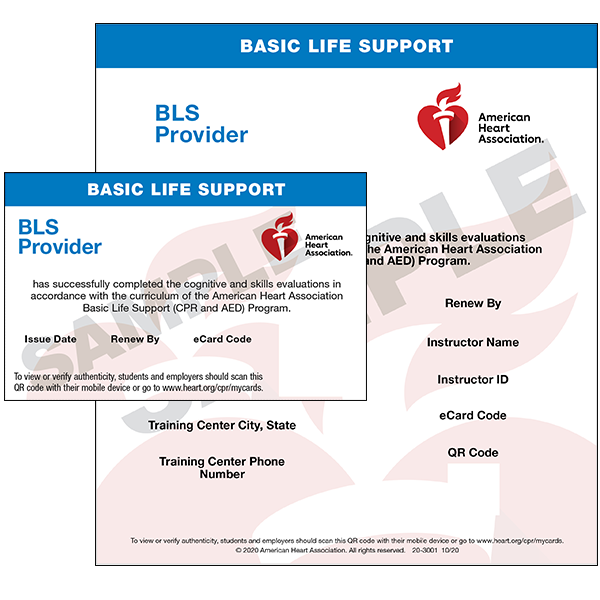
For most BLS certifications from major organizations like the AHA and Red Cross, the validity period is two years. That’s right, just two years.
This isn’t arbitrary. Medicine evolves, guidelines get updated. The two-year cycle ensures you’re periodically refreshing your skills and learning about any new recommendations. It keeps the knowledge current.
The Renewal Process
Don’t wait until the last minute! Renewal is usually very similar to the initial certification process. You’ll likely take a refresher course, which might be slightly shorter or focus more on areas where common errors occur.
You’ll still need to pass both the written and skills evaluations. Some training centers offer specific renewal courses. Check with your provider well in advance of your expiration date. Letting your BLS certification lapse can have serious career consequences if you’re in healthcare.
Why Renew? It’s Not Just About the Card
Sure, the card is important for employment. But honestly, think about the skills themselves. Would you want a surgeon operating on you whose skills were only current from five years ago? Probably not.
Renewing keeps your responses sharp. It reinforces good habits and helps you stay confident. It’s a commitment to preparedness.
Tips for Success in Your BLS Course
Source : emedcert.com
Want to ace your BLS certification course? It’s not rocket science, but a little preparation goes a long way.
Prepare Mentally and Physically
Show up rested. You’ll be focused and able to absorb information better. Wear comfortable clothing – you’ll be on the floor practicing compressions.
Be ready to participate actively. Ask questions. Get hands-on. Don’t just passively observe. This is a skill-based certification; you need to do it.
Watch: BLS Test Training Tips 2026 Basic Life Support Certification …
Listen to Your Instructors
These people are trained professionals. They’ve seen hundreds, maybe thousands, of students go through the process. They know the common pitfalls and the best techniques.
Take their feedback seriously, especially during the skills practice. They aren’t trying to trick you; they genuinely want you to master the material. Welcome the critique.
Practice, Practice, Practice
If you do a blended course, take the online learning seriously. Don’t just click through. If you have access to practice manikins or even just visualize the steps, do it.
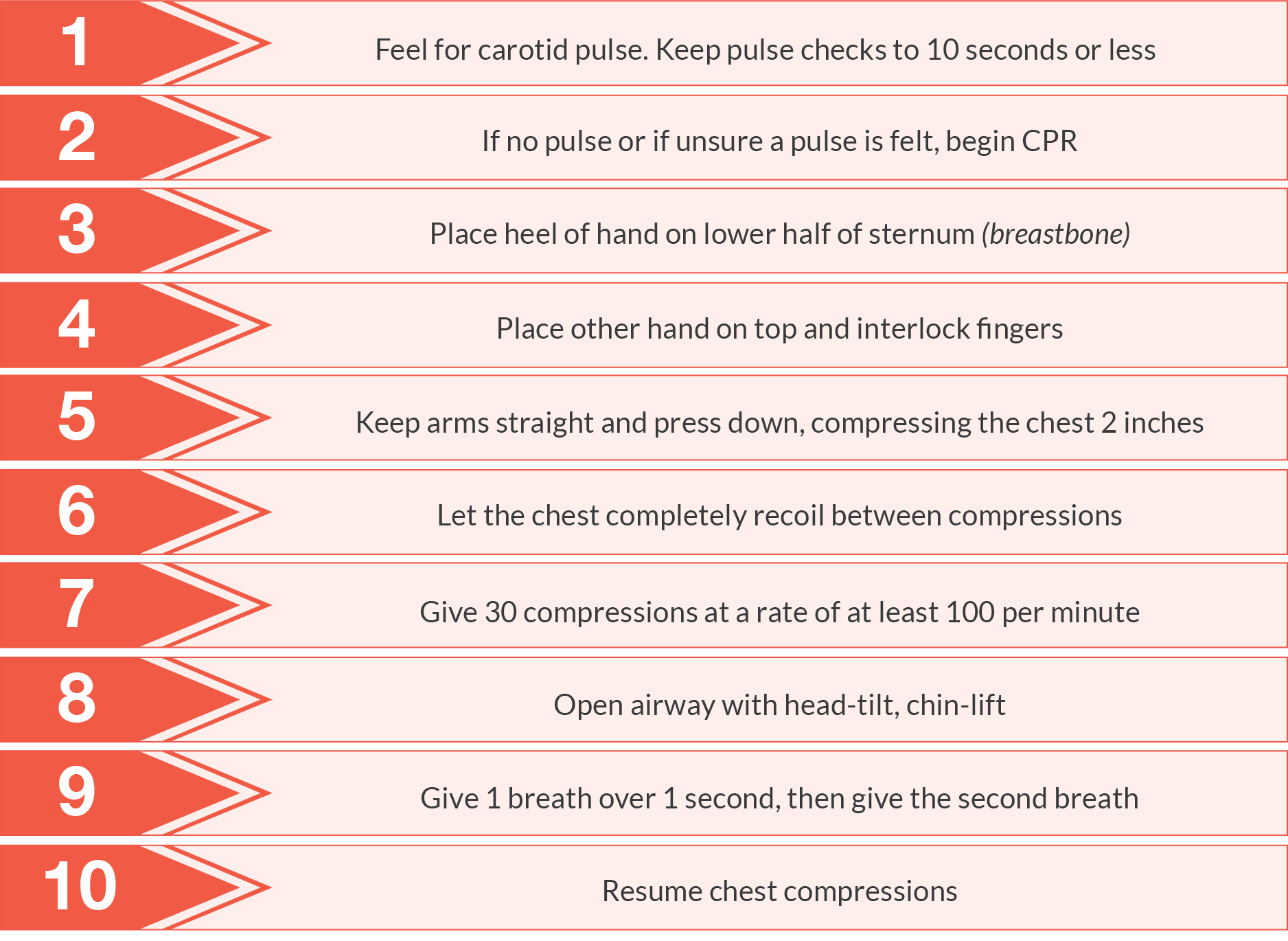
The more familiar you are with the sequence of actions – scene safety, checking for responsiveness, calling for help, chest compressions, airway, breathing, AED – the smoother your evaluation will go. Repetition builds muscle memory.
Understand the Science (Briefly)
While you don’t need a medical degree, having a basic grasp of why you’re doing chest compressions (to circulate blood) and why an AED works (to reset the heart’s electrical rhythm) can make the information stick better. It adds context.
The Impact: Beyond the Certification Itself
Source : petamilan.com
Getting your BLS certification isn’t just about the piece of plastic you get at the end. It’s about the transformation.
Empowerment Through Knowledge
Seriously, walking into a situation where someone needs help and knowing what to do is empowering. You’re not frozen by fear or indecision. You have a plan.
That confidence is huge. It allows you to act decisively and effectively when seconds count. It’s a feeling few other certifications can provide.
Becoming a Valued Asset
In a professional setting, a BLS certified individual is an immediate asset. Employers know you possess fundamental life-saving skills. It signals reliability and a commitment to safety protocols.
For your colleagues, it means one less person they have to worry about in a critical incident. You become a dependable part of the team. This is especially true in fast-paced environments like emergency rooms or busy clinics.
Contributing to Public Health
Every person who becomes BLS certified contributes to the overall health and safety of the public. You are increasing the number of capable responders in your community.
Think of it as a civic duty, almost. You’re volunteering your potential skills to help others in their most vulnerable moments. It’s a tangible way to make a positive impact.
So, there you have it. Part one. We’ve covered the why, the what, and the how of getting started. Stick with me, and we’ll dive into the more nitty-gritty details next.
Alright, let’s dive headfirst into the nitty-gritty of getting that BLS certification. We’re past the intro, no fluff, just the real deal you need to know to get this done.
How To Get Aha Bls Certification For Healthcare Providers
Source : cprtraining-center.com
Understanding the AHA’s Role
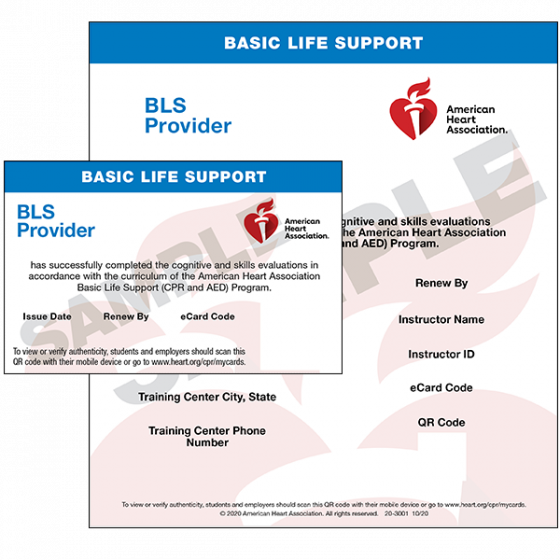
When you’re talking about healthcare, the American Heart Association (AHA) is basically the gold standard. They set the guidelines, they train the trainers. So, if you’re aiming for a BLS certification that’s widely recognized, especially in a hospital or clinic setting, you’re almost certainly looking at an AHA-approved course.
Finding an AHA BLS Course Near You
The first practical step? Locating an authorized AHA provider. This isn’t some fly-by-night operation. You’ll want to hit up the official AHA website or check with your employer. They often have partnerships or preferred training centers. It’s all about finding a reputable place that follows the AHA’s curriculum to the letter.
The Blended Learning Option
Not everyone has hours to sit in a classroom. Thankfully, the AHA offers a “blended learning” format. This means you knock out the theoretical stuff online at your own pace – think videos, readings, and quizzes. Once that’s done, you just need to attend a single, hands-on skills session to demonstrate your proficiency. Easy peasy.
What to Expect in the Skills Session
This is where you prove you can actually do CPR and use an AED. You’ll practice on manikins, work with a partner (or instructors), and get feedback. It’s Key for cementing those life-saving skills. This short, in-person component is Key for ensuring competency.
Can You Get Bls Certified Completely Online For Nursing

Source : americanhealthtraining.com
The Short Answer: Mostly No
Look, for nursing, a truly Full BLS certification that’s fully online is a tough sell. Most licensing boards and employers, especially for nurses, require a hands-on skills check. They need to see you performing the techniques correctly, not just watching a video.
Understanding the Blended Learning Detail
What is widely accepted is the blended learning approach we just talked about. You complete the didactic (book learning) part online through an AHA-recognized platform. This part is often certified online, but the entire certification isn’t. You still must complete the in-person skills evaluation.
Why the Hands-On Requirement?
It boils down to patient safety and real-world application. A nurse needs to be able to physically perform chest compressions effectively, manage an airway, and use an AED under pressure. These are skills honed through practice and direct feedback, not just clicking through modules. It’s about muscle memory and confidence.
Are There “Certificate of Completion” Online Courses?
Sure, you can find many websites offering a “BLS certificate of completion” after an online-only course. But buyer beware. These are generally not accepted for healthcare professionals. They lack the rigorous, hands-on component that verifies your skills. Stick to AHA-approved blended learning for nursing.
How Much Does Bls Certification Cost Near Me
Source : marioncpr.com
Factors Influencing Price
The cost can swing quite a bit, really. You’re looking at anywhere from $50 to $150, sometimes a bit more. What drives the price? Location is huge. Big city training centers might cost more than those in rural areas. Also, whether it’s a standalone course or part of a larger certification package makes a difference.
Cost of Blended vs. Traditional Courses
Generally, the blended learning option tends to be slightly more cost-effective. You pay for the online portion and then a separate, usually lower, fee for the in-person skills check. A full traditional classroom course might bundle everything, but sometimes paying separately can save you a few bucks.
Employer-Sponsored vs. Self-Paid
This is a big one. Many healthcare employers will cover the cost of your BLS certification, especially if it’s a requirement for your job. It’s worth checking with your HR department first. If you’re paying out of pocket, shop around. Compare prices between different AHA-approved providers in your area.
Hidden Fees to Watch Out For
Don’t get blindsided by extra costs. Some places might charge extra for the student manual (though often it’s included or digital) or for issuing a replacement card if you lose it. Always ask about the total cost upfront, including all materials and the official card.
| Course Type | Typical Price Range (USD) | What’s Included | Notes |
|---|---|---|---|
| Traditional Classroom | $75 – $150 | Instruction, skills check, card, manual | Full day commitment |
| Blended Learning (Online + Skills) | $50 – $120 | Online didactic, separate skills session fee, card, manual (digital often) | Flexible online portion, shorter in-person |
| Renewal Course (Blended or Traditional) | $50 – $100 | Shorter duration, focuses on updates | Requires valid current card |
Bls Certification Renewal Grace Period And Requirements
Source : specializedhealthandsafety.com
Understanding the Expiration Date
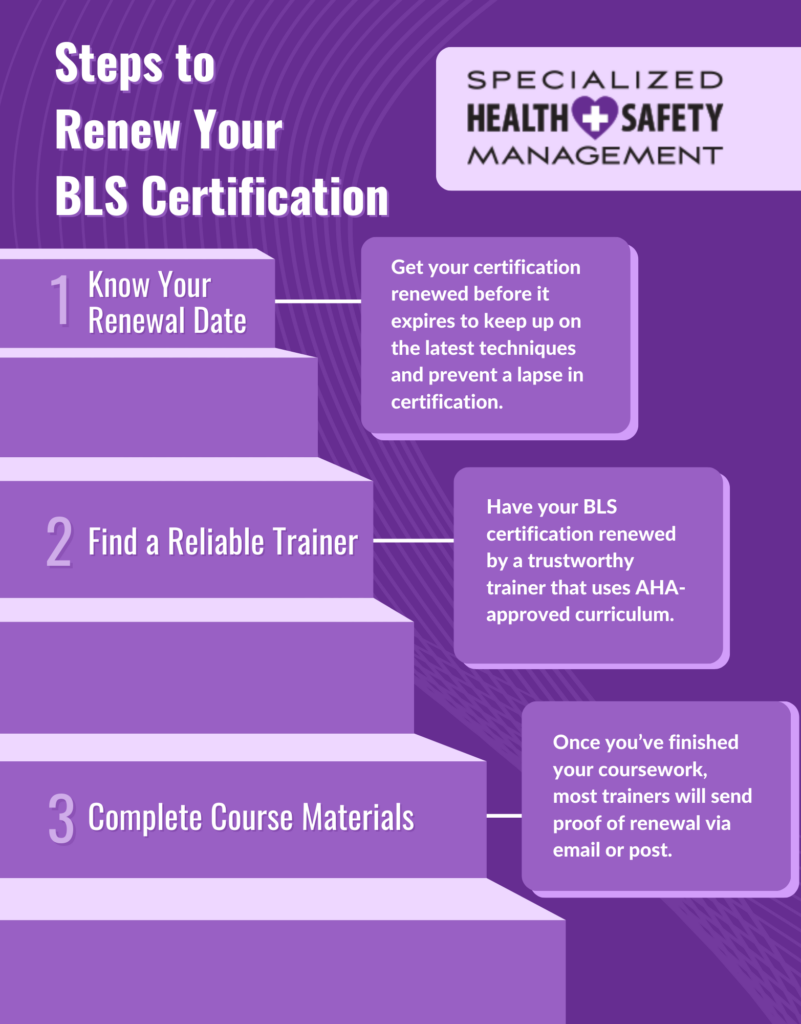
Your BLS certification isn’t forever. It’s typically valid for two years. Mark your calendar! Missing the renewal window can mean your certification lapses, and you might have to retake the full initial course instead of just a renewal class.
The “Grace Period” Myth
Let’s be clear: there’s generally no official grace period for BLS certification. The date on your card is the date it expires. Some employers might give you a little leeway, say a week or two, to get it renewed. But don’t count on it. It’s far safer to renew before it actually runs out.
Renewal Requirements: What You Need
The biggest requirement? You need to have a current, valid BLS card from a recognized agency (like the AHA). If your card has already expired, you’ll likely have to take the full initial provider course again. This makes renewing on time really, really important. You’ll also need to pass the written and skills tests for the renewal course.
Benefits of Renewing Early
Why wait until the last minute? Renewing early means less stress. You can pick a class that fits your schedule, not one that’s just available because you’re desperate. Plus, you stay current with any updates to CPR guidelines. It’s good practice and keeps you sharp. Consider it part of staying competent in your role.
What Is The Difference Between Cpr And Bls Certification

Source : promedcert.com
CPR: The Umbrella Term
Think of CPR (Cardiopulmonary Resuscitation) as the fundamental skill – the chest compressions and rescue breaths. It’s the core component. You can get certified in basic CPR, which is geared towards the general public, bystanders, or those needing basic life support awareness.
BLS: The Healthcare Standard
BLS certification, specifically the AHA’s Basic Life Support course, is a more advanced version. It builds upon basic CPR but is specifically designed for healthcare professionals. It covers CPR for adults, children, and infants, but also includes Key additions like using an automated external defibrillator (AED), choking relief, and two-rescuer scenarios.
Who Needs Which Certification?
If you’re a nurse, doctor, paramedic, respiratory therapist, dental assistant, or any other frontline healthcare worker, you need BLS certification. It’s usually a job requirement. If you’re a teacher, lifeguard, coach, or just a concerned citizen who wants to know how to help in an emergency, a basic CPR certification might suffice. It’s about the context of your work and expected duties.
Key Differences in Content
While both involve CPR, BLS goes deeper. It emphasizes high-quality compressions, ventilation techniques with barrier devices, and team dynamics during resuscitation. Basic CPR might focus solely on single-rescuer adult CPR. The algorithms and equipment use are more detailed in BLS. It’s tailored for the clinical environment.
For anyone working in healthcare, getting the right certification is non-negotiable. The AHA’s BLS training is the Standard for a reason. Make sure you understand the requirements for your specific role and choose a course that meets them head-on. Don’t cut corners on this; lives depend on it.
Frequently Asked Questions
How do I get my BLS certification?
Getting your BLS certification is pretty straightforward. You’ll need to sign up for a course offered by an approved provider, like the American Heart Association or the American Red Cross. The course usually combines some online learning with a hands-on skills session where you practice CPR and other life-saving techniques. Pass the final exam, and bam! You’re certified.
How fast can you get your BLS certification?
You can sometimes get your BLS certification surprisingly fast. Many courses are designed to be completed in a single day, sometimes even a few hours, especially if you do the online portion beforehand. So, depending on your schedule and the course availability, you could be certified as quickly as within a week.
How long does BLS take to learn?
Learning the core skills for BLS certification, honestly? It doesn’t take that long. The actual training, the hands-on part, is usually just a few hours – maybe 4 to 6 hours total, sometimes less. The bulk of the learning is really about memorizing the steps and getting comfortable doing them under pressure. But becoming truly proficient? That takes practice beyond just the initial course.
What are the prerequisites for BLS certification?
Generally, there aren’t many strict prerequisites to get basic life support certified. You usually just need to be able to perform the skills (which the course teaches you, of course). Some courses might recommend a basic level of medical knowledge, but it’s not a hard requirement for most initial certifications. Just show up ready to learn!
Is BLS certification required for healthcare professionals?
Absolutely. If you work in healthcare, whether you’re a doctor, nurse, paramedic, dentist, or even certain allied health professionals, a current BLS certification is almost always a non-negotiable requirement. Hospitals and clinics need to know their staff are trained for emergencies. It’s like your professional license – you gotta keep it current.
