So, you’ve decided you want to be the one to pronounce them man and wife? Or maybe just two legally recognized individuals bound by matrimony. Big stuff. It’s not as simple as just showing up and saying “I do” on behalf of someone else, though. There’s a whole bureaucratic dance to it, and frankly, most people have no clue where to even start.
Forget what you’ve seen in the movies. No dramatic last-minute dashes to the courthouse to get a ‘license to marry’ on the spot. This is real life, and real life involves paperwork. Lots and lots of paperwork. But hey, it’s a pretty cool gig if you can swing it. Imagine being part of someone’s absolute happiest day! Pretty rewarding, right?
My cousin, bless her heart, tried to officiate her best friend’s wedding on a whim. She thought, “How hard can it be?” Turns out, pretty darn hard when you haven’t got the proper credentials. The ceremony almost got shut down. Close call! So, let’s save you from that kind of embarrassment.
This isn’t just about wanting to wear a fancy robe (though you totally can). It’s about getting legally empowered to perform a ceremony that actually counts. We’re talking about the real deal here, the kind of authority that makes a marriage official in the eyes of the state. And guess what? It’s usually not as complicated as it sounds.
But where do you even begin? Each state, and sometimes even each county, has its own rules. It’s a bit of a wild west out there, but there are definitely common threads. Let’s unravel this whole thing, shall we?
The Very Basic Rundown: Who Can Even Do This?
First off, let’s talk eligibility. You can’t just be anyone off the street. There are some fundamental requirements that most places slap on you right from the get-go. Think of it as the bare minimum to even get your foot in the door.
Age Ain’t Nothing But a Number (As Long As It’s High Enough)
This one’s a no-brainer, really. You’ve got to be an adult. Most states will require you to be at least 18 years old. It’s pretty standard stuff, like being able to vote or buy a lottery ticket. No surprises here.
Citizenship and Residency: Do You Belong Here?
Now, this can get a little trickier depending on where you live. Some states are chill and don’t care if you’re a citizen. Others? They want you to be a resident of their state, or at least a U.S. citizen. It’s all about the local laws, and you’ll need to check yours.
No Criminal Record, Please!
Nobody wants an officiant with a sketchy past. Most jurisdictions will run a background check. If you’ve got a serious criminal record, especially anything involving dishonesty or violence, your chances of getting certified to marry someone might be pretty slim. It’s about trust, after all.
Getting Licensed: The Official Paper Trail
Source : theknot.com

Okay, so you meet the basic criteria. Awesome. Now comes the part where you actually have to ask permission. This usually involves getting some sort of official license or commission. It varies wildly, so buckle up.
The “Justice of the Peace” Route (Kind Of)
In some areas, you might be looking at becoming a Deputy Commissioner of Marriages or something similar. This often involves applying through your local county clerk’s office. It’s usually a temporary gig, good for a single wedding or a short period. Think of it as a one-off pass.
Religious Authority: When Faith Takes the Lead
If you’re ordained through a religious organization, you might already be good to go in many places. Religious officiants are often recognized automatically. However, even then, some states might have specific registration requirements. Don’t just assume!
Online Ordination: The Modern (and Sometimes Sketchy) Way
This is where things get interesting. Websites like the Universal Life Church or American Marriage Ministries let you get ordained online in, like, five minutes. For many states, this is totally legitimate. It’s super convenient! But here’s the catch: not all states accept it. Some see it as too informal. You absolutely have to do your homework on this one.
The State-Specific Application Process
This is where the real nitty-gritty lies. You’ll likely need to fill out an application form. This usually requires your personal information, proof of identity, and sometimes even references. Some places charge a fee, too. It’s not exactly breaking the bank, but it’s another step.
| State | Primary Method | Typical Fee Range | Notes |
|---|---|---|---|
| California | County Clerk/Recorder or Religious/Civil Officiant | Varies (County Specific) | Online ordination accepted by many judges/commissioners. Specific requirements can be found on the California Department of Public Health. |
| New York | City Clerk or Town/Village Justice | Varies | Must be 18 or older. Religious officiants ordained by their faiths. |
| Texas | No specific state license required for officiants | /A | Must be authorized by law (e.g., licensed or ordained minister, priest, rabbi, judge). |
| Florida | No specific state license required for officiants | /A | Must be an authorized officiant (e.g., ordained clergy, judicial officers). |
What Exactly Is an Officiant, Anyway?
:max_bytes(150000):strip_icc()/officiant-b051ea9ee6324aaead94f84b8ad3f7f0.jpg)
Source : brides.com
Before we get too deep into the weeds of how to become one, let’s clarify what one is. It’s not just a formality; it’s a legal role. You’re not just standing there looking pretty.
The Legal Authority: Your Stamp of Approval
When you officiate a wedding, you are essentially acting as an agent of the state. You’re verifying that the couple meets the legal requirements to marry (they’ve got their license, etc.) and then performing the ceremony that makes it official. It’s a big responsibility.
The Ceremonial Role: More Than Just Words
Beyond the legalities, you’re the conductor of the ceremony. You guide the couple and the guests through the vows, the ring exchange, and the pronouncements. This is where the personal touch comes in – making it meaningful and memorable.
Types of Legal Officiants
This is where the categories get a little blurry, but generally, you’re looking at:
- Religious Ministers: Ordained clergy from recognized religious denominations.
- Civil Officiants: This can include judges, justices of the peace, mayors, and other elected or appointed officials.
- Authorized Non-Denominational Officiants: This often covers those ordained online through recognized organizations or those commissioned by a specific civil entity for a limited time.
Knowing these distinctions helps you figure out which path is best for your situation and the specific state you’re in.
Breaking Down the Application Process (State by State!)

Source : en.wikipedia.org
This is the meat and potatoes, folks. The actual steps you’ll take depend entirely on where the wedding is happening. Trying to find a universal guide is like trying to herd cats. It’s just not going to happen.
The “Getting Commissioned” Hustle
In many states, you need to be “commissioned” or “licensed” to perform marriages. This usually means filling out an application with the state or county government. You might need to provide proof of identity, residency, and sometimes even pass a background check.
The Ordination Question: Is Online Enough?
This is a HUGE point of confusion. Lots of folks get ordained online, thinking that’s all they need. And in some states, it is! But in others? Nope. They want proof of ordination from a recognized religious body, or they want you to be a judge. Don’t get caught with an invalid ordination!
Fees and Costs: What’s It Gonna Set You Back?
There’s often a fee involved. It could be for the application itself, for a background check, or for your official commission document. These fees can range from nothing to a few hundred bucks, depending on the state and the type of officiant you’re becoming. It’s usually a small price to pay for the privilege.
The Actual Document: What Do You Get?
Once approved, you’ll typically receive a certificate or commission document. This is your golden ticket! Keep it safe. You might need to show it to the couple, or even to the county clerk when you submit the marriage license.
Specific State Examples: A Glimpse
Let’s look at a couple of scenarios to illustrate:
- Scenario A (The Temporary Commissioner): You want to marry your buddy in Nevada. You might go to the county clerk’s office, fill out a form, pay a fee ($50?), and get a license to officiate that specific wedding. It’s valid for, say, 30 days. Easy peasy.
- Scenario B (The Ordained Minister): You are an ordained minister with a local church. In Texas, for instance, you don’t need a special state license as long as you are authorized by law. Your ordination papers are usually sufficient.
- Scenario C (The Online Ordination Gray Area): You got ordained online for California. While many judges will marry couples with online officiants, the official stance often leans towards registered civil officiants or established religious leaders. It’s wise to confirm with the specific county you’re marrying in.
Watch: YouTube
See? It’s a real mixed bag. You absolutely cannot assume.
Alright, let’s cut to the chase. You want to be the one standing up there, right? The one who pronounces them officially hitched. It’s a big deal, a cool gig, and honestly, not as complicated as some folks make it out to be. We’ve already covered the basics, now let’s get into the nitty-gritty of actually getting that official stamp of approval to perform a wedding. This isn’t rocket science, but you gotta do it right.
How To Become Ordained Online Legally To Marry Someone

Source : wikihow.com
The “Why” Behind Online Ordination
So, why would you even bother getting ordained online? Simple. In most places, you need to be legally recognized to tie the knot for someone. It’s not just about showing up with good vibes; there’s a legal backbone to it. And let’s be real, the internet makes it ridiculously easy compared to trekking down to some county clerk’s office and filling out a mountain of paperwork. This is about accessibility, pure and simple.
Legitimacy: It’s Not a Scam, But Be Smart
Here’s the truth bomb: a lot of online ordination ministries are legit. They’re recognized by states that allow it. But, and this is a big BUT, not all of them are created equal. Some are just glorified mail-order bride scams, or worse. You need to stick with reputable organizations. Think about it like hiring a contractor; you wouldn’t hire the first guy with a truck, right? You want someone with a track record. We’re talking about ensuring the marriage is legal.
The Ordination Process Itself: What to Expect
Typically, the process is pretty straightforward. You find a ministry (more on picking one in a sec), fill out an application online, maybe answer a few questions about your beliefs (usually very broad or non-denominational), and pay a fee. Boom. You’re ordained. It’s surprisingly fast, often taking less than an hour. You’ll usually get a digital certificate right away, with a physical one mailed later if you opt for it. It’s all about getting that official minister status.
What States Allow Online Ordained Ministers To Perform Weddings
Source : getordained.org
A Patchwork of Laws: State by State Breakdown
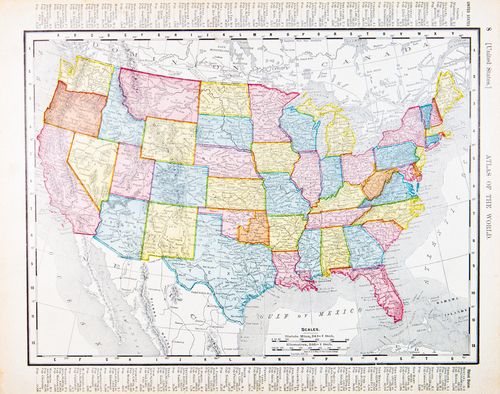
This is where things get a little dicey. The laws on who can perform a wedding? They vary wildly from state to state. Some states are super chill, others? Not so much. For instance, in states like California or New York, an online ordination is generally accepted without a hitch. You get ordained, register if required, and you’re good to go. Easy peasy.
Then you have states like Pennsylvania or Virginia, where it gets a bit more complicated. Sometimes, you might need to register with the local government or county clerk after getting ordained online. Other times, they might have specific requirements about the ordination itself – like it has to be from a recognized religious denomination (which can be a grey area with some online ministries). It’s Key to check the specific state laws.
States That Might Give You The Cold Shoulder
And then there are a few states that are just… problematic. Maybe they don’t recognize online ordinations at all, or they require you to be affiliated with a traditional, established church. States like Alabama or South Carolina have historically had stricter interpretations. You don’t want to be the officiant whose ordination gets rejected at the last minute, causing a huge headache for the couple. That’s a nightmare scenario. Always, always double-check the regulations for the state where the wedding will take place. Ignorance isn’t a legal defense here, folks.
The Importance of Local Verification
My advice? Don’t just trust what some random blog says. Go straight to the source. Look up the website for the county clerk or the Key records office in the specific county where the wedding will happen. They’ll have the most up-to-date information. Some officiants even get ordained in multiple states just to be safe, especially if they travel or their couples have destination weddings. It’s better to be over-prepared than to have a marriage certificate rejected.
How Much Does It Cost To Get Certified To Marry Someone
Source : theknot.com
The Fee Factor: It’s Usually Not Much
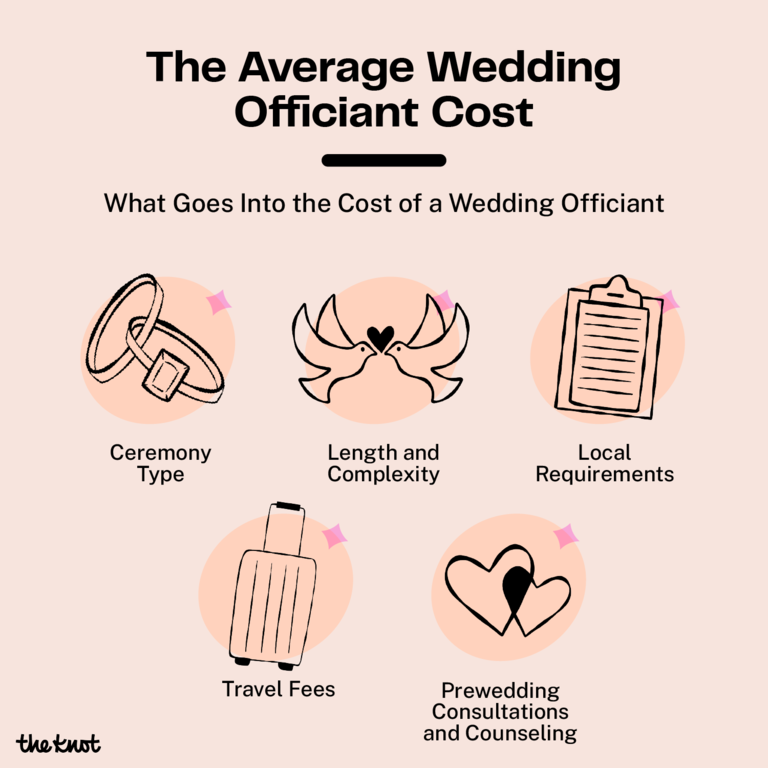
Let’s talk money. Most legitimate online ordination services are surprisingly affordable. We’re not talking thousands of dollars here. Think more along the lines of a one-time fee, typically ranging from $20 to $100. This usually covers your ordination certificate (digital and sometimes a physical copy) and your credentials as an officiant. It’s a small price to pay for the privilege, really.
Are There Hidden Fees? Sometimes.
Now, some ministries might try to nickel-and-dime you. They might charge extra for expedited shipping of your certificate, or for a laminated card, or for access to legal resources. Be savvy. Read the fine print before you click ‘buy.’ Most of the big players, like the Universal Life Church or American Marriage Ministries, are pretty transparent with their pricing. They offer a basic ordination package that gets the job done. You’re paying for the official recognition.
The “Free” Trap: What’s the Catch?
You’ll see a lot of ads for “free ordination.” And hey, some of those might be legit! Organizations like the Universal Life Church have offered free ordination for years. However, even with free ordination, you might find yourself paying later for a physical certificate or other official documents. So, while the initial act of becoming ordained might be free, there can still be costs involved if you want the tangible proof. It’s about understanding the full scope of potential officiant costs.
Investment vs. Expense: Think Long Term
Consider this an investment. If you plan on performing more than one wedding, that initial $50 fee is practically negligible. Think about the joy you’re bringing, the service you’re providing. Plus, many ministries offer resources for officiants – guides on planning ceremonies, legal advice, and even sample scripts. These extras can be Crucial, especially for your first few weddings. It’s more than just a piece of paper; it’s access to a community and resources. It’s a small investment.
Free Online Ordination To Perform Marriage Ceremonies
Source : getordained.org
The Myth and the Reality of “Free”
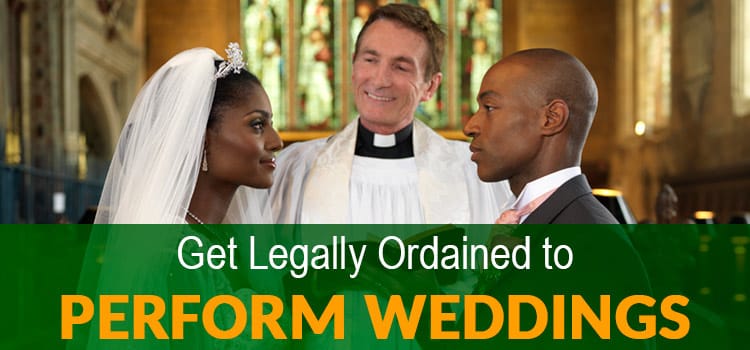
Can you really get ordained for free? Yes, absolutely. Several well-known and respected online ministries offer completely free ordination. The Universal Life Church (ULC) is probably the most famous example. They’ve been around forever and have ordained millions of people. Their goal is often to promote the idea that everyone should have the right to perform marriages for their friends and family. It’s a noble cause, honestly.
Where to Find Free Ordination Services
Beyond the ULC, other organizations also offer free ordination. American Marriage Ministries (AMM) sometimes has promotions or grants that can lower the cost significantly, and they are also a very reputable source. Small local churches or interfaith organizations might also offer free ordination, though their reach might be more limited. The key is sticking to organizations that have a clear website, contact information, and a history of operation. Avoid anything that looks sketchy or asks for too much personal information upfront. We’re aiming for legitimate free ordination.
What You Get (and Don’t Get) with Free Ordination
So what’s the catch with free ordination? Usually, nothing significant. You get the legal right to perform a marriage ceremony in states that recognize online ordinations. You’ll typically receive a digital certificate of ordination. The main difference between free and paid services often comes down to physical materials. If you want a fancy embossed certificate mailed to you, or a wallet ID card, you’ll likely have to pay a small fee for that. But the core legal ability to officiate? That can often be obtained for $0. It’s about getting the legal standing you need.
Is Free Ordination Enough?
For most people, yes, free ordination is perfectly sufficient. If you’re just officiating for a friend’s wedding as a one-off event, a free ordination is ideal. It fulfills the legal requirement without costing you a dime. However, if you plan to become a professional wedding officiant and perform many ceremonies, you might consider a paid service that offers more Full resources, support, or a more polished certificate. But for the initial step, free is a great option.
How Long Does It Take To Get Certified To Officiate A Wedding
Source : theamm.org
The Speed of Online Ordination
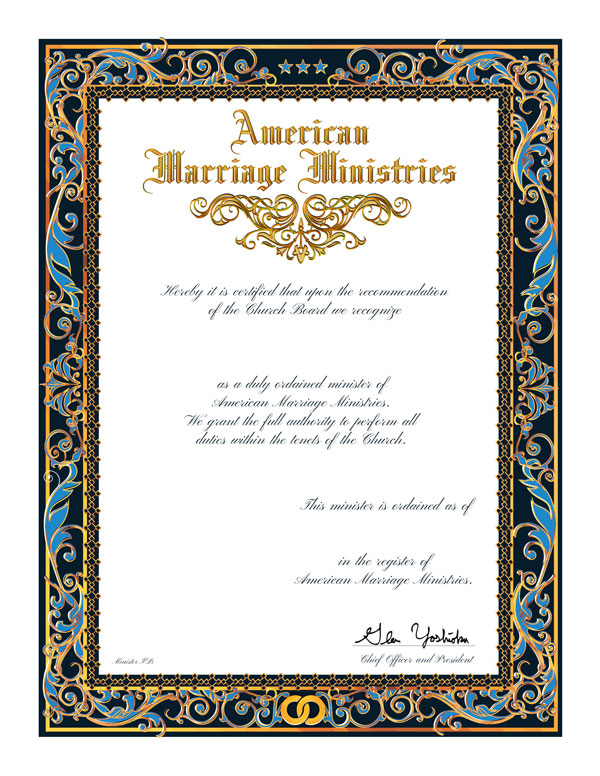
This is one of the biggest draws: it’s FAST. Seriously. Once you find an online ministry and fill out their application, the ordination itself is often instantaneous. You submit your details, pay the fee (if any), and bam! You usually get an email confirmation or a digital certificate within minutes. For all intents and purposes, you are ordained the same day you apply. It’s designed for speed and convenience. Think about it – you could be ordained this afternoon.
Physical Documents: The Waiting Game
The only potential delay comes if you order physical documents. Most ministries mail out ordination certificates, minister ID cards, or welcome packets. Standard mail can take anywhere from a few days to a couple of weeks, depending on where you live and the ministry’s processing time. Some offer expedited shipping for an extra fee if you’re in a real time crunch. So while the legal part is instant, getting the fancy paper takes a bit longer. It’s all about that physical certificate.
State Registration: A Variable Factor
Here’s where timing can get tricky – state-specific registration. As we touched on earlier, some states require you to register with a local government office after you’re ordained. This process can vary. In some places, it’s a quick online form. In others, you might need to appear in person, which could add days or even weeks to the overall timeline, depending on appointment availability. This is the one part that’s entirely out of the online ministry’s hands. You need to factor in local government processing times.
Planning Your First Wedding: Give Yourself Buffer Time
If you have a wedding date in mind, don’t leave things to the last minute. Even though ordination is quick, give yourself at least a month’s buffer before the ceremony date. This allows Plenty of time for:
- Researching and choosing a reputable online ministry.
- Completing the online ordination application.
- Receiving any physical documents.
- Completing any necessary state or county registration.
- Preparing for the ceremony itself!
Rushing the process, especially the state registration, can lead to stress and potential problems. It’s always better to be ahead of the curve. You want to be confident that your certification is complete.
| Service | Typical Cost | Ordination Speed | Physical Docs | State Recognition Notes |
|---|---|---|---|---|
| Universal Life Church (ULC) | Free (Donations Welcome) | Instant Online | Optional Purchase | Widely Recognized |
| American Marriage Ministries (AMM) | $49 – $89 (Varies) | Instant Online | Included in some packages | Generally Recognized |
| Open Ministry | Free | Instant Online | Optional Purchase | Check State Laws |
| Church of Spiritual Humanism | $30 – $50 | Within 24 Hours | Included | Varies by State |
Remember, this table is a general guide. Always verify with the specific ministry and the laws of the state where the wedding will occur. Getting ordained is just the first step; ensuring you’re legally compliant everywhere is key to a successful officiant role.
Frequently Asked Questions
How long does it take to get ordained to marry someone?
Honestly, it’s usually super fast. Most online places can get you certified in minutes. You fill out a form, pay a small fee, and boom, you’re good to go. Don’t overthink it.
Do I need to be a minister or ordained in my state to officiate a wedding?
Yep, pretty much. States have different rules, but generally, you need to be legally ordained or recognized as a minister to make a wedding official. Some states are more chill, but it’s always best to check your specific state’s laws to avoid any drama later.
Can I get ordained online to marry my friend?
Absolutely! That’s the most common reason people do it. Getting ordained online is totally legit in most places for marrying friends or family. Just make sure you understand the requirements for the state where the wedding is happening.
Are there any costs associated with getting ordained?
Usually, there’s a small fee. It’s not a fortune, maybe $20 to $100 depending on the organization. This covers their admin stuff and often gets you a certificate or ordination card. Think of it as an investment in friendship.
What happens if I officiate a wedding without being properly certified?
Well, that’s a big no-no. If you’re not properly certified to marry someone, the marriage could be legally invalid. That means no official record, no legal benefits. It’s a mess for the couple, so just get ordained the right way.
