So, you’re thinking about getting CPR certified. Good move. Seriously, it’s one of those skills that sounds kinda daunting, maybe even a little morbid, but in reality, it’s utterly Key. Imagine the scene: a loved one collapses, or you witness a stranger in distress. Panic? Sure, a little. But then? You step in. Knowing CPR makes a difference. A massive one.
It’s not just about remembering the steps; it’s about building that confidence, that muscle memory, that quick-thinking ability when it counts the most. Forget those cheesy movie scenes where everything goes perfectly. Real life is messy, and so is an emergency. But being prepared? That’s the goal. And it’s totally achievable.
This isn’t some dry academic exercise. We’re talking about practical, life-saving stuff here. Think of it as equipping yourself with a superpower. A superpower that doesn’t involve capes or flying, but actual, tangible impact. Let’s break down what it really takes to get that certification.
Why Bother Getting CPR Certified Anyway?
Saving Lives: The Obvious, But Key, Reason
This is the big one, folks. The elephant in the room. CPR saves lives. Period. Every minute without immediate CPR and defibrillation decreases the chances of survival dramatically. When someone’s heart stops, they’re not breathing. You providing those compressions keeps oxygenated blood flowing to their brain and Key organs until professional help arrives.
It’s the bridge. The critical link between the moment of collapse and definitive medical care. You’re literally buying time. Time that can mean the difference between life and death, or between full recovery and long-term disability. It’s a profound responsibility, but also an incredible opportunity to be a hero in your own right.
Beyond the Emergency: Confidence and Preparedness
Beyond the immediate life-saving aspect, getting CPR certified builds serious confidence. You walk around knowing you have a skill set that can genuinely help in a crisis. Think about it: your family, your friends, even strangers. You’re no longer a helpless bystander. You’re someone who can do something.
This preparedness extends to everyday life. Accidents happen everywhere. At home, at the park, at work. Having that knowledge means you’re not just hoping someone else knows what to do. You’re the one equipped to act. It’s empowering, plain and simple. You feel more secure, and you’re a more valuable person to have around.
Professional Requirements and Career Advancement
Okay, let’s talk brass tacks for some of you. Many professions require CPR certification. We’re talking healthcare workers, obviously – nurses, doctors, EMTs. But also lifeguards, teachers, childcare providers, even flight attendants. If you work with people, especially vulnerable populations, chances are you’ll need it.
Having that CPR certification on your resume isn’t just a checkbox; it demonstrates a commitment to safety and responsibility. It can set you apart from other candidates. Some employers even offer higher pay or bonuses for employees with this certification. So, it’s not just altruistic; it can be a smart career move too.
Understanding the Basics of CPR

Source : abc13.com
What Exactly Is CPR?
CPR stands for Cardiopulmonary Resuscitation. Sounds fancy, right? But at its core, it’s a technique that combines chest compressions and rescue breaths. The goal is to manually stimulate the heart and lungs when they’ve stopped working effectively on their own. It’s a manual override system for the body’s most critical functions.
When someone experiences cardiac arrest, their heart stops beating effectively, and they stop breathing. CPR manually pumps blood around the body, delivering Key oxygen to the brain and other organs. It’s not a cure, but it keeps the person alive until advanced medical help can restart the heart or provide other treatments. Think of it as keeping the lights on until the power company can fix the grid.
Chest Compressions: The Heart of the Matter
This is where the action is. Chest compressions are rhythmic pushing down on the chest. The key is to push hard and fast. We’re talking about pushing down about two inches for adults, at a rate of 100 to 120 compressions per minute. That’s roughly the beat of songs like “Stayin’ Alive” by the Bee Gees – a bit ironic, huh?
Proper hand placement is Key. Usually, it’s the heel of one hand placed in the center of the chest, on the lower half of the breastbone, with your other hand stacked on top. Keep your arms straight and use your body weight. Releasing chest recoil is just as important as the compression itself; it allows the heart to refill with blood. This CPR technique is the most critical component.
Rescue Breaths: Giving Them Air to Breathe
After a set number of compressions (usually 30 in most adult protocols), you give rescue breaths. This is where you help oxygenate that blood you’re pumping. You tilt the person’s head back slightly, lift their chin, pinch their nose shut, and form a seal over their mouth with yours. Then, you give two breaths, each lasting about one second, just enough to make their chest visibly rise.
The idea is to deliver oxygen. Too much air or blowing too forcefully can actually be harmful. It’s about a gentle, effective delivery. While compression-only CPR is an option if you’re uncomfortable or unable to give breaths, traditional CPR training includes both. Combining them is generally considered the most effective approach when feasible.
Who Needs to Be CPR Certified? (Spoiler: Probably You)
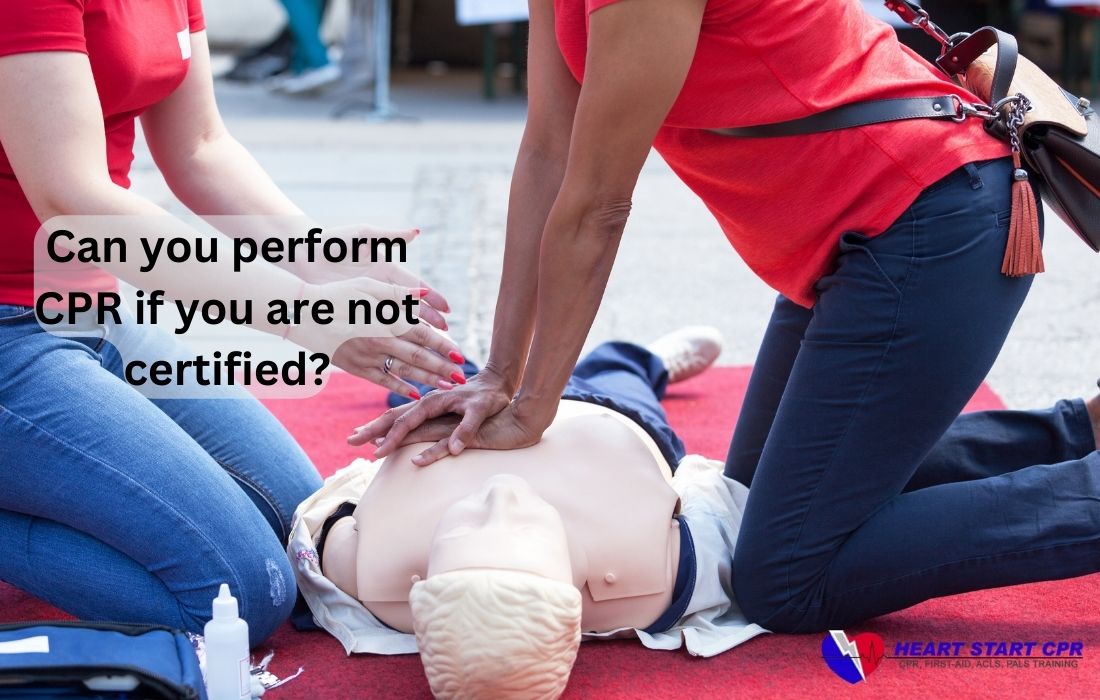
Source : heartstartcpr.net
For the Everyday Hero: Family and Friends
Seriously, who’s the first person likely to be around when a medical emergency strikes a loved one? You are. Your spouse, your kids, your parents, your best friend. Would you want to be standing by, helpless, if they choked, had a heart attack, or collapsed?
Getting CPR certified is a profound act of love and responsibility for the people you care about most. It’s about being prepared for those unexpected, terrifying moments. You’re not just getting a card; you’re gaining the ability to potentially save the life of someone you hold dear. It’s arguably the most important reason for many people.
Professionals on the Front Lines
This category is vast. If your job involves direct care for others, CPR certification is non-negotiable. Think paramedics, firefighters, nurses, doctors, physician assistants, medical assistants, nursing home staff, and anyone working in an emergency room or clinic. They are literally the first responders.
But it doesn’t stop there. Lifeguards, camp counselors, coaches, personal trainers, teachers, daycare workers, flight attendants, and even police officers often require this training. Your role might not be in a hospital, but if you’re responsible for the safety and well-being of others, you need to know how to perform CPR.
The Concerned Citizen: Peace of Mind is Priceless
Even if you don’t have a specific job requirement or a high-risk family member, simply wanting to be prepared is a perfectly valid reason. Accidents don’t discriminate. They happen in public places – malls, restaurants, parks, sports events. Being the person who knows what to do can make a critical difference for a complete stranger.
The peace of mind that comes with being trained is immense. You reduce your own anxiety about potential emergencies. You contribute to a safer community overall. Think of it as investing in your ability to be a force for good when it matters most. Organizations like the American Heart Association offer Full training for CPR certification.
Choosing the Right CPR Certification Course

Source : heartstartcpr.net
In-Person Classes: Hands-On Practice is Key
This is your traditional classroom setting. You’ll have an instructor guiding you through the techniques. The biggest advantage? Direct, hands-on practice with manikins. You get immediate feedback on your compression depth, rate, and breath delivery. This is arguably the gold standard for truly mastering the physical skills.
You’ll learn infant, child, and adult CPR, as well as how to use an Automated External Defibrillator (AED). Plus, you get to ask questions in real-time. Reputable organizations like the American Red Cross offer excellent in-person courses nationwide. You can find local classes through their websites, often searching by zip code. Check out the Red Cross CPR certification page for details.
Online Courses: Flexibility and Convenience
Need flexibility? Online courses offer that in spades. You can learn the theory and knowledge components at your own pace, from the comfort of your home. Many programs allow you to watch videos, take quizzes, and study materials whenever it suits you. This is great for people with packed schedules or those who live far from training centers.
However, most online-only courses don’t provide the hands-on skills practice needed for full certification. Often, they’re paired with a required in-person skills session to complete the certification. Some employers might accept online-only knowledge-based courses, but for true, hands-on life-saving ability, a blended or in-person approach is usually best. The American Heart Association also has various learning options.
Blended Learning: The Best of Both Worlds?
This option combines the convenience of online learning with the Needed hands-on practice of an in-person session. You typically complete the theoretical part of the course online first. Then, you attend a shorter, in-person session to practice skills and demonstrate competency to an instructor. It’s a popular choice for a reason.
Watch: How to get CPR and First Aid Certification?
It cuts down on classroom time significantly while still ensuring you get that critical practical training. You get the theoretical knowledge comfortably at home, then reinforce it with practical application. This method strikes a good balance for many individuals seeking CPR certification without committing to a full day in a classroom.
Alright, let’s dive headfirst into the nitty-gritty of getting that CPR certification. Forget the boring stuff; we’re talking about practical steps, real-world costs, and what really matters when you’re signing up.
What Is The Fastest Way To Become Cpr Certified Near Me
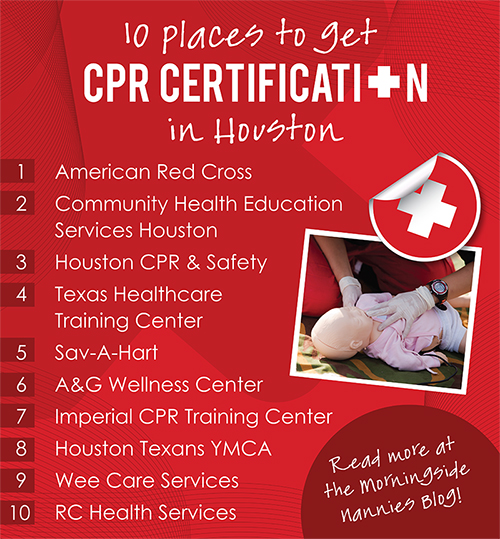
Source : morningsidenannies.com
Same-Day Certification Options
Look, if time is of the essence, you’re probably hunting for same-day certification. And guess what? It’s totally doable. Many local training centers offer intensive, single-day courses. You walk in, you learn, you test, and boom – you walk out with your card. It’s all about finding the right provider and hopping on their schedule.
Online vs. In-Person Speed
So, you’re wondering about online versus in-person, right? While you can absolutely get a portion of your training done online (more on that later), the actual hands-on skills practice and the final test must be in person. This is non-negotiable for accredited certifications. Trying to bypass the in-person element for speed? That’s a red flag, my friend. Stick to reputable providers.
Finding Local Training Centers
How do you even find these magical places? It’s simpler than you think. A quick search for “CPR certification near me” is your starting point. You’ll see options ranging from dedicated training centers to community halls and even some hospitals. Don’t just pick the first one; check reviews. Are people happy? Did they get their certification quickly and efficiently? That’s key.
What to Expect in a Fast-Track Course
These accelerated courses are packed. Think of it like cramming for a test, but way more important. You’ll cover adult, child, and infant CPR, how to use an AED, and choking procedures. Expect a mix of lectures, video demonstrations, and a whole lot of hands-on practice with manikins. The final practical exam will test your skills under pressure. It’s intense, but effective for quick certification.
How Much Does It Cost To Get Cpr Certified For Work
Source : cprcertified.com
Average Cost Breakdown
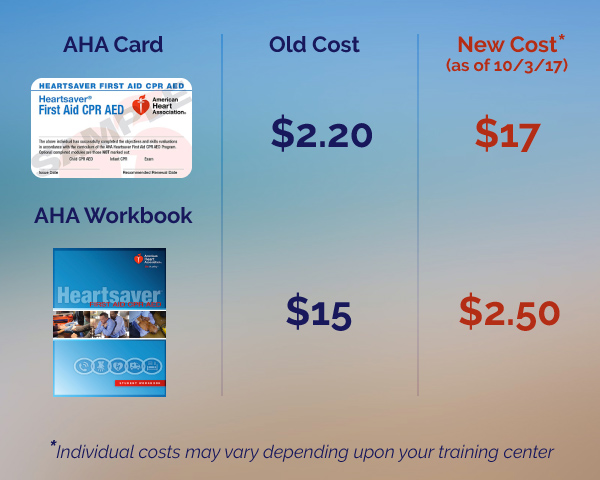
Let’s talk brass tacks: money. The cost for CPR certification can swing pretty wildly. Generally, you’re looking at somewhere between $50 and $150. This isn’t some arbitrary number; it depends on a few factors we’ll get into. Some employers might even foot the bill for you, which is always a sweet deal.
Factors Influencing Price
Why the range? Good question. Location plays a big role. A class in a major city might cost more than one in a smaller town. Then there’s the provider itself. Are you going with a national organization or a smaller, local outfit? Sometimes, the type of certification matters too – basic vs. advanced. Don’t forget potential added costs like study materials if they aren’t included.
Employer Reimbursement Programs
Many jobs require you to be CPR certified. Think healthcare, childcare, lifeguarding, even some customer-facing roles. Because of this, a lot of employers offer reimbursement or even cover the cost upfront. Always, always check with your HR department or manager before you pay out of pocket. It could save you a nice chunk of change. It’s a standard perk for many positions.
Value Beyond the Price Tag
Is getting CPR certified a purely financial transaction? Absolutely not. While the cost of CPR certification might seem like a hurdle, the value it brings is immense. You’re gaining a skill that can literally save a life. That’s priceless. Consider it an investment in your community and your own preparedness.
Aha Vs Red Cross Cpr Certification Which Is Better
Source : baysidecpr.com
Understanding the Major Players
When you start looking around, two names pop up constantly: the American Heart Association (AHA) and the American Red Cross. They’re the big dogs in CPR training. Both are reputable, widely recognized, and offer solid training. But are they interchangeable? Not quite.
Recognition and Acceptance
Here’s the kicker: most employers accept both AHA and Red Cross certifications. If your job requires CPR, they’ll usually be happy with either. However, there can be industry-specific preferences. Healthcare settings, for instance, often lean heavily towards AHA, as their guidelines are sometimes considered the gold standard in medical circles. Always double-check what your specific field prefers.
Curriculum Differences
While the core principles of CPR are universal, there can be slight differences in curriculum emphasis and teaching methods. AHA training often feels a bit more clinically focused, aligning closely with medical protocols. The Red Cross might have a slightly broader approach, incorporating more general emergency preparedness alongside CPR. It’s subtle, but some learners find one style resonates better than the other.
Hands-On Training Components
Both organizations require hands-on skills practice. This is where the rubber meets the road, literally. You’ll be practicing compressions and breaths on manikins. The Red Cross sometimes incorporates more varied scenarios in their skills testing, while AHA might stick closer to textbook emergency responses. Again, it’s about finding what works for your learning style.
| Feature | American Heart Association (AHA) | American Red Cross |
|---|---|---|
| Primary Focus | Cardiovascular life support, medical community alignment | Broad emergency preparedness, community focus |
| Healthcare Preference | Often preferred in clinical settings | Widely accepted, but sometimes less of a strict preference |
| Course Structure | Generally more clinical and protocol-driven | Can be broader, including wider safety topics |
| Skills Testing | Standardized practical skills assessment | Varied scenarios, emphasis on application |
| Recognition | Globally recognized | Globally recognized |
Free Cpr Certification Classes Online With Certificate
The “Free” Catch
Let’s be upfront: a truly free CPR certification that’s fully accredited and leads to a valid certificate for work is incredibly rare. Most of what you’ll find advertised as “free online CPR certification” are actually just informational courses or introductory materials. They’re great for learning the theory, but they won’t get you that official card.
What “Free” Usually Means
Often, these free online courses are designed to:
- Introduce you to CPR concepts.
- Provide basic awareness.
- Act as a primer before you take a paid, in-person skills session.
- Offer a “certificate of completion” for the online portion only, not for actual certification.
Think of it as a free appetizer, not the full meal. You still need the hands-on part.
Finding Free Resources (Not Full Certs)
While you likely won’t find a fully free, certified course, you can find valuable free resources. Websites like the American Heart Association and the Red Cross offer free videos, articles, and basic guides on CPR. Some local fire departments or community organizations might offer occasional free awareness events, but these are rarely full certification courses.
The Necessity of In-Person Skills Check
Here’s the non-negotiable truth: real CPR certification demands hands-on skills validation. You need to demonstrate you can perform chest compressions effectively, deliver rescue breaths properly, and use an AED. This simply cannot be done through a computer screen. Any legitimate certification agency requires this in-person component. So, if you see “free online CPR certificate,” be very skeptical about its validity for employment.
How To Become Cpr Certified For Daycare Providers

Source : samedaycpr.com
Specific Requirements for Childcare
Daycare providers have a higher bar when it comes to CPR certification, and for good reason. You’re responsible for little ones! Most states and licensing bodies require specific pediatric CPR and First Aid training. This means the course needs to cover CPR techniques for infants and children in detail, not just adults.
Pediatric Focus is Key
When you’re signing up, make absolutely sure the course explicitly includes pediatric CPR. This isn’t always standard in a basic adult CPR class. You need to know how to respond to emergencies involving babies and young children, who have different physiological needs and respond differently to resuscitation efforts. Choking on small objects is also a much higher risk.
First Aid Training Often Mandated
It’s not just CPR. For daycare providers, First Aid certification often goes hand-in-hand with CPR. This covers a broader range of common childhood injuries and illnesses: cuts, burns, fevers, allergic reactions, head injuries, and more. Many licensing agencies require both certifications, often from the same training session.
Choosing the Right Certification Body
For daycare roles, both the American Heart Association (AHA) and the American Red Cross offer excellent pediatric CPR and First Aid courses. Their certifications are widely accepted. The key is to look for courses specifically labeled “Pediatric CPR,” “Child and Baby CPR,” or “CPR/First Aid for Childcare Providers.” Always verify the specific requirements of your state’s childcare licensing agency. They are the ultimate authority on what they will accept.
Frequently Asked Questions
What do I need to become CPR certified?
Honestly, it’s pretty straightforward. Mostly, you just need to show up with a willingness to learn. You’ll need to register for a CPR certification course, obviously. Some places might ask for basic identification, but that’s about it. No fancy degrees required here, just a desire to be ready for an emergency.
Are online CPR certs valid?
This is where it gets tricky. Some online CPR certs are legit, especially for the knowledge part. But here’s the catch: CPR is hands-on. You have to practice the techniques on a manikin. So, a fully online course? Probably not accepted everywhere. Look for blended learning – that’s where you do the theory online and then a quick in-person session to prove you can actually do it. That’s your safest bet for a valid CPR card.
How long does it take to be CPR certified?
Not long at all, really. A typical in-person class might be anywhere from 2 to 4 hours. If you do a blended course, the online portion could take you an hour or two at your own pace, then the in-person skills check is maybe another hour. So, you could realistically be CPR certified in less than a day, often just an afternoon.
Can I get CPR certified for free?
Getting a CPR certification for free is tough, but not impossible. Sometimes hospitals, community centers, or even some employers offer free or subsidized classes. You might also find volunteer organizations that provide training. But honestly, the cost is usually pretty minimal, and it’s worth it for the skills you gain.
What is the difference between CPR and BLS?
Good question! Think of it like this: CPR (Cardiopulmonary Resuscitation) is the foundational emergency procedure everyone should know – chest compressions and rescue breaths. BLS (Basic Life Support) is a more advanced level, often required for healthcare professionals. It includes CPR but also covers things like using an AED, choking procedures, and even using a bag-valve mask. So, BLS certification is a step up from basic CPR.
