How To Become CPR Certified For Daycare Providers: Your Needed Guide
Alright, let’s talk about something super important. You’re running a daycare, or thinking about it. That means little lives are in your hands, literally. And when an emergency strikes – and they do, trust me – you need to know what to do. Having CPR certification for daycare isn’t just a formality; it’s your absolute, non-negotiable lifeline. It’s the difference between panic and action when a child chokes, stops breathing, or worse. Forget just ticking a box; this is about being prepared, being capable, and giving yourself (and those parents!) the peace of mind that you can handle the unthinkable.
Look, nobody wants to imagine the worst. But as a childcare provider, it’s your job to be the adult in the room, the calm in the storm. That means getting the right training. And the Foundation of that training? Definitely CPR and first aid. It’s not just for doctors and nurses; it’s for you, the person holding the baby, the one supervising the playground. So, how do you actually get this critical certification? Let’s break it down.
Why CPR Certification is Non-Negotiable for Daycare Providers

Source : samedaycpr.com
The Legalities You Can’t Ignore
First off, let’s get the boring, but Key, stuff out of the way. Most states, and definitely here in Florida, have pretty strict rules about this. Your daycare license absolutely hinges on having staff who are currently certified in CPR and First Aid. It’s not a suggestion; it’s a requirement from bodies like the Department of Children and Families (DCF). Skipping this? You’re not just risking a penalty; you’re risking your entire operation. Think of it as the price of admission to providing safe childcare.
Beyond the Rules: Real-World Preparedness
But let’s be real. This isn’t just about the paperwork. It’s about what happens when little Timmy decides to stuff a Lego up his nose, or little Susie forgets to chew her grapes. Emergencies don’t wait for official business hours. You need to be able to react instantly. Knowing pediatric CPR means you can provide immediate care for infants and children, who have different needs than adults. It’s about having the confidence and the skills to intervene effectively when every second counts. That’s the true value.
Building Trust with Parents
Parents are entrusting you with their most precious cargo. What’s one of the first things they want to know? “Are you trained to handle emergencies?” Having that CPR certification displayed proudly, knowing you’ve gone through the rigorous training, is a huge trust builder. It signals professionalism. It tells them you’re not just watching kids; you’re actively ensuring their safety. This isn’t just about your business; it’s about the relationships you build.
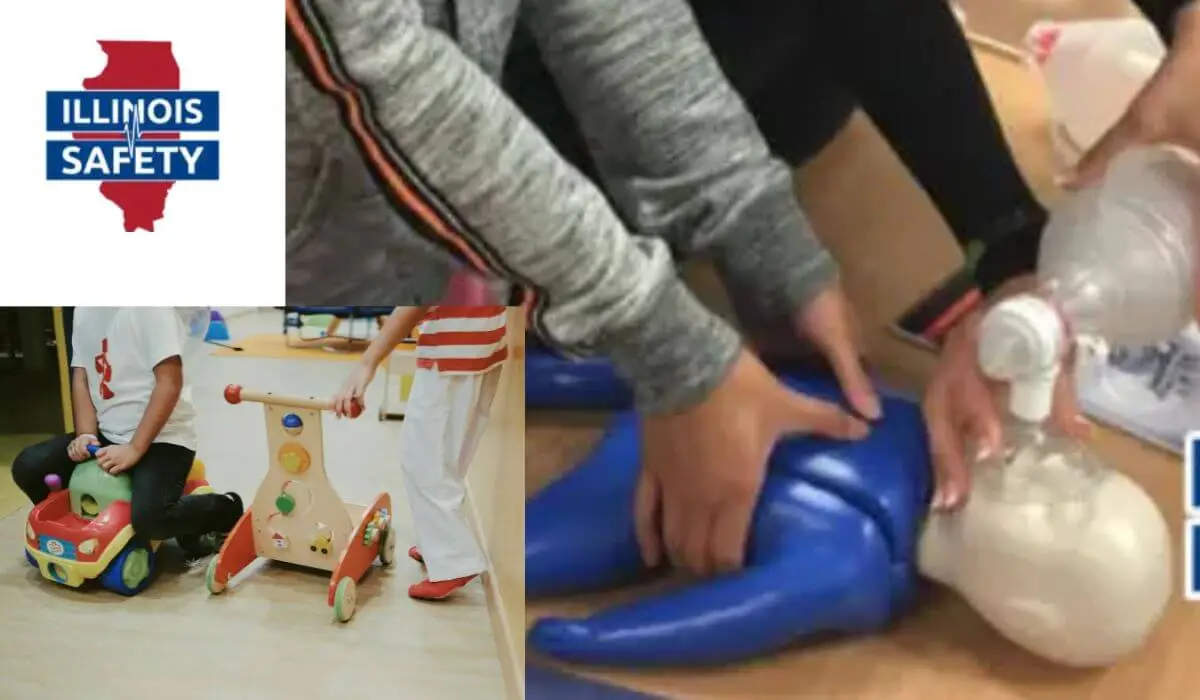
Source : illinoissafety.com
Understanding the Different CPR Certifications
Basic Life Support (BLS) vs. Others
Okay, so you hear “CPR certification” and think it’s all the same, right? Not exactly. For daycare providers, you’re typically looking for certifications that focus on adults, children, and infants. This usually falls under what’s broadly called Basic Life Support (BLS), but the specific courses are geared towards lay rescuers, not necessarily healthcare professionals (though those certifications are often accepted too). The key is that the course must cover pediatric emergencies.
The Importance of Pediatric-Specific Training
Here’s where it gets critical for daycare. Kids are not small adults. Their bodies work differently. A blocked airway for an infant is vastly different from an adult’s. The techniques for chest compressions and rescue breaths need to be tailored. Make sure any course you take explicitly includes and emphasizes training for infants and children. Courses designed solely for adults won’t cut it for your daily responsibilities. Always double-check the curriculum.
First Aid is Usually Bundled In
Most reputable programs bundle CPR and First Aid together. Why? Because they go hand-in-hand. What if a child falls and gets a serious cut? Or has a bad allergic reaction? First aid training covers burns, bleeding, fractures, allergic reactions, seizures, and more. It’s the next layer of preparedness after immediate life support. For daycare providers, it’s incredibly practical, covering common childhood injuries and illnesses you’ll encounter.
Choosing the Right Training Provider
Accredited Organizations You Can Trust
Not all certifications are created equal. You need to Make sure your training comes from a recognized and reputable organization. The big names you’ll see everywhere include the American Heart Association (AHA) and the American Red Cross. These organizations have established standards and their certifications are widely accepted by licensing bodies. Always look for their logos and official course completions. Getting a certificate from “Bob’s CPR Shack” probably won’t fly with the state.
The American Red Cross, for example, offers a variety of courses tailored for childcare providers. They understand the specific needs and legal requirements. You can find courses like their “CPR/AED for Professional Rescuers” which often includes first aid for children. It’s a solid choice for ensuring you meet those daycare regulations. You can check out their offerings directly on their site to see what fits best for you.
Online vs. In-Person vs. Blended Learning
This is a big one for busy people. You have options!
- Fully Online: Some basic CPR knowledge can be gained online, but most licensing bodies require a hands-on skills component. So, a fully online course is rarely sufficient on its own for daycare providers.
- In-Person Classes: These are the traditional route. You go to a training center, learn the skills, practice on mannequins, and get tested. They offer direct interaction with instructors and peers.
- Blended Learning: This is often the sweet spot. You complete the knowledge portion online at your own pace, then attend a shorter, in-person session to practice and demonstrate your skills. This saves time while still ensuring you get that Key hands-on training. Many providers like ProTrainings.com offer excellent blended options.
For daycare, a blended approach is often the most efficient and effective way to get certified. It respects your time while guaranteeing competency.
Local Training Centers and Community Resources
Don’t forget to look right in your own backyard. Many community centers, hospitals, and even fire departments offer CPR and First Aid classes. These can sometimes be more affordable or convenient depending on your location. Additionally, if you’re in Florida, exploring resources from the Department of Children and Families (DCF) can point you toward approved training providers. Sometimes, specific child care resource and referral agencies partner with training organizations.
Handling Florida’s Specific Requirements (If Applicable)
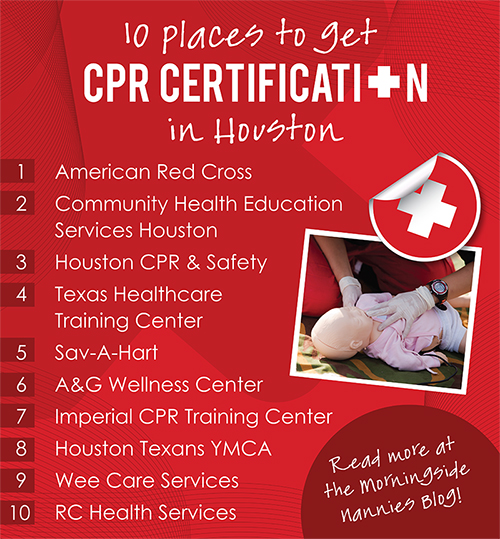
Source : morningsidenannies.com
Florida DCF Licensing Essentials
If you’re operating a licensed childcare facility in Florida, you’ll be dealing directly with the Department of Children and Families (DCF). They lay out the specific training requirements. For family day care homes, for instance, there are rules about introductory training hours and ongoing professional development. Your CPR certification is a Foundation of that initial training. It’s Needed to consult their official guidelines, like those found on the myflfamilies.com website, to Make sure you’re compliant.
Mandatory Childcare Training Hours
Florida requires a certain number of training hours for providers. A significant portion of this often includes pediatric CPR and First Aid. These aren’t just standalone courses; they are integrated into the broader framework of childcare training. You might need to complete a specific “Introduction to Child Care Professionals” course, which will mandate this certification. Always check the latest DCF guidelines for exact hour requirements and accepted course types.
Finding Approved Florida Training Providers
When you’re in Florida, you can’t just pick any random CPR class. The state often requires that your training be provided by organizations approved by the Florida DCF or specific recognized accrediting bodies. Providers like ProTrainings.com have courses specifically tailored for Florida daycare providers, often fulfilling state requirements. Verifying that your chosen provider and course meet these specific state mandates is Key to avoid wasting time and money on a certification that won’t be accepted.
The CPR Certification Process: Step-by-Step
Step 1: Research and Select Your Course
Start by identifying your needs. Are you in Florida? What specific certification does your licensing body require? Then, look at reputable providers like the American Red Cross, American Heart Association, or approved local centers. Compare their course offerings, schedules, costs, and whether they offer the blended learning option if that suits you. Read reviews if possible!
Step 2: Register and Complete the Training
Once you’ve chosen, sign up! If it’s a blended course, you’ll likely start with the online modules. Dedicate focused time to this – it’s not just busywork. Absorb the information about recognizing emergencies, calling for help, and performing the techniques. Pay close attention to the differences in care for infants versus children. This foundational knowledge is key.
Step 3: Attend the Hands-On Skills Session
This is where the rubber meets the road. You’ll go to the in-person session (or the skills check portion of a blended course). You’ll practice chest compressions on mannequins, learn how to give rescue breaths correctly, practice using an AED trainer, and handle choking scenarios. The instructor will guide you, correct your technique, and Make sure you’re performing the skills safely and effectively. This practical application is Key for true competence.
Step 4: Pass the Assessment and Receive Your Certification
Most courses include a written test to confirm your understanding of the material and a practical skills assessment. If you pass both, congratulations! You’ll receive your official CPR certification card. This is usually valid for two years, so mark your calendar for renewal well in advance. Keep a digital and physical copy of your card handy.
Key Skills Covered in Daycare CPR Training
Recognizing an Emergency and Calling for Help
It sounds simple, but in a high-stress moment, knowing the steps is Key. Training covers how to assess a situation, determine if it’s a true emergency, and when and how to call emergency services (like 911). For daycare, this includes understanding common childhood emergencies like choking, breathing difficulties, or sudden illness. Promptly knowing when to call 911 is often the first life-saving step.

Source : simplecpr.com
Child and Infant CPR Techniques
This is the core. You’ll learn the precise hand placement, depth, and rate for chest compressions on infants and children. You’ll practice giving rescue breaths, checking for responsiveness, and clearing airways. Understanding the sequence – compressions, airway, breathing (CAB) – and how it differs slightly based on the child’s age and size is Top. Practicing these skills repeatedly during your pediatric CPR training builds muscle memory.
Using an Automated External Defibrillator (AED)
While less common in daycare settings than, say, a gym, AEDs are becoming more prevalent. Training includes how to use these life-saving devices. You’ll learn where to place the pads on a child or infant (using child pads if available) and how to follow the AED’s prompts. Knowing how to operate an AED can be critical in cases of sudden cardiac arrest.
Choking Response for All Ages
Choking is a terrifyingly common emergency in childcare. Your training will cover the specific techniques for dislodging an object from an infant’s airway (back blows and chest thrusts) versus a child’s (abdominal thrusts, or the Heimlich maneuver). You’ll practice these procedures, learning to adapt them based on the child’s size and responsiveness. This is often a heavily emphasized part of daycare CPR certification.
Maintaining Your CPR Certification
Expiration Dates and Renewal Cycles
CPR certifications aren’t forever. They typically expire every two years. It’s your responsibility as a provider to keep your certification current. Don’t wait until the last minute! Renewing before your card expires ensures there’s no lapse in your compliance and, more importantly, your preparedness. Missing this deadline means you’ll likely need to retake the full course.
Renewal Courses: Online and In-Person Options
Most organizations offer shorter renewal courses for those whose certifications are about to expire. These are usually less intensive than the initial certification course but still cover Needed updates and require a skills check. Again, blended learning options are common for renewals, allowing you to refresh your knowledge online before a brief in-person skills session. Check with your certifying body for their specific renewal process.
Keeping Your Skills Sharp Between Certifications
Your certification card is proof you were trained, but real skill comes from practice and ongoing awareness. Review the steps periodically. Maybe watch a few training videos online. Discuss scenarios with your colleagues. The more you mentally (or physically) rehearse, the better you’ll perform under pressure. Think of it like a firefighter practicing drills – it keeps you sharp.
Making CPR Certification Work for Your Daycare Business
Budgeting for Training Costs
Factor the cost of CPR and First Aid training into your startup budget and ongoing operational expenses. While it’s an investment, it’s a mandatory one. Prices can vary, but expect to pay anywhere from $50 to $150 per person, depending on the provider and course type. Look for group discounts if you have multiple staff members needing certification.

Source : bayareacpr.org
Scheduling Training for Your Staff
Coordinating schedules can be tricky. If you have a team, consider offering training during paid hours or providing incentives. Using blended learning can significantly reduce the time staff need to be away from their duties. You could also stagger renewals so you always have a majority of your staff certified. Smart scheduling ensures continuous compliance.
Creating a Culture of Safety
Your commitment to safety should permeate your entire daycare. When you prioritize and invest in training like CPR, you send a powerful message. Encourage open communication about safety concerns. Make sure emergency procedures are clearly posted and understood by everyone. A strong safety culture benefits everyone – the children, the parents, and your staff.
CPR Certification Details Overview Table
Here’s a quick rundown to help you compare some key aspects of CPR certification for daycare providers:
| Feature | Description | Importance for Daycare | Typical Providers |
|---|---|---|---|
| Certification Type | Focus on CPR/AED and First Aid for Adults, Children, and Infants. Often meets BLS requirements for lay rescuers. | Needed for handling diverse emergencies common in childcare settings. Covers the most frequent risks. | American Heart Association, American Red Cross, ProTrainings, Local EMS/Fire Depts. |
| Training Format | In-person, Online (theory only), Blended (online + in-person skills). | Blended is often most efficient for busy providers, ensuring hands-on competency. | Varies by provider. |
| Validity Period | Typically 2 years. | Requires timely renewal to maintain compliance and skill relevance. | Standard across major organizations. |
| Cost | $50 – $150 per person (approx.). Varies by course length and format. | A necessary business expense. Budget accordingly. Consider group rates. | Varies significantly. |
| Licensing Body Approval | Must be from an approved provider (e.g., state-recognized, AHA, ARC). | Key for legal compliance. Non-approved certifications won’t count. | State licensing agencies (like FL DCF), National organizations (AHA, ARC). |
Getting CPR certified for your daycare is more than just a requirement; it’s a fundamental aspect of responsible childcare. It empowers you to act decisively in emergencies, builds Key trust with parents, and ensures you meet legal obligations. Don’t put it off. Invest the time and resources to get properly trained. Your preparedness can literally save a life.
Frequently Asked Questions
What are the requirements to be CPR certified?
Generally, you just need to be able to complete the required coursework and hands-on skills practice. Some courses might have a minimum age requirement, usually around 12 or 14. You’ll want to check with the specific training provider, but it’s usually pretty straightforward to get your CPR certification.
How much does Michigan pay child care providers?
Pay can really vary depending on experience, location, and the type of facility. In Michigan, average aual salaries for childcare workers can range from around $25,000 to $35,000, but this isn’t a hard and fast rule. Some positions might pay more, especially if you have specialized training or work for a well-established daycare center.
How do you get certified to work at a daycare?
To work at a daycare, you’ll typically need to meet state-specific requirements, which often include a background check, specific training hours, and, crucially, CPR and First Aid certification. You’ll also usually need a high school diploma or GED. Check with your state’s licensing agency for the exact rules.
Does CPR certification expire for daycare workers?
Yeah, pretty much all CPR certifications expire. Usually, they’re good for about two years. This is because medical guidelines and best practices get updated, and they want to make sure you’re staying current. So, plan on needing to renew your infant CPR training every couple of years.
What’s the difference between basic CPR and pediatric CPR for daycare providers?
While basic CPR covers adults, pediatric CPR is specifically for infants and children, which is super important for daycare settings. You’ll learn techniques tailored to smaller bodies and different emergency scenarios they might face. Most daycare providers need pediatric CPR certification, which often includes infant CPR too.
