Forget those stuffy classrooms and awkward mannequins. The world’s changed, and so has getting CPR certified. Seriously, who has time to drive across town for a few hours of training these days? It feels like ancient history, doesn’t it?
But here’s the deal: you still need that certification. Whether you’re a healthcare professional, a teacher, a coach, or just want to be prepared for emergencies, knowing CPR is Key. It’s that life-saving skill everyone should have in their back pocket.
And guess what? You can absolutely get it done online. Yeah, you heard me. Online.
Why Everyone Needs CPR Certification (No, Really)
It’s Not Just for Paramedics
It. Accidents happen. A loved one chokes at dinner. A stranger collapses at the mall. That split second is everything. Having the knowledge and confidence to step in? Priceless.
It’s about being the person who does something, not just stands there and watches. That’s the real power of knowing CPR skills.
Legal and Professional Requirements
For many jobs, it’s not optional. Teachers, daycare workers, lifeguards, nurses, doctors – the list goes on. You need that official certification. It’s often a non-negotiable part of your resume or job description.
Plus, many employers offer incentives or even cover the cost for you to get certified CPR. It’s an investment in your career and your community.
Peace of Mind is Underrated
Honestly, knowing you can help in a crisis offers a unique kind of peace. It’s empowering. You’re not helpless. You’re prepared.
That feeling of readiness? It’s worth more than you think. Especially when it comes to the safety of your family and friends. Get CPR certified and feel that confidence.
The Online CPR Revolution: Is It Legit?

Source : abc13.com
Myth Busting: It’s Not a Scam
I get it. The thought of getting CPR certification online might sound… sketchy. Like you’re just clicking buttons and getting a piece of paper. But that’s not the case anymore.
Reputable organizations have stepped up. They’ve adapted. They offer Full courses that cover everything you need to know. You’re not just winging it.
What to Expect in an Online Course
Most online CPR courses break down the theory brilliantly. You’ll learn about different types of cardiac arrest, how to recognize symptoms, and the step-by-step procedures for adult, child, and infant CPR. Videos? Absolutely. Interactive quizzes? You bet.
It’s engaging stuff. Way better than just staring at a dusty textbook. You’ll see real-life scenarios playing out, making the information stick.
The Hands-On Component (Where the Magic Happens)
Now, here’s the part some people get hung up on. You can’t physically practice chest compressions on a dummy through your computer screen. Obviously.
That’s why most legitimate online certifications include a practical skills session. You’ll usually do this at a designated testing center or sometimes even with a proctor. You perform the hands-on skills, and they verify your competency. It bridges the gap perfectly.
Choosing the Right Online CPR Certification

Source : safeguardcpr.net
Not All Online Courses Are Created Equal
This is where you need to be smart. Some providers are better than others. You want a course that’s recognized and respected by employers and institutions. Don’t just go for the cheapest option you find; that could be a costly mistake.
Look for providers that are accredited by recognized health and safety organizations. Check their reviews. See who they partner with.
Top Contenders for Online CPR Certification
So, where do you even start looking? Several organizations offer solid online options. You’ve got the big names, and some newer, streamlined players.
The American Red Cross is a classic. They’ve been doing this for ages and offer Strong online and blended learning options. You can find their courses at Red Cross CPR training.
Then there are places like the National CPR Foundation. They focus heavily on online accessibility and quick certification. They’re a solid choice for many, offering Full training designed for today’s busy schedules. You can check out the National CPR Foundation website.
What to Look For in a Provider
Here’s a quick checklist:
- Accreditation: Is the certification recognized by major organizations (like AHA, Red Cross)?
- Course Content: Does it cover adult, child, and infant CPR? AED usage? Choking?
- Hands-On Component: Is there a clear, accessible way to complete the practical skills assessment?
- Customer Support: Can you easily get help if you have questions?
- Cost vs. Value: Does the price reflect the quality and recognition of the certification?
The Cost Breakdown: What Are You Actually Paying For?

Source : reddit.com
Initial Course Fees
The price can vary quite a bit. You might see options ranging from $20 to $100 or more. What influences this?
It often depends on the provider, whether it’s a full online course with an in-person skills check, or just the theoretical part. Think of it like buying a plane ticket – economy versus first class.
The “Hidden” Costs (Sometimes)
Be aware. Some super cheap online courses might not include that Key in-person skills assessment. You might have to pay extra for that separately, potentially driving up the total cost.
Always clarify what’s included. You don’t want any nasty surprises when you’re trying to finalize your CPR certification cost.
Value Beyond the Price Tag
Honestly, the real value isn’t just the piece of paper. It’s the knowledge. It’s the confidence. It’s the potential to save a life.
When you compare the cost of an online course to the potential impact of knowing CPR, it’s an absolute no-brainer. Online CPR courses offer incredible value.
A Quick Look at Different CPR Certification Types
Source : firstaidtrainingbangkok.com
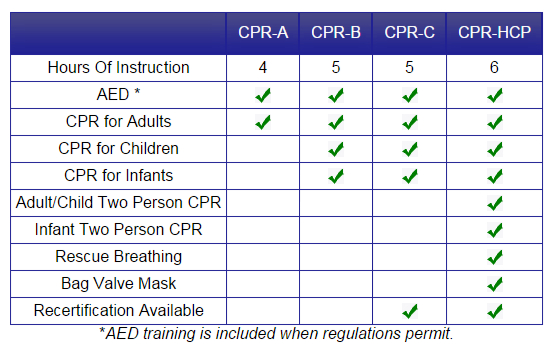
Basic Life Support (BLS) vs. Heartsaver CPR
These often get mixed up. Heartsaver CPR is generally for the general public – parents, teachers, anyone not working in a healthcare setting. It’s straightforward and covers the essentials.
BLS, on the other hand, is geared towards healthcare professionals. It’s more in-depth, covering more complex scenarios and often required for jobs in hospitals or clinics. Make sure you’re picking the right CPR certification type for your needs.
Focus on AED and Choking
No matter the certification level, you’ll almost certainly cover Automated External Defibrillators (AEDs) and how to help someone who is choking. These are critical components of emergency response.
Knowing how to use an AED can be a Shift in a cardiac arrest situation. It’s as Key as chest compressions themselves.
Pediatric vs. Adult CPR
Most Full courses will cover both adult and pediatric (child and infant) CPR. The techniques differ slightly based on age and size, so learning both is Needed for well-rounded training.
If you work with children, like in a daycare or as a nanny, then pediatric CPR certification is non-negotiable. It’s specialized and Key.
The Pros and Cons of Going Digital
Source : blog.cfte.education
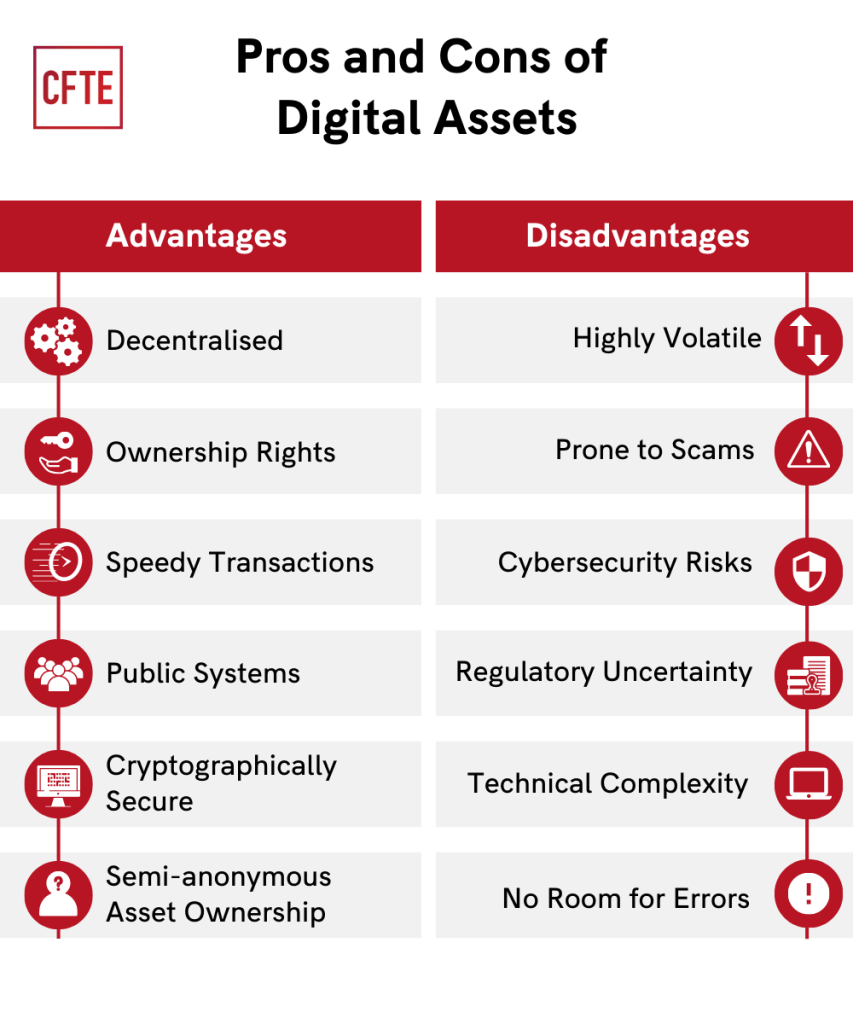
The Upside is HUGE
Let’s start with the good stuff. Speed. Convenience. Flexibility. You can study at 2 AM in your pajamas. You can pause and rewind as much as you need. No commuting.
It’s incredibly efficient. You can often get your online CPR card much faster than traditional methods.
But, Are There Downsides?
As we touched on, the hands-on practice is the main sticking point. While the skills sessions are effective, it’s not the exact same as a full, in-person course where the instructor is right there for the entire duration.
And you must Make sure the certification you get is widely accepted. A cheap online certificate might not cut it when you need it most. That’s a big risk.
Comparing Online vs. In-Person
In-person courses offer immediate, direct feedback from an instructor. They can correct your technique on the spot. It feels more tactile, more immersive for some.
However, online blended learning is bridging that gap effectively. You get the theoretical knowledge at your own pace and a focused skills session to nail the practicalities. It’s a smart compromise for most people today.
Getting Started: Your First Steps

Source : medium.com
Watch: Can you get your CPR and First Aid Card Certification Online
Assess Your Needs
First things first. Why do you need this certification? Is it for work? Personal preparedness? What type of CPR certification do you need – Heartsaver or BLS? Answering this will guide your search.
Don’t just pick a random course. Make sure it aligns with any requirements you might have. It saves time and hassle later.
Research Reputable Providers
Do your homework. Look at the organizations we discussed, check out their websites, read their FAQs. See if they offer the specific type of certification you need.
You want a CPR certification provider that inspires confidence. Not one that makes you squint and wonder if it’s legit.
Enroll and Complete the Course
Once you’ve chosen a provider, enrollment is usually simple. You’ll sign up, pay the fee, and get access to the course materials. Dedicate some focused time to go through the modules.
Pay attention. Take notes. Watch the videos carefully. This isn’t just about getting a certificate; it’s about learning a Key skill. You’re learning how to save a life.
Alright, so you’ve dipped your toes in the water, figured out the basics of getting CPR certified online. But hold up, we’re not done. There are some serious nitty-gritty details that can trip you up faster than a rogue banana peel. Let’s get down to brass tacks.
Is Online CPR Certification Valid For Healthcare Workers
Source : cprvam.com
This is the million-dollar question, right? If you’re knee-deep in the medical field, you can’t just waltz in with any old online certificate. Hospitals, clinics, you name it – they have standards. And those standards often come from one place.
The American Heart Association’s Stance
Look, the American Heart Association (AHA) is the big cheese in CPR. They set the guidelines. While they offer some fantastic online training options, not all “online CPR certification” courses are created equal in their eyes.
Hands-On Skills: The Unavoidable Reality
Here’s the kicker for healthcare pros: CPR isn’t just about knowing the steps. It’s about doing them. Feeling that chest compression depth. Making sure breaths go in right. You just can’t replicate that critical hands-on skills practice through a screen.
Blended Learning: The Hybrid Solution
So, what’s the workaround? Many reputable institutions, including those affiliated with the AHA, offer what’s called “blended learning.” You knock out the theory, the lectures, the quizzes online. Then, you pop into a local training center for a brief, but Key, in-person skills check. This is often the only way healthcare employers will accept your certification.
When Online-Only Might (Rarely) Fly
Now, are there any scenarios where a purely online certification might fly for healthcare workers? It’s incredibly rare. Think maybe for very basic roles, or as a preliminary step before a required in-person session. But for anything requiring patient contact? Don’t bet on it. Always, always check with your employer or licensing board.
Best AHA Approved Online CPR Certification Programs
Source : shopcpr.heart.org
When we talk “best,” especially for healthcare workers needing that AHA stamp of approval, we’re talking about programs that adhere to their rigorous standards. Forget the fly-by-night operations. You want credibility.
AHA’s Official eLearning Courses
The most direct route is usually through the AHA’s own platform. They offer various eLearning courses that cover the foundational knowledge. These are specifically designed to be paired with an in-person skills test. This ensures you’re getting the most accurate, up-to-date information directly from the source.
Finding Authorized Training Centers
Many hospitals and community organizations are authorized AHA training centers. They often host the in-person skills sessions that complement the online modules. Searching for an “AHA Training Center near me” is your best bet for finding these blended learning opportunities. They are the gold standard for healthcare professionals.
What “AHA Approved” Really Means
It’s Key to understand that “AHA Approved” typically means the course follows their scientific guidelines and resuscitation education standards. For healthcare providers, it often means completion of their specific eLearning courses followed by a hands-on skills assessment conducted by an AHA instructor. You’re not just getting a certificate; you’re getting verified training.
Courses Focused on Specific Roles
The AHA offers different courses tailored to specific needs. Think Basic Life Support (BLS) for healthcare providers, Advanced Cardiovascular Life Support (ACLS), and Pediatric Advanced Life Support (PALS). Each has its own set of requirements, and the online components are designed to prepare you for the more intensive practical components. Don’t just grab any “CPR” course; Make sure it’s the right one for your profession.
How To Get CPR Certified Online For Free With Printable Certificate
Source : aedcpr.com
Let’s be blunt: “Free CPR certification” often comes with a massive asterisk. Especially if you need a certificate that actually means something in a professional context. But for awareness or basic introductory knowledge? Sure, there are options.
The “Awareness” Level Courses
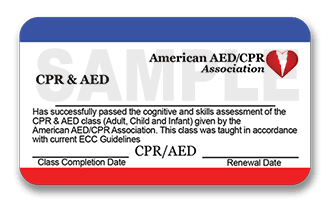
Many organizations offer free introductory CPR and first aid courses online. These are fantastic for general knowledge, helping you understand the basics of what to do in an emergency. You’ll learn about calling for help, recognizing signs of distress, and perhaps some very basic techniques. You might even get a printable certificate of completion.
Limitations of Free Certificates
Here’s the catch: these free certificates are almost never accepted by employers, schools, or licensing bodies. Why? Because they lack the necessary hands-on skills validation and often aren’t from accredited organizations like the AHA. Think of it as a “participation trophy” for learning. It’s better than nothing, but it won’t get you the job.
Look for Reputable Non-Profits
Occasionally, you might find free or low-cost options through community organizations or certain non-profits. These can sometimes be legitimate, especially if they are partnerships with recognized training providers. But you must do your homework. Check if the issuing body has any official recognition. A quick web search for “[organization name] CPR certification validity” can save you headaches later.
The Cost of Genuine Certification
Realistically, if you need a CPR certification for work, volunteering, or school, you’re likely going to have to pay. The fees cover the cost of the training materials, instructor time, skills assessment, and the official card or certificate. Investing a small amount ensures your qualification is recognized and respected. It’s a small price for peace of mind and professional credibility.
How Long Does It Take To Get CPR Certified Online
Source : heartstartcpr.net
This is where the “online” part really shines for busy people. The time commitment can be surprisingly short, depending on the type of course you’re taking. It’s not some all-day affair in a stuffy classroom.
Self-Paced Learning Modules
Most online CPR courses are entirely self-paced. You log in, watch the videos, read the material, and take the quizzes on your own schedule. This means you could potentially blast through the knowledge portion in a couple of hours if you’re really focused. Or, you could spread it out over a few days. It’s all about your personal learning speed.
Typical Time Ranges
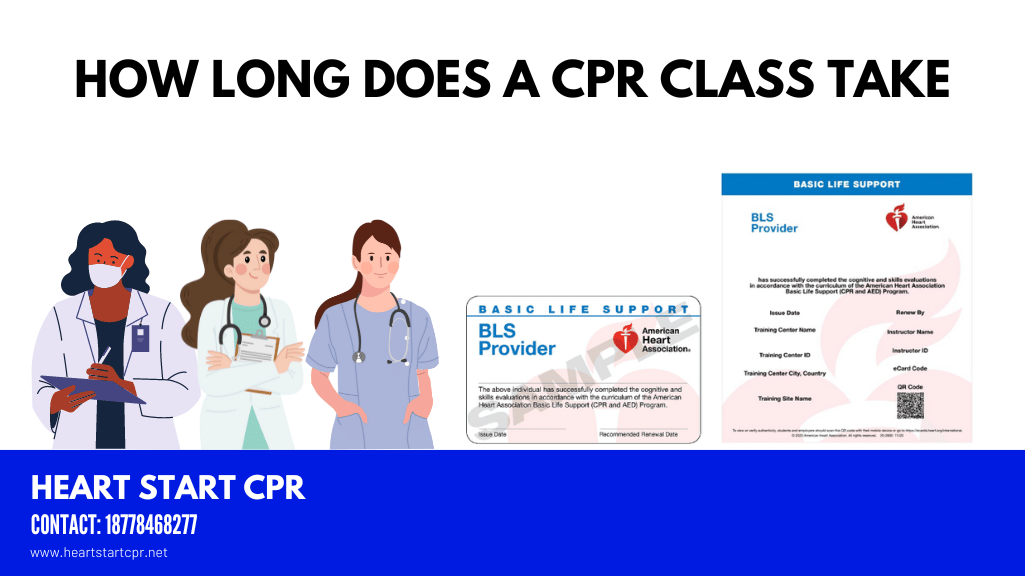
For the theoretical, knowledge-based part of an online CPR course (like the eLearning portion for AHA blended learning), expect to spend anywhere from 1 to 4 hours. This covers the core concepts of CPR, AED usage, and choking response. It’s efficient.
The Blended Learning Time Factor
Now, remember that blended learning we talked about? That requires an additional in-person skills session. This practical part is usually much shorter, often just 1-2 hours. So, a complete blended certification (online + in-person) might take you a total of 3-6 hours. Much faster than a traditional all-in-person class!
Getting Your Certificate Instantly
Once you’ve successfully completed the online modules and the in-person skills check (if required), you often get access to your certificate almost immediately. Many providers will allow you to download and print a temporary certificate right away, with the official wallet card mailed out shortly after. It’s incredibly convenient.
Legitimate Online CPR and First Aid Certification For Teachers

Source : valuecpr.com
Teachers, listen up. Your school district, your state, they have rules about this. And usually, those rules mean you need a certification that’s widely recognized and has been properly vetted. “Legitimate” is the keyword here.
Meeting School District Requirements
Most educational institutions require teachers to hold current CPR and First Aid certifications. They need to know you’re prepared for a medical emergency involving a student. This means the certification needs to be from a reputable provider that they trust. Often, this points back to organizations like the AHA, American Red Cross, or similar nationally recognized bodies.
The Blended Approach is Key for Educators
Just like healthcare workers, teachers generally can’t get away with only an online CPR certification. The hands-on component is usually mandatory. This makes blended learning courses the go-to option. You get the flexibility of online learning for the theory, followed by a Key in-person skills session. This dual approach ensures you’re competent.
Verifying Instructor Credentials
When looking for an online or blended course, make sure the instructors are properly certified themselves. A legitimate course will have instructors who are qualified to teach and assess CPR and First Aid skills. You can often find this information on the training provider’s website. Don’t be afraid to ask! A qualified instructor makes all the difference.
CPR vs. First Aid: Know the Difference
Many courses bundle CPR and First Aid together. This is often a smart move for teachers, as it covers a broader range of potential emergencies. Make sure the program you choose includes both if your school requires it. You want Full training, not just a single skill. Getting both certifications ensures you’re ready for a wider array of situations. This is Key for anyone responsible for children.
| Factor | Fully Online (No Skills Check) | Blended Learning (Online + Skills Check) | AHA Approved (Healthcare/Teacher Focus) |
|---|---|---|---|
| Validity for Employers | Often NOT Valid | Generally Valid | Highly Valid |
| Hands-On Skills Practice | None | Included | Included |
| Time Commitment (Knowledge Portion) | 1-3 Hours (Self-Paced) | 1-4 Hours (Self-Paced) | 1-4 Hours (Self-Paced) |
| Time Commitment (Skills Check) | /A | 1-2 Hours | 1-2 Hours |
| Cost | Often Free or Low Cost (Limited Value) | Moderate Cost | Moderate to Higher Cost |
| Best For | General Awareness (Not Professional Use) | Most Professionals, Teachers, General Public | Healthcare Workers, High-Risk Professions |
So, there you have it. The details matter. Don’t get caught out with a certificate that won’t cut it. Do your research, understand the requirements for your specific situation, and choose wisely. Your certification needs to be legitimate.
Frequently Asked Questions
Are online CPR certs valid?
Look, it’s complicated. For some situations, like basic awareness or initial training, an online CPR certification might be accepted. But here’s the kicker: most employers, especially healthcare providers or anyone needing official certification, will require a hands-on skills check. So while you can definitely get your initial CPR knowledge online, you’ll probably still need to find a local class to get the full, accepted certification. Don’t get caught flat-footed thinking a piece of paper from your laptop is enough for every job.
How much does it cost to take a CPR class online?
Honestly, it varies a TON. You can find some super cheap options, maybe even $20-$30, especially if they’re just for a refresher or non-medical roles. But if you’re looking for something more Full or through a recognized organization, expect to pay anywhere from $50 to $100, sometimes a bit more. It really depends on the provider, what’s included (like study materials or practice quizzes), and if it leads to a formal certification or just a completion card.
What’s the difference between CPR certification and training?
Think of it like this: training is learning the stuff, certification is proving you know it well enough to actually do it. You can go through a CPR training course online and learn all the steps, but until you pass an exam and often a practical skills assessment, you’re not technically certified to perform CPR. Certification usually means you’ve met specific standards set by an organization like the American Heart Association or Red Cross, and it often has an expiration date.
Can I get a CPR certification without a practical exam?
Generally, no, not for the full, widely accepted certification. While you can complete the knowledge portion of CPR training online, most official bodies require a hands-on skills session. This is usually done in person with an instructor to Make sure you can perform techniques like chest compressions and rescue breaths correctly. Some courses might offer a blended learning approach where you do the theory online and then a quick in-person skills check. But a purely online cert without any practical component? That’s usually not the real deal for most critical situations.
How long does an online CPR certification last?
Just like the in-person ones, your online CPR certification typically expires every two years. It’s not a lifetime thing! The science and guidelines for CPR evolve, so recertification is Needed to make sure you’re up-to-date with the latest techniques. Even if you did the whole thing online, you’ll still need to go through a renewal process every couple of years to keep your card valid.
