How To Become HVAC Certified Without Going To School
Look, nobody said you have to shell out thousands of dollars and sit in a stuffy classroom for years to get into the HVAC field. It’s a legitimate question: can you actually snag that certification without the whole traditional school song and dance? Absolutely. Let’s cut through the noise and talk about how to get the skills and the credentials you need, practical ways that make sense for real people.
It. The world needs people who can fix AC units and furnaces. It’s not rocket science, but it does require specific know-how. And frankly, a lot of folks are looking for a faster, more affordable route. This isn’t about cutting corners; it’s about being smart and efficient with your time and money.
The Myth of the In-Person Classroom Only
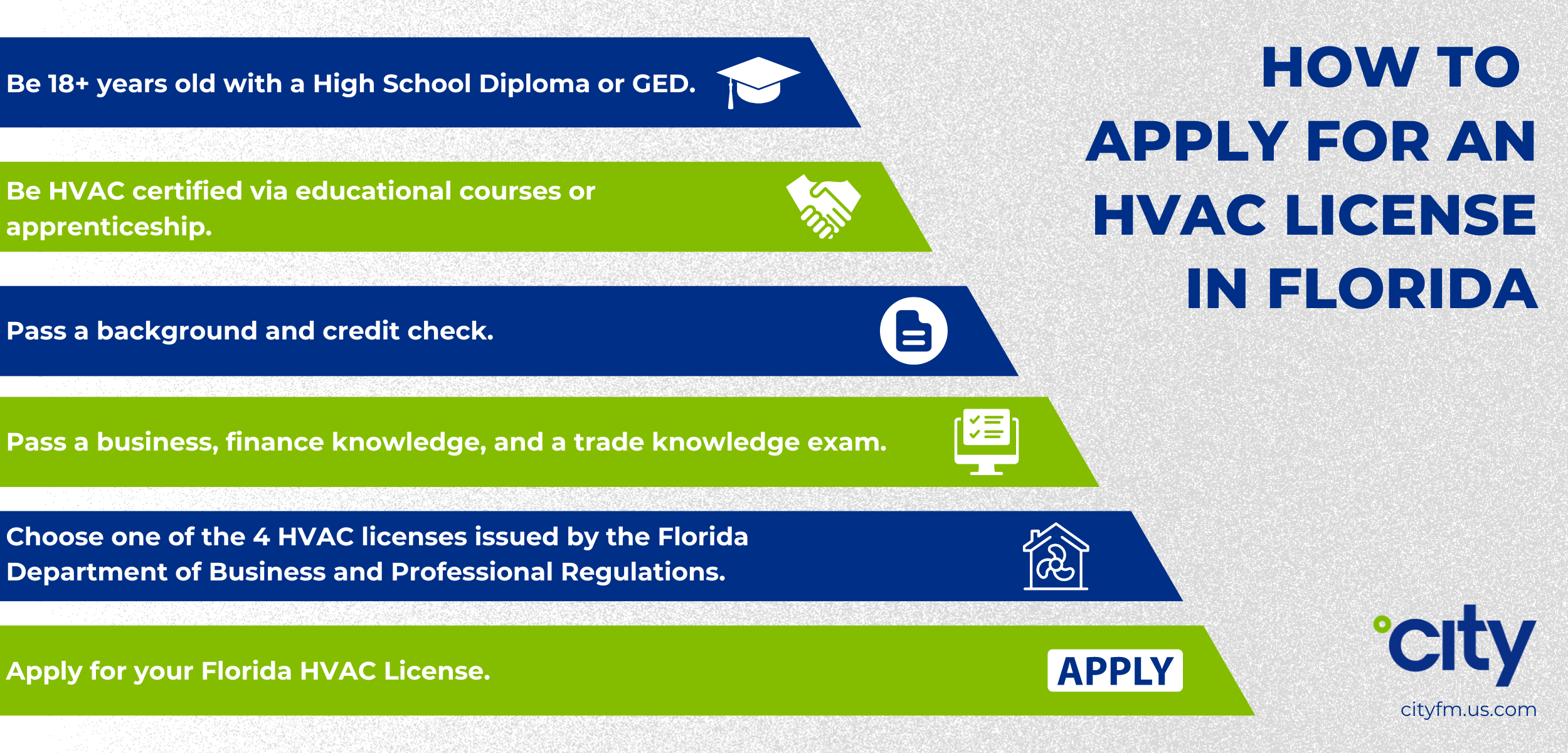
Source : cityfm.us
Everyone seems to think you must be physically present in a trade school lecture hall to get HVAC certified. It’s a persistent myth, probably peddled by institutions that want your tuition money, year after year. They paint this picture where the only path to success involves textbooks, professors, and a hefty student loan bill. But is that really the whole story?
Debunking the Traditional School Model
Let’s be real. Traditional schools are expensive. You’re paying for buildings, administration, and a whole lot of overhead that doesn’t directly translate to you learning how to solder a copper pipe or troubleshoot a refrigerant leak. It’s a model that’s been around forever, but it’s not the only game in town anymore.
Many people graduate with degrees they barely use, still unsure about their career path. For a hands-on trade like HVAC, that can feel like a colossal waste of time and money. You want practical skills, not just theory.
Why Alternative Routes Are Gaining Traction
The world is changing. Online learning has exploded, and vocational training is no exception. Why shouldn’t you be able to learn complex skills on your own schedule, from the comfort of your own home? It’s about accessibility and flexibility. People have jobs, families, and lives. Traditional schooling often doesn’t fit.
Plus, these newer programs are often more focused. They strip away the general education requirements and dive straight into the core competencies you need for a specific career. Less fluff, more substance. It’s a more direct line from learning to earning.
The Real Goal: Competency, Not Just a Diploma

Source : hvaccareernow.com
What’s the end game here? It’s not just about hanging a certificate on your wall. It’s about being genuinely competent. Employers aren’t hiring your diploma; they’re hiring your ability to do the job. Can you diagnose a problem? Can you perform a repair safely and effectively? That’s what matters.
Focusing on demonstrable skills is key. If an alternative program teaches you those skills thoroughly and prepares you for the certification exams, then it’s a valid route. The “how” you got there matters less than the “what” you can do when you get there.
Online Training Programs: Your Digital Classroom
Forget dusty textbooks. Online programs are where it’s at for learning HVAC without the physical classroom. These aren’t just glorified YouTube tutorials; many are structured, Full courses designed to get you job-ready. They Use technology to deliver high-quality instruction.
Think interactive modules, video demonstrations, and even virtual labs. It’s engaging and, more importantly, it fits into your life. You can study at 2 AM or during your lunch break. Whatever works.
Structured Curriculum Over Self-Teaching
Sure, you could try to piece things together yourself, watching random videos and reading forums. But that’s a recipe for gaps in your knowledge. A well-designed online program provides a structured curriculum. It follows a logical progression, building your knowledge layer by layer.
This ensures you cover all the Needed topics, from basic electrical principles to complex refrigeration cycles. You won’t miss critical steps. It’s like having a roadmap, guiding you from beginner to qualified technician.
Interactive Learning Modules and Resources
The best online HVAC courses go beyond static text. They incorporate interactive elements that make learning stick. Imagine quizzes that test your understanding immediately after a lesson, or simulations that let you practice troubleshooting without risking a real system.
Many programs also offer downloadable resources, study guides, and access to instructors or support staff. These tools are Crucial for reinforcing learning and getting questions answered quickly. It’s an ecosystem designed for effective learning.
Preparing for Certification Exams
A major perk of reputable online programs is their focus on certification. They know that’s your ultimate goal. Many courses are specifically designed to Match with the content covered in major HVAC certification exams, like the EPA Section 608. They’ll even include practice tests and exam prep materials.
This targeted approach dramatically increases your chances of passing on the first try. You’re not just learning HVAC; you’re learning HVAC with the exam in mind. It’s a Key distinction.
Apprenticeships: Earn While You Learn
Who says learning can’t involve getting paid? Apprenticeships are a fantastic way to become HVAC certified without the upfront cost of school. You get hands-on experience, mentorship from seasoned professionals, and a paycheck – all while you’re building your career.
This is the tried-and-true method for many trades, and HVAC is no different. It bridges the gap between theoretical knowledge and real-world application in the most practical way possible.
Finding and Securing an Apprenticeship
Finding the right apprenticeship can take some legwork. Start by networking. Talk to local HVAC companies, especially smaller, independent ones. They might be more willing to take on an apprentice than a large corporation. Check with local unions as well; they often have structured apprenticeship programs.

Source : trusteyman.com
Prepare a resume highlighting any relevant skills or experience (even basic mechanical aptitude or customer service). Be ready to explain why you’re passionate about the trade and eager to learn. Persistence is key; don’t get discouraged if the first few attempts don’t pan out.
The Benefits of On-the-Job Training
There’s simply no substitute for real-world experience. An apprenticeship throws you right into the thick of it. You’ll learn from experienced technicians, see how they handle different situations, and gain practical skills that textbooks can’t teach. This is where you learn the tricks of the trade.
You’ll be working on actual job sites, interacting with customers, and solving real problems. This kind of exposure builds confidence and competence far faster than any classroom setting could. It’s practical learning at its finest.
Apprenticeship Structure and Duration
Apprenticeship programs vary in structure and length. Some might be tied to a specific union or contractor, while others are more independent. They typically involve a set number of hours working under supervision, combined with some classroom or online instruction. The total duration can range from one to four years, depending on the program and your progress.
During this time, you’ll gradually take on more responsibility as your skills develop. Many apprenticeships lead directly to full-time employment with the sponsoring company or contractor upon completion. It’s a clear pathway to a stable career.
The EPA Section 608 Certification Explained
This isn’t just a nice-to-have; it’s a requirement. The EPA Section 608 certification is mandatory for anyone who handles refrigerants. You can’t legally work on most air conditioning and refrigeration systems without it. Thankfully, it’s achievable without traditional schooling.
Think of it as the baseline license to operate in the HVAC world. Getting it shows you understand environmental regulations and safe handling practices. It’s a critical step towards becoming fully HVAC certified.
Why EPA 608 is Non-Negotiable
Refrigerants, if released into the atmosphere, can harm the ozone layer and contribute to climate change. The EPA established Section 608 rules to prevent this. Technicians are responsible for recovering, reclaiming, and properly disposing of these substances.
Possessing this certification signifies you’ve been tested on your knowledge of these regulations and safe handling procedures. Without it, employers often won’t even consider you. It’s a fundamental requirement for employment.
Different Types of EPA 608 Certifications
There are four types of Section 608 certifications: Type I, Type II, Type III, and Universal.
- Type I: For small appliances (less than 5 pounds of refrigerant).
- Type II: For high-pressure systems and medium-pressure systems (like most residential and light commercial AC units).
- Type III: For low-pressure systems (like chillers).
- Universal: This is the most Full and covers all types. Most technicians aim for Universal.
You typically need to pass a test for the specific type(s) relevant to the work you’ll be doing. For most entry-level roles, aiming for the Universal certification is the smartest move.
How to Study and Test for EPA 608
You don’t need a formal class. Many online providers offer study materials and practice tests specifically for the EPA 608 exam. These resources break down the complex regulations into understandable chunks. You can often find Full study guides and practice exams for a reasonable fee.
Once you feel prepared, you’ll need to schedule an exam through an EPA-approved testing organization. These tests can often be taken online or at designated testing centers. Passing the exam is the final step to obtaining your Needed refrigerant handling license.
Portfolio Building: Showcasing Your Skills
Certifications are great, but what about showing potential employers what you can actually do? This is where building a portfolio comes in. It’s your visual resume, demonstrating your practical abilities and your commitment to the trade. Even without formal schooling, you can create a compelling portfolio.
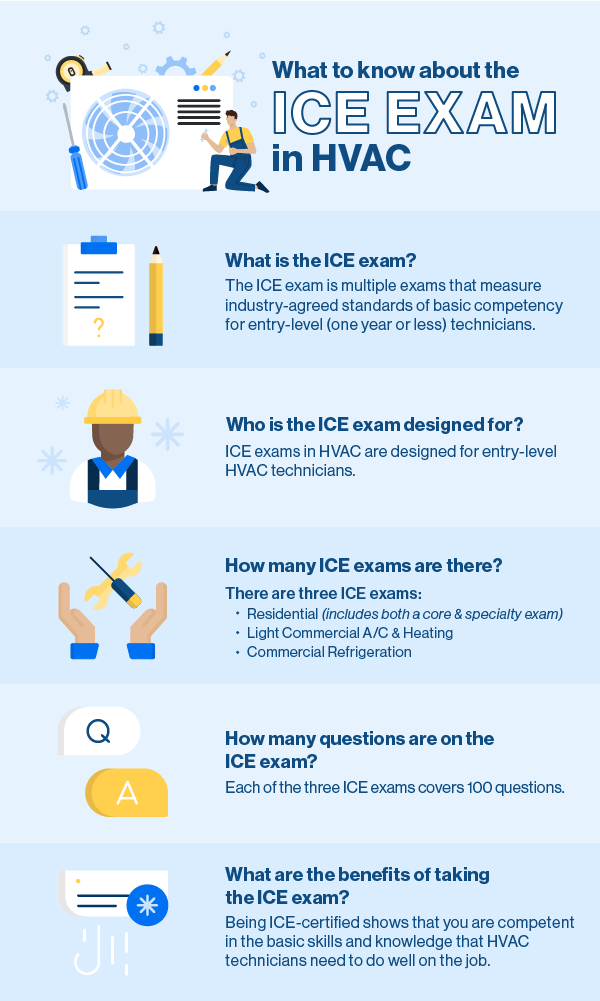
Source : pennfoster.edu
Think of it as proof of your skills. It’s more tangible than just a list of certifications. A good portfolio can set you apart from other candidates who might have similar credentials but lack demonstrated experience. This is your chance to tell your story.
Documenting Projects and Training
As you learn – whether through online courses, personal projects, or even volunteer work – document everything. Take photos or videos of your work (with permission, if applicable). Keep records of the types of systems you’ve worked on, the problems you solved, and the tools you used.
If you’re practicing installations or repairs on your own equipment (or helping a friend), make sure to capture the process and the final result. Highlight any challenges you overcame. This detailed record becomes the foundation of your portfolio.
Creating a Digital Portfolio
A simple website or even a well-organized cloud storage folder can Act as your digital portfolio. Include sections for your certifications, training completed, skills list, and a gallery of your documented projects. Write clear, concise descriptions for each project, explaining the scope of work and your role.
Consider including testimonials if you’ve done work for friends or family. Add a professional highlighting your dedication and eagerness to learn. Make sure it’s easy to navigate and looks professional. This is your online showcase.
Leveraging Online Course Projects
Many online HVAC programs include practical assignments or capstone projects. Make sure to complete these thoroughly and document them for your portfolio. If the course involves simulations, take screenshots or record your screen showing your problem-solving process. These materials provide concrete evidence of your learning.
Think of these course deliverables not just as assignments, but as portfolio pieces. They show initiative and the ability to apply what you’ve learned. It bridges the gap between online learning and real-world application.
Industry-Recognized Certifications Beyond EPA
While EPA 608 is Key, other certifications can significantly boost your credibility and employability. These often focus on specific skills or types of equipment. Earning them demonstrates a higher level of proficiency and commitment to the HVAC trade.
Think of these as stepping stones. Each one you earn builds on the last, making you a more valuable asset to potential employers. They are proof of your dedication to mastering the craft beyond the bare minimum. It’s about becoming the go-to technician.
NATE Certification: The Gold Standard
North American Technician Excellence (NATE) is a highly respected, independent organization that offers certifications for HVAC technicians. NATE exams are rigorous and cover a broad range of knowledge and skills. Holding a NATE certification signals that you’ve met high industry standards.
There are different NATE certifications, covering installation and service for various types of equipment (like air conditioners, furnaces, heat pumps, etc.). While some preparation is needed, you can often study independently or through specialized online courses designed to help you pass the NATE exams. It’s a significant career booster.
Manufacturer-Specific Training
Major HVAC equipment manufacturers (like Trane, Carrier, Lennox) often offer their own training and certification programs. These programs focus on the specific installation, maintenance, and repair of their products. Completing these can make you highly valuable to companies that specialize in those brands.
While not always strictly required, manufacturer training shows a deep understanding of specific systems. Companies often prefer technicians who are already familiar with their preferred equipment. This specialized knowledge can lead to better job opportunities and higher pay. It’s a smart specialization.
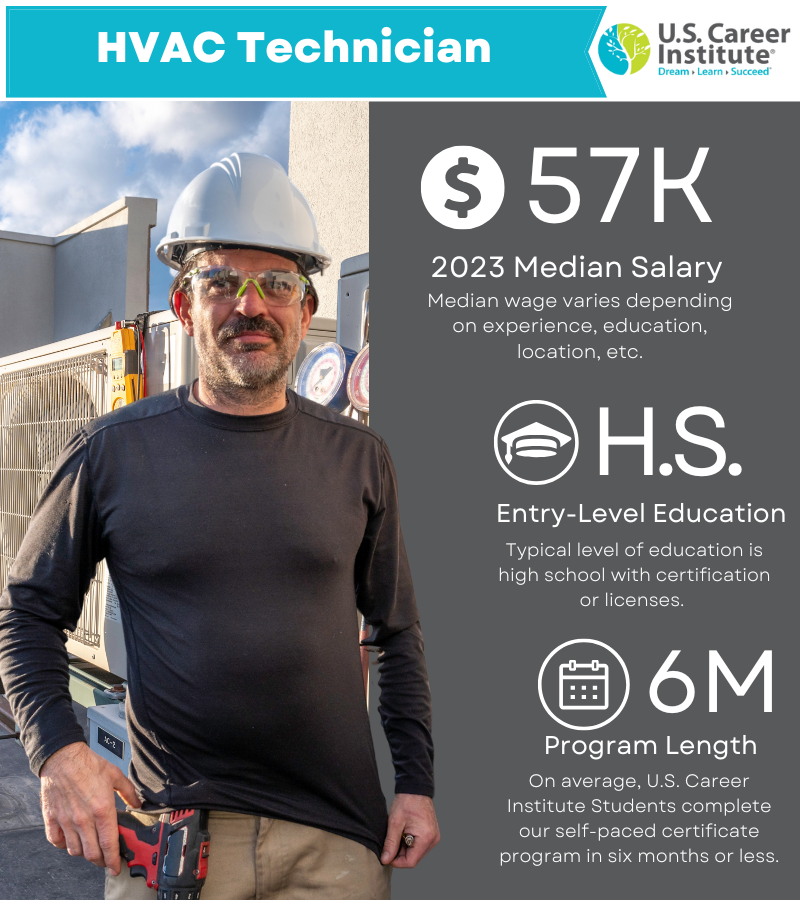
Source : uscareerinstitute.edu
Specialty Certifications (e.g., Gas Heat, Air Distribution)
Beyond NATE, there are other specialty certifications available. These might focus on specific areas like gas heating systems, air distribution, refrigeration, or even hydronics. Focusing on a specialty can help you carve out a niche in the market.
For example, if you excel at diagnosing complex heating issues, a certification in gas heating could be perfect. These niche certifications often appeal to employers looking for technicians with very specific expertise. It allows you to stand out.
Building Your Network and Finding a Job
Getting certified is only half the battle. You still need to find a job. Building a professional network and knowing where to look can make a huge difference in your job search. Don’t underestimate the power of connections.
Think of networking not as schmoozing, but as building genuine professional relationships. People hire people they know, like, and trust. Put yourself out there. Attend local industry events if possible, or join online forums for HVAC professionals.
Online Job Boards and Company Websites
Start with the obvious: online job boards like Indeed, LinkedIn, and specialized trade job sites. Set up alerts for HVAC technician positions in your area. Also, make a list of local HVAC companies and check their career pages directly. Sometimes, jobs are posted there before they hit the major boards.
Tailor your resume and cover letter for each application. Highlight the specific skills and certifications mentioned in the job description. Show them you’ve done your homework and are a serious candidate. A little customization goes a long way toward landing an interview.
Leveraging Your Online Training Community
If you’ve completed an online HVAC program, tap into their network. Many programs have career services departments or alumni networks. They often have connections with employers looking to hire graduates. Don’t be shy about asking for help or advice.
These programs want you to succeed because your success reflects well on them. They might offer job placement assistance, resume workshops, or interview coaching. Use every resource they provide. It’s part of the value you paid for, so make the most of it.
The Power of Referrals
Word-of-mouth is incredibly powerful in the trades. Let everyone you know that you’re looking for an HVAC position. Friends, family, former colleagues – anyone could potentially have a contact or hear about an opening. Don’t discount casual acquaintances.
If you’ve done any work for friends or family, even just helping out, let them know you’re seeking a professional role. A referral from a trusted source can often get your application looked at much more favorably. It’s about building trust before the first handshake. A good referral is golden.
A Realistic Look at Earnings and Career Growth
So, you’ve got the skills, the certifications, and you’re ready to roll. What does the paycheck look like? And where can this career take you? Understanding the earning potential and growth opportunities is Key for long-term satisfaction.
HVAC isn’t just a job; it’s a career path with significant potential. As you gain experience and specialized certifications, your earning capacity grows substantially. It’s a field that rewards hard work and continuous learning. Consider this a smart investment in your future.
Entry-Level Salaries vs. Experienced Technicians
Watch: Skip School and Still Get Hired? How to Become an HVAC …
Entry-level HVAC technicians, especially those just starting without extensive experience or top-tier certifications, can expect to earn a starting salary. This can vary significantly based on location, the company, and the local cost of living. However, it’s generally a solid wage that allows for a decent standard of living.
As you gain experience, master more complex systems, and earn additional certifications (like NATE), your salary will increase. Experienced technicians, especially those who specialize or move into supervisory roles, can command significantly higher earnings. The demand for skilled techs is high.
Potential for Specialization and Advancement
The HVAC field is vast. You can specialize in residential systems, commercial buildings, industrial applications, or even niche areas like geothermal heating or cleanroom systems. Specialization often leads to higher pay rates due to the specialized knowledge required.
Beyond technical roles, experienced technicians can advance into management positions, start their own businesses, or become independent contractors. Pursuing further education, like a degree in mechanical engineering technology, is also an option for those looking for broader career paths. The growth opportunities are plentiful.
The Importance of Continuous Learning
The HVAC industry is constantly evolving with new technologies, efficiency standards, and regulations. To stay relevant and increase your earning potential, you must commit to continuous learning. This could involve attending manufacturer training sessions, pursuing advanced certifications, or staying updated on industry news.
Companies value technicians who are proactive about their professional development. Investing in your knowledge is investing in your career longevity and your ability to tackle the latest challenges. Never stop sharpening your skills.
| Feature | Traditional School Route | Alternative Route (No School) |
|---|---|---|
| Initial Cost | Very High (Tuition, Fees, Books) | Low to Moderate (Online courses, study materials) |
| Time Commitment | High (Full-time, 1-2 years minimum) | Flexible (Self-paced, can be faster) |
| Learning Style | Classroom lectures, labs | Online modules, videos, virtual labs, hands-on (apprenticeship) |
| Practical Experience | Limited during school; often requires separate internship/apprenticeship | Integrated (apprenticeship) or self-initiated (personal projects) |
| Required Certifications (e.g., EPA 608) | Included or separate | Must be actively pursued; often core focus of online training |
| Job Placement Assistance | Often provided by school | Varies by online program; networking is Key |
| Flexibility | Low; fixed schedule | High; learn on your own time |
| Potential for Debt | High (Student loans) | Low to None |
| Focus on Core Skills | May include general education courses | Highly focused on job-specific skills |
| Employer Perception | Well-understood path | Increasingly accepted; focus shifts to demonstrated skills & certs |
Becoming HVAC certified without going to a traditional school is entirely possible. It requires dedication, smart choices about training resources, and a proactive approach to gaining experience and certifications. Online programs and apprenticeships offer viable, cost-effective paths to a rewarding career in the trades. For example, you can find valuable online training options that prepare you for this path, similar to how some career training initiatives operate, offering focused programs designed for employment readiness. One such example is the type of support offered by continuing education centers, like the one at Morgan State University, which provides focused online training.
The key is to focus on acquiring the necessary knowledge and skills, passing the required exams, and demonstrating your capabilities to potential employers. Your drive and willingness to learn are your most valuable assets.
Frequently Asked Questions
Can I learn HVAC without school?
Yeah, totally! While trade schools are common, you can definitely get into HVAC without a formal classroom. Many folks learn through apprenticeships, on-the-job training, or even specialized online courses. It’s all about gaining that hands-on HVAC experience and knowledge.
What is the $5000 rule for HVAC?
That’s a bit of a myth, or at least not a hard-and-fast rule for everyone. The idea that you need to spend $5000 to get certified is probably related to the costs of some trade school programs. But, if you find apprenticeships or use other methods, you can often get your HVAC training for much less, sometimes even getting paid to learn!
What is the easiest HVAC certification to get?
The easiest one is usually the EPA Section 608 certification. It’s more about understanding environmental regulations for handling refrigerants than super complex technical skills. It’s a foundational cert that many employers look for and a great starting point for your HVAC career.
Can you make 200k in HVAC sales?
Making $200k in HVAC sales? It’s definitely possible, but not the norm for every salesperson. With top-notch sales skills, a great understanding of the industry, and working for a successful company, hitting those high numbers is achievable. It takes dedication and a lot of successful sales.
How long does it take to get HVAC certified without going to school?
It really varies, but you can often get your initial certifications, like the EPA 608, in a matter of weeks through self-study or short prep courses. Becoming a fully skilled and licensed technician through an apprenticeship might take 2-5 years, but you’re earning while you’re learning. So, no school doesn’t necessarily mean no time investment, just a different path to HVAC certification.
