Alright, let’s talk SHRM certification. You’re thinking about it, right? It’s a big step, a serious commitment to your HR career. But what’s it really about? Forget the dry, corporate jargon for a second. This isn’t just about passing a test; it’s about leveling up, about proving you’ve got the chops.
I’ve seen too many folks just wing it, hoping their years of experience will magically translate into a passing score. Spoiler alert: it doesn’t work that way. You need a plan. A solid strategy.
So, how do you actually get that coveted SHRM credential? It sounds simple, a few boxes to tick. But the devil, as always, is in the details. And trust me, there are details.
We’re going to break it all down. No fluff, no B.S. Just the straight dope on what you need to do to conquer the SHRM certification process. Ready to dive in? Let’s get this done.
The Big Picture: Why Bother With SHRM Certification Anyway?
Look, nobody needs another certificate collecting dust. But SHRM certification? That’s different. It’s a badge of honor, sure, but it’s also a serious professional asset. Think of it as your HR superpower.
It’s Not Just a Piece of Paper
This isn’t some online course you finished while binge-watching Netflix. SHRM certification signifies you’ve met rigorous standards. It means you understand the complexities of modern HR, not just the textbook stuff.
It’s about demonstrating proficiency. A deep, practical understanding that goes beyond theory. You’ve been tested. You’ve proven your worth.
Boosting Your Credibility (Like, A LOT)
Ever walked into a negotiation feeling a little… outgunned? Having that SHRM-CP or SHRM-SCP after your name changes the Active. Suddenly, you’re not just an HR generalist; you’re a strategic partner. People listen differently.
Telling a CEO you’re SHRM certified. It’s instant respect. It says you’re serious about your profession and committed to best practices. That’s pure gold in today’s competitive job market. Plus, it can seriously open doors for new career opportunities.
Keeping Your Skills Sharp
The HR world moves at lightning speed. What was best practice last year might be ancient history tomorrow. Studying for and maintaining your SHRM certification forces you to stay current. You’re constantly refreshing your knowledge.
It’s like a mental workout, keeping your HR brain in top shape. You’re not just learning for the exam; you’re learning for the job. This keeps you relevant, adaptable, and frankly, a much more valuable asset to any organization.
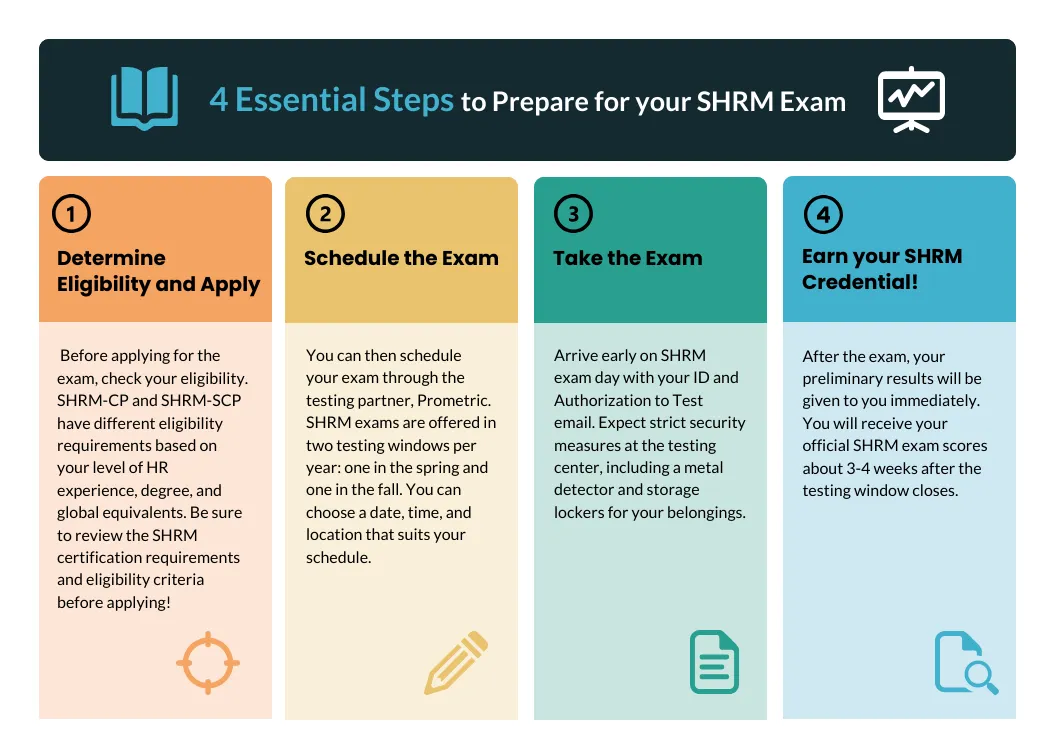
So, Who Gets to Play? Understanding Eligibility
Source : examedge.com
Okay, so you’re sold. You want the shiny credential. But hold your horses. SHRM doesn’t just hand these out. There are actual hoops you need to jump through. And yeah, they’re specific.
The SHRM-CP vs. SHRM-SCP Divide
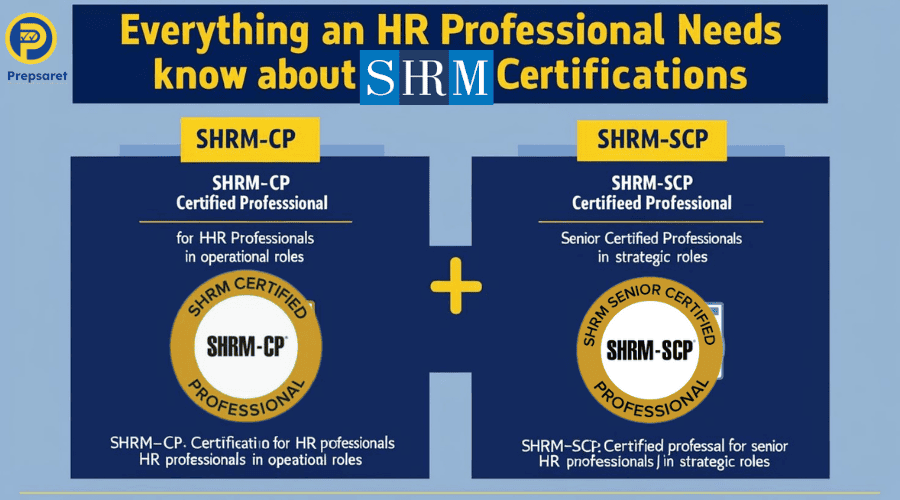
First things first: which one is for you? The SHRM-CP is generally for those earlier in their HR careers, focusing more on the tactical and operational aspects. Think day-to-day HR functions.
Then there’s the SHRM-SCP. This one’s for the seasoned pros, the strategic thinkers. It’s about designing and implementing HR strategies that Match with the business’s overall goals. Big picture stuff.
Choosing the right one is Key. It ensures you’re preparing for the exam that actually matches your current role and future aspirations.
Meeting the Experience & Education Thresholds
This is where things get real. SHRM has specific requirements regarding your HR experience and your educational background. They want to see you’ve put in the time and have a solid foundation.
You’ll need to demonstrate a certain number of years of professional HR experience. The exact number depends on your degree. A bachelor’s degree might require more years of experience than a master’s, for instance. It’s all laid out pretty clearly, but you gotta read it.
Don’t guess here. Head over to the official SHRM site. They’ve got a detailed breakdown of the eligibility criteria for both certifications. Seriously, bookmark this: SHRM Certification Eligibility. It’s your bible for this part.
The “HR Experience” Definition – What Counts?
Now, what exactly constitutes “HR experience” in SHRM’s eyes? It’s not just answering phones in the HR department. They’re looking for experience in specific HR functional areas.
This includes things like compensation and benefits, employee relations, talent acquisition, learning and development, and HR strategy. You need to have spent a significant chunk of your career actually doing HR work, not just managing people who do HR.
They want to see depth. Your application will ask you to detail your responsibilities and the HR competencies you’ve applied. Be honest, but also be thorough. Don’t undersell your valuable HR experience.
The Application Process: Don’t Mess This Up
So, you meet the criteria. Great. Now comes the paperwork. And let me tell you, this isn’t a five-minute online form. It requires attention to detail. A lot of it.
Creating Your SHRM Account and Starting the Application
First step? Get yourself an account on the SHRM website. This is your gateway to everything. Once you’re logged in, you’ll find the certification application section.
Take your time here. Seriously. Read every instruction. Double-check everything. This isn’t the place to rush or make assumptions. A mistake here could set you back months.
Detailing Your HR Experience and Education
This is the meat of the application. You’ll need to list your previous employers, your job titles, dates of employment, and, most importantly, a detailed description of your HR responsibilities for each role.
Be specific. Use action verbs. Quantify your achievements where possible. Did you reduce employee turnover by X%? Did you implement a new onboarding program that improved retention? Spill the beans. Your application needs to shine.
Similarly, you’ll need to provide details about your educational background. Transcripts might be required, depending on your situation. Make sure all the dates and degrees are accurate.
Submitting and Awaiting Approval
Once you’ve filled out every single field, cross-referenced every date, and proofread until your eyes water, it’s time to hit submit. Deep breaths.
After submission, SHRM reviews your application. This can take some time. They’re verifying your experience and education. Patience, grasshopper. This is the waiting game. You’ll get a notification once your application is approved, which then allows you to schedule your exam. This approval process is critical.
Choosing Your Certification Path: SHRM-CP or SHRM-SCP?
Source : prepsaret.com
We touched on this briefly, but let’s really dig into the decision between the SHRM-CP and the SHRM-SCP. It’s not a minor choice; it dictates your entire study focus.
The SHRM-CP: For the Tactical HR Pro
The SHRM-CP is your go-to if you’re deeply involved in the day-to-day operations of HR. Think executing policies, managing employee relations issues, handling benefits administration, and recruitment.
It’s about applying HR knowledge in specific situations. You’re the one on the ground, making sure things run smoothly. Your focus is often on the how.
It’s perfect for HR Generalists, HR Specialists, and those in Coordinator roles. It validates your hands-on HR expertise.
The SHRM-SCP: For the Strategic HR Leader
Now, the SHRM-SCP. This is for the architects of HR. You’re not just executing policies; you’re developing them. You’re aligning HR initiatives with the company’s long-term vision.
This certification tests your ability to analyze the bigger picture, understand organizational goals, and craft HR strategies that drive business success. It’s about the why and the what’s next.
If you’re an HR Manager, Director, VP, or C-suite executive focused on strategic impact, the SHRM-SCP is likely your target. It signifies strategic HR leadership.
How to Make the Right Choice for YOU
So, how do you pick? Honestly, look at your current role and where you want to be in five years. Does your daily work lean towards tactical execution or strategic planning?
Consider your experience too. While SHRM has minimums, your actual day-to-day responsibilities are the best indicator. Are you designing programs or implementing them? Be honest with yourself.
Don’t just pick the “higher” one to seem more impressive. Choose the one that accurately reflects your current capabilities and future career trajectory. It makes the studying far more relevant and effective.
So, you’re thinking about diving into the world of SHRM certification. Awesome move.
But let’s cut to the chase. Getting that SHRM-CP or SHRM-SCP isn’t just about passing a test; it’s about proving you’ve got the chops.
We’re going to break down the nitty-gritty, the stuff they don’t always shout from the rooftops.
Ready to get serious about this? Good. Because I am.
What Are The Eligibility Requirements For Shrm-Cp Certification
Source : shrm.org

First things first. You can’t just wake up and decide to get SHRM certified. There are hoops to jump through. Think of it like needing a certain number of credit hours before you can even sign up for your major exams in college.
Experience vs. Education: The Great Divide
This is where it gets real. SHRM wants to see that you’ve actually done the work, not just read about it. They have specific criteria, and you’ve gotta meet them.
For the SHRM-CP, you’re generally looking at needing either a bachelor’s degree plus some solid HR experience, or a master’s degree with a bit less experience. It’s all about balancing what you’ve learned academically with what you’ve lived day-to-day.
If you’re rocking a bachelor’s, you’ll need at least a year of professional HR experience. Yep, just one year. Sounds easy, right? But it needs to be professional HR work. Internships? Not quite the same.
Now, if you’ve got a master’s degree, the game changes slightly. You might be able to get in with as little as six months of experience. It’s SHRM’s way of saying, “Okay, you’re clearly dedicated, we’ll give you a slight pass on the time.
The “HR Experience” Definition: What Counts?
This is where people get tripped up. What exactly is “professional HR experience”? It’s not just filing papers or ordering coffee for the HR department. SHRM has a specific definition.
It means work where you’re actively involved in core HR functions. Think things like employee relations, compensation and benefits administration, talent acquisition, learning and development, HR strategic planning, and compliance. Basically, you’re doing the heavy lifting, not just administrative support.
You need to be able to demonstrate that you’ve applied HR knowledge and competencies in your role. It’s not just about being in an HR department; it’s about being in HR.
HR Knowledge: The Foundation You Need
Beyond just the time spent, you need a certain level of HR knowledge. This is where your education comes in, or if you don’t have a formal degree, significant experience can substitute.
SHRM basically breaks down HR into different knowledge areas. You need to have a good grasp of these. If your background is super niche, say only in payroll, you might struggle without broadening your understanding.
The certification process is designed to test your ability to apply HR principles across the board. So, don’t just focus on one tiny aspect of HR; make sure you’re well-rounded.
The Application Process Itself
Once you think you meet the criteria, there’s the actual application. This isn’t a quick form. You’ll need to detail your work experience and education. Be honest and accurate. They can and do verify this stuff.
It’s a detailed process that requires you to showcase your HR journey. Get ready to explain your roles and responsibilities clearly. Your ability to articulate your experience matters.
You can find the full breakdown and application details directly on the SHRM certification website. Don’t guess; go straight to the source.
How Much Does The Shrm Certification Exam Cost
Source : prepsaret.com
Watch: Get SHRM Certified in 2025
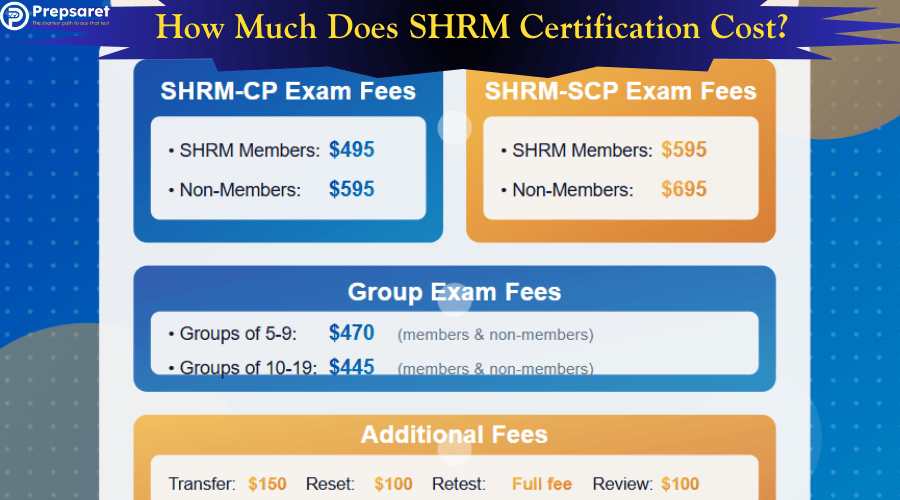
Alright, let’s talk money. Because let’s be real, nobody gets certified for free. The SHRM certification exam cost is a significant factor for many people.
It’s not a single, simple price tag. It depends on a few things, and you’ve got to factor in more than just the exam fee itself.
The Core Exam Fees: Member vs. Non-Member
This is the big one. The actual cost to sit for the exam. And surprise, surprise, being an SHRM member gets you a nice discount. It’s a pretty common tactic, right?
For the SHRM-CP exam, if you’re an SHRM member, you’re looking at a fee of around $300-$400. If you’re not a member? That price jumps up significantly, often by $100 or more. Ouch.
The SHRM-SCP exam generally costs a bit more than the SHRM-CP. Members might pay somewhere in the $400-$500 range, while non-members will shell out considerably more. It’s definitely worth considering membership if you’re serious about this.
Retake Fees: When Things Don’t Go As Planned
What if you don’t pass on the first try? It happens. People prepare, they take the exam, and sometimes they miss the mark. SHRM has fees for that, too.
If you need to retake the exam, there’s a specific fee for that. It’s not usually as high as the initial exam fee, but it’s certainly not pocket change either. Expect to pay a couple of hundred dollars for a retake.
This is why solid preparation is absolutely key. You want to nail it the first time to avoid these extra costs. Every dollar counts, right?
Study Materials: The Hidden Costs
This is where the budget can really balloon. The exam fee is just the ticket to the dance; the real investment often comes in preparing for it.
Official SHRM learning systems, prep courses, practice exams, books – they all add up. These can range from a couple of hundred dollars for basic materials to well over a thousand for Full courses and boot camps. It’s a huge range.
Don’t forget about potential travel costs if you have to go to a testing center, or even just the cost of taking time off work to study or take the exam. It’s a whole package deal.
Late Application Fees: Don’t Miss Your Window!
SHRM has specific application windows. Miss them, and you might be able to apply late, but guess what? It’ll cost you extra. It’s a penalty for procrastination, plain and simple.
These late fees aren’t trivial. They can add another $75 to $100 onto your total cost. So, mark your calendar and get that application in on time. Seriously, set reminders.
Here’s a rough breakdown:
| Item | SHRM Member Cost (Approx.) | Non-Member Cost (Approx.) |
|---|---|---|
| SHRM-CP Exam Fee | $375 | $475 |
| SHRM-SCP Exam Fee | $475 | $575 |
| Retake Fee | $250 – $300 | |
| Late Application Fee | $100 | |
| Full Study Materials | $500 – $1500+ | |
Best Shrm Learning System Study Materials For Beginners
Source : learningsystem.shrm.org
Okay, so you’ve decided to go for it. Now, what do you actually use to study? This is Key. You don’t want to waste time on stuff that won’t help you pass.
For beginners, the sheer volume of HR knowledge can be overwhelming. Having a structured approach is your best friend. Don’t just wing it.
The Official SHRM Learning System: The Gold Standard
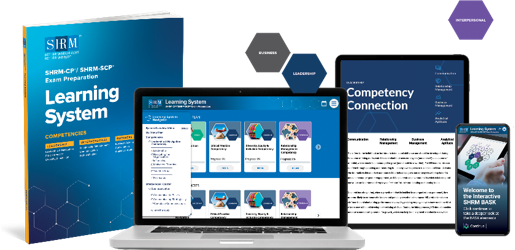
Let’s start with the obvious. SHRM’s own learning system is designed specifically for this exam. It’s like getting the study guide directly from the source.
It breaks down the SHRM Body of Knowledge (BOK) into manageable chunks. You get readings, online modules, practice questions, and even flashcards. It’s Full, often covering everything you need.
This is probably the most recommended resource. Why? Because it’s built by the people who created the test. It aligns directly with what they expect you to know. It’s not always the cheapest option, but it’s usually the most effective for getting a solid foundation.
Third-Party Prep Courses: The Intensives
If the self-study route feels a bit lonely or you need more structure, there are tons of third-party prep courses. Think of these as cram sessions on steroids.
Companies offer live online classes, recorded lectures, intensive boot camps, and personalized coaching. They often supplement the official material with their own tips and tricks for tackling the exam format.
Some people swear by these because they provide accountability and direct access to instructors who can answer specific questions. They can be pricey, but if they help you pass faster, it might be worth it.
Practice Exams: Your Reality Check
This is non-negotiable. You absolutely need to take practice exams. Lots of them.
Why? Because they simulate the actual test environment. You get used to the question style, the time pressure, and identifying your weak areas. It’s the best way to gauge your readiness.
Many of the official and third-party study materials include practice questions or full-length exams. Use them religiously. Don’t just do them once; review your answers, understand why you got them wrong, and study those areas more.
Flashcards and Mobile Apps: On-the-Go Learning
For those moments when you have a spare five minutes – waiting in line, on your commute – flashcards are gold. You can create your own or use digital ones.
Many apps are available now that offer SHRM certification practice questions and vocabulary builders. They’re great for reinforcing concepts and memorizing key terms.
This is perfect for filling those small pockets of time throughout your day. Consistent, short bursts of studying can be incredibly effective. Just don’t rely on these alone; they’re supplementary.
How Long Does It Take To Prepare For Shrm Certification
Source : hrjetpack.com
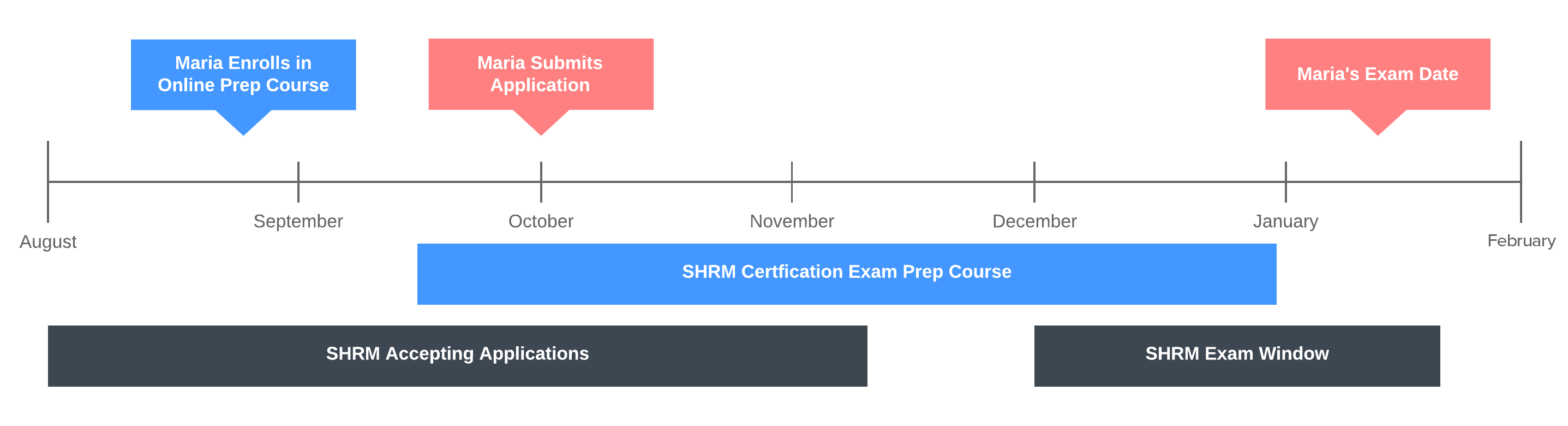
This is the million-dollar question, right? How much time do I really need to dedicate to this? The honest answer? It depends.
There’s no magic number. It’s not like saying “it takes two weeks to learn to bake a cake.” Your background, your study habits, and how much time you can realistically commit all play a massive role.
Your Current HR Knowledge Base
Are you a seasoned HR pro with 10 years under your belt, having touched every aspect of the profession? Or are you relatively new, maybe with a couple of years in a specific HR function?
If you’ve got a broad and deep understanding of HR already, you might need less time just to learn the material. You’re essentially reviewing and refining your knowledge and getting used to the SHRM way of thinking.
If you’re newer, you’ll likely need more time to absorb the concepts, learn new terminology, and understand areas outside your immediate experience. This is where dedicated study time is Key.
Study Methods and Intensity
How are you studying? Are you diving into the official SHRM Learning System for a few hours each week? Or are you enrolled in an intensive weekend boot camp?
Self-paced study requires discipline. You need to set a schedule and stick to it. This could mean dedicating 5-10 hours a week for several months. For many, this approach takes anywhere from 3 to 6 months.
Boot camps or highly structured courses might condense the learning into a few weeks, but they demand a significant time commitment during that period. You’re essentially immersing yourself.
The Time Commitment Per Week
This is a biggie. Can you realistically set aside 10 hours a week for studying, or are you struggling to find 3? Your available time directly impacts the timeline.
Someone studying 10 hours a week might be ready in 3 months. Someone studying 3 hours a week might need 6 months or even longer.
It’s all about consistency. Studying for 1 hour every day is often more effective than cramming for 7 hours on a Saturday. Find a rhythm that works for your life.
Typical Preparation Timelines
Based on feedback and common experience, most people find they need anywhere from 100 to 200 hours of dedicated study time.
If you average 5 hours a week, that puts you in the 20-40 week range (that’s 5 to 10 months). If you can push it to 10 hours a week, you might be looking at 10-20 weeks (about 3 to 5 months).
Remember, this is preparation for the exam. It doesn’t include the time it takes to meet the eligibility requirements.
Here’s a snapshot:
- For the SHRM-CP: Typically 3-6 months of consistent study, averaging 5-10 hours per week.
- For the SHRM-SCP: Often requires a bit more time due to its strategic focus, perhaps 4-7 months, averaging 7-12 hours per week.
Shrm-Cp Vs Phr Certification Which Hr Cert Is Better
Source : reddit.com
Okay, let’s clear something up. SHRM-CP and PHR aren’t really competing directly. They serve different purposes and cater to different career stages. It’s less about which is “better” and more about which is “better for you right now.
Think of it like this: One is a strong foundation, and the other is a more advanced build. Both are valuable.
PHR: The Foundational Credential
The PHR (Professional in Human Resources) from HRCI is generally considered the foundational HR certification. It’s designed for professionals who are involved in the tactical day-to-day operations of HR.
You typically need a bachelor’s degree and at least one year of professional HR experience to be eligible, or a master’s degree and six months of experience. The focus is on HR best practices and operational execution.
It’s a great starting point for many HR professionals looking to validate their knowledge and step up their career. If you’re managing specific HR functions, this is often a solid choice.
SHRM-CP: The Competency-Based Approach
The SHRM-CP is SHRM’s certification for early to mid-career HR professionals. It emphasizes the application of HR knowledge through behavioral competencies.
As we discussed, eligibility often requires a bachelor’s degree and at least a year of experience, or a master’s degree and six months of experience. The key differentiator here is the focus on how you apply HR principles strategically.
It tests your ability to understand and implement HR strategies that contribute to organizational goals. It’s about being more than just operational; it’s about being a strategic partner.
SHRM-SCP: The Strategic Powerhouse
Then there’s the SHRM-SCP (Senior Certified Professional). This is SHRM’s credential for senior-level HR professionals who develop and execute HR strategies.
Eligibility here is higher: typically a master’s degree and four years of experience, or a bachelor’s degree and five years of experience, with at least two years in a strategic role. This certification is about the big picture, organizational leadership, and driving change.
So, if you’re aiming for senior leadership, this is the one. It’s more about foresight, analysis, and leading the HR function at a high level.
Which One Should YOU Choose?
It boils down to your career goals and current level of experience.
- For early-career HR professionals focused on tactical tasks: PHR or SHRM-CP might be your first step. Many consider SHRM-CP to be a step up from PHR due to its competency focus.
- For mid-career professionals looking to move into strategic roles: SHRM-CP is a strong contender.
- For experienced HR leaders and strategists: SHRM-SCP is the clear choice.
Both SHRM and HRCI certifications are respected. But SHRM has really pushed its competency-based model, which many feel is more aligned with modern HR practices. It’s about proving you can do the job, not just that you know the definitions.
Frequently Asked Questions
What is the difference between HR and SHRM?
Because SHRM is an organization, and HR is the function. Think of it like this: SHRM certification is your stamp of approval, proving you know your stuff in the human resources field. HR, or human resources, is the actual department or the work itself – managing employees, policies, and all that jazz. So, SHRM certifies you in HR. It’s a Key distinction!
Is SHRM certification worth the cost?
Absolutely, if you’re serious about your HR career path. Yes, there’s an exam fee and study materials, which can add up. But honestly, the boost in salary potential and career advancement opportunities often outweighs the initial investment. I’ve seen colleagues land promotions they wouldn’t have gotten without that SHRM credential. It’s a solid career move.
How difficult is the SHRM certification exam?
It’s no walk in the park, that’s for sure. The SHRM-CP exam and the SHRM-SCP exam are designed to test your knowledge across a broad spectrum of HR competencies. You’ll need to really buckle down and study. It demands more than just rote memorization; you need to understand how to apply HR principles in real-world scenarios. But with a solid study plan, it’s totally doable.
What are the eligibility requirements for SHRM certification?
They’ve got a few paths depending on your experience and education. Generally, you’ll need a certain number of years working in a professional HR role, plus a bachelor’s degree for one tier, or more experience if you don’t have a degree. You can’t just waltz in; you have to meet specific criteria to even sit for the exam. Best to check their official site for the exact breakdown – it’s laid out pretty clearly there.
Can I get SHRM certified without a degree?
You bet. While a degree can shorten the experience requirement, SHRM offers pathways for those without a formal bachelor’s degree. You’ll need more years of hands-on HR experience to qualify, but it’s definitely possible. They recognize that valuable experience trumps a diploma for many folks in the HR world. It opens doors for a lot of us.
