How To Get K9 Search And Rescue Dog Handler Certified: The Real Deal
So, you think you’ve got what it takes to be a search and rescue dog handler? It’s not all Hollywood drama and heroic rescues, folks. This gig demands serious commitment, a dog with a brain, and a handler tougher than old boots. It’s a marathon, not a sprint. Seriously. This isn’t your average obedience class; it’s about saving lives.
Let’s cut to the chase. You want to get your K9 certified for search and rescue. Good. That means you’re ready for the nitty-gritty. Forget the fluffy stuff; we’re talking sweat, tears, and a whole lot of slobber. This whole process is about building a rock-solid partnership. It’s more than just a job; it’s a calling.
The Raw Truth About SAR K9 Certification

Source : greatbasink-9sar.org
It’s a Grind, Not a Glamour Shot
Most people see the end result: the dog finding someone, the handler getting praised. What they don’t see is the endless training sessions. The early mornings. The weather conditions that would make a polar bear shiver. It’s a full-time commitment, even if it’s not your full-time paycheck.
Your Dog’s Drive is Everything
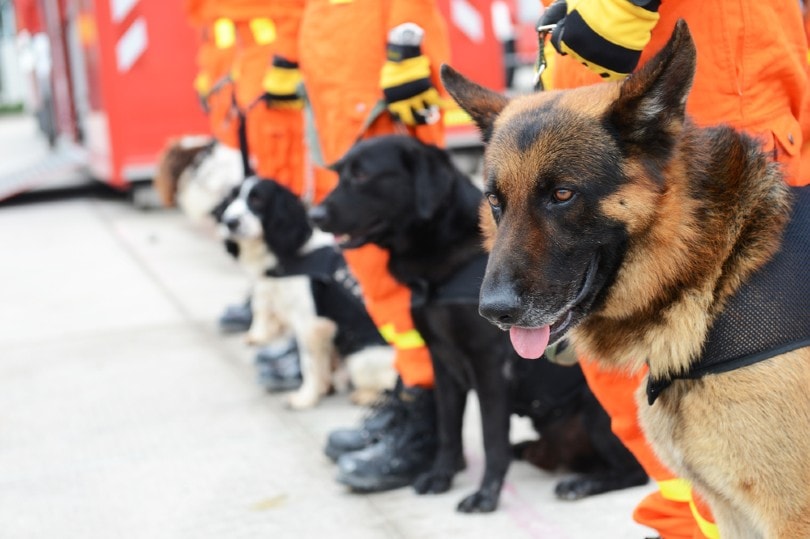
You can’t make a dog want to do this. They have to have the natural inclination, the drive. Think about a kid who just loves solving puzzles. That’s what you need in a SAR dog. They need to be smart, agile, and incredibly focused. Without that intrinsic motivation, you’re fighting an uphill battle you’ll likely lose.
Source : dogster.com
Handler Skills: More Than Just a Leash Holder
You’re not just walking a dog; you’re Handling dangerous terrain, interpreting canine behavior under stress, and making critical decisions. You need to be physically fit, mentally sharp, and emotionally resilient. A handler’s skill set is just as important as their dog’s.
Choosing the Right Breed (And Personality!)
The Usual Suspects Aren’t Always the Best
Sure, you see a lot of German Shepherds and Belgian Malinois. They’re great, no doubt. But don’t discount other breeds or mixes. What matters more is the individual dog’s drive, temperament, and trainability. That labrador mix with insane prey drive? Might be your ticket.
Temperament is King
You need a dog that’s confident, not fearful. Socially sound, able to handle crowds and strange environments without freaking out. They need to be able to work independently when needed but also listen to you. A nervous dog or one that’s overly aggressive is a liability, plain and simple.
Health Matters – A Lot
These dogs put their bodies through hell. Hip dysplasia, joint issues – these can sideline your dog fast. You need a dog with good genetics and a clean bill of health. Regular vet check-ups are non-negotiable. A healthy dog is a working dog.
The Rigorous Training Path You MUST Follow
Foundation Obedience: The Bedrock
Before you even think about scent work, your dog needs impeccable obedience. Off-leash control is Top. They need to respond to commands instantly, no excuses. This isn’t about tricks; it’s about reliable communication in high-stress situations.
Introduction to Scent Work
This is where the magic starts. You’ll learn how to Use your dog’s natural scenting ability. It’s a gradual process, starting with simple scent discrimination and moving towards area searches. You’re teaching them to find things, and eventually, people.
Specialization: Where the Rubber Meets the Road
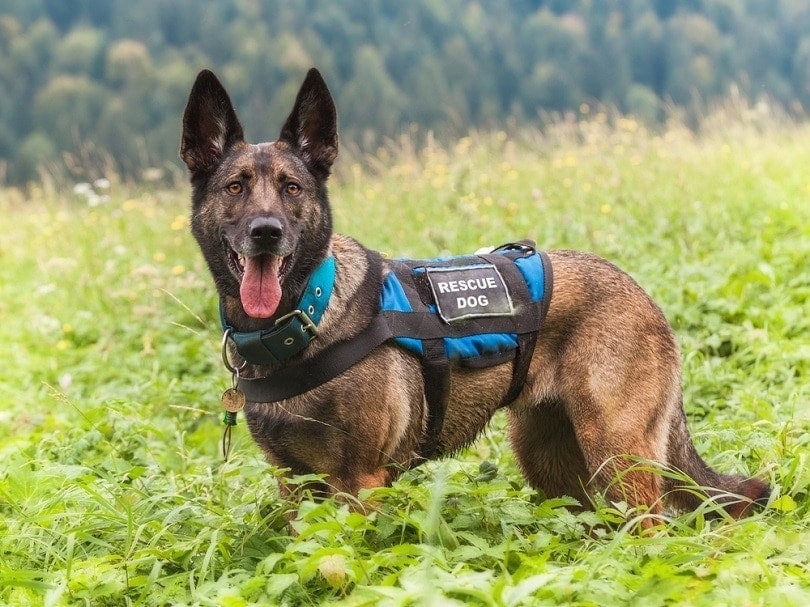
Different SAR disciplines require different skill sets. Are you going for wilderness search, urban tracking, disaster, or cadaver? Each has its own specific training protocols and certification requirements. You can’t be a jack of all trades here and expect to pass.
Source : dogster.com
Handler Skills Training: It’s About YOU Too
This isn’t just about dog training. You’ll learn map and compass navigation, wilderness survival basics, first aid, incident command system (ICS) principles, and how to manage search operations. You need to be a competent rescuer yourself. Check out resources like Ohio Special Response Team for insights on the handler’s role.
Understanding Certification Bodies and Standards
The Big Players in K9 SAR
There isn’t one single, overarching certification for all SAR dogs. Different organizations set their own standards. Think National Search Dog Alliance (NSDA), FEMA, state-level agencies. Each has specific tests and requirements. Getting certified by a reputable group is key.
National Search Dog Alliance (NSDA) Explained
The NSDA is a well-respected organization. Their certification process is thorough. They focus on scent discrimination, area searches, and other critical skills. Understanding their specific requirements is Key if you plan to test with them. Visit NSDA’s certification page to see their standards.
FEMA Standards: The Gold Standard for Disasters
If your goal is to work FEMA disaster calls, you’ll need to meet their stringent standards. These are incredibly demanding tests, often involving rubble piles and complex scenarios. It requires a high level of expertise from both dog and handler.
State and Local Certifications
Many states have their own SAR programs and certification processes. These can be a great starting point and often Match with broader national standards. Sometimes, local agencies work closely with national bodies. It’s worth investigating your specific region.
The Actual Certification Test: What to Expect
It’s Not Just One Test
Certification isn’t usually a one-and-done event. It often involves multiple assessments over time. You might need to pass initial obedience, then scent work, then a full field test. It’s designed to Make sure proficiency under pressure.
Watch: How to become a K9 Detection Dog Handler
Field Test Scenarios
Expect realistic scenarios. This could be a large wilderness area search for a “lost subject” over several hours, or an urban scent detection test in a complex environment. They’re looking for your dog’s ability to work scent, your ability to read your dog, and your navigation skills.
Common Failure Points
Dogs can fail for lack of interest, distraction, or inability to locate the scent source. Handlers can fail for poor communication with their dog, lack of Needed field skills, or inability to follow established search procedures. Consistency is key.
Needed Gear for the Handler-K9 Team
Your Dog’s Working Vest and Gear
A good quality, well-fitting K9 working vest is Needed. It carries water, the leash, and sometimes even basic first aid. Don’t forget durable, comfortable harnesses and leashes. Multiple leashes of varying lengths are a good idea. High-value training treats are a must, always!
Handler’s Survival Kit
You need a Strong pack. Think map, compass, GPS, reliable communication (two-way radios), headlamp, first-aid kit (for you and the dog), extra water and food, emergency shelter, and a whistle. Being prepared for anything is part of the job.
Weather-Appropriate Clothing
You’ll be out in all conditions. Waterproof and breathable outer layers are critical. Good broken-in hiking boots are non-negotiable. Layers are your best friend. You need to be comfortable enough to focus on the task, not your chattering teeth.
Building Your SAR Network and Finding Mentors
Join a Reputable SAR Team
This is Key. Find a local, established SAR team. They will provide structured training, access to experienced handlers, and the opportunity to participate in training exercises. This is where you’ll learn the ropes from the ground up.
The Power of Mentorship
Seek out experienced handlers. Learn from their successes and their mistakes. A good mentor can guide you, offer constructive criticism, and help you navigate the complexities of SAR. They’ve been there, done that.

Source : nek9sar.org
Continuous Training and Drills
Certification is just the beginning. SAR requires constant practice. Participate in regular drills, workshops, and cross-training opportunities. The skills need to stay sharp. Online resources like Team Solutions SAR Training can supplement your hands-on work.
The Lifelong Commitment of a SAR Handler
It Never Really Ends
Once certified, the work doesn’t stop. Maintaining your certification often requires ongoing training hours and re-testing. Plus, the world changes; new techniques emerge, and you need to stay current. Continuous learning is mandatory.
The Emotional Toll
You will face difficult situations. Sometimes, you won’t find the person, or you’ll find them too late. Learning to cope with the emotional aftermath is a massive part of being a SAR professional. Support systems are Key.
The Reward: Making a Difference
Despite the challenges, the satisfaction of helping others, reuniting families, and making a tangible difference in someone’s darkest hour is profound. It’s why dedicated handlers and their incredible K9 partners keep going. It’s about serving the community.
Frequently Asked Questions
How much does it cost to get CCPDT certified?
Because costs can really vary, but generally expect to shell out anywhere from $300 to $600 for the exam and application fees with the CCPDT. Sometimes there are extra costs for study materials or practice exams, so budget a little extra just in case.
What is the 3 3 3 rule for rescue dogs?
But the 3-3-3 rule is more of a guideline for helping your new rescue dog adjust. It means roughly 3 days to decompress, 3 weeks to start to learn routines and feel secure, and 3 months to really feel at home. Patience is key with these amazing rescue dogs.
How to become a certified K9 handler?
To become a certified K9 handler, you typically need to complete specialized training programs, gain experience working with dogs, and pass rigorous certification exams. Many handlers also have a background in law enforcement or search and rescue operations. It’s a serious commitment!
What’s the highest K9 handler pay?
But the highest pay for a K9 handler can vary wildly depending on the agency, location, and specific role. Think anywhere from $50,000 to $100,000+ aually, especially for highly specialized roles in federal agencies or private security. Experience and unique skills really boost that K9 handler pay.
What kind of training do SAR dogs need?
Because SAR dogs, like those for search and rescue, need extensive, specialized training. This includes scent discrimination, agility, obedience, and specific search patterns for different environments (like wilderness or disaster). It’s super intensive and requires a strong bond with their handler.
