Is Online CPR Certification Actually Valid for Healthcare Pros? Let’s Get Real.
So, you’re a healthcare worker, or maybe you’re trying to break into the field. You see these online CPR certifications popping up everywhere, promising a quick, cheap fix. But the big question is: will that little card you print out actually hold water when it comes to your job? It’s a bit of a minefield, honestly, and a lot of folks get tripped up by the marketing hype. Don’t get caught with your pants down when your employer asks for valid credentials.
We need to talk about what “valid” even means in this context, because it’s not as simple as just clicking through a few modules. It’s about patient safety, it’s about regulatory bodies, and frankly, it’s about having skills you can actually use when the chips are down. Let’s cut through the noise and figure out what you really need.
The Core Issue: Hands-On Skills vs. Theory
Source : cprvam.com
Look, anyone can read a book or watch a video about CPR. It’s the practical application that truly matters. Can you perform effective chest compressions? Do you know how to use an AED? These aren’t things you can master staring at a screen. The real life-or-death scenarios demand muscle memory and confident execution, not just theoretical knowledge. It’s like learning to swim by reading about it – you’re just not going to be ready when you hit the water.

Source : icpri.com
Why Employers Demand Practical Assessment
Your employer, especially in a healthcare setting, isn’t just checking a box for compliance. They need to know, with absolute certainty, that you can perform life-saving procedures under pressure. A purely online course might teach you the steps, but it can’t assess your actual ability to deliver effective compressions or manage an airway. They are liable if something goes wrong, and they need proof of real-world competency, not just quiz-passing ability.
The Role of Regulatory Bodies
Major organizations like the American Heart Association (AHA) and the American Red Cross have historically emphasized hands-on training for a reason. Their guidelines are often the Standard that employers and regulatory bodies rely on. While things are evolving, the core principle of verified, practical skill demonstration remains Top for these critical healthcare roles. They’ve seen what happens when skills aren’t honed in person.
The “Why” Behind the Traditional Model
It: CPR isn‘t just about memorizing steps. It’s about rhythm, force, rate, and adapting to different situations. A certified instructor needs to watch you, correct your technique, and Make sure you’re performing at a level that meets established standards. This direct feedback loop is absolutely Key for building the confidence and competence needed in an emergency. You can’t get that from a video. It’s why in-person training has been the gold standard.
Decoding the “Valid” Certificate Field
The term “valid” gets thrown around a lot, and it’s deliberately vague sometimes. What one place accepts as valid might be completely useless for another. It depends entirely on the specific requirements of the institution, the state regulations, and the accrediting body that oversees your profession. A certificate that’s fine for a volunteer position might not cut it for a registered nurse. You need to know who is setting the standard for your specific situation.
Employer-Specific Requirements
Hospitals, clinics, and even individual private practices often have their own internal policies regarding CPR certification. Many will explicitly state that they require a certification that includes a hands-on skills check from an approved provider. It’s always best to check with your HR department or supervisor directly. Don’t assume; verify what your specific workplace deems acceptable. They are the ones signing your paychecks, after all.
Source : redcross.org
State and Federal Regulations
Certain states or specific healthcare professions might have mandated requirements for CPR certification. These regulations are often tied to licensure or scope of practice. For instance, requirements for emergency medical technicians (EMTs) are typically very strict, often demanding specific courses from recognized training centers. Failing to meet these can mean losing your license or ability to practice. Understanding state licensing board rules is non-negotiable.
Accreditation and Training Providers
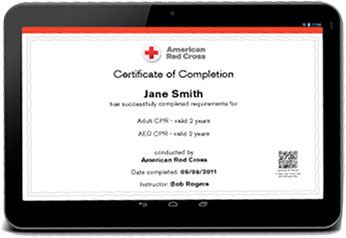
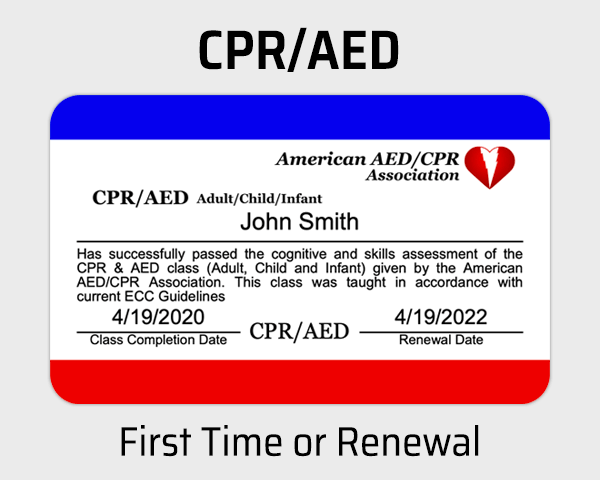
The issuing organization matters. Are they recognized? Do they adhere to current guidelines? Providers like the American Heart Association and American Red Cross are widely accepted. Other organizations might be too, but you need to Make sure they are accredited and their curriculum meets the necessary standards. A certificate from a less-known online entity might be technically “valid” by their own definition, but utterly rejected by a hospital. Always look for recognized training providers.
The Rise of Blended Learning: The Best of Both Worlds?
Now, things are changing. We’re seeing more and more “blended learning” options. This approach combines the convenience of online modules for the theoretical part – the videos, the quizzes, the reading – with a mandatory, in-person component for the hands-on skills assessment. This hybrid model has become increasingly popular and is often accepted by employers because it still ensures practical competency. It’s a good compromise.
Online Theory + In-Person Skills Check
With blended learning, you complete the didactic portion of the CPR course online at your own pace. Then, you schedule a separate, shorter session at a training center to demonstrate your practical skills to a certified instructor. This way, you get the flexibility of online study without sacrificing the Needed hands-on evaluation. Many healthcare facilities are now specifically looking for or recommending this blended CPR certification format.
What to Look for in a Blended Program
When choosing a blended program, make sure the provider clearly outlines both the online and the in-person components. You need to confirm that the skills session is conducted by a qualified instructor and that the certification issued meets the requirements of your employer or licensing board. Don’t just assume “blended” means “accepted.” Always verify. Look for specific language about the skills verification component.
Source : aedcpr.com
Is It Truly Equivalent?
For most healthcare roles, a properly executed blended learning program is considered equivalent to a traditional in-person course, provided the hands-on skills check is Strong and conducted by a reputable organization. It addresses the core need for practical competency while offering greater convenience. It’s a significant step up from purely online courses. This model aims to deliver Full CPR training.
When a 100% Online Certification Might Be Okay (Spoiler: Rarely for Healthcare)
Let’s be brutally honest here: for the vast majority of roles within the healthcare industry, a certification that is entirely online, with no in-person skills component, is simply not going to cut it. Think about jobs that involve direct patient care, emergency response, or any position where patient safety is a primary concern. These roles require demonstrable, hands-on proficiency. A fully online CPR certification is typically for non-medical, layperson roles, or as supplementary knowledge.
For Layperson Use and Basic Awareness
If you’re a teacher needing CPR certification for your classroom, a camp counselor, or just a concerned citizen wanting to be prepared for emergencies in your community, a 100% online course might suffice. These situations usually don’t involve the same level of direct patient care or the stringent regulatory oversight found in healthcare. It’s about basic knowledge and intention. For these contexts, online CPR cards can be perfectly acceptable.
The Pitfalls of Deceptive Marketing
Be wary of websites that aggressively market “instant online CPR certification” for healthcare professionals without mentioning any hands-on component. They prey on busy individuals looking for a quick solution. These often lead to certifications that employers will outright reject. It’s a common trap, and you can find discussions about these frequently asked questions online, highlighting the confusion around CPR certification validity. People are searching for answers, and sometimes finding misleading ones.
Healthcare-Specific Needs vs. General Knowledge
The critical difference lies in the scope and responsibility. Healthcare workers are held to a higher standard. They are expected to perform complex procedures under stressful conditions. A purely theoretical understanding isn’t enough. It’s like trying to be a chef after only watching cooking shows; you miss the feel, the taste, the timing. Healthcare demands practical skill mastery, not just theoretical recall.
The Key Hands-On Skills Assessment: What Does It Involve?
So, what exactly happens during that in-person skills check? It’s designed to replicate real-world scenarios. You’ll be assessed on your ability to perform high-quality chest compressions – checking for rate, depth, and proper recoil. Instructors will evaluate your technique with an automated external defibrillator (AED) and assess your proficiency in managing choking or airway obstructions. It’s a direct evaluation of your practical CPR competence.
Performing High-Quality Chest Compressions
This is the heart of CPR. You’ll likely practice on a manikin, and the instructor will be looking for consistent, effective compressions. They’ll check your hand placement, the rhythm of compressions (usually 100-120 per minute), and the depth (at least 2 inches for adults). They’ll also Make sure you’re allowing for full chest recoil between compressions. Proper technique is Key for effective resuscitation efforts.
AED Usage and Airway Management
You’ll also be tested on your ability to use an AED. This includes knowing where to place the pads, following the voice prompts, and when to resume CPR. For courses that include ventilation, you might practice rescue breaths using a barrier device. Airway management skills, like the head-tilt/chin-lift or jaw-thrust maneuver (depending on the context), will also be assessed. This covers the critical steps of emergency care.
Instructor Feedback and Correction
One of the biggest benefits of the in-person component is the immediate, personalized feedback. The instructor can spot subtle errors in your technique that you might not even be aware of. They’ll offer specific guidance and corrections, helping you refine your skills and build confidence. This direct interaction is what truly solidifies your training and ensures you’re ready to act. It’s about expert skill refinement.
Handling Online CPR Courses: A Step-by-Step Guide
Alright, you need to get certified or recertified, and you’re exploring your options. How do you make sure you choose a course that’s actually going to be accepted and, more importantly, equip you with the skills you need? It requires a bit of legwork, but it’s worth avoiding the headache of having a useless certificate. Always do your due diligence before you pay your money. Don’t fall for the first cheap option you see.
Step 1: Check Your Employer/Licensing Board Requirements
This is your absolute first step. Don’t skip it. Contact your HR department, your supervisor, or your state’s professional licensing board. Ask them specifically what type of CPR certification they require. Do they mandate a specific provider (like AHA or Red Cross)? Do they accept blended learning? Or do they require a fully in-person course? Get it in writing if possible. This is the most critical verification step.
Step 2: Identify Approved Training Providers
Once you know the requirements, research providers that meet them. Major organizations like the American Heart Association and American Red Cross offer both in-person and blended learning options. There are also authorized third-party training centers. Look for providers that clearly state their accreditation and the type of training they offer (e.g., “AHA BLS Provider Course with Skills Check”). Verify their credentials online. Searching for accredited CPR providers is key.
Step 3: Understand the Course Format (In-Person vs. Blended)
Based on your employer’s requirements, decide whether you need a traditional in-person class or if a blended learning course will suffice. If opting for blended, Make sure the provider clearly separates the online theory from the required in-person skills session. Read the course descriptions carefully. Make sure you understand the time commitment for both parts. This ensures you select the correct CPR course format.
Step 4: Look for Hands-On Skills Verification
If you choose a blended or online option, the Key element is the verified hands-on skills assessment. Does the course include a separate, in-person skills check with a certified instructor? If not, it’s likely not suitable for healthcare professionals. Many resources, like those found discussing online CPR certification validity, emphasize this point repeatedly. If it sounds too easy, it probably is.
The Truth About Different CPR Training Modalities
Let’s break down the common ways you can get CPR certified. It’s not a one-size-fits-all deal, and understanding the differences is key to picking the right one for your career. Each method has its pros and cons, but for healthcare workers, one type generally stands head and shoulders above the rest when it comes to acceptance and practical skill development. Don’t get confused by the variety; focus on what’s truly required.
Traditional In-Person Classes
This is the classic method. You attend a scheduled class at a training center, learn the material, and perform all skills practice and testing under the direct supervision of an instructor. It’s Full and ensures hands-on proficiency from start to finish. While it requires a fixed time commitment, it’s often the most straightforward way to get a certification that is universally accepted. This is the tried-and-true CPR method.
100% Online Theory Courses
As we’ve discussed, these courses consist solely of reading materials, videos, and online quizzes. You complete everything from your computer. While convenient for learning the theoretical aspects of CPR, they typically lack the Key hands-on skills assessment required for healthcare professionals. They might be suitable for basic awareness or non-medical roles, but are rarely valid for healthcare workers.
Blended Learning: The Modern Standard
This hybrid approach combines the flexibility of online learning for the theoretical content with a mandatory in-person session for the hands-on skills evaluation. It’s designed to offer the best of both worlds: convenience and verified practical competency. For many healthcare roles, this is becoming the preferred and accepted method. It’s efficient and effective, provided the skills check is thorough. This offers flexible CPR training.
Comparison Table: CPR Training Methods
| Training Method | Online Component | In-Person Skills Check | Employer Acceptance (Healthcare) | Pros | Cons |
|---|---|---|---|---|---|
| Traditional In-Person | Minimal (if any) | Yes (Full Course) | High | Full, direct instructor feedback, universally accepted. | Requires fixed schedule, less flexible. |
| 100% Online | Yes (Full Course) | No | Very Low (Generally Not Accepted) | Extremely flexible, can be completed quickly. | Lacks practical skills validation, often rejected by employers. |
| Blended Learning | Yes (Theory Only) | Yes (Skills Session Only) | High (if provider is reputable) | Flexible learning, still includes Needed hands-on assessment. | Requires scheduling two separate components, Make sure provider is approved. |
The Consequences of Non-Compliant Certification
Getting a CPR certification that isn’t accepted by your employer or licensing board isn’t just an inconvenience; it can have serious repercussions for your career. Imagine showing up to your first day, or even worse, after months or years on the job, only to be told your certification is invalid. That’s a professional disaster waiting to happen. It can lead to immediate termination or suspension. Don’t let this happen to you.
Job Offer Revocation or Termination
Many job offers are contingent upon providing valid proof of CPR certification. If you submit a certificate from a program that isn’t recognized, your offer could be rescinded. Similarly, if you’re already employed and your employer discovers your certification is invalid (perhaps during an audit or review), it could lead to disciplinary action, including termination. This is a risk you absolutely cannot afford to take. Job security often hinges on compliance.
Licensure Issues and Professional Standing
For licensed healthcare professionals like nurses, doctors, or paramedics, maintaining current and valid certifications is often a requirement for keeping your license active. If your CPR certification is deemed insufficient, it could jeopardize your license, preventing you from practicing your profession. State boards take these requirements very seriously. It impacts your entire professional career path.
Patient Safety and Ethical Concerns
Beyond the professional ramifications, using an invalid or unverified certification raises significant ethical and patient safety concerns. If you haven’t been properly trained and assessed in CPR, your ability to respond effectively in a critical situation is questionable. This puts patients at unnecessary risk. Healthcare professionals have a duty to Make sure their skills are up-to-date and validated. It’s about upholding the highest standards of care.
Final Thoughts: Prioritize Practicality Over Pure Convenience
Look, I get it. Life is busy. Finding time for in-person classes can feel like a Herculean task when you’re juggling work, family, and everything else. But when it comes to CPR certification for healthcare roles, the convenience of a 100% online course just doesn’t outweigh the necessity of hands-on skills validation. It’s not just about having a piece of paper; it’s about being genuinely prepared to save a life. Prioritize reputable training that includes a verified skills assessment.
Always, always, always check with your employer or licensing body first. They are the ultimate arbiters of what is considered valid. Don’t rely on hearsay or what looks good on a website. Opt for recognized providers and, where possible, blended learning formats that combine online flexibility with Needed in-person practice. Your patients, and your career, depend on it. Make sure your CPR certification is legitimate.
Frequently Asked Questions
Is online CPR certification valid for healthcare workers?
Because it really depends on the certifying organization and the specific requirements of your employer or accrediting body. While some online courses are accepted, many healthcare settings require a hands-on skills component. So, it’s super important to check with your institution or the American Heart Association or Red Cross to be sure.
What is the most widely accepted CPR certification?
But generally, certifications from the American Heart Association (AHA) and the American Red Cross are considered the most widely recognized and accepted. They offer a range of courses, including those specifically for healthcare professionals, and have a strong reputation in the medical community.
What is the difference between CPR and CPR for healthcare providers?
Basically, CPR for healthcare providers (like BLS – Basic Life Support) is more in-depth. It covers single-rescuer and team-rescuer scenarios, different rescue techniques for adults, children, and infants, and the use of AEDs and bag-valve masks. Regular CPR is a great starting point but doesn’t go into that level of detail needed for a professional medical environment.
Can I renew my CPR certification online?
It varies! Some organizations allow online renewal, often with a practical skills test. Others require you to retake the full course, sometimes in person. Always confirm with your certifying body. Renewing with the AHA or Red Cross is usually a safe bet for recognition.
How long does an online CPR certification course typically take?
Because the time can really differ. Some online courses are designed to be completed in just a couple of hours, while others might take longer, depending on the depth of the material. Remember, you might still need to complete an in-person skills session afterwards, so factor that time in too.
What are the benefits of getting CPR certified?
Well, knowing CPR is a critical skill that can save a life! It empowers you to act confidently in emergencies. For healthcare workers, it’s often a mandatory requirement, ensuring you’re prepared to provide immediate care. Plus, it can boost your resume and open up more job opportunities in the medical field.
