So, you’ve got that shiny new CPR certification. Awesome. But now what? Staring at that piece of paper is one thing, but turning it into a legitimate, income-generating business? That’s a whole different ballgame. Forget the sterile classrooms and dry manuals for a second. We’re talking about building something real here, something that actually helps people and, yeah, puts some cash in your pocket. It’s not just about teaching compressions; it’s about building a brand, a service, a reputation. You’ve done the hard part of getting certified, now let’s dive into the nitty-gritty of making this thing fly.
This isn’t some fluffy “dream big” garbage. This is the brass tacks. The real steps. The stuff they don’t always spell out for you when you finish that initial training. We’re going to dissect what it takes to move from “certified individual” to “CPR training entrepreneur.” Buckle up.
From Certified Hero to Business Owner: The Big Leap
The “Why Not Me?” Moment
You’ve seen the need firsthand. Maybe you witnessed a near-tragedy, or perhaps you just know how many people out there aren’t prepared. That spark, that “I could do this better” feeling? That’s your starting pistol. Don’t ignore it. That initial drive is pure gold, the kind of authentic motivation that AI just can’t replicate. It’s what will keep you going when things get tough.
Beyond the Basic Certification
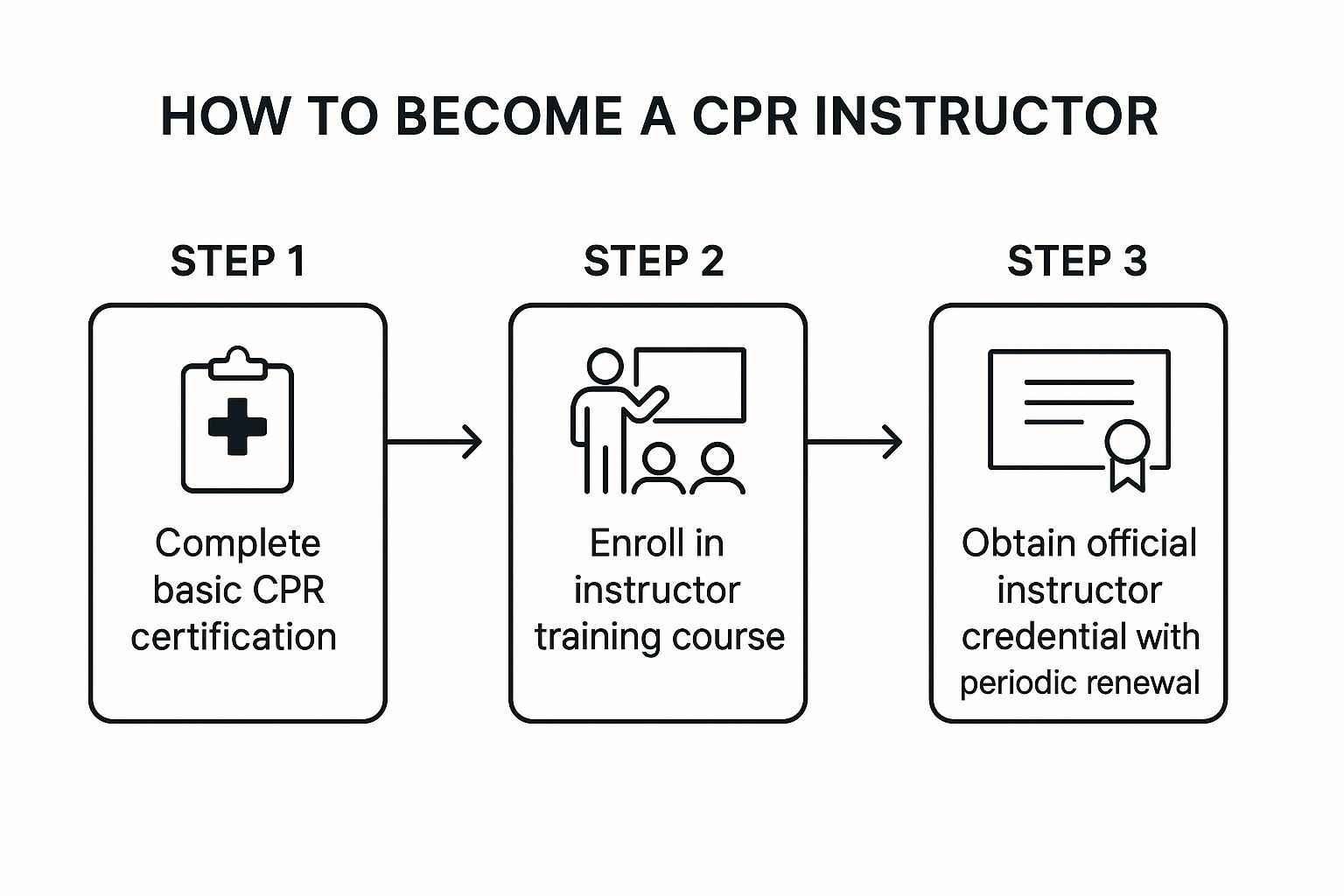
Look, getting your own CPR card is step one. But to teach it? You need to be an instructor. This often means specific instructor courses, sometimes from the same organizations whose cards you’ll be issuing. It’s not just about knowing the material; it’s about knowing how to teach it effectively. Think about the difference between a good teacher and a great one. That’s the chasm you need to bridge.
Understanding the “Business” Part
This is where most people stumble. Certification is the skill. Business is… well, everything else. Permits, insurance, marketing, scheduling, finding venues. It’s a whole ecosystem. If you’re thinking this is just a side hustle you can run from your kitchen table with zero overhead, think again. You need to treat this seriously, like any other small business venture.
Defining Your Niche (It Matters!)
Are you targeting corporate clients? Healthcare professionals? Daycare providers? Just the general public? Each group has different needs, different certification requirements, and different budgets. Knowing your ideal customer is Key for everything from marketing to curriculum. Don’t try to be everything to everyone. It’s a recipe for mediocrity.
Building Your Business Foundation: The Paperwork & Planning
Source : readyresponsepa.com
Choosing Your Instructor Affiliation
This is HUGE. Will you Match with a major organization like the American Heart Association or the American Red Cross? Or are you looking at independent accreditation? Each has its pros and cons. Major affiliations lend immediate credibility and often provide standardized curriculum. But they can also come with fees, strict guidelines, and less flexibility. Researching this early on is critical. For instance, the American Red Cross offers resources for those looking to start a CPR and first aid business, which can be a good starting point to understand their requirements and support systems.
The Legal Structure Lowdown
Sole proprietorship? LLC? S-corp? Don’t just wing this. Each has tax implications and liability protections. An LLC, for example, can shield your personal assets if something goes wrong. Seriously, talk to a lawyer or a business advisor. This isn’t the place to cut corners or guess. Getting this wrong can cost you big time down the road.

Source : abc13.com
Crafting a Bulletproof Business Plan
Yes, even for a “small” business. This isn’t just a document for investors (though it could be). It’s your roadmap. It forces you to think through your services, your pricing, your target market, your competition, and your financial projections. A solid plan, like the ones discussed in starting your CPR side hustle guides, helps solidify your ideas and makes them tangible. It’s about asking the tough questions before you spend money.
Securing Necessary Licenses and Permits
This varies wildly by location. City, county, state – they all have their own rules. You might need a general business license, zoning permits if you plan to operate from a specific location, and potentially specific permits related to educational services. Ignorance isn’t bliss here; it’s a potential fine. Look up your local Small Business Administration (SBA) office; they’re usually a goldmine of information.
Getting the Gear: What You Actually Need
The Needed Manikins and Manikins, Oh My!
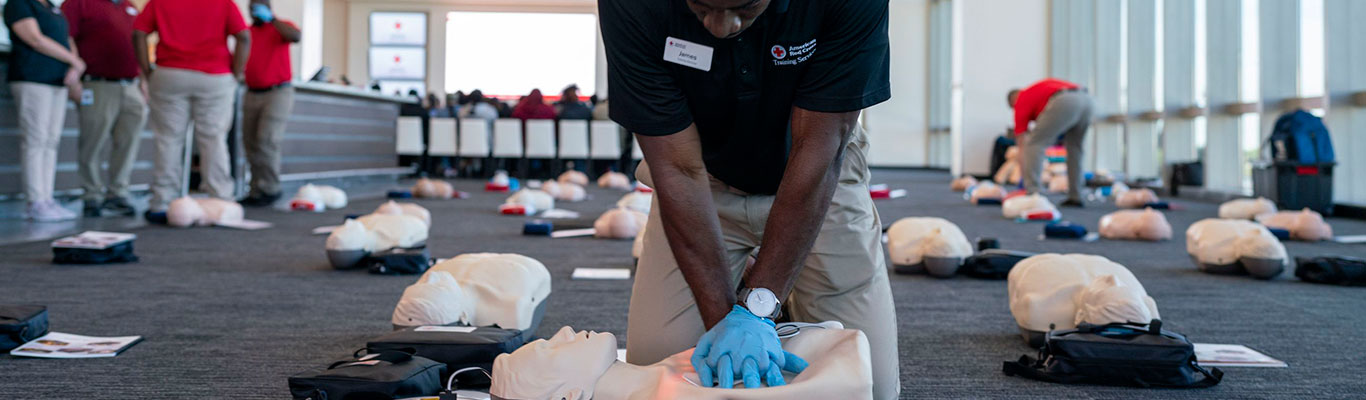
You can’t teach CPR without manikins. And not just one. You’ll need enough for practical, hands-on learning. Consider different sizes – adult, child, infant. Some advanced manikins even offer feedback on compression depth and rate. Quality matters here. Cheap manikins fall apart and don’t provide accurate feedback. Investing in decent equipment upfront saves headaches later.
AED Training Devices are Non-Negotiable
An Automated External Defibrillator (AED) is a critical part of modern CPR training. You absolutely need training AED devices. These aren’t real defibrillators, of course, but they simulate the process, including voice prompts and pad placement. Make sure your training devices are compatible with the curriculum you’re teaching.
Other Key Supplies
Think beyond the big stuff. You’ll need barrier devices (pocket masks or face shields), gloves, cleaning supplies for sanitizing manikins between students, bandages, possibly even role-playing props for scenarios. A good quality laptop and printer are Needed for creating certificates and managing your business. Don’t forget visual aids – maybe a projector or large-screen TV for videos.
Cost-Benefit Analysis of Equipment
Can you afford brand new? Great. Can you? Maybe look at reputable used equipment dealers or leasing options. Factor in maintenance and replacement costs too. The initial outlay can be significant, but remember, this is your core product. Buying cheap here is like a chef buying dull knives. It makes everything harder and the results suffer.
Location, Location, Location: Where Will You Teach?
Operating from a Fixed Location
Do you rent or buy a dedicated training center? This offers professionalism and consistency. Students know where to go. You can control the environment completely. However, it’s the most expensive option upfront and ongoing. You’ll need to consider lease agreements, utilities, and maintenance.
Mobile Training: Bringing It To Them
This is often the most flexible and cost-effective approach, especially when starting out. You pack your gear and go to businesses, community centers, or even people’s homes. The key here is reliable transportation and efficient setup/teardown. It’s a fantastic way to reduce overhead, a point often highlighted in guides about starting your CPR side hustle. This model really shines for corporate clients who prefer training on-site.
Partnerships for Space
Could you partner with gyms, community centers, churches, or even other businesses that have suitable space? You might offer them a small fee or a reciprocal arrangement. This requires networking and strong partnership agreements but can drastically cut down on your facility costs. Think creatively about who might benefit from having regular CPR training conducted at their location.
Setting Up Your “Classroom” Environment
Even if you’re mobile, the space needs to be conducive to learning. Adequate lighting, comfortable seating (or floor space for manikins), ventilation, and minimal distractions are key. Make sure there’s enough room for students to practice skills without bumping into each other. A clean, organized space reflects positively on your professionalism.
Marketing Your CPR Training Business: Getting the Word Out
Your Website: The Digital Storefront
This is non-negotiable in today’s world. Even a simple, professional website is Key. It needs to clearly outline your services, certifications offered, schedule, pricing, and contact information. Include an easy way for people to book classes online. Think about high-quality photos of your classes in action (with permission, of course!). Your website is often the first impression potential students have.
Source : redcross.org
Leveraging Social Media Savvy
Facebook, Instagram, LinkedIn – where do your ideal clients hang out? Use these platforms to share valuable content (CPR tips, emergency preparedness advice), announce class schedules, run targeted ads, and engage with your community. User-generated content, like testimonials or photos from happy students, can be incredibly powerful social proof.
Local SEO and Online Directories
Get listed on Google My Business, Yelp, and other relevant local directories. Improve your website for local search terms (e.g., “CPR classes [your city]”). This helps people searching for training in your area find you easily. Many successful CPR businesses Use online booking platforms, which can also improve visibility.
Networking and Building Relationships
Connect with local businesses, schools, community organizations, and healthcare providers. Let them know what you offer. Offer introductory discounts or special packages for their employees or members. Building these relationships can lead to consistent bookings. Think about who needs recurring training and how you can become their go-to provider.
Pricing, Scheduling, and Payments: The Operational Backbone
Strategic Pricing Models
How much will you charge? Research competitors, but don’t just race to the bottom. Consider the value you provide, the certification level, and your costs. Offer tiered pricing for group discounts or different certification levels. Maybe package deals (CPR + First Aid)? Transparency is key; avoid hidden fees.
Streamlining Your Scheduling System
Manually managing class schedules via email and phone is a nightmare. Invest in scheduling software. Tools like Bookeo are designed specifically for class scheduling and booking, handling everything from availability to payments and reminders. This saves immense time and reduces errors. Check out resources like their blog for insights into managing appointments efficiently.
Effortless Payment Processing
How will students pay? Online payments via credit card are Needed. Set up an account with a reputable payment processor (Stripe, PayPal, Square). Offer options for both online pre-payment and potentially accepting payments at the door (though requiring pre-payment reduces no-shows). Clear invoicing and receipts are a must.
Managing Class Capacity and Cancellations
Set realistic class sizes based on your space and equipment. Have a clear cancellation and rescheduling policy. Communicate this policy upfront to all students. This manages expectations and protects your business from lost revenue due to last-minute changes. Automating reminders through your scheduling software can significantly reduce no-shows.
Insurance, Liability, and Risk Management
General Liability Insurance is a MUST
What if a student gets injured during training? What if someone has a medical emergency during your class and feels your training was inadequate? You need general liability insurance. This protects your business from costly lawsuits and claims. Don’t skip this. Period. It’s one of the most critical investments you’ll make.
Professional Liability (Errors & Omissions)
This is different from general liability. It covers claims related to mistakes or negligence in the services you provide. For instructors, this could mean claims arising from alleged deficiencies in your teaching or the certification process itself. It’s specialized coverage for professional service providers.
Understanding Waivers and Releases
While insurance is your primary protection, a well-drafted waiver of liability can provide an additional layer. This document, signed by students before training, acknowledges the inherent risks involved and releases you from certain liabilities. Consult with a legal professional to Make sure your waiver is enforceable in your jurisdiction. Don’t just download a generic template.
Safety Protocols During Training
Beyond insurance, proactive safety is key. Make sure your manikins and equipment are clean and well-maintained. Clearly demonstrate proper techniques and supervise students closely during skills practice. Establish clear emergency procedures for your training location. A safe training environment minimizes the risk of incidents.
Continuing Education and Business Growth
Staying Current with Guidelines
CPR guidelines evolve. Organizations like the American Heart Association and Red Cross regularly update their protocols. As an instructor, you are obligated to stay current. This means taking continuing education courses yourself and integrating the latest updates into your teaching. This commitment to accuracy is Key for your credibility.

Source : youtube.com
Gathering Student Feedback (And Using It!)
Actively solicit feedback from your students. Use simple surveys (online or paper) to ask what they liked, what could be improved, and what other courses they might be interested in. This feedback is Crucial for refining your teaching methods and identifying new service opportunities. Happy students lead to great testimonials!
Expanding Your Service Offerings
Once you’ve mastered basic CPR, consider adding other related certifications. First Aid, Bloodborne Pathogens, BLS (Basic Life Support) for Healthcare Providers, even specialized courses like Babysitting Safety or Pet CPR. This diversification can attract a wider audience and increase revenue streams. Think about what your current clients might need next.
Scaling Your Operations
As demand grows, can you handle it? Perhaps it’s time to hire additional instructors. If so, you’ll need a process for vetting, training, and managing them. Maybe you invest in a dedicated training facility. Scaling requires careful planning and significant investment, but it’s the path to truly growing your business beyond a one-person operation. This transition requires careful consideration, much like exploring avenues for starting your CPR side hustle when you initially looked for opportunities.
A Look at the Numbers: Costs vs. Revenue
| Category | Estimated Initial Cost | Estimated Monthly Recurring Cost | Potential Revenue Stream |
|---|---|---|---|
| Instructor Certification & Training Fees | $200 – $1,000+ | $50 – $200 (for renewals/continuing ed) | /A (Necessary upfront investment) |
| Manikins (Adult, Child, Infant) | $500 – $3,000+ (for a set) | $20 – $100 (for maintenance/replacement parts) | /A (Integral to service delivery) |
| AED Training Devices | $300 – $1,500+ (per device) | $10 – $50 (for battery replacements/maintenance) | /A (Integral to service delivery) |
| Website Development & Hosting | $300 – $2,000+ | $20 – $100 | Lead generation, online bookings |
| Insurance (General Liability, Prof. Liab.) | $500 – $2,000+ (annual premium) | $40 – $170+ (monthly installments) | Risk mitigation, business continuity |
| Marketing & Advertising | $100 – $1,000+ (initial campaign) | $50 – $500+ (ongoing ads, materials) | New student acquisition |
| Scheduling Software | $0 – $50 (setup fees possible) | $20 – $100+ | Streamlined bookings, reduced admin time |
| Venue Rental (if applicable) | Variable (depends on deal) | Variable (monthly rent) | /A (Operational cost) |
| Revenue per Student (Example) | /A | /A | $50 – $150+ (depending on class type) |
| Group Class Revenue (Example) | /A | /A | $500 – $3,000+ (depending on size and type) |
Don’t let these numbers scare you. Many successful businesses start lean, perhaps mobile, focusing on Needed equipment and leveraging free or low-cost marketing. The key is to understand your break-even point and price your services accordingly. A guide like Starting Your CPR Side Hustle might offer more granular advice on managing initial cash flow.
Remember, the revenue side depends heavily on your ability to market effectively and build a reputation for quality training. Consistent, high-quality classes will lead to repeat business and word-of-mouth referrals, which are often the most profitable streams.
Frequently Asked Questions
How much does a CPR instructor make per class?
It really varies, but you can expect anywhere from $100 to $300 per class, sometimes more depending on the course content and the number of students. Some folks charge by the hour, too, so it’s worth looking into different pricing models. You’ll want to factor in your costs, of course, like training materials and your own time.
Is there a demand for CPR instructors?
Oh yeah, absolutely! Think about it: healthcare professionals need it, corporations often require it for their employees, and even regular folks want to know how to help in an emergency. The need for certified CPR training is pretty consistent, so you shouldn’t have trouble finding students.
What are the Needed steps after getting CPR certified to start a business?
Okay, so first off, you gotta sort out your business structure – sole proprietor, LLC, that kind of thing. Then, get your insurance sorted, because you don’t want to be on the hook if something goes sideways. Next, find your training location and buy or rent the necessary CPR manikins and equipment. Marketing is key too; get the word out about your classes!
How do I find a good CPR training location?
Look for places that are easily accessible and have enough space for your students and equipment. Community centers, church halls, or even renting space in an office building can work. Sometimes, local fire departments or ambulance services might let you use their facilities, especially if you’re offering classes to their staff or the community. Partnering with businesses for on-site training is also a great avenue.
What kind of equipment do I absolutely need to start?
You’ll definitely need adult, child, and infant CPR manikins – get ones with feedback devices if you can, as they’re super helpful for students. You’ll also need AED training units, pocket masks or face shields for each student, and clean bandages. Don’t forget training videos and any course completion cards you’ll be issuing.
