The Nitty-Gritty on ASE Certifications: What’s Really Out There for Techs
Alright, let’s cut to the chase. You’re a mechanic, a tech, someone knee-deep in grease and diagnostics, and you’re wondering about those ASE certifications. It’s not just some piece of paper; it’s a badge, a signal to employers and customers that you know your stuff. But man, trying to figure out exactly which tests are what can feel like Handling a labyrinth blindfolded. Forget the fancy jargon; we’re going to break down the real deal, the nuts and bolts of what ASE offers.
This isn’t going to be your typical dry, corporate fluff piece. We’re talking real-world application. Think about the shop down the street, the one with the constant stream of cars. The techs there? Chances are, many of them have pursued ASE credentials to prove their mettle. So, grab a coffee, maybe a wrench, and let’s dive in. We’re going to map out the entire territory of ASE tests.
The Automobile & Light Truck Series: The Bread and Butter Tests

Source : brightshiftinc.com
When most people think of ASE, they think of fixing cars. And they’re not wrong! This is the biggest bucket, the core of what they offer. If you’re working on everyday sedans, SUVs, or pickups, these are the ones you’ll likely encounter, or aspire to get.
A1: Engine Repair – Getting Down to the Guts
This is the fundamental test for anyone doing major engine work. We’re talking about diagnosing and fixing internal engine problems. Think blown head gaskets, timing issues, and oil consumption. It’s pretty Full.
If you can ace the A1 certification, it means you’ve got a solid grasp on internal engine components, their functions, and how to troubleshoot when they go south. It’s not for the faint of heart; it requires a deep understanding of how combustion engines actually tick.
A2: Automatic Transmission/Transaxle – More Than Just Gears
Automatic transmissions and transaxles are complex beasts. This test covers diagnosing, repairing, and rebuilding them. Fluid leaks, shifting problems, shuddering – if it’s happening in your auto trans, this is the certification that covers it.
Getting your A2 certification tells everyone you can handle the intricate hydraulic, mechanical, and electronic systems that make these transmissions work. It’s a critical skill, especially with the increasing complexity of modern gearboxes.
A3: Manual Drivetrain and Axles – The Classic Setup
Even with the rise of automatics, many vehicles still use manual transmissions and have distinct axle assemblies. This test focuses on diagnosing and repairing clutches, standard transmissions, driveshafts, and differentials.
A passing score on the A3 test means you’re proficient in the mechanics of power delivery through manual systems. It’s about understanding the torque, friction, and mechanical linkages involved.
Source : artsautomotive.com
A4: Suspension and Steering – Keeping it on the Road
Your car’s ability to handle, steer, and ride smoothly relies on this system. The A4 test covers diagnosing and repairing components like ball joints, tie rods, power steering systems, and suspension modules. Getting it wrong means a bumpy ride, or worse.
Achieving the A4 certification validates your expertise in keeping vehicles stable and controllable. It’s all about alignment, articulation, and ensuring a safe driving experience. Think about those techs who can fix a car that pulls hard to one side; they often have this.
A5: Brakes – Stopping Power You Can Trust
Arguably one of the most critical safety systems. This test deals with all aspects of brake systems – hydraulic, mechanical, and even ABS. Diagnosing pad wear, rotor issues, hydraulic leaks, and ABS faults are all fair game.
Earning the A5 certification demonstrates you understand the physics and engineering behind stopping a vehicle safely. It’s a Proof to your ability to Make sure a customer’s safety on the road. No compromises here.
A6: Electrical Systems – The Modern Maze
Modern cars are essentially computers on wheels. This test covers the electrical system: batteries, starting and charging systems, lighting, accessories, and even basic electronic controls. Faulty wiring, parasitic draws, dead batteries – it all falls here.
A solid score on the A6 test means you can navigate complex wiring diagrams and diagnose electrical gremlins. It’s foundational for pretty much every other specialty. You absolutely need this.
A7: HVAC – Keeping it Comfortable (and Defogged)
Heating, Ventilation, and Air Conditioning. This isn’t just about comfort; it’s about visibility too (defogging!). The A7 test covers diagnosing and repairing AC systems, heaters, and defrosting components. Refrigerant handling is a big part of this too.
Holding the A7 certification shows you’re skilled in working with the sensitive refrigerant systems and the airflow components. It’s a specific skill set that requires specialized knowledge.
A8: Engine Performance – The Fine Tuning
This is where diagnostics get serious. Engine performance is all about ensuring the engine runs efficiently, powerfully, and cleanly. This test covers ignition systems, fuel systems, emissions controls, and engine computer diagnostics. Check engine lights, rough idling, poor fuel economy – this is the place.
Passing the A8 certification requires a deep dive into engine sensors, actuators, and control modules. It’s the art and science of making an engine run just right. Many advanced techs aim for this as a capstone.
G1: Auto Maintenance and Light Repair – The Regular Tune-Up
This one’s a bit newer and targets the quick lube and general maintenance techs. It covers preventative maintenance, basic inspections, and minor repairs. Think oil changes, tire rotations, filter replacements, and checking fluid levels.
The G1 certification is perfect for those focused on keeping vehicles running smoothly on a routine basis. It’s about prevention and basic upkeep, a Key role in any service facility.
Collision Repair & Refinish Series: Bringing Damaged Cars Back to Life
Cars get into accidents. It happens. This series of tests is specifically for the professionals who specialize in fixing the bodywork and paint after a mishap. It’s a different skill set than mechanical repair, focusing on aesthetics and structural integrity post-collision.
B2: Structural Analysis and Non-Structural Analysis
This test covers the assessment and repair of a vehicle’s frame and body structure after an impact. It involves understanding how to measure, repair, or replace damaged structural components to restore the vehicle’s integrity.
The B2 certification is Key for techs who handle frame straightening and major body repairs. Ensuring the vehicle is structurally sound post-accident is Top for safety.
B3: Repair of Metal and Plastic Parts
This certification focuses on the hands-on skills of repairing damaged metal panels and plastic components. It includes techniques like welding, straightening, filling, and preparing parts for refinishing.
A tech with B3 certification can expertly fix dents, tears, and cracks in various materials. It’s about precision metalwork and plastic repair.
B4: Painting and Refinishing
Making a repaired car look like new again is the job of the paint technician. This test covers surface preparation, paint application techniques, color matching, and finishing. Getting the blend and sheen perfect is the goal.
Achieving the B4 certification means you’ve mastered the art of automotive painting. It’s about achieving a flawless finish that matches the original factory look.
Source : yourmechanic.com
B5: Electrical Systems in Collision Repair
Collisions can wreak havoc on a vehicle’s complex electrical systems. This test addresses diagnosing and repairing issues with lighting, sensors, and modules that are affected by body damage.
The B5 certification highlights a collision tech’s ability to handle the electronic aftermath of an accident. This is increasingly important with modern vehicles.
B6: Damage Analysis and Estimating
This unique certification is for those who assess collision damage and create repair estimates. It requires a keen eye for detail and an understanding of repair procedures, parts pricing, and labor times.
Holding a B6 certification means you can accurately assess damage and produce fair, Full repair estimates. It’s a critical role in the insurance and repair process.
Medium-Heavy Truck Series: Bigger Rigs, Bigger Responsibility
The world doesn’t just run on sedans. Big rigs, delivery trucks, buses – they all need maintenance and repair. This series is designed for technicians specializing in the Strong systems found in commercial vehicles.
T1-T4: Gas and Diesel Engines
These tests cover the intricacies of heavy-duty truck engines, both gasoline and diesel. Diagnosing performance issues, performing overhauls, and understanding emission controls are key components.
Technicians specializing in heavy truck engines need these credentials to prove their expertise. Diesel engines, in particular, are a different breed than car engines.
T5: Brakes
Brakes on heavy trucks are a whole different ballgame compared to light vehicles. This test focuses on the air brake systems, hydraulic brakes, and associated components unique to commercial trucks.
Passing the T5 certification means you understand the critical safety aspects of large vehicle braking systems. It’s heavy-duty stuff, literally.
T6: Drivetrain – Transmissions and Drivelines
This covers the heavy-duty manual and automatic transmissions, driveshafts, and differentials that transfer power in large trucks. These components are built for much higher torque and stress.
Expertise in truck drivetrains is demonstrated by passing the T6 test. You need to know how to handle the immense forces involved.
T7: Preventative Maintenance and Inspection
Keeping large fleets operational requires rigorous preventative maintenance. This test focuses on inspections, lubrication, fluid checks, and scheduled maintenance specific to medium and heavy trucks.
A T7 certification holder is your go-to for ensuring a truck is road-ready and compliant. It’s about preventing costly breakdowns.
T8: Suspensions and Steering Systems
Large trucks have Strong suspension and steering systems designed for heavy loads and long hauls. This test covers the diagnostics and repair of these heavy-duty components.
Proper handling of truck suspension and steering ensures stability and safety. The T8 exam covers these specialized systems.
Specialty Certifications: Niche Expertise for Advanced Techs
Beyond the core areas, ASE offers a range of specialty certifications for technicians who have honed their skills in very specific, often highly technical, automotive fields. These are for the specialists, the folks who are the go-to experts in their shop.
L1: Advanced Engine Performance Specialist
This is one of the most challenging ASE tests. It goes far beyond the A8 test, delving into complex engine diagnostics, sensor data analysis, and advanced emission control systems. Think oscilloscope patterns, fuel trim analysis, and intricate electronic control module (ECM) strategies.

Source : youtube.com
Earning the L1 certification signifies a high level of diagnostic capability. It’s a Standard for true engine performance wizards. You can bet shops value these techs.
L2: Electronic Diesel Engine Diagnosis Specialist
For those working on modern diesel trucks and equipment, this is the gold standard. It covers the electronic fuel injection systems, emissions controls, and diagnostic procedures specific to advanced diesel engines.
The L2 certification is Needed for anyone specializing in the complex world of modern diesel diagnostics. It’s a demanding test that requires specialized knowledge.
L3: Light Duty Hybrid/Electric Vehicle Specialist
As the automotive world shifts, so do certifications. The L3 test is for technicians working on hybrid and electric vehicles. It covers high-voltage systems, battery management, electric powertrains, and specific safety protocols.
This EV specialist certification is becoming increasingly Key. It’s a sign you’re equipped to handle the future of automotive technology.
L4: Advanced Driver Assistance Systems (ADAS) Specialist
Cars are getting smarter, and ADAS features like adaptive cruise control, lane keeping assist, and automatic emergency braking need specialized calibration and repair. The L4 test covers these advanced sensor and camera systems.
If you’re working with the cutting edge of automotive safety tech, the L4 ADAS certification is a must-have. Proper calibration is critical for these systems to function correctly.
P1, P2, P4: Parts Specialist
While not a technician certification in the traditional sense, these tests are for parts professionals. They cover knowledge of parts identification, inventory management, customer service, and the automotive parts market. P1 is general, P2 is for heavy trucks, and P4 is for performance parts.
Being a certified ASE Parts Specialist means you know your inventory inside and out. It’s Key for efficient shop operations.
Other Important ASE Testing Areas
ASE’s reach extends beyond just the common auto and truck repair categories. They offer certifications for various other specialized areas within the automotive service industry, reflecting the diverse needs of the market.
C1: Automobile Service Consultant
This certification is for the front-line staff who interact directly with customers. It covers customer relations, sales techniques, and basic automotive knowledge needed to effectively communicate with clients about vehicle repairs.
A Service Consultant certification shows professionalism and a customer-first approach. It bridges the gap between the bay and the customer.
F1: Alternate Fuels
With the growing interest in alternative fuel vehicles (CNG, propane, etc.), this certification addresses the specific knowledge required to service these systems. It covers the unique components, safety procedures, and diagnostic challenges associated with alternative fuels.
Technicians with F1 certification are prepared for the specialized maintenance of alternative fuel vehicles. It’s a growing niche.
E1-E3: Truck Equipment
This series focuses on specialized equipment mounted on trucks, such as liftgates, aerial lifts, and cranes. It covers the hydraulic, electrical, and mechanical systems unique to these apparatuses.
Certifications in truck equipment are Key for mechanics working on vocational vehicles. These systems have their own set of complexities.
H1-H8: Transit Bus Series
Public transportation relies on a fleet of buses that require specialized maintenance. This series covers various aspects of bus repair, including engines, brakes, electrical systems, and HVAC, all tailored to the transit bus environment.
Transit bus technicians need this specialized knowledge due to the unique demands of large passenger vehicles.
Source : yourmechanic.com
S1-S7: School Bus Series
Similar to transit buses, school buses have specific safety and operational requirements. This series addresses the maintenance and repair needs of school buses, emphasizing safety and reliability for student transport.
Ensuring the safety of our children starts with well-maintained vehicles, and school bus certifications play a part.
MIL Series: Military Tactical Wheeled Vehicles
ASE also offers certifications for technicians working on specialized military vehicles. These tests cover the unique systems and demanding operational requirements of tactical wheeled vehicles used by the armed forces.
Working on military vehicles requires a distinct skill set, and the MIL series reflects that.
Understanding ASE Certification Levels and How They Work
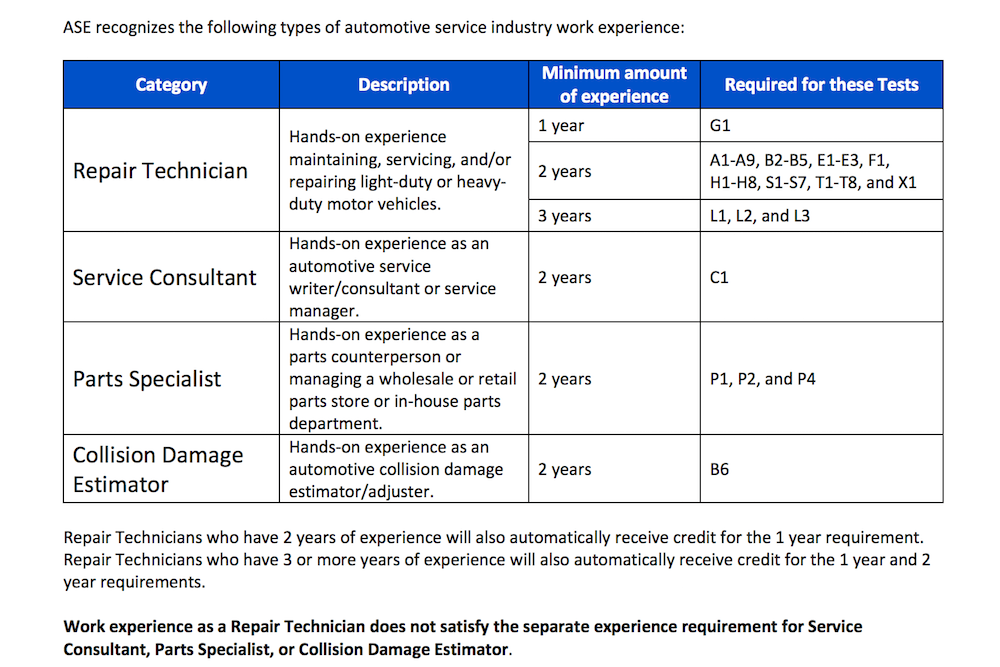
It’s not just about passing one test. ASE certification is typically a multi-step process involving both passing exams and gaining relevant work experience. Understanding this structure is key.
The Path to Master Certification
Many technicians aim for “Master Certified” status, which usually means passing a specific set of tests within a category (like the A series for cars) and accumulating a certain amount of hands-on experience. It’s a significant achievement.
Achieving ASE Master status shows a broad and deep competency in a particular vehicle type or service area. It’s the pinnacle for many.
Recertification Requirements
ASE certifications aren’t forever. They typically expire after five years, requiring technicians to retake tests or pass newer ones to maintain their certified status. This keeps knowledge current.
The need for recertification ensures techs stay updated with evolving automotive technology. It’s a continuous learning process.
Practice Tests and Preparation
ASE itself offers practice tests to help technicians prepare. Many independent training providers also offer courses and study materials. Getting ready is half the battle.
Don’t wing it! Utilizing official ASE practice tests can significantly improve your chances of success. Knowledge is power, especially on test day.
ASE Test Series Availability
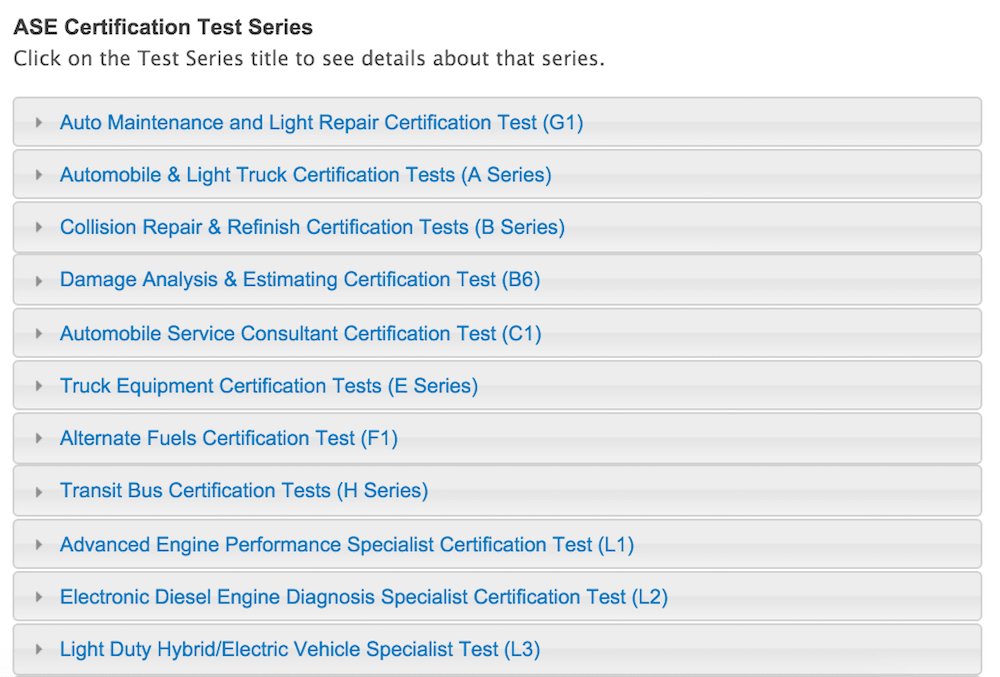
ASE offers its tests in multiple formats and administrations throughout the year. Many tests are available during specific “testing windows” at designated computer-based testing centers. You can find out more details about the specific tests available and their schedules on the official ASE website, like checking out the details on the ASE Test Series.
Knowing when and where you can take tests is Key. Planning your certification journey is part of the strategy. Make sure to check the official ASE website for the latest information on test scheduling and availability.
Why Bother? The Real Value of ASE Certifications
So, why go through all the trouble? What’s the actual payoff for a technician? It’s more than just a piece of paper, trust me.
Enhanced Earning Potential
Certified technicians often command higher salaries. Shops see the value and are willing to pay more for proven expertise. It’s a direct link to your wallet.
Increased earning potential is a major driver for many pursuing ASE. It’s a tangible financial benefit.
Increased Employability and Career Advancement
Having ASE certifications on your resume makes you stand out. It opens doors to better job opportunities and makes you a prime candidate for promotions within a shop.
Employers actively seek out ASE certified technicians. It signals a level of professionalism and skill they can rely on.

Source : mightyautoparts.com
Customer Confidence and Trust
For the end customer, seeing ASE logos can be incredibly reassuring. It tells them the person working on their vehicle has met rigorous national standards. Builds trust.
This customer confidence translates into repeat business for shops and a stronger reputation for the technician. It’s a win-win.
Professional Development and Skill Validation
The process of studying for and passing ASE tests forces you to stay current and validates your existing skills. It’s a mark of continuous professional growth.
It’s a way to formally Standard your automotive expertise against industry standards. Keeps you sharp.
A Comparison Table: Key ASE Test Series at a Glance
Let’s try to bring some of this together visually. It’s tough to capture everything, but this table gives you a quick snapshot of some of the major categories and what they generally cover. Think of it as a quick reference guide.
| Series Name | Primary Focus | Typical Vehicle Type | Key Skills Validated | Example Specialty Test |
|---|---|---|---|---|
| Automobile (A Series) | General vehicle repair and maintenance | Cars, Light Trucks, SUVs | Engine, Transmission, Brakes, Electrical, Performance | A8 – Engine Performance |
| Collision Repair (B Series) | Bodywork and paint after accidents | All vehicle types | Structural repair, Metal/Plastic repair, Painting, Estimating | B4 – Painting and Refinishing |
| Medium-Heavy Truck (T Series) | Commercial vehicle maintenance | Semi-trucks, Delivery trucks, Buses | Heavy-duty Engines, Air Brakes, Drivetrain, Suspensions | T5 – Brakes |
| Advanced Engine Performance (L1) | Deep diagnostics of engine control systems | Cars, Light Trucks | Advanced diagnostics, Sensor data, ECM programming | L1 – Advanced Engine Performance Specialist |
| Hybrid/Electric Vehicle (L3) | Maintenance and repair of EVs/Hybrids | Cars, Light Trucks | High-voltage systems, Battery tech, EV powertrains | L3 – Light Duty Hybrid/Electric Vehicle Specialist |
| Parts Specialist (P Series) | Automotive parts knowledge and management | /A (Parts Counter) | Parts identification, Inventory, Customer service | P1 – Parts Specialist |
| Service Consultant (C1) | Customer interaction and service advising | /A (Service Drive) | Communication, Sales, Basic vehicle knowledge | C1 – Automobile Service Consultant |
This table should give you a clearer picture of the breadth of options. Remember, this isn’t exhaustive, but it hits the major players. Each ASE certification signifies a different level of specialized knowledge.
The Bottom Line: Your ASE Certification Journey
Handling the world of ASE certifications can seem daunting at first glance. But by breaking it down into these core areas – from the foundational A series for everyday vehicles to the highly specialized L and hybrid/EV tests – it becomes much more manageable. Whether you’re aiming for Master status, specializing in collision repair, or focusing on heavy trucks, there’s a path for you.
Think of these certifications not just as tests to pass, but as milestones on your professional journey. They validate your skills, boost your career prospects, and ultimately build trust with the customers whose vehicles you keep running. So, figure out where you want to go, study hard, and get those certifications. Your future self will thank you.
Frequently Asked Questions
What is an ASE certification and why is it important?
Basically, ASE certifications are industry-recognized credentials that prove a mechanic has the knowledge and skills to do the job right. They’re super important because they show customers you’re a legit pro and can boost your career big time. Think of it as a stamp of approval for your automotive expertise.
What are the main types of ASE certifications?
There are a ton, but they generally cover different areas of auto repair. You’ve got your light duty diesel, advanced level diesel, maintenance and light repair, and then specific ones for brakes, electrical systems, engine repair, and more. It really depends on what you want to specialize in, like becoming a master diesel technician or focusing on complex electrical diagnostics.
How do I know which ASE certification is right for me?
Well, it really depends on your career goals and what you’re already doing or want to do. If you’re just starting out, maybe something general like Maintenance and Light Repair (G1) is good. If you’re already working on heavy trucks, then the Diesel Engine (7.0) or Advanced Engine Performance (L1) might be a better fit. It’s all about aligning it with your job responsibilities.
Are there different levels of ASE certifications?
Yeah, there are! Some are general certifications covering broad areas, while others are advanced or master level. For instance, you can become a Certified Medium-Duty & Heavy-Duty Truck Engine Specialist, or even an Advanced Level Specialist. The higher levels usually require passing a series of initial tests and demonstrating advanced diagnostic skills.
What are the benefits of having multiple ASE certifications?
Having more ASE certifications makes you a more valuable employee, hands down. It shows you’ve got a wide range of knowledge and are committed to staying current. Plus, it can lead to better job opportunities, higher pay, and more responsibility. It’s like collecting badges, but for your mechanic career.
