So You Want To Be A Certified Home Health Aide? Here’s The Real Deal.
Alright, let’s cut to the chase. You’re thinking about becoming a certified home health aide, huh? It’s a noble gig, no doubt. Helping people in their own homes? That’s huge. But it’s not all warm fuzzies and thank-you cards. There’s a process. A real, sometimes frustrating, but ultimately rewarding process. Forget what you saw on TV; this is the gritty reality of what it takes.
If you’re looking to jump into this field, you need to know the score. What are the actual hoops you have to jump through? We’re talking about qualifications, training, and all that official stuff. It’s not a walk in the park, but if you’ve got the heart for it, you can definitely get there. So, buckle up. We’re going to break down exactly what you need.
The Non-Negotiables: Basic Eligibility
Source : stjudenursingschool.com
Age and Identity Verification
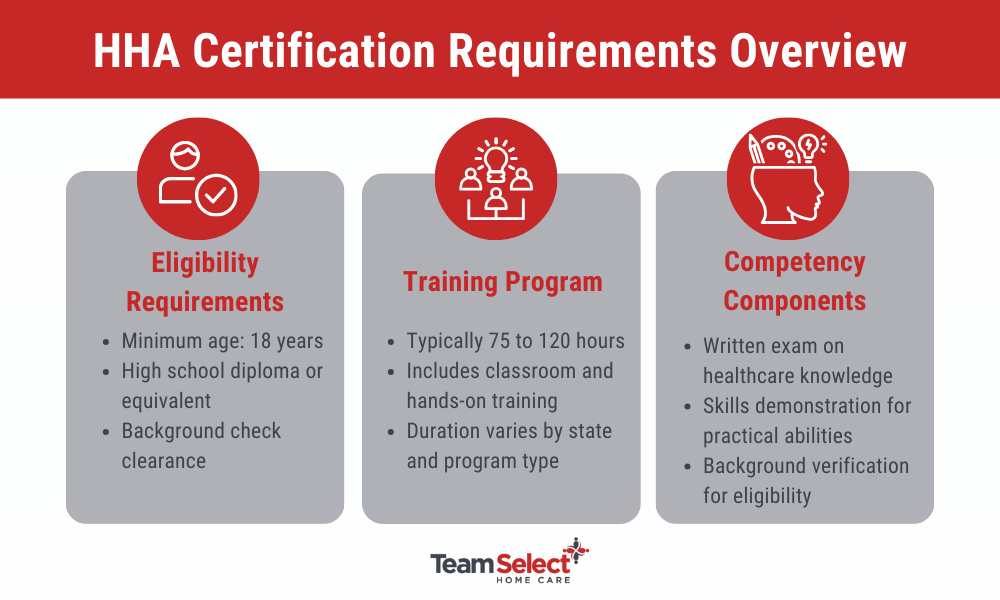
First things first, you’ve gotta be an adult. Sounds obvious, right? But seriously, you’ll need to prove you’re at least 18 years old. This usually involves showing a valid government-issued ID. They need to know you’re legally able to work and make these commitments.
And yes, proving you’re who you say you are is a big part of it. This isn’t just about picking up a job; it’s about trust. You’re going to be in people’s homes, often when they’re most vulnerable. So, expect to provide documentation that clears you.
Citizenship or Work Authorization
Can you legally work in the United States? That’s the million-dollar question. If you’re a U.S. citizen, that’s pretty straightforward. If not, you better have your work authorization sorted. This could be a green card or a specific visa that allows employment.
Employers are legally required to verify your right to work. So, having your documents in order from the get-go saves everyone a massive headache down the line. Don’t assume anything; check your status.
Background Checks: The Serious Part
This is where things get real. Pretty much every state requires a thorough background check for home health aides. We’re talking criminal history, sometimes even fingerprinting. They’re looking for anything that might be a red flag regarding your ability to provide safe care.
Source : homehealthaideguide.com
It: you’re entering someone’s personal space. It’s Key that you’re not a risk. This check is for the protection of the clients you’ll be serving. It’s a necessary step, and you need to be prepared for it.
Training: Where The Learning Happens
Mandatory State-Approved Training Programs
You can’t just wing this. Most states mandate specific training programs for home health aides. These programs are designed to equip you with the Needed skills and knowledge needed for the job. They cover everything from basic patient care to emergency procedures.
Finding a state-approved program is key. Not just any course will do. You need to make sure the curriculum meets the requirements set by your state’s health department. Check out resources like Home Care Aide Certification Training to find reputable options.
Curriculum Breakdown: What You’ll Actually Learn
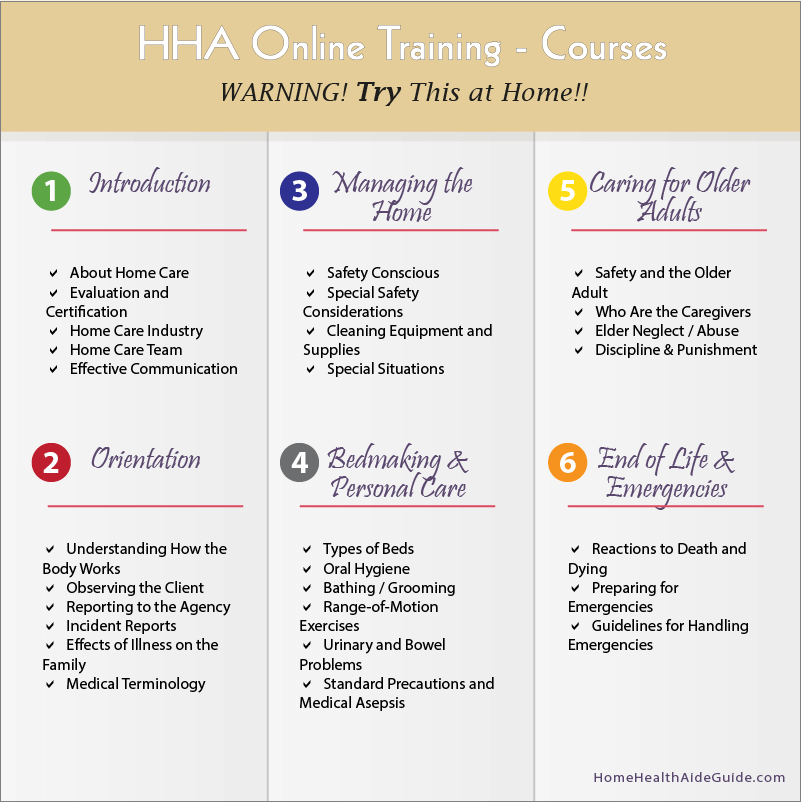
So, what’s in these training programs? Expect modules on Key signs (temperature, pulse, respiration), personal hygiene assistance (bathing, dressing, toileting), infection control, and patient safety. You’ll also learn about nutrition, assisting with mobility, and basic first aid.
Communication skills are huge, too. You’ll learn how to effectively communicate with patients, their families, and healthcare professionals. Understanding medical terminology and how to document care are also usually covered. It’s a Full package.
Hours Required: It’s Not a Weekend Course
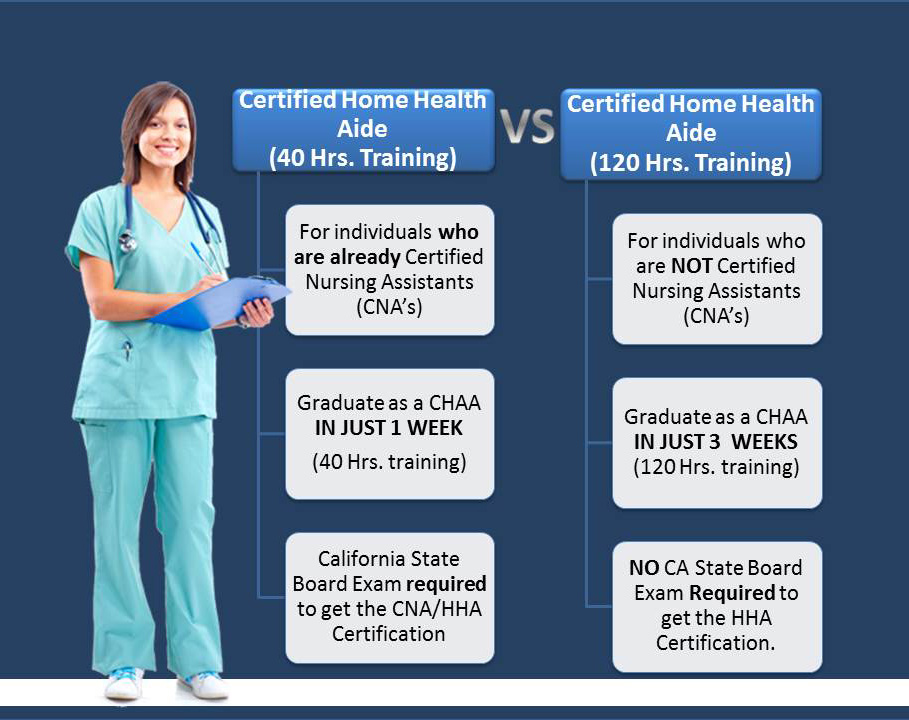
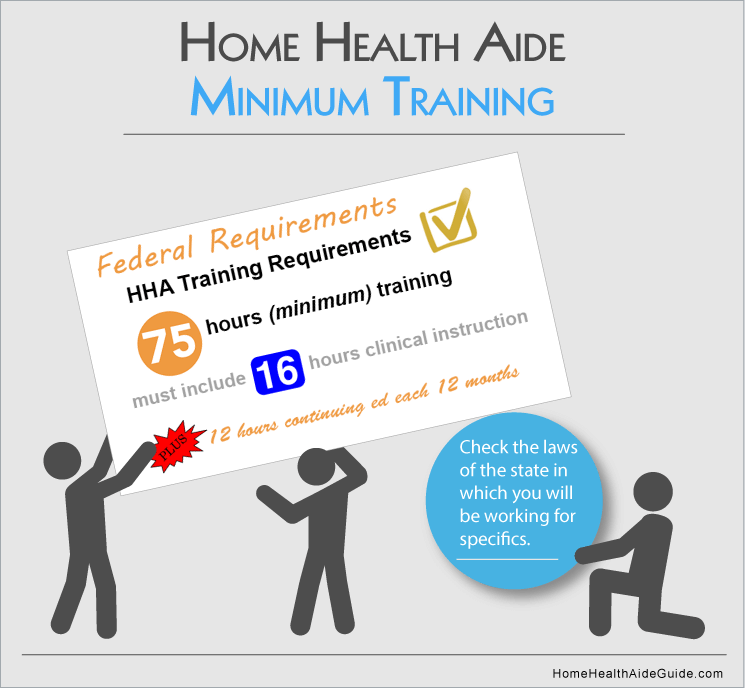
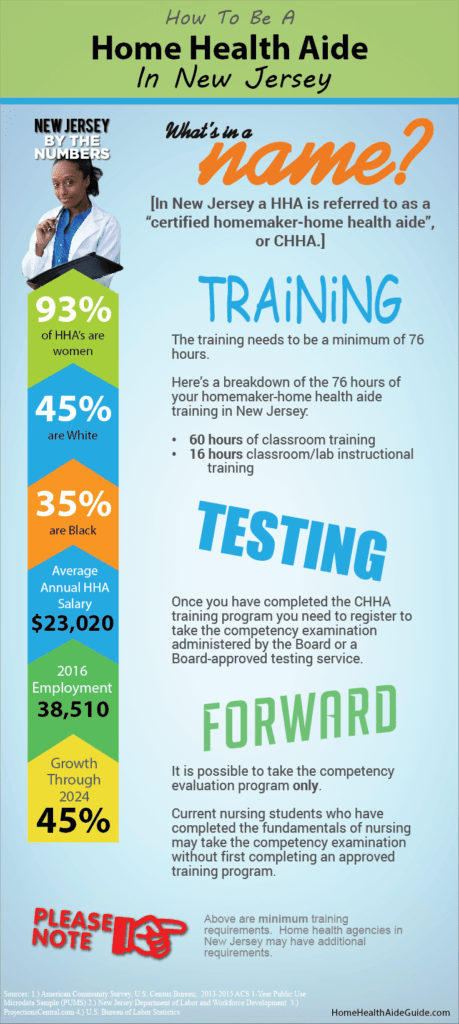
Don’t expect to get certified in a weekend. These training programs require a significant time commitment. Depending on the state, you might be looking at anywhere from 40 to 120 hours of training. Some programs are classroom-based, others are a mix of classroom and hands-on clinical experience.
The exact number of hours varies. For instance, Washington state has specific requirements you can look into on their Department of Health site. It’s a serious commitment, but it ensures you’re well-prepared. You can find more details on certification requirements.
The Certification Exam: Proving Your Worth
Understanding the Examination Process
Once you’ve completed your training, you’ll likely need to pass a certification exam. This isn’t just a quiz; it’s a standardized test designed to assess your competency. It usually has two parts: a written or computer-based test and a practical skills demonstration.
The exam ensures you’ve retained the Key information from your training and can apply it in real-world scenarios. Passing this is your ticket to becoming a bona fide certified aide.
Written/Computer-Based Test Content
The written portion covers a broad range of topics. Think about patient rights, safety procedures, communication, documentation, and basic nursing skills. It tests your knowledge of the principles and practices you learned in your training program.
Questions will be multiple-choice, designed to gauge your understanding. You’ll need to know things like how to properly take Key signs, recognize signs of abuse, and understand infection control protocols. Study your notes!
Practical Skills Demonstration: Show, Don’t Just Tell
This is where you prove you can actually do the job. You’ll be asked to perform specific tasks in front of an evaluator. This could include things like making an occupied bed, measuring intake and output, or demonstrating how to safely transfer a patient from a bed to a wheelchair.
Source : homehealthaideguide.com
The evaluator watches your technique, your adherence to safety protocols, and your communication with the simulated patient. It’s all about demonstrating competency in Needed skills. Nail this, and you’re golden.
State-Specific Requirements: It’s Not One-Size-Fits-All
Varying Regulations by State
Here’s a curveball: what works in one state might not fly in another. Each state has its own specific set of rules and regulations for home health aide certification. Some states are more stringent than others regarding training hours, background checks, or continuing education.
You absolutely need to check the requirements for the specific state where you plan to work. Don’t assume federal guidelines cover everything; they usually don’t. State health departments are your go-to source.
Finding Your State’s Department of Health
Your first stop should be your state’s Department of Health website. They’ll have detailed information on licensing and certification for healthcare professionals, including home health aides. Look for sections on “Professional Licensing” or “Certifications.
These sites often list approved training programs and exam providers. They’re the official source, so trust what you find there. It’s the most accurate way to Make sure you’re meeting all the necessary criteria.
Continuing Education Units (CEUs)
Getting certified isn’t the end of the road. Most states require you to complete a certain number of continuing education units (CEUs) each year or biennium to maintain your certification. This ensures you stay up-to-date with best practices and new developments in healthcare.
These CEUs can often be earned through workshops, online courses, or conferences. It’s another way to keep your skills sharp and your knowledge current. Factor these ongoing requirements into your career plan.
Beyond the Basics: Enhancing Your Career Prospects
Additional Certifications
While basic certification gets your foot in the door, specialized certifications can make you stand out. Think about certifications in areas like Alzheimer’s care, dementia care, or CPR/First Aid (beyond the basic requirement). These can open up more job opportunities and potentially higher pay.
Employers often seek aides with specific skill sets. Having advanced certifications shows initiative and a commitment to specialized patient care. It’s a way to differentiate yourself in a competitive field.
Experience Counts: Building Your Resume
Formal training and certification are Needed, but practical experience is Crucial. Many entry-level positions might require some prior experience, even if it’s volunteer work. Gaining hands-on experience, whether through internships, volunteering, or even agency work, builds your confidence and your resume.
Think of your first few years as a learning laboratory. Every patient interaction is a chance to hone your skills and learn something new. Employers love seeing that proven track record, no matter how small.
Soft Skills: The Unsung Heroes
Beyond the technical skills, your soft skills are Key. Patience, empathy, strong communication, reliability, and problem-solving abilities are Top. Home health care is deeply personal; you’re not just performing tasks, you’re building relationships.
Source : homehealthaideguide.com
Being able to listen, show compassion, and remain calm under pressure are qualities that cannot be taught in a textbook. They are developed through experience and innate personality, but can certainly be strengthened. Excellent people skills are a must-have.
A Look at the Numbers: Salary and Job Outlook
Average Salary Expectations
Okay, let’s talk money. The salary for a certified home health aide can vary widely based on location, experience, and the specific agency or facility you work for. Generally, it’s an hourly wage position. Some states and areas pay more than others due to cost of living and demand.
You can research specific figures, but generally, it provides a stable income. It’s not going to make you rich overnight, but it’s a respectable living doing important work. Use resources like caregiver careers WA to get a sense of local pay rates.
Job Outlook: Growing Demand
The job outlook for home health aides is very positive. Why? We have an aging population, and more people are choosing to receive care in the comfort of their own homes rather than in facilities. This trend is only expected to grow.
Consistent demand for qualified and compassionate aides. It’s a field with job security, which is a big plus these days. The need for skilled caregivers is projected to increase significantly over the next decade.
Factors Influencing Pay
Several factors can influence how much you earn. Your level of certification (basic vs. specialized), years of experience, geographic location (major cities often pay more), and the type of employer (an agency, a private client, a hospital system) all play a role. Overtime opportunities can also boost your income.
Don’t be afraid to negotiate when you get an offer, especially if you have specialized skills or significant experience. Understanding your worth is part of building a successful career. Negotiating your salary is a skill in itself.
Comparing Training Pathways: Which is Right for You?
Traditional Classroom Programs
These are the classic training setups. You attend classes at a specific location, often for a set number of weeks or months. They offer structured learning environments and direct interaction with instructors and peers. It’s a good option if you thrive on routine and in-person learning.
Pros include direct instructor feedback and a dedicated learning space. Cons can be the fixed schedule and commute. Make sure the program is state-approved before enrolling.
Online/Hybrid Training Options
Technology has made things more flexible. Many programs offer online coursework, sometimes combined with in-person skills labs or clinical rotations. This can be ideal if you have other commitments like work or family, allowing you to learn at your own pace.
Flexibility is the major draw here. You can often fit learning around your life. Just be sure the online component is still recognized by your state’s certification board. Check requirements carefully, as some states might mandate a certain percentage of in-person training.
On-the-Job Training (OJT) Models
Some agencies or facilities offer on-the-job training programs. You might start as an aide with less formal training and then receive specific training while working, often while being paid. This is a fantastic way to learn practical skills in a real-world setting from day one.
Source : tshc.com
This is a great pathway for those who learn best by doing. It often leads to direct employment with the organization providing the training. It’s a practical learning experience that pays off.
Making the Decision: Is This Career Path For You?
Self-Assessment: Strengths and Motivations
Before diving in, take a hard look at yourself. Are you genuinely passionate about helping others? Do you have the patience and empathy required? Can you handle the physical and emotional demands of the job? Being honest with yourself is the first step.
Consider your motivations. Is it just a job, or do you feel a calling? Understanding your ‘why’ will help you persevere through the challenges. Your personal strengths are your greatest asset.
Understanding the Challenges
Let’s be real: it’s not always easy. You’ll deal with difficult situations, demanding clients, and sometimes long hours. There can be emotional toll involved when caring for individuals who are ill or frail. Physical tasks can also be strenuous.
It’s important to go in with open eyes. Knowing the potential difficulties helps you prepare mentally and emotionally. Talk to current home health aides if you can; get their unfiltered opinions. Facing real challenges prepares you.
The Rewards: Why It’s Worth It
Despite the challenges, the rewards can be immense. The satisfaction of making a tangible difference in someone’s life is profound. You build meaningful connections and provide Needed support that allows people to live with dignity. It’s incredibly fulfilling work for the right person.
The gratitude you receive, the independence you help restore, and the genuine impact you have on families are powerful motivators. If you have a servant’s heart, this career can be deeply rewarding. The intrinsic rewards are often unmatched.
| Requirement | State A (Example) | State B (Example) | State C (Example) |
|---|---|---|---|
| Minimum Age | 18 years | 18 years | 18 years |
| Background Check | Yes (Fingerprints required) | Yes (Standard criminal history) | Yes (FBI & State checks) |
| Mandatory Training Hours | 75 hours (including 16 clinical) | 40 hours (basic) + 16 (specialty optional) | 120 hours (including 40 clinical) |
| State-Approved Program | Required | Required | Required |
| Certification Exam | Yes (Written & Skills) | Yes (Written only) | Yes (Written & Skills) |
| Continuing Education | 24 hours every 2 years | 12 hours annually | 18 hours every 2 years |
| Specific Skills Tested | Basic Care, Safety, Communication | Basic Care, Communication | Advanced Care techniques, Dementia Care |
Frequently Asked Questions
Can I work as an HHA without certification?
Because some places might let you do certain tasks, but to be a certified home health aide, you absolutely need the training and the certificate. It’s really about patient safety and knowing what you’re doing. Without it, your job options are super limited.
What’s the difference between a caregiver and a home health aide?
But think of it this way: a caregiver can be anyone helping out, maybe a family member or someone doing light housekeeping and companionship. A home health aide (HHA), though, is trained for more specific medical assistance under a healthcare professional’s supervision. They can take vitals, help with personal hygiene, and assist with mobility. It’s a more defined, clinical role.
Can I get my HHA certificate online?
Some parts of the training might be online, especially the classroom stuff. But you’ll almost always have to do hands-on skills training and a competency exam in person. You can’t really get the full HHA certification without that practical component, because they need to see you do the skills safely.
What are the basic educational requirements for HHA training?
Usually, you just need a high school diploma or GED, but some programs might accept you if you can show basic reading and math skills. It’s not rocket science, but you gotta be able to understand instructions and document things. Check with the specific training program you’re looking at.
How long does it take to become a certified home health aide?
It varies, but most training programs are pretty short. Think a few weeks to a couple of months. It’s a quick way to get into a rewarding healthcare career. The whole process, including the exam, is designed to get you working relatively fast.
