The Real Cost of Epic EHR Certification Training: More Than Just Dollars
So, you’re thinking about diving into the world of Epic EHR systems. Smart move. It’s a big name, a powerful tool, and yeah, it means a bigger paycheck. But let’s cut the fluff. What’s the actual cost of Epic EHR certification training? Forget the glossy brochures for a second. We’re talking real numbers, real time investment, and what you’re actually getting for your hard-earned cash.
It’s not just about tuition fees, though those can be hefty. Think about the lost income while you’re in training, the endless hours studying, and whether that fancy certification will actually pay for itself. I’ve seen folks jump in blind, only to realize the commitment is way deeper than they imagined. This isn’t a weekend workshop; it’s a career-defining decision. Let’s break down what you’re really signing up for.
Demystifying Epic EHR Certification: What’s the Big Deal?
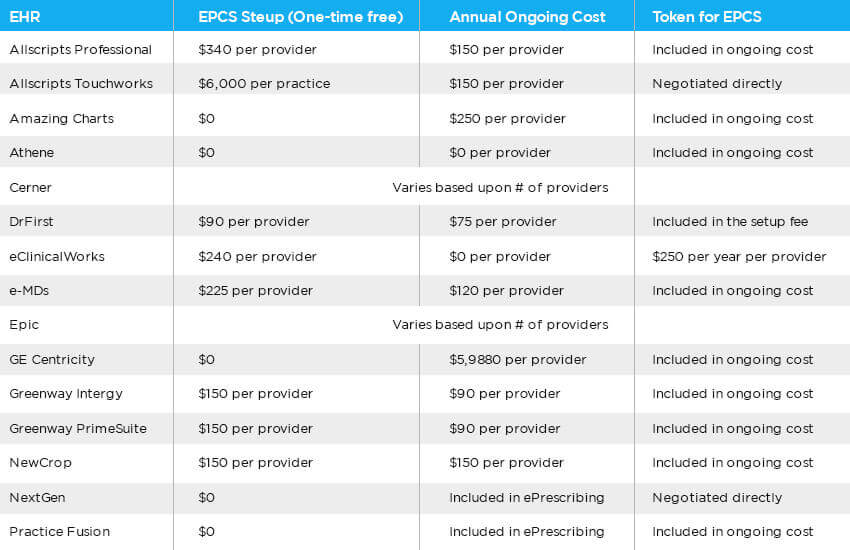
Source : osplabs.com
What Exactly Is Epic Certification?
Alright, let’s get down to brass tacks. Epic certification isn’t some generic IT badge. It means you’ve been officially vetted by Epic themselves. You’ve gone through their rigorous training programs and passed their tests. Think of it like getting your pilot’s license for the most complex, widely-used healthcare software out there. You’re not just familiar with it; you’re a certified expert. This recognition is huge in the healthcare IT field.
Hospitals and clinics worldwide rely on Epic’s integrated electronic health record (EHR) system. It’s the digital backbone of patient care, billing, scheduling – you name it. When you’re ‘Epic Certified’, you’re essentially qualified to implement, manage, support, or Improve this critical infrastructure. It’s a specialized skill set that’s in high demand.
Who’s Behind the Training?
This is key. Unlike some other software certifications, you can’t just sign up for a course at your local community college. True Epic EHR certification training primarily comes directly from Epic Systems Corporation. They hold the keys to the kingdom, so to speak. They design the curriculum, deliver the training, and administer the exams.
Occasionally, you might find authorized third-party training providers or consulting firms that offer preparatory courses or specialized workshops. However, the official certification itself? That’s an Epic-sanctioned event. This exclusivity is a major factor in its perceived value – and its cost. It’s not something you can just pick up anywhere.
Why Is It So Highly Regarded?
Simple: ubiquity and complexity. Epic is used by a massive chunk of major hospitals in the US and globally. Think of the Mayo Clinic, Cleveland Clinic, Johns Hopkins – these are the giants using Epic. If you want to work with the biggest players, understanding Epic is almost non-negotiable. This widespread adoption means a constant need for skilled professionals.
Epic’s software is notoriously intricate. It’s not a plug-and-play system. Implementing and managing it effectively requires deep knowledge of clinical workflows, IT infrastructure, and regulatory requirements. That’s where certified professionals shine. They possess the specialized expertise that healthcare organizations desperately need to run smoothly and efficiently. It’s a high-stakes environment, and certification signals you can handle it.

Source : clindcast.com
The Nitty-Gritty: How Much Does Epic Certification Training Actually Cost?
Direct Training Costs: The Sticker Shock
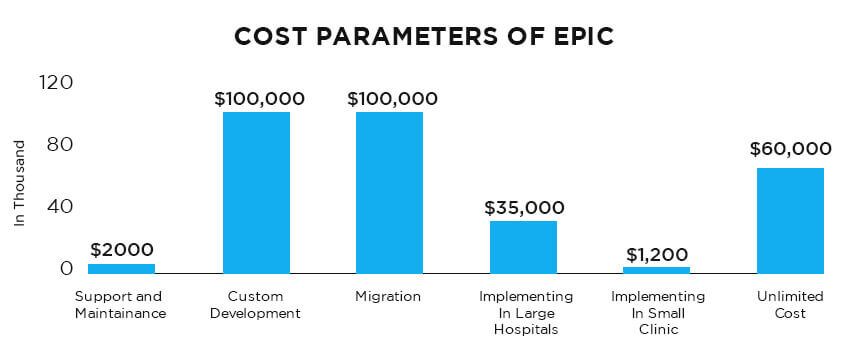
Okay, let’s talk numbers. The direct cost for official Epic EHR certification training can be significant. While Epic doesn’t publicly list prices for individual candidates (training is often facilitated through employers or partners), industry estimates and reports from individuals suggest costs can range widely. For a single certification module, you might be looking at anywhere from $1,500 to $5,000 or more. This often covers course materials, instructor fees, and exam administration.
Consider that many roles require not just one, but multiple certifications. Someone specializing in a specific module, like Epic Radiant (oncology) or Epic Guide (oncology), might need to complete several distinct training courses. Add them up, and the direct training expenditure can easily climb into the tens of thousands of dollars over time. It’s a Large upfront investment, no doubt about it.
Indirect Costs: Time is Money
This is where many people get tripped up. The direct fees are just the tip of the iceberg. What about the time you’re spending not earning your usual salary? If you’re a seasoned IT professional or clinician transitioning into an Epic role, taking time off for full-time training means a significant loss of income. This opportunity cost is a massive part of the total cost of Epic certification training.
For example, an Epic certification course might last anywhere from a few days to several weeks, often requiring full-time commitment. If you’re earning $80,000 a year, taking two weeks off means losing nearly $3,100 in wages. Factor in potential travel, accommodation if the training isn’t local, and the sheer mental energy required for intensive study, and the indirect costs really start to pile up. It’s a sacrifice.
Certification Exam Fees
Passing the training is one thing; passing the exam is another. While sometimes bundled into the training cost, dedicated exam fees can also apply. These fees cover the administration and proctoring of the official certification exam. Again, exact figures aren’t always public, but expect to budget a few hundred dollars per exam, potentially more for specialized or recertification exams.
It’s also worth noting that if you don’t pass on the first try (which happens!), you’ll likely incur additional fees for retakes. This adds another layer of financial risk to the process. Planning for these potential retake costs is a smart part of budgeting your Epic EHR training investment.
Breaking Down the Training Options and Their Costs
Official Epic Classroom Training
This is the gold standard. When Epic offers direct classroom training, it’s usually intense, Full, and incredibly thorough. These sessions are typically held at Epic’s headquarters in Verona, Wisconsin, or at designated training centers. The cost here often reflects the high-quality instruction, dedicated facilities, and direct access to Epic experts.
Participants get hands-on experience with the software in a controlled environment. The curriculum is meticulously designed to cover specific modules or roles. While the price tag for these sessions can be steep (often absorbed by employers sponsoring their staff), the depth of knowledge gained is Best. It’s the most direct path to official certification.
Employer-Sponsored Training Programs
For most individuals seeking Epic certification, the most common route is through their employer. Large healthcare systems that use Epic often have internal training programs or partnerships with Epic to get their staff certified. In these cases, the direct cost to the employee is usually zero.
The hospital or health system bears the brunt of the training and certification expenses. This is a strategic investment for them, ensuring they have the in-house talent to manage their complex EHR system. However, this often comes with a commitment bond; you might be required to stay with the organization for a certain period after becoming certified, lest you have to repay the training costs.
Third-Party Training and Bootcamps
You’ll find a growing number of companies offering “Epic training” or “Epic prep courses.” These are not official Epic certifications. They can be valuable for getting familiar with the system, understanding common workflows, or preparing for the official exams. Think of them as study guides or crash courses.
The cost for these can vary wildly, from a few hundred dollars for online modules to several thousand for intensive bootcamps. While they can be helpful, remember they don’t grant you the official Epic certification. They are a supplementary tool, not a replacement for direct Epic training. Be wary of any third-party provider claiming to offer official certification without Epic’s direct involvement. You can learn more about the general costs involved at CertEmpire’s breakdown of Epic certification costs.
Online vs. In-Person Training
Traditionally, Epic training has been heavily in-person. This immersive environment is often seen as Key for mastering the complex software. However, the Field is shifting. With advancements in technology and the demand for flexible learning, Epic and its partners are increasingly offering virtual training options.
In-person training usually commands a higher price due to facility costs, travel, and accommodation. Online or virtual training might offer some cost savings on these fronts, but the core training curriculum and instructor fees often remain Large. The effectiveness can also depend on the individual learner’s discipline and the specific module being taught. Some complex implementations really benefit from face-to-face interaction.
Source : osplabs.com
The Value Proposition: Is Epic Certification Worth the Price Tag?
Salary Expectations Post-Certification
This is the million-dollar question, right? Will this investment pay off? For many, the answer is a resounding yes. Certified Epic professionals command significantly higher salaries than their non-certified counterparts. Depending on the role, location, and experience level, salaries for certified individuals can range from $70,000 for entry-level support roles to well over $120,000, sometimes even $150,000+, for experienced analysts, builders, or project managers.
N Epic Applications Coordinator or a Clinical Informatics Analyst. These roles require deep knowledge, and certification is often the fastest way to get there. The salary bump can often recoup the training costs (especially the indirect ones) within the first year or two of employment. It’s a solid career accelerator. The salary increase for Epic certified professionals is a primary driver.
Career Opportunities and Advancement
Beyond just salary, Epic certification opens doors. Hospitals are constantly looking for staff who can Improve their EHR systems, improve clinical workflows, and Make sure data integrity. Being certified makes you a prime candidate for these roles. It signals a level of expertise that employers value highly.
Certification can be a stepping stone to more senior positions. You might move from a support role to a lead analyst, a project manager, or even a director-level position within an IT department. It provides a strong foundation for continuous career growth within the specialized field of healthcare IT. It’s not just a certification; it’s a career pathway.
Job Security in a Specialized Field
Healthcare IT is a growing field, and EHR systems are the central nervous system of modern healthcare. Because Epic is such a dominant player, professionals with this specific skill set enjoy a high degree of job security. Healthcare organizations are heavily invested in their Epic systems and the people who can manage them.
While the healthcare industry itself faces challenges, the demand for skilled Epic professionals remains Strong. Organizations need to maintain, upgrade, and adapt these complex systems. This means a consistent need for certified analysts, trainers, and support staff. In a competitive job market, Epic certification offers a distinct advantage and a sense of stability.
Quantifying the ROI: A Sample Calculation
Let’s try to put some hard numbers on it. Imagine a training program costs $5,000 directly, and you forgo $4,000 in salary during the training period. Total upfront cost: $9,000.
Now, let’s say your previous salary was $70,000/year. After certification, you land a job paying $90,000/year. That’s an increase of $20,000 per year.
In this scenario, your initial $9,000 investment is recouped in just over six months ($9,000 / ($20,000 / 12 months) ≈ 5.4 months). Beyond that point, every additional dollar earned is pure return on your investment. This simple calculation highlights the significant Return on Investment (ROI) of Epic certification.
The Hidden Curriculum: Skills Beyond the Software
Understanding Clinical Workflows
Epic isn’t just about clicking buttons. True certification proficiency involves a deep understanding of how healthcare professionals actually work. Training often dives into the nuances of patient registration, scheduling appointments, clinical documentation, order entry, billing processes, and discharge summaries. You learn how the software supports (or sometimes hinders) these real-world activities.
This clinical context is Key. A technical person might know how to fix a bug, but a certified analyst understands why that bug is a problem for a nurse trying to administer medication or a doctor needing quick access to lab results. This workflow knowledge is a key differentiator and part of the implicit value you gain.
Interpersonal and Communication Skills
You won’t be working in a vacuum. Implementing, supporting, or optimizing an EHR system requires constant interaction with diverse groups: doctors, nurses, administrative staff, IT colleagues, and sometimes even patients. Effective communication is Top.
Training often includes modules or implicit lessons on how to translate technical jargon into understandable terms for clinicians, how to gather requirements effectively, how to manage user expectations, and how to troubleshoot issues collaboratively. These soft skills are often as important as the technical ones for long-term success.
Problem-Solving and Analytical Thinking
Epic systems are complex and can present unique challenges. Users encounter bugs, unexpected behaviors, or requests for new functionality. Certified professionals are expected to be Skilled at analyzing these situations, identifying the root cause, and devising effective solutions.
Critical thinking, a systematic approach to problem-solving, and often, a good dose of creativity. You learn to navigate the system’s logic, understand its configuration options, and determine the best course of action, whether it’s a simple configuration change or a more involved system modification. This analytical skill development is Crucial.
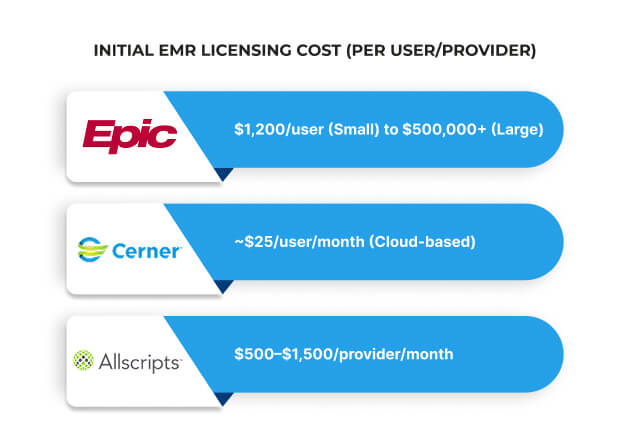
Source : osplabs.com
Handling the Path: Tips for Managing Costs and Maximizing Value
Use Employer Sponsorship
The most cost-effective way to get certified is often through your employer. If your organization uses Epic or is planning an implementation, express your interest in getting trained and certified. Highlight how your skills can benefit the team and the organization. Many companies view sponsoring employees as a critical investment in their operational efficiency.
Ask about their internal training programs, tuition reimbursement options, or if they have partnerships with training providers. This approach shifts the financial burden from your personal budget to the company’s strategic initiatives. It’s a win-win: you get trained, and they secure needed talent.
Choose Your Certification Path Wisely
Don’t try to get certified in everything. Epic offers dozens of specialized modules. Research which certifications are most in-demand in your desired career path or geographic location. Focusing on one or two highly relevant certifications is often more strategic and cost-effective than chasing numerous, less applicable ones.
Consider roles like Epic Analyst, Epic Builder, Epic Principal Trainer, or Epic Credentialed Trainer. Each requires different certifications. Talk to people already in the roles you aspire to. Ask them which certifications were most impactful for their careers. Making an informed choice significantly boosts the value of your certification training.
Factor in the Long-Term Gains
Remember that the cost isn’t just the initial outlay. It’s about the long-term career trajectory. When comparing the upfront costs to the potential for significantly higher salaries, increased job security, and broader career opportunities, the investment often makes sound financial sense. Look beyond the immediate price tag and focus on the potential ROI over several years.
Think of it as investing in your earning potential. A $10,000 investment that leads to an extra $20,000 in salary each year, year after year, is a fantastic deal. Frame the cost of Epic EHR certification as a strategic career investment, not just an expense.
Explore Recertification Requirements
Epic certifications aren’t forever. The software is constantly updated, and Epic requires professionals to recertify periodically to Make sure their knowledge remains current. These recertification efforts also involve time and potentially some cost, though usually less than the initial certification. Factor this ongoing commitment into your long-term planning.
Understanding the recertification cycle (often every two years) helps you budget your time and resources accordingly. Staying current is key to maintaining your value in the job market and ensuring your Epic credentials remain valid.
The Future of Epic EHR Training Costs
Technological Advancements
As technology evolves, so too will training methods. We’re seeing more sophisticated simulation tools, AI-powered learning platforms, and enhanced virtual reality experiences. These advancements could potentially streamline training, making it more efficient and perhaps even reducing some costs associated with traditional classroom settings.
Virtual labs where you can practice complex configurations without risk, or AI tutors that can adapt to your learning pace. While these technologies might require initial investment, they hold the promise of more accessible and potentially more affordable training in the future. The future of EHR training is certainly Active.
Market Demand and Supply
The cost of any certification is influenced by market dynamics – the supply of certified professionals versus the demand from employers. As more healthcare organizations adopt Epic, the demand for certified talent remains high. If the supply of new certified professionals doesn’t keep pace, costs (both in training and salary expectations) could continue to rise.
Conversely, if training programs become more widespread or if more individuals pursue certification, it could potentially stabilize or even slightly decrease the premium associated with being certified. However, given Epic’s market dominance, sustained demand seems likely. Keeping an eye on job market trends for Epic professionals is wise.
Shifting Healthcare IT Field
The broader healthcare IT Field is also changing. Interoperability, data analytics, patient engagement tools, and telehealth are becoming increasingly important. Future Epic certifications might reflect these shifts, requiring professionals to integrate Epic with other systems or Use its data for advanced analytics. This could mean new types of training and potentially new associated costs.
The focus might move beyond just core EHR functions to encompass a wider range of digital health capabilities. Professionals will need to adapt and potentially Get new, specialized certifications to stay relevant. This continuous learning aspect is inherent in the evolving healthcare IT sector.

Source : osplabs.com
Is It Worth the Dive? The Ultimate Cost-Benefit Analysis
Weighing the Financial Investment
Let’s be blunt: Epic certification training isn’t cheap. Whether you’re paying directly or through the opportunity cost of lost wages, it represents a significant financial commitment. You need to be prepared for this upfront investment. It requires careful budgeting and, often, strategic planning, especially if employer sponsorship isn’t an option.
Consider all the associated costs: tuition, exam fees, study materials, potential travel, and the income you’ll miss while training. Tally it up honestly. This isn’t money you can afford to gamble with lightly. A clear understanding of the financial outlay is the first step.
Assessing the Career Payoff
Now, weigh that cost against the potential payoff. We’re talking about significantly higher salaries, better job security, access to more senior roles, and the prestige of being certified by a leading EHR vendor. For many, the career benefits far outweigh the financial costs, often recouping the investment within a year or two.
Long-term career goals. Does this certification Match with where you want to be in 5, 10, or 20 years? If you’re passionate about healthcare IT and want to work with leading organizations, the career payoff of Epic certification is hard to ignore. It’s a strategic move for advancement.
The Intangible Benefits
Beyond the tangible financial gains, there are intangible benefits. Gaining expertise in a highly sought-after system boosts your confidence. Becoming part of a community of certified professionals offers networking opportunities. Mastering a complex system provides a deep sense of accomplishment. These factors contribute to overall job satisfaction and career fulfillment.
It’s not just about the paycheck; it’s about building a sustainable, rewarding career in a critical industry. The skills and knowledge you Get have lasting value, extending beyond any single employer or job. This intrinsic value of expertise is a significant, though often overlooked, benefit.
Sample Data Table: Epic Certification Cost vs. Salary Potential
| Factor | Estimated Cost / Range | Potential Salary Range (Post-Certification) | Notes |
|---|---|---|---|
| Direct Training Fees (per module) | $1,500 – $5,000+ | /A | Often covered by employer; variable based on module complexity. |
| Indirect Costs (Lost Wages) | $2,000 – $10,000+ (for full-time training) | /A | Depends on duration of training and current salary. |
| Exam Fees (per exam) | $200 – $500+ | /A | May be bundled; additional fees for retakes. |
| Total Estimated Initial Investment (out-of-pocket or opportunity cost) | $3,700 – $15,500+ | /A | Highly variable; employer sponsorship drastically alters this. |
| Entry-Level Certified Role (e.g., Analyst I) | /A | $70,000 – $90,000 | Requires specific foundational certifications. |
| Mid-Level Certified Role (e.g., Senior Analyst, Builder) | /A | $90,000 – $120,000 | Often requires multiple or specialized certifications. |
| Senior/Specialized Role (e.g., Lead, Architect, Principal) | /A | $110,000 – $150,000+ | Extensive experience and advanced certifications needed. |
| Recertification Costs (Ongoing) | $500 – $2,000 (annually/bi-annually) | /A | Time and potential fees for maintaining credentials. |
The cost of Epic EHR certification training is a Complex figure. It’s not just the dollars you see on an invoice. It’s the time, the effort, and the strategic career planning involved. But for those who invest wisely and choose the right path, the rewards – both financial and professional – are Large. It’s a serious commitment, but one that can redefine your career in the Key field of healthcare technology.
Frequently Asked Questions
How much does Epic EHR certification training typically cost?
Because the cost can vary a bunch, it’s tough to give an exact number. But generally, you’re looking at anywhere from a few hundred bucks to a couple thousand dollars. Depends on the specific course, who’s offering it, and if it’s online or in-person. You’ll want to check out Epic EHR training providers directly for the most accurate pricing.
Are there free resources available for Epic EHR certification training?
Sometimes, yeah. Some employers might cover the cost if they’re hiring you for an Epic-related role. And occasionally, you might find free webinars or introductory materials from training companies. But for full, official certification, expect to pay. Look into employer-sponsored training.
What factors influence the price of Epic EHR certification training?
Lots of things! Think about the length of the course, the provider’s reputation, whether it includes hands-on labs or practice exams, and if it’s a specialized track within Epic. Some programs bundle other services, which can bump up the price too. Definitely compare different EHR certification programs.
Is Epic EHR certification training worth the cost?
For most people aiming for certain healthcare IT roles, absolutely! Getting certified can open doors to better jobs and higher salaries. It shows you’ve got the skills employers are looking for. It’s an investment in your healthcare IT career.
Can I get a discount on Epic EHR certification training?
Sometimes you can snag a deal! Look out for early bird specials, group discounts if you’re signing up with colleagues, or student rates if you’re currently enrolled in a program. It never hurts to ask the training provider about any available Epic certification discounts.
