What Physical Requirements Are Needed For Search And Rescue Certification?
Alright, let’s cut through the noise. You’re thinking about Search and Rescue (SAR) certification, right? Maybe you saw a dramatic rescue on TV, or perhaps you just have that itch to help when things go sideways. Whatever your motivation, there’s one thing you absolutely cannot ignore: your physical readiness. This isn’t a walk in the park. It’s demanding, often brutal work. You need to be ready to move, to carry, to endure. Forget the Hollywood portrayal for a second; let’s talk about what it really takes to get certified and, more importantly, to survive and succeed out there.
So, what are the actual, non-negotiable physical requirements for SAR? It boils down to a few core areas, each critical for different aspects of the job. We’re talking strength, endurance, agility, and just plain grit. This isn’t about being a super-athlete, but you sure as heck need to be able to handle yourself in some seriously tough environments. Let’s break it down.
The Core Pillars of SAR Fitness

Source : tommithetrainer.com
Cardiovascular Endurance: The Foundation
This is non-negotiable. You’ll be on your feet for hours, sometimes days. Think long hikes, steep climbs, and pushing through exhaustion. Without a solid cardio base, you’ll burn out fast. It’s the fuel that keeps you going when the adrenaline fades and the long slog begins. Sustained effort is key here.
Muscular Strength: Lifting and Carrying
SAR often involves moving people or heavy gear. You need the strength to lift and carry a victim, often in awkward positions and over rough terrain. This isn’t just about brute force; it’s about functional strength. Can you haul yourself and a pack up a steep incline? Raw power matters when lives are on the line.
Muscular Endurance: The Long Haul
It’s not enough to be strong for a few seconds. You need to maintain that strength over extended periods. Imagine holding a rope, steadying a patient, or scrambling over rocks for hours. This is where muscular endurance shines, preventing fatigue and maintaining effectiveness. Think of it as the endurance of your muscles.
Flexibility and Agility: Handling the Terrain
The environment you operate in is rarely flat or predictable. You’ll be climbing, crawling, jumping, and squeezing through tight spots. Good flexibility and agility allow you to move efficiently and safely, minimizing the risk of injury. It’s about nimble movement and getting where you need to go without tripping over your own feet.
Strength Training Essentials for SAR Pros

Source : tommithetrainer.com
Lower Body Power: The Engine
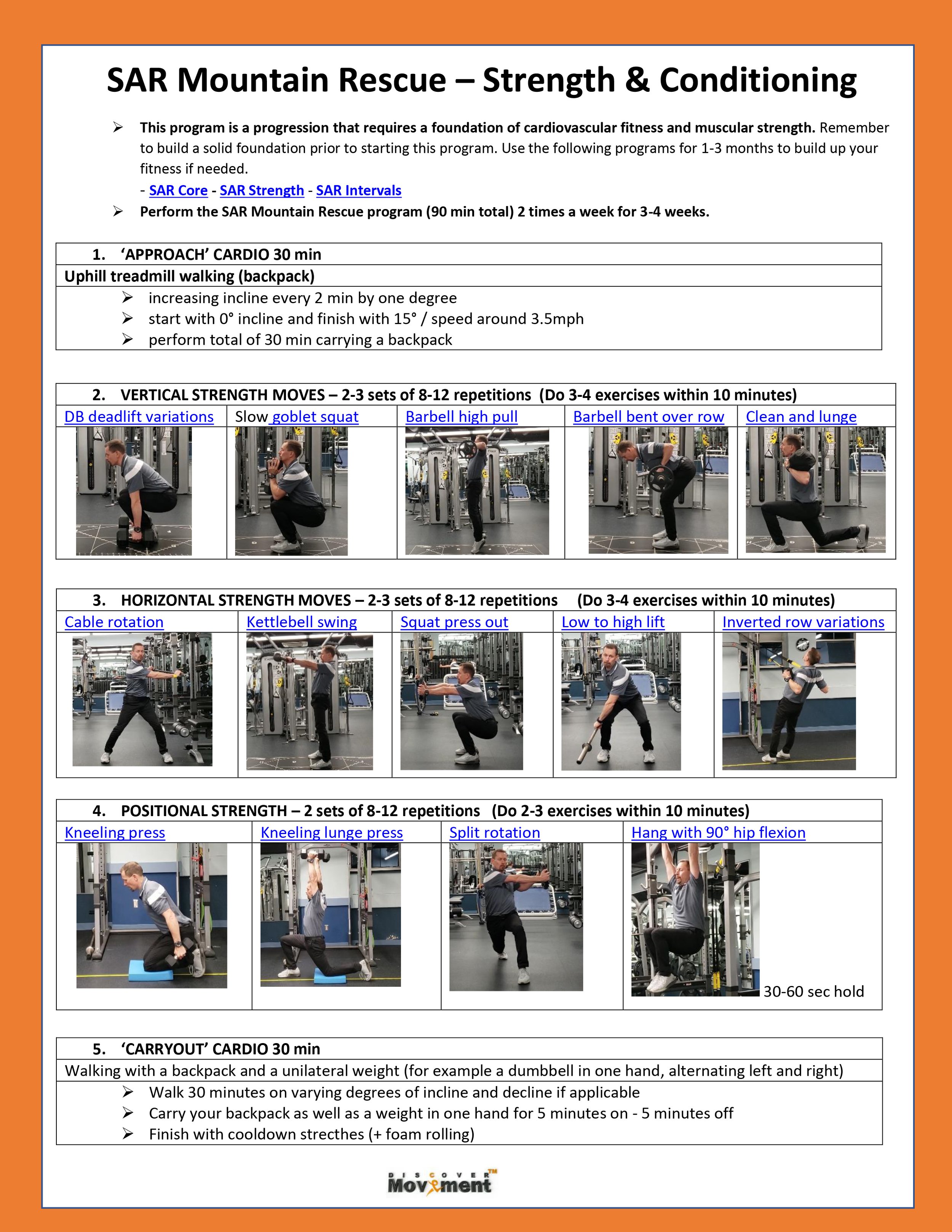
Your legs are your primary mode of transport in the field. Squats, lunges, step-ups, and deadlifts are your best friends. They build the foundational strength needed for hiking, climbing, and carrying loads. Don’t neglect calf raises either; those hills are unforgiving. Leg strength is Top.
Upper Body Strength: The Workhorses
Think pull-ups, push-ups, rows, and overhead presses. These build the muscles needed for climbing, hauling, and stabilizing. A strong back and shoulders are Key for carrying packs and assisting victims. You need to be able to pull your weight, quite literally.
Core Strength: The Stabilizer
Your core connects your upper and lower body. A strong core is Key for stability, power transfer, and injury prevention. Planks, Russian twists, and leg raises will become staples. It helps you maintain balance on uneven ground and lift heavy objects safely. Core stability is often overlooked but incredibly important.
Grip Strength: The Unsung Hero
This one catches people by surprise. You need a strong grip to hold ropes, carry gear, and even manage your own body weight when climbing. Farmer’s walks and grip trainers can make a big difference. Never underestimate the power of a good grip.
Cardiovascular Training Regimens
Aerobic Base Building: The Long Runs
Start with consistent, longer duration, lower-intensity cardio. Running, cycling, or even brisk hiking at a pace where you can hold a conversation is perfect. The goal is to build a Strong aerobic system that can sustain effort for hours. This is about building the endurance engine.
Interval Training: Upping the Intensity
Once you have a base, incorporate High-Intensity Interval Training (HIIT). Short bursts of intense effort followed by brief recovery. This mimics the stop-and-go nature of SAR operations and improves your ability to recover quickly. Think sprints or intense climbs. It’s about bursts of power.
Weighted Carries: Simulating the Job
Practice carrying weighted packs over varied terrain. This could be hiking with a loaded backpack or doing farmer’s walks with heavy dumbbells. It directly trains your body for the demands of hauling gear and potentially victims. Simulate the load you’ll actually carry.
Stair Climbing: The Vertical Challenge
Many SAR operations involve steep ascents and descents. Stair climbing, either on actual stairs or a stair climber machine, is excellent training. Add weight to your pack for an extra challenge. It’s a direct way to improve your ability to handle vertical terrain.
Flexibility, Agility, and Mobility Drills
Active Stretching: Pre-Workout Warm-up
Before any training session, focus on Active stretches. Arm circles, leg swings, torso twists, and walking lunges prepare your muscles and joints for movement. This increases blood flow and range of motion. It’s about preparing your body for action.
Static Stretching: Post-Workout Recovery
After your workout, hold static stretches to improve flexibility and aid recovery. Hamstring stretches, quad stretches, and shoulder stretches help lengthen muscles and prevent stiffness. Don’t overdo it; the goal is improved flexibility, not injury. Enhance your range of motion.

Source : tommithetrainer.com
Agility Drills: Quick Footwork
Incorporate drills like cone drills, ladder drills, and box jumps. These improve your foot speed, coordination, and ability to change direction quickly. Needed for Handling cluttered or uneven environments. It’s about quick and precise movements.
Mobility Work: Joint Health
Focus on exercises that improve joint mobility, especially in the hips, shoulders, and ankles. Hip circles, shoulder dislocations (with a band or stick), and ankle rotations are Key for preventing injury and allowing a greater range of movement. Keep your joints healthy and mobile.
Specific Fitness Assessments in SAR
The MTI Wilderness SAR Fitness Assessment
Organizations like MTI (Mountain Tactical Institute) have developed specific, rigorous fitness assessments tailored for wilderness SAR. These often combine elements of strength, endurance, and load-bearing. For instance, their program might involve a weighted run or a significant amount of ruck marching. Checking out resources like MTI’s Mountain/Wilderness SAR Fitness Assessment is a great way to understand the Standard.
Loaded Carries and Strength Tests
Many SAR teams incorporate loaded carries as part of their physical evaluations. This could be carrying a specific weight for a set distance, or performing a series of strength tests like trap bar deadlifts or burpee pull-ups with a weighted pack. The idea is to gauge your ability to perform under load. Real-world scenarios are simulated.
Endurance Tests: Ruck Marches and Timed Hikes
Timed hikes with a specific pack weight over challenging terrain are common. These tests assess your cardiovascular endurance and your ability to sustain effort for prolonged periods. You might have a set time to complete a certain distance and elevation gain. Pushing your limits is often part of the test.
Agility and Obstacle Courses
Some assessments might include agility tests or obstacle courses designed to replicate the challenges faced in the field. This could involve crawling, climbing over barriers, or Handling uneven ground quickly and efficiently. It’s about functional movement under pressure.
Sample SAR Fitness Evaluation Components
Component 1: The Weighted Pack Hike
Task: Complete a 5-mile hike carrying a 35-pound pack on hilly terrain in under 1 hour and 30 minutes.
Purpose: Assesses cardiovascular endurance and strength endurance for sustained movement with load.
Keywords: weighted pack, endurance test.
Component 2: The Rope Haul and Carry
Task: Drag a 75-pound weight 50 feet, followed by carrying a 50-pound weight 100 feet.
Purpose: Evaluates raw strength and the ability to move heavy objects.
Keywords: heavy objects, strength test.
Component 3: The Agility Circuit
Task: Navigate a circuit including a low crawl, tire run, and hurdle jumps within a set time.
Purpose: Tests agility, coordination, and speed over simulated obstacles.
Keywords: agility circuit, obstacle navigation.
Source : tommithetrainer.com
Component 4: The Extended March
Task: Complete a 10-mile march carrying a 45-pound pack in under 3 hours and 30 minutes.
Purpose: Measures advanced cardiovascular and muscular endurance for longer operations.
Keywords: extended march, sustained effort.
Nutritional and Recovery Strategies
Fueling for Performance: Macronutrient Balance
Proper nutrition is as critical as your training. Focus on a balanced intake of complex carbohydrates for energy, lean proteins for muscle repair, and healthy fats for overall function. Don’t skimp on fruits and vegetables for vitamins and minerals. Smart eating fuels your body.
Hydration: The Forgotten Element
Dehydration can cripple performance and lead to dangerous mistakes. Sip water consistently throughout the day, especially before, during, and after training. Electrolyte drinks can be beneficial during long, strenuous activities. Staying hydrated is Key.
Sleep: Your Body’s Repair Shop
Muscle growth and recovery happen primarily during sleep. Aim for 7-9 hours of quality sleep per night. Poor sleep will sabotage your training progress and increase your risk of injury. It’s where the real gains are made.
Active Recovery and Mobility
On rest days, engage in light activity like walking or stretching. This promotes blood flow and helps reduce muscle soreness. Foam rolling and massage can also be highly effective for muscle recovery. Prioritize rest and recovery.
Mental Fortitude: The Unseen Requirement
Resilience in the Face of Adversity
SAR work is mentally taxing. You’ll face stressful situations, difficult conditions, and sometimes tragic outcomes. Developing mental resilience, the ability to bounce back from setbacks, is Key. This isn’t just about physical strength; it’s about mental toughness too.
Problem-Solving Under Pressure
You need to think clearly and make sound decisions when exhausted and under pressure. Training often involves scenarios designed to test your ability to remain calm and problem-solve effectively. Clear thinking saves lives.
Commitment and Discipline
Getting certified and staying SAR-ready requires ongoing commitment and discipline. It means showing up for training even when you don’t feel like it, sticking to your nutrition plan, and continuously working on your weaknesses. This is a long-term commitment.
Teamwork and Communication
SAR is a team effort. You need to be able to communicate effectively with your team members, follow instructions, and contribute positively to the group Active. Trust and clear communication are Top in high-stakes situations. Effective teamwork is Needed.
Source : sheriff.bentoncountyor.gov
Preparing for the Physical Demands
Start Early, Train Consistently
Don’t wait until you’re ready to certify to start training. Begin building your fitness base months in advance. Consistent, progressive training is far more effective than sporadic, intense bursts. Consistent effort pays off.
Listen to Your Body
While pushing your limits is necessary, learn to distinguish between muscle soreness and actual pain. Overtraining can lead to injury, which will set you back significantly. Rest and recovery are part of the training process.
Seek Professional Guidance
If you’re unsure about how to structure your training, consider working with a fitness professional experienced in endurance or occupational fitness. They can help create a personalized plan. Getting expert advice can make a huge difference.
Practice Under Realistic Conditions
Whenever possible, train in conditions that mimic SAR operations. Hike with a pack, practice climbing, and train in varied weather. The more you expose yourself to realistic demands, the better prepared you’ll be. Simulate the environment you’ll work in.
Conclusion: It’s More Than Just a Test
So, what physical requirements are needed for Search and Rescue certification? It’s a Full package. Strength, endurance, agility, and resilience are non-negotiable. It’s not just about passing a single test; it’s about building a sustainable level of fitness that allows you to perform effectively and safely when it matters most. You need to be ready for the unexpected, the grueling, and the critical moments. Your physical capabilities are your primary tools in this line of work. Get fit, stay ready.
Frequently Asked Questions
What qualifications do you need for search and rescue?
Because it’s pretty intense, you generally need to be in excellent physical condition. Most teams look for folks who can handle long hours on rough terrain, carry heavy gear, and have basic first-aid knowledge. Sometimes, specific certifications are required, depending on the team and what kind of SAR you’re getting into.
How physically fit do hotshots need to be?
But hotshots? They’re basically elite wildland firefighters, so the physical demands are off the charts. We’re talking about carrying 45-pound packs over miles of steep, rugged country, sometimes in extreme heat, while working 12-16 hour days. Think top-tier endurance and strength.
What are the 5 physical fitness tests?
Because it varies a bit, but commonly you’ll see things like a timed mile-and-a-half run, a certain number of push-ups and sit-ups in a minute, a pull-up test, and maybe a timed obstacle course or a weighted pack carry. It’s all about testing your aerobic capacity, muscular strength, and endurance. These tests are Key for SAR readiness.
How to get in shape for search and rescue?
Start with consistent cardiovascular exercise – ruing, hiking with a weighted pack, cycling. Mix in strength training, focusing on your legs, core, and upper body. Practice hiking on varied terrain, especially hills. It’s all about building that functional fitness that translates to the field.
What kind of gear do I need for search and rescue training?
You’ll definitely need sturdy, broken-in hiking boots, comfortable moisture-wicking clothing layers, a good backpack, plenty of water, high-energy snacks, a headlamp, a basic first-aid kit, and often a map and compass. For specific training, they might require specialized gear, so check with the program. Proper personal equipment is key.
