Don’t Get Duped: Finding Legit OSHA Online Training That Actually Counts
Look, nobody wants to spend their precious time wading through endless online courses. Especially when your livelihood, or the safety of your crew, is on the line. You need to know, without a shadow of a doubt, that the OSHA training you’re paying for is legitimate. The real deal. Not some certificate printed on a paper that’s worth less than the ink it’s printed with.
We’ve all heard the horror stories, right? People spending good money on “OSHA certified” courses only to find out they’re practically worthless when it comes time to prove compliance. It’s a frustrating reality. But it doesn’t have to be your reality. Let’s cut through the noise and get you pointed towards the actual, authorized options.
Forget the fluff. Forget the slick marketing that promises the moon. We’re talking about finding genuine OSHA training. The kind that actually satisfies federal requirements and, more importantly, keeps people safe on the job. This isn’t about ticking a box; it’s about real safety.
Why Bother with OSHA Training in the First Place?
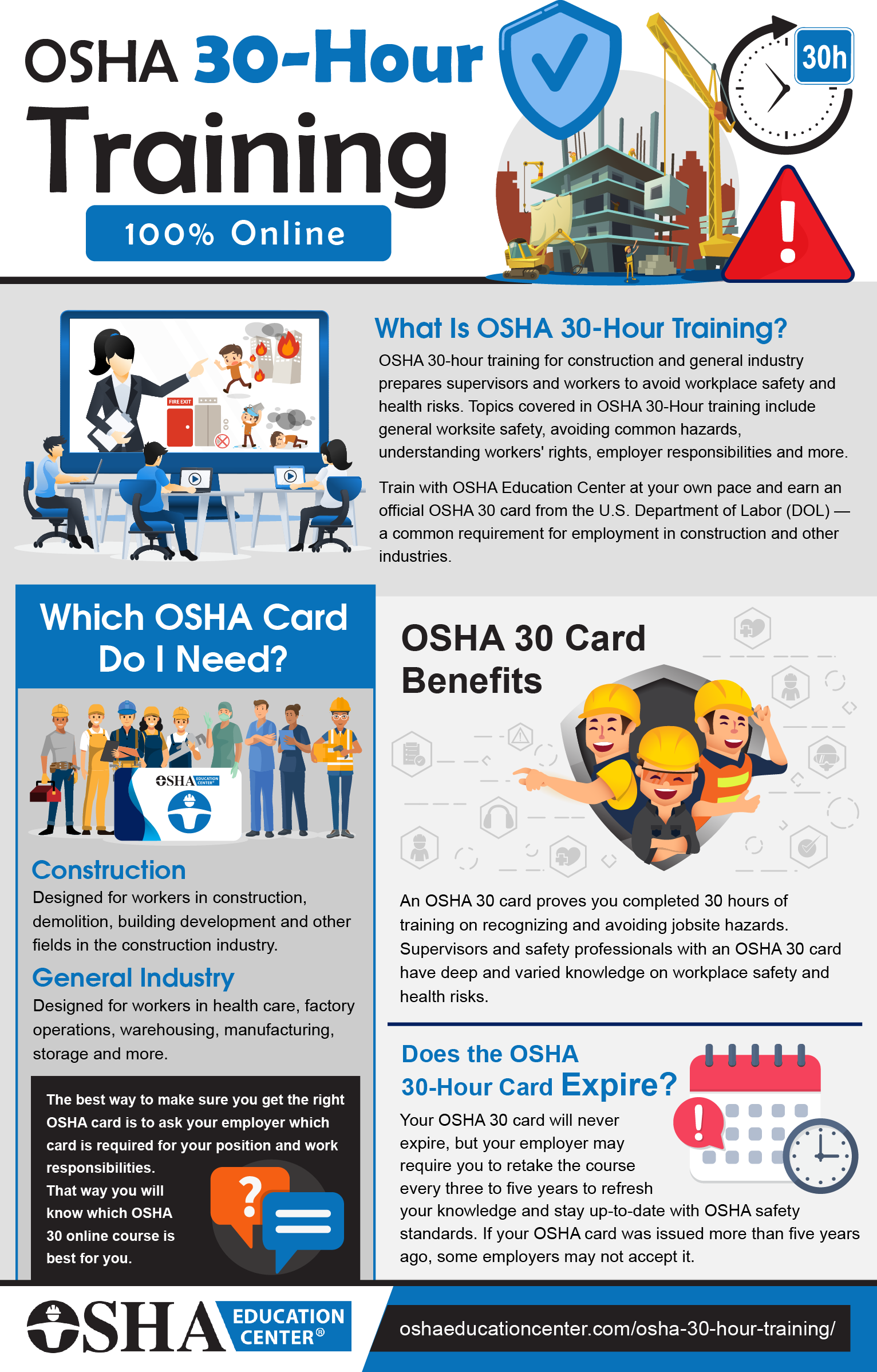
Source : oshaeducationcenter.com
It’s Not Just a Suggestion, It’s the Law
Seriously, let’s get this straight from the jump. The Occupational Safety and Health Administration (OSHA) mandates certain safety training for workers in various industries. It’s not a friendly suggestion from Uncle Sam; it’s a legal requirement. Falling short here can land a business in hot water, big time.
It. If you’re running a construction site, or managing a factory floor, the risks are real. OSHA requirements are in place to Reduce those risks. It’s about preventing injuries, preventing fatalities, and avoiding those soul-crushing fines that can cripple a company.
Protecting Your Most Valuable Asset: Your People
Let’s be honest, the real reason behind all this is safety. It’s about making sure your employees go home at the end of the day in one piece. No amount of money can replace a life or a limb. Investing in proper workplace safety training is an investment in your team’s well-being.
When workers are trained properly, they understand the hazards they face. They know how to use equipment safely. They learn to spot potential dangers before they become accidents. This isn’t just about compliance; it’s about building a culture where safety is Top. That’s priceless.
Avoiding Those Pesky Fines and Penalties
Now, let’s talk brass tacks. OSHA doesn’t play around when it comes to violations. The fines can be astronomical, especially for repeat or willful offenses. A single inspection gone wrong can cost a business thousands, sometimes tens of thousands, of dollars.
Getting the right OSHA certification is a proactive defense against these financial nightmares. It shows you’re taking safety seriously and have made an effort to comply with federal standards. It’s cheaper to train than it is to pay a hefty fine, hands down.
What Makes OSHA Training “Legitimate”? The Authorized Provider Factor
The Official Stamp of Approval: Outreach Trainers
This is the Key piece, folks. Not just anyone can offer “OSHA training” and have it be recognized. For the popular 10-hour and 30-hour general industry and construction outreach training, you need to go through an OSHA-authorized trainer. These trainers are specifically authorized by OSHA to deliver this curriculum.
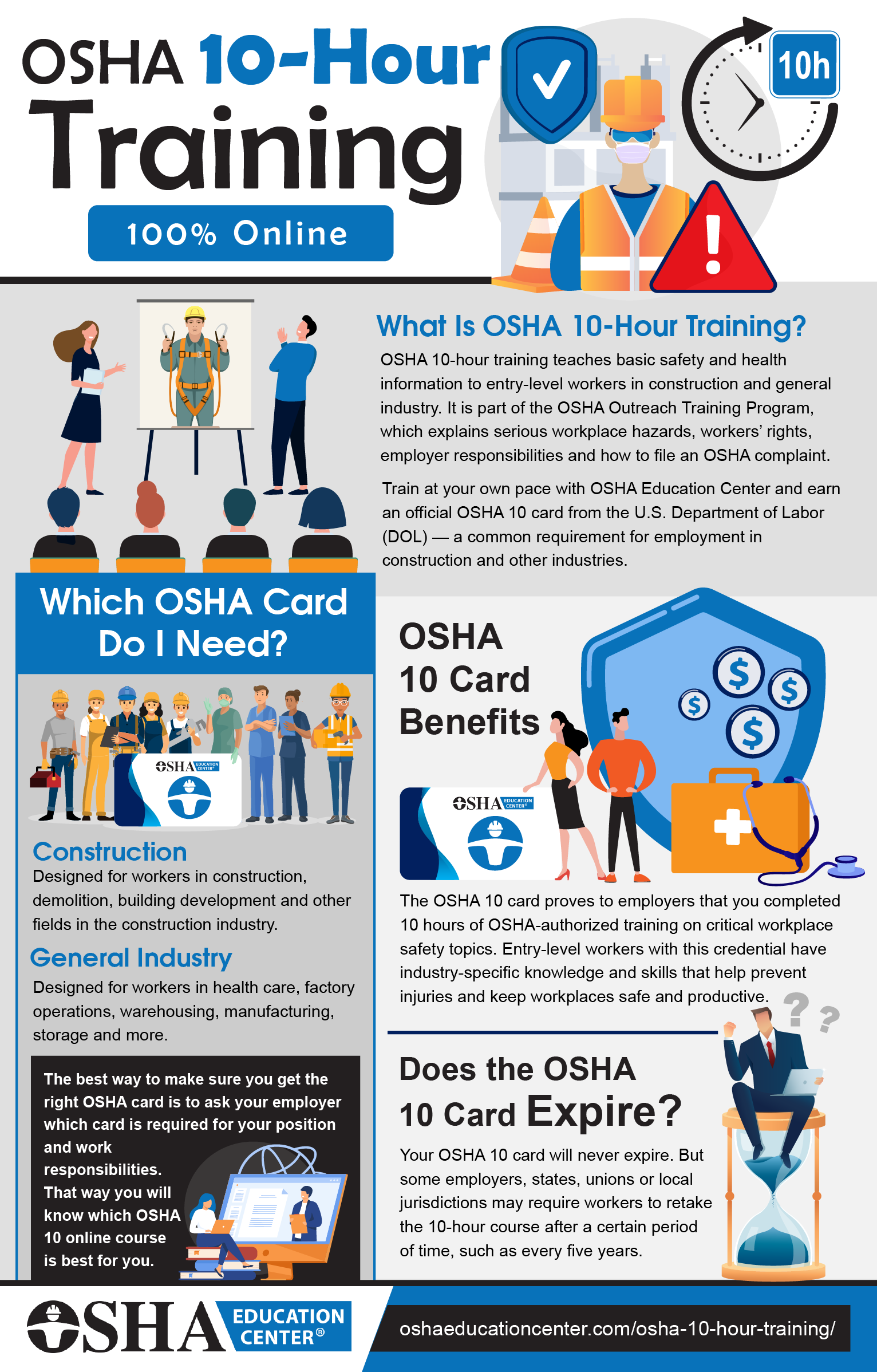
Source : oshaeducationcenter.com
The government maintains a list of these authorized providers. Think of it like a seal of approval. If a provider isn’t on that official list for the specific course you need, then their certificate might not be worth the paper it’s printed on. Always verify!
How to Spot an Authorized Provider
So, how do you actually find these authorized folks? OSHA provides a directory. It’s your best friend in this quest. You can look up trainers in your specific industry or region. This is the primary way to Make sure you’re not getting scammed. The official source is key here.
You can find this list directly on the OSHA website. They want to make sure people have access to legitimate training. It’s a resource designed to protect employers and employees alike. Don’t be afraid to use it. Go directly to the source: OSHA’s authorized outreach trainers.
Beyond Outreach: Other OSHA Standards
“OSHA training” isn’t a monolith. While the Outreach Program (10-hour and 30-hour) is very common, OSHA also sets standards for specific hazards and industries. Think HAZWOPER (Hazardous Waste Operations and Emergency Response), confined space entry, fall protection, and so on.
For these specialized training requirements, legitimacy comes from the training meeting the specific OSHA standard for that hazard. The training provider should be able to clearly articulate how their course fulfills the relevant OSHA regulation. It’s less about an “authorized trainer” list and more about content alignment with the standard. You want a provider who knows their stuff, inside and out.
Where to Actually Find Legitimate Online OSHA Training
The Official OSHA Directory Route
The most direct route is often the best. OSHA maintains a list of organizations authorized to offer their Outreach Training Program. You can search this database to find providers offering 10-hour and 30-hour courses online. This is your golden ticket to legitimacy for these specific programs.
It might not be the flashiest website, but it’s the most reliable. You’re cutting out the middleman and going straight to the source. If a provider is listed here, you know they’ve met OSHA’s stringent requirements to deliver the official curriculum. That’s real OSHA certification you can trust.
Reputable Online Safety Training Companies
Beyond the official directory, there are established online training companies that have earned a solid reputation. These companies often partner with OSHA-authorized trainers or develop their own Full programs that meet or exceed OSHA standards for various requirements. A well-known player in this space is OSHA.com.
These platforms usually offer a wide range of courses, often with user-friendly interfaces, progress tracking, and downloadable certificates upon completion. They understand the importance of compliance and offer training designed to meet specific industry needs. Just remember to cross-reference if you’re looking for the official Outreach Program.
Industry-Specific Associations and Unions
Sometimes, your industry association or union might offer or recommend specific OSHA training programs. These organizations often have a vested interest in ensuring their members are properly trained and compliant. They might vet providers themselves or even offer courses directly.
This can be a fantastic resource because the training is often tailored to the specific challenges and regulations within that particular trade or sector. It’s practical, relevant, and usually comes with a built-in level of trust. Ask your industry peers or your union rep about recommended safety training providers.
Leveraging Trusted Online Course Platforms
Platforms like ClickSafety are another avenue. They specialize in online safety training and often provide OSHA-compliant courses. They are a known entity in the field and focus specifically on safety education. ClickSafety is one such example.
When looking at these platforms, pay attention to how they describe their courses. Do they explicitly mention compliance with specific OSHA standards? Do they clearly state if they are authorized for the Outreach Program? Look for details about the instructors and their qualifications. Transparency is a good sign.
Decoding Course Offerings: What You’re Actually Buying
OSHA 10-Hour and 30-Hour Outreach Training
These are probably the most requested courses. The 10-hour is generally for entry-level workers, while the 30-hour is typically for supervisors or those with more safety responsibility. They cover a broad range of common workplace hazards.
Remember, for these specific programs, you must Make sure the provider is an OSHA-authorized Outreach Training Program provider. The certificate you receive should be an official Department of Labor card. These courses are designed to provide a general awareness of safety and health.
Specialized Hazard Training (HAZWOPER, Fall Protection, etc.)
This is where you get into the nitty-gritty of specific risks. HAZWOPER training, for instance, is critical for anyone working with hazardous materials. Fall protection training is Needed for construction workers at heights.
Legitimacy here means the course content directly addresses the requirements laid out in the relevant OSHA standard. A good provider will clearly map their curriculum to the standard (e.g., 29 CFR 1910.120 for HAZWOPER). The goal is competency in a specific, high-risk area.
Industry-Specific Compliance Training
Some industries have unique safety challenges and regulations. Think maritime, agriculture, or healthcare. Training tailored to these specific environments is Key for true compliance and effective safety.
Look for providers who demonstrate a deep understanding of your particular industry. Generic safety advice is one thing, but training that addresses the specific tools, processes, and regulatory nuances of your field is far more valuable. Industry-specific OSHA training shows a commitment to tailored safety.
“OSHA Competent Person” Designation Courses
Certain OSHA standards require a “Competent Person” to be on-site to oversee specific safety aspects, like scaffolding or fall protection. Courses designed to train these individuals are highly specialized.

Source : nationaloshafoundation.com
A legitimate course for a Competent Person will go deep into the responsibilities, inspection requirements, and regulatory details associated with that role. It’s not just about awareness; it’s about equipping someone with the authority and knowledge to make critical safety decisions. This is serious business.
What to Look For in an Online Provider (Red Flags & Green Lights)
Green Light: Clear Authorization & Accreditation
Does the provider clearly state they are an OSHA-authorized Outreach Training Program provider (if applicable)? Do they display their accreditation or authorization numbers? Can you verify them on the official OSHA website? These are massive green lights.
A legitimate provider will be upfront about their credentials. They won’t hide behind vague marketing terms. They want you to know they are the real deal. Look for clear statements about their status. This is your first line of defense against fraud.
Green Light: Detailed Course Curriculum
A good provider will offer a detailed breakdown of the course content. You should be able to see exactly what topics are covered and how they Match with OSHA standards. Are the modules logical? Do they cover the necessary material comprehensively?
Avoid courses that are vague about their content. If you can’t find a syllabus or a clear list of learning objectives, that’s a red flag. You need to know what you’re signing up for. Detailed course outlines are Needed for informed decisions.
Red Flag: Guarantees of “OSHA Certification” Without Context
Be wary of anyone guaranteeing “OSHA Certification” without specifying the type or standard. Remember, OSHA itself doesn’t “certify” individuals in the way a professional license works. They set standards, and authorized providers deliver training that meets those standards.
The outcome is typically a certificate of completion or, for Outreach training, an official DOL card. If a provider promises a direct “OSHA Certification” for everything, they might be misunderstanding or misrepresenting the process. Tread carefully with these kinds of sweeping claims.
Red Flag: Incredibly Low Prices or High-Pressure Sales
While budget is always a concern, if a price seems too good to be true, it probably is. High-quality training requires expert development and delivery. Extremely low prices can indicate subpar content or a lack of genuine authorization.
Similarly, aggressive, high-pressure sales tactics are a major red flag. Legitimate training providers focus on the value and necessity of safety, not on making a quick, pushy sale. Take your time, do your research, and don’t be rushed into a decision.
Green Light: User Reviews and Reputation
What are other users saying? Look for independent reviews and testimonials. While not every review is gospel, a consistent pattern of positive feedback regarding course quality, customer service, and the legitimacy of the certificates can be very telling.
Check industry forums, social media, and review sites. A company with a long-standing, positive reputation in the online safety training space is generally a safe bet. It indicates they’ve been doing good work for a while.
The Difference Between OSHA “Training” and OSHA “Certification”
Understanding the Terminology
This is where a lot of confusion happens. OSHA sets the standards and requires training. They authorize certain trainers and programs. But OSHA itself doesn’t issue “certifications” for most general training.
For the Outreach Program, you receive a card from the Department of Labor (via the authorized trainer) signifying completion. For other specific standards, you might get a certificate from the training provider, demonstrating you met the requirements of that standard. It’s about proof of training, not a license from OSHA.
The Value of the Outreach Training Card
The OSHA 10-hour and 30-hour cards are important because they are issued under the official OSHA Outreach Training Program. Employers recognize these cards as proof that the worker has received foundational safety and health information directly from an authorized source. It’s a standardized credential.
Having this card can be a requirement for certain jobs, especially in construction. It signals that the employee has received a baseline level of safety education recognized by the industry and regulators. It’s a tangible marker of compliance.
Provider Certificates vs. Official Cards
A certificate from a reputable provider for specialized training (like fall protection or HAZWOPER) is valuable because it shows you’ve completed training that meets a specific OSHA standard. It’s evidence of your knowledge and the provider’s adherence to regulatory requirements.
However, these are different from the official DOL cards for the Outreach Program. Always clarify what you’ll receive upon completion. A provider that clearly explains the difference between a course completion certificate and an official DOL card is usually a trustworthy one. They understand the system.
Making Your Final Choice: A Checklist for Success
Is the Provider OSHA-Authorized (for Outreach)?
This is non-negotiable if you’re seeking the 10-hour or 30-hour general industry or construction Outreach training. Check the official OSHA website. If they aren’t listed, move on. It’s that simple for these specific courses. Legitimate OSHA providers are verifiable.
Does the Course Content Match Your Needs?
Are you looking for general awareness, or do you need training on a specific hazard like confined spaces? Make sure the course curriculum directly addresses the OSHA standard or requirement you need to meet. Don’t settle for generic when specific is required.
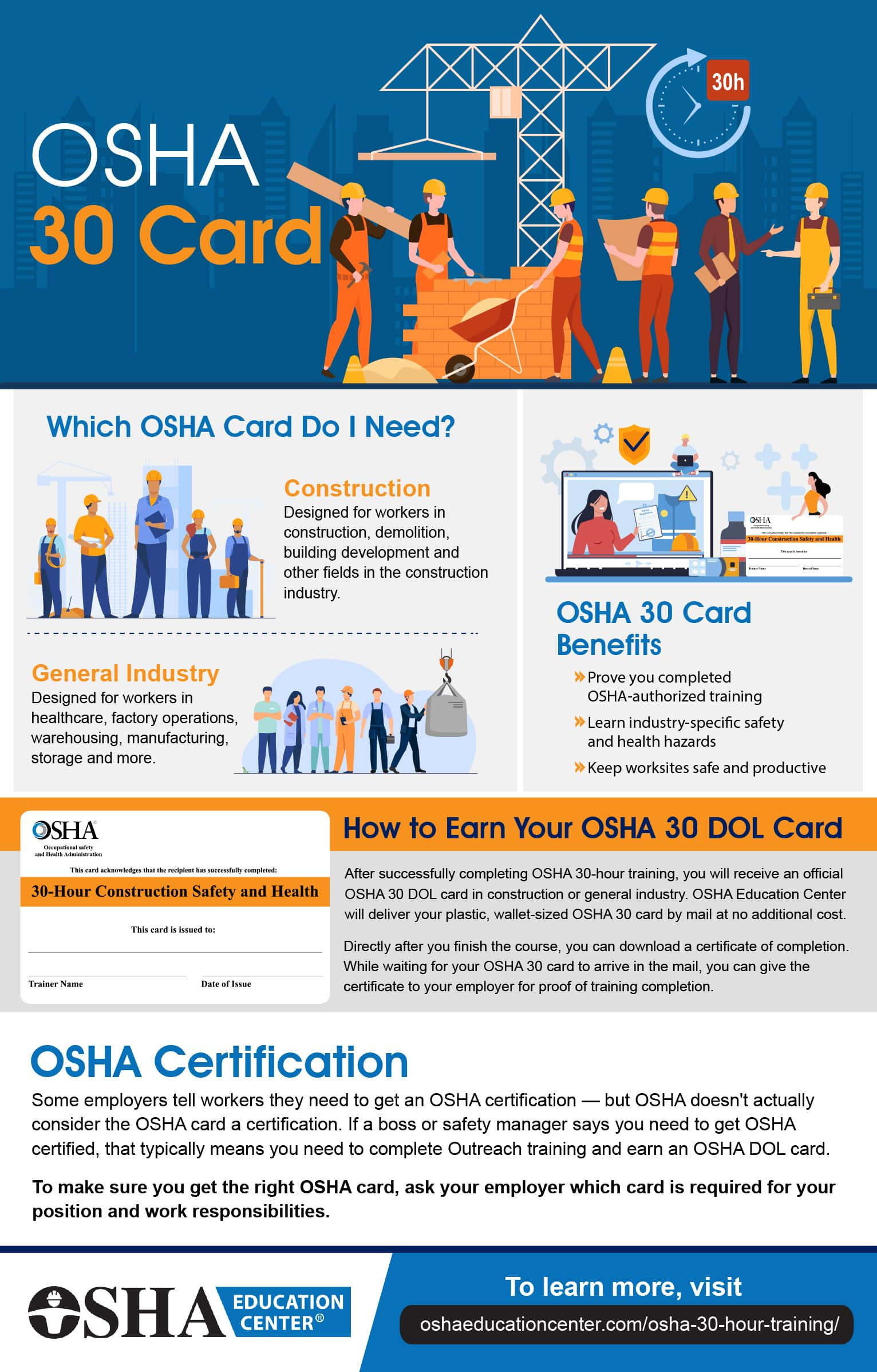
Source : oshaeducationcenter.com
What Documentation Will You Receive?
Will it be an official DOL card (for Outreach)? A detailed certificate of completion? Does the documentation clearly state the course taken and the standard it meets? Clarity here prevents future headaches. It’s about having the right proof.
What is the Provider’s Reputation?
Check reviews, ask colleagues, and look for established names in the online safety training world. A provider with a solid track record is more likely to offer a high-quality, legitimate course. Trust your gut and do your homework.
Is the Price Fair for the Value Offered?
Compare prices, but more importantly, compare the value. Does the course offer Full content, experienced instructors (even if online), and clear documentation? A slightly higher price for a genuinely legitimate and effective course is always worth it. Don’t just chase the cheapest option.
A Quick Look at Reputable Providers and Their Offerings
| Provider | Primary Offerings | Key Features | Price Range (Est.) | Legitimacy Factor |
|---|---|---|---|---|
| Official OSHA Directory Listings | OSHA 10/30-Hour Outreach (Construction & General Industry) | Directly Authorized by OSHA, Official DOL Card | $50 – $200 | Highest (for Outreach) |
| OSHA.com | OSHA 10/30-Hour, HAZWOPER, General Safety | User-friendly platform, course previews, bulk discounts | $59.99 – $159.99 (Varies by course) | Reputable, offers authorized courses |
| ClickSafety | OSHA 10/30-Hour, EM 385-1-1, General Safety | Experienced instructors, focus on compliance, sales on popular courses | $ Variable (Check site for deals) | Established provider, clear course details |
| National Safety Council (NSC) | Various Safety Training, some OSHA-related | Non-profit organization, Full safety resources | Variable | High credibility, check specific course authorization |
| American Red Cross (Safety Training) | First Aid, CPR, some specialized safety | Widely recognized, focuses on emergency response | Variable | Credible for related safety, verify OSHA compliance |
Remember, the table above is just a snapshot. Always do your own due diligence before purchasing any training. Verify authorization for Outreach programs and Make sure specialized course content meets the relevant OSHA standards. This is about ensuring your online safety training is effective and compliant.
Final Thoughts: Prioritize Real Safety Over Fake Certificates
Don’t cut corners when it comes to safety training. The risks – to your employees and your business – are far too high. Finding legitimate OSHA online training isn’t rocket science, but it does require a bit of vigilance.
Stick to authorized providers, understand what you’re actually buying, and always verify credentials. Your commitment to genuine safety will pay dividends in the long run. Stay safe out there!
Frequently Asked Questions
Where can I get OSHA certified online?
Lots of places, honestly! But to be legit, you gotta look for training providers recognized by OSHA or accredited by a recognized body. Search for official OSHA Outreach Training Program providers. Many reputable online platforms offer these courses, just make sure they explicitly state they are OSHA-compliant. Always check for reviews and their credentials before signing up to Make sure you get realOSHA certification.
Is OSHA training school legit?
Yeah, totally! But just like anything, there are fakes out there. The real deal will offer official OSHA cards (like the DOL OSHA card for the 10-hour and 30-hour courses) upon completion. Legitimate schools are authorized by OSHA to deliver the curriculum. If a ‘school’ can’t show you proof of their authorization or doesn’t issue the official DOL card, steer clear. Look for programs that are transparent about their accreditation and outcomes to confirm it’s a legitimate OSHA training provider.
How long does OSHA online training take?
Depends on the course you need! The OSHA 10-hour and 30-hour Outreach Training Programs, for instance, are pretty self-explanatory in length. Some specialized courses might be shorter, maybe just a couple of hours. You can usually find the estimated time commitment on the course description page of the provider’s website. It’s all about getting therequired safety knowledge.
What’s the difference between OSHA training and OSHA certification?
Good question! OSHA training covers specific safety and health topics required by OSHA for different industries. ‘Certification’ usually refers to the completion card you get after finishing an approved training course, like the DOL OSHA card for the Outreach program. So, you complete the OSHA training, and that earns you the ‘certification’ card. It’s proof you’ve met the training requirements.
Can I get OSHA certified for free online?
Sometimes, yes, but it’s rare for official certification. You might find free introductory safety courses, but the official OSHA Outreach Training Program courses that come with the DOL card usually have a fee. This fee covers the cost of the authorized trainer and the processing of your official card. Keep an eye out forfree safety resources, but be skeptical of ‘free official certification’ offers.
