Where To Get First Aid Certified For Babysitting: Your Guide
So, you wanna be the go-to babysitter in the neighborhood? Awesome! But let’s be real, parents aren’t just handing over their precious cargo to anyone with a pulse and a Netflix password. They want someone prepared for anything. That means getting certified in first aid and CPR. It’s not just a piece of paper; it’s peace of mind for them and a serious leg up for you.
Forget the dusty old pamphlets. We’re talking about real skills that could genuinely save a life. This isn’t just about meeting a parent’s requirement; it’s about being confident when things go sideways. Because let’s face it, kids are accident magnets. And when that happens, you need to know what to do, pronto.
Why First Aid Certification is Non-Negotiable for Sitters

Source : americanhealthtraining.com
The “What If” Factor: Beyond Band-Aids
Every babysitter needs to think about the “what if.” What if little Timmy takes a tumble down the stairs? Or Susie chokes on a grape? These aren’t fun scenarios, but they happen. Having first aid knowledge means you won’t freeze up. You’ll know how to assess the situation and act. It’s the difference between panic and prompt action.
Building Trust: Parents’ Top Priority
It from a parent’s perspective. They’re leaving their child in your care. What’s their biggest worry? Safety, obviously. A first aid certification screams “responsible” and “trustworthy.” It shows you’ve taken the initiative to learn Key life-saving skills. That’s huge for earning their trust. It’s a major selling point.
Boosting Your Babysitting Business
Let’s talk business. In a sea of potential sitters, how do you stand out? Having certifications like CPR and First Aid on your resume makes you a premium candidate. Parents are willing to pay more for a sitter who is certified and experienced. It can seriously boost your earning potential. Plus, you’ll get more calls.
Top Places to Get Certified: The Usual Suspects
The American Red Cross: The Gold Standard
You can’t really talk about first aid and CPR without mentioning the American Red Cross. They’re practically synonymous with emergency preparedness. They offer a ton of courses specifically geared towards babysitters and child care providers. You’ll find both online and in-person options, which is super convenient.
Their courses cover Needed skills like how to handle common childhood injuries, choking emergencies, and basic life support. You can find their specific babysitting courses and child care training options on their website. They’re recognized nationwide, so no matter where you are, a Red Cross certification holds weight.

Source : reddit.com
The American Heart Association: Another Heavy Hitter
The American Heart Association (AHA) is another major player. While they might be more focused on healthcare professionals, they also offer excellent CPR and First Aid courses that are perfect for babysitters. Their training is rigorous and highly respected. You’ll definitely leave feeling prepared.
AHA certifications are known for their thoroughness. They often have hands-on components that really solidify the learning. If you want a certification that’s incredibly Strong, checking out your local AHA training center is a smart move. Many hospitals and community centers partner with them.
Local Fire Departments & Community Centers: Hometown Heroes
Don’t underestimate your local resources! Many fire departments offer low-cost or even free CPR and First Aid classes to the community. It’s a fantastic way to get certified without breaking the bank. These classes are often taught by experienced emergency responders.
Similarly, community centers and YMCA branches frequently host first aid and babysitting certification courses. These are usually very accessible and cater to younger individuals looking to get into babysitting. Check their bulletin boards or websites for schedules. It’s a great way to learn locally.
Course Formats: Finding What Works for YOU
In-Person Classes: Hands-On Learning
These are the traditional classes where you sit in a room, watch demonstrations, and practice skills on mannequins. For hands-on learners, this is the best way to go. You get direct feedback from an instructor and can ask questions in real-time. Plus, you actually practice the physical skills, like chest compressions.
The downside? They require a specific time commitment and you have to travel to a location. But if you want the most Full understanding and the confidence that comes from direct practice, an in-person class is hard to beat. You’ll be way more comfortable performing skills.
Online Courses: Learn at Your Own Pace
Technology has made it super easy to get certified online. Many organizations offer online first aid and CPR courses. You can complete the knowledge portion from your couch, anytime, anywhere. This is perfect for busy students or anyone who prefers self-paced learning.
The catch? Most online-only certifications aren’t sufficient for babysitting roles. You usually need to complete an in-person skills session afterward to get your official certification card. It’s a blended approach. Think of it as getting the book smarts online and then the practical test in person.
Blended Learning: The Best of Both Worlds
This is where you combine online learning with a mandatory in-person skills check. You complete the theoretical part of the course online at your convenience. Then, you attend a shorter, focused in-person session to practice the physical skills and get evaluated by an instructor. It’s efficient and effective.
This format is increasingly popular because it saves time while still ensuring you have the practical skills. You get the flexibility of online study with the assurance of hands-on training. It’s a win-win for many people.
What to Expect in a Babysitting First Aid Course
Core First Aid Skills You’ll Master
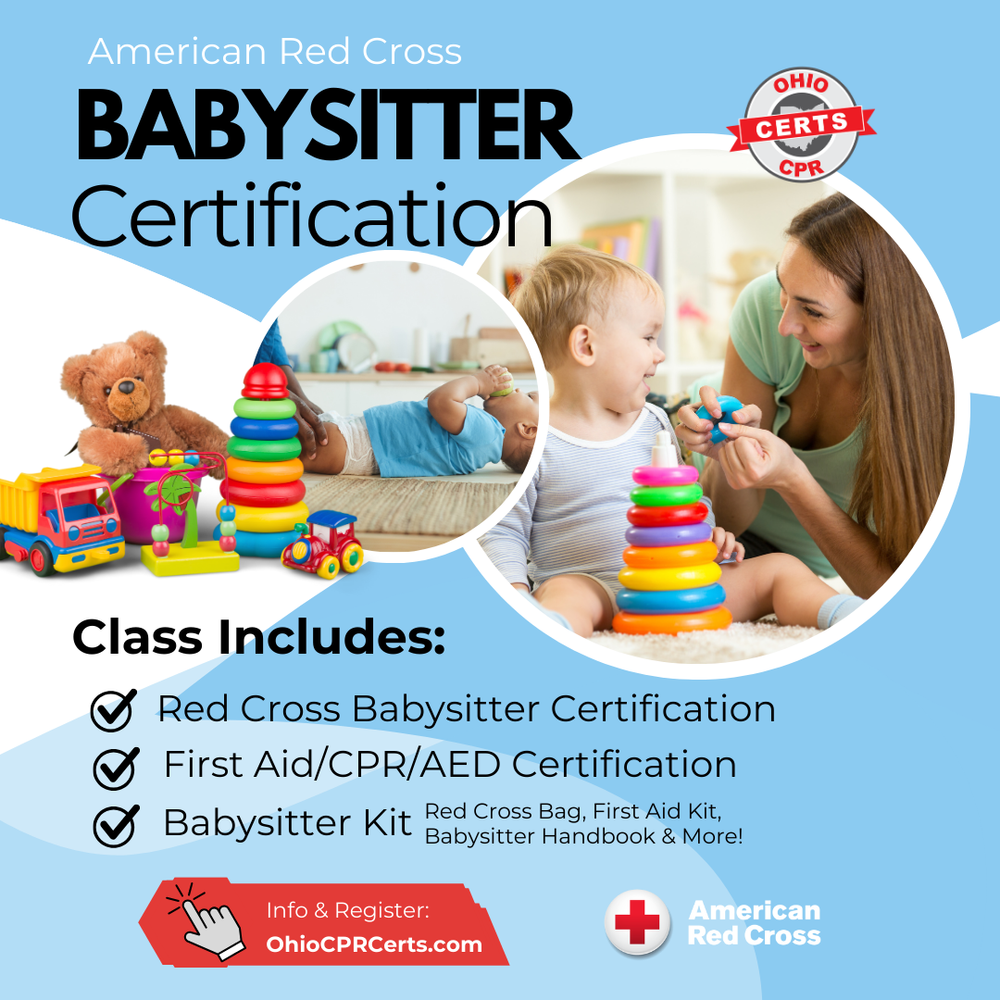
These courses dive deep into common childhood emergencies. You’ll learn how to handle cuts, scrapes, burns, nosebleeds, and sprains. Expect to learn about recognizing and responding to allergic reactions, insect stings, and even poisoning. It’s all about being ready for the everyday boo-boos.
You’ll also cover more serious issues like managing shock, dealing with broken bones, and understanding when it’s time to call for professional help versus handling it yourself. It’s a lot of information, but presented in an actionable way. Knowing first aid basics is Key.
Source : ohiocprcerts.com
CPR Essentials: Saving a Life
Cardiopulmonary Resuscitation (CPR) is a Foundation of these certifications. You’ll learn how to perform CPR on infants, children, and adults. This includes proper hand placement, compression depth, and rescue breaths. You’ll practice on manikins designed for realism.
You’ll also learn how to use an Automated External Defibrillator (AED), which is becoming more common in public places. Understanding how to use an AED can be critical in cardiac emergencies. This is a skill worth mastering.
Choking Procedures: A Critical Skill
Choking is a terrifying prospect for any caregiver. Courses will teach you the specific techniques for dislodging objects from the airways of infants and children. Back blows and abdominal thrusts (or chest thrusts for infants) are key skills you’ll practice repeatedly. You need to be confident here.
The training emphasizes recognizing the signs of choking versus just gagging. You’ll learn when to intervene and how to perform the maneuvers effectively and safely. This is probably one of the most Key skills you’ll take away.
Choosing the Right Certification for You
Certification Bodies: Red Cross vs. AHA vs. Others
The American Red Cross and American Heart Association are the most recognized. Their certifications are widely accepted by parents and agencies. Some local organizations might offer their own certifications, but double-check if they are well-regarded in your area.
For babysitting, either Red Cross or AHA will serve you well. They both provide excellent training. Consider which one offers classes that fit your schedule and budget best. The important thing is to get proper, certified training.
Course Duration and Cost: What to Budget
Class length can vary. Online portions can take a few hours. In-person skills sessions might be anywhere from 1-4 hours. Full, Full in-person courses could be a full day or split over a couple of sessions. Check the course details before you sign up.
Costs can range from $30-$100+, depending on the provider and location. Some community-based classes might be cheaper. Factor this into your decision. Getting certified is an investment in your babysitting career. It’s money well spent.
Finding Classes Near You: Practical Steps
Start with online searches. Use terms like “babysitting certification near me,” “CPR classes for babysitters [your city],” or “first aid course [your town].” Websites like the American Red Cross (`Red Cross babysitting classes`) are excellent starting points.
Don’t forget to check local hospital websites, community centers, and even pet stores (they often host pet first aid, but sometimes do people ones too!). Call your local fire department – they’re often a great resource for community training schedules. You might be surprised by the options available.
Making the Most of Your Training
Practice, Practice, Practice!
Skills fade if you don’t use them. Even after getting certified, mentally run through emergency scenarios. If you have access to a CPR manikin, practice periodically. The goal is to build muscle memory for critical actions. Confidence comes from repetition.
Review your certification materials occasionally. Refresh your memory on key procedures. Being ready means being practiced. It’s like rehearsing for a play; the more you do it, the smoother it goes when the time comes. This is key to being prepared.
Source : redcross.org
Stay Updated: Renewals Matter
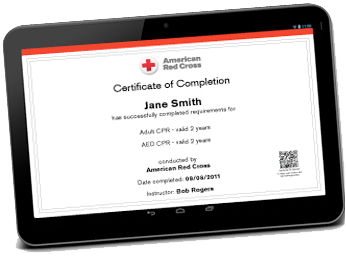
Most CPR and First Aid certifications are valid for two years. Don’t let yours expire! Keeping your certifications current shows ongoing commitment. It’s a sign you take your role as a caregiver seriously. Parents appreciate sitters who stay up-to-date.
Look for renewal courses before your expiration date. Mark it on your calendar! Lapsed certifications mean you have to take the full course again, which is an unnecessary hassle and expense. Timely renewals are smart.
Beyond the Basics: Extra Skills
Consider adding other relevant skills. Basic water safety courses or even a short course on babysitting a child with special needs can make you even more marketable. Think about what kind of families you want to work with and tailor your extra training accordingly. Being extra prepared is never a bad thing.
Some parents might even seek out sitters with specific certifications, like certifications in working with infants or toddlers. Expanding your skillset opens up more opportunities and makes you a more valuable asset. It’s about offering more value.
A Quick Comparison Table
| Provider | Typical Course Focus | Format Options | Recognition | Pros | Cons |
|---|---|---|---|---|---|
| American Red Cross | Babysitting, Child Care, First Aid, CPR/AED | In-Person, Online + Skills Session | Nationwide & International | Specific babysitting courses, widely recognized, app support | Can be more expensive than local options |
| American Heart Association (AHA) | CPR, BLS, First Aid | In-Person, Online + Skills Session | Nationwide & International | Highly respected, rigorous training, excellent for CPR | Fewer specialized “babysitting” courses, might feel more medical |
| Local Fire Depts/Community Centers | CPR, First Aid | Primarily In-Person | Local/Regional | Often low-cost or free, community-focused | May have limited schedules, less specialized for babysitting |
Getting first aid certified for babysitting is a smart move. It’s Needed for safety and a huge plus for your reputation. Don’t put it off – get trained and get babysitting with confidence!
Frequently Asked Questions
Do you need CPR certification to babysit?
Yeah, it’s really a good idea. While not always legally required, most parents expect CPR certification. It shows you’re prepared for emergencies.
What certifications do I need for babysitting?
Definitely First Aid and CPR. Some places might offer babysitting-specific courses that cover safety and child care too. Look into the Red Cross or local community centers.
Is $25 an hour good for babysitting two kids?
That’s actually a pretty great rate! It really depends on your experience, location, and the kids’ ages, but $25/hour for two is definitely on the higher end, and you deserve it!
Do you need a license to babysit at home?
Generally, no, not for casual, in-home babysitting. But if you’re ruing a small in-home daycare, you might need specific licenses and certifications. Check your local laws.
Where is the best place to get first aid certified for babysitting?
You’ve got options! The American Red Cross is super well-known and offers classes online and in-person. Local hospitals, community colleges, and even some YMCA branches offer first aid certification too. It’s all about finding a convenient and reputable provider.
