So, you wanna teach CPR? That’s awesome. Seriously. It’s more than just a class; it’s about empowering people, giving them the skills to step up when it matters most. Think about it.
You’re not just pushing paper or reciting facts. You’re shaping confidence. You’re building lifesavers.
But before you’re up there, chalk (or manikin spray) in hand, there’s a path. And yeah, it takes a little more than just knowing CPR yourself.
Why Teach CPR? It’s Not Just a Job.
The Ripple Effect of Saving Lives
Look, anyone can get CPR certified. It’s a valuable skill for parents, for coworkers, for literally anyone. But teaching it? That amplifies your impact a thousandfold. You’re not just saving one life; you’re enabling dozens, maybe hundreds, down the line. It’s a pretty heavy responsibility, and honestly, a really cool one.
Beyond the Paycheck: True Fulfillment
Let’s be real, you can make some decent money teaching CPR. But that’s not the main draw for most instructors I’ve met. The real juice is in seeing that “aha!” moment on someone’s face when they finally get it. That’s pure gold. Knowing you’ve equipped someone with the ability to act during a cardiac emergency? That’s fulfillment you can’t buy.
Building a Community of Preparedness
Every person you train is a potential first responder. You’re literally building a network of preparedness in your community. Think about that for a second. You’re not just an instructor; you’re a community builder. It’s about strengthening the safety net, one person at a time.
Understanding the Governing Bodies
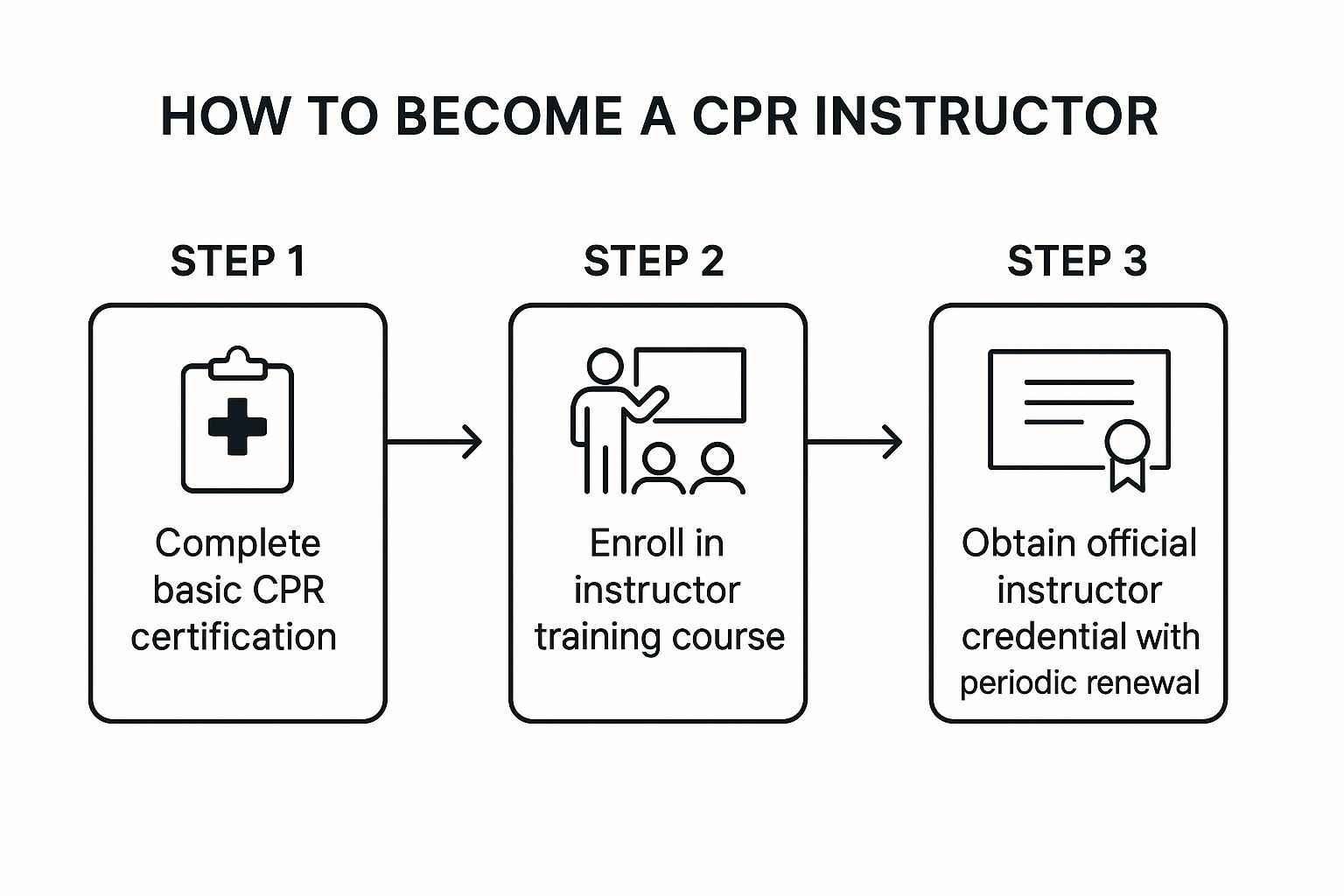
Source : readyresponsepa.com
The Big Two: Red Cross and AHA
When you’re talking about official CPR certification and instructor credentials in the US, two names dominate the scene: The American Red Cross and the American Heart Association (AHA). These aren’t just random organizations; they set the standards, develop the curriculum, and provide the official instructor training. You’ll pretty much be aligning with one of them.
Why Certification Matters (and Isn’t Just a Piece of Paper)
This isn’t like getting a participation trophy. Your certification as a CPR instructor means you’ve met a specific set of requirements. It signifies you’ve completed the necessary training, passed the tests, and are deemed competent to teach their approved methods. Employers and participants trust these certifications. It’s about credibility, plain and simple.
Choosing Your Path: Red Cross vs. AHA
Both have fantastic programs, but they do have their differences in approach, materials, and instructor requirements. The Red Cross, for example, has a massive reach and often partners with community organizations. The AHA is known for its extensive research and very specific protocols. You’ll want to poke around and see which one resonates more with your teaching style and target audience. You can check out the Red Cross instructor pathway right here: Red Cross instructor training.
The Needed Prerequisites: Are You Eligible?

Source : abc13.com
Step 1: Be Alive (and Breathing!)
Okay, this sounds obvious, right? But seriously, you need to be a living, breathing human being. Beyond that, you usually need to be at least 16 or 18 years old, depending on the certifying body and the specific course you plan to teach. Check the details for the organization you choose.
Step 2: Possess Current CPR/AED Certification
This is non-negotiable. You can’t teach someone CPR if you aren’t proficient yourself. You’ll need a current, valid CPR/AED certification from the same organization whose instructor course you plan to take. So, if you want to be an AHA instructor, you’ll need a current AHA CPR certification. It proves you know the material cold.
Step 3: Demonstrate Competency (The Skills Test)
Both the Red Cross and AHA will want to see that you’ve got the moves. This usually involves a skills check. You’ll have to perform CPR and other relevant skills competently on a manikin. They’re looking for proper technique, correct pacing, and adherence to the protocols. It’s not just about knowing the steps; it’s about doing them right.
Step 4: Access to Necessary Resources
What you’ll need to teach. This includes things like manikins, AED training devices, barrier devices, cleaning supplies, and potentially access to a facility. Some organizations might have specific equipment requirements you need to meet even before you start the instructor course. You can learn more about becoming an AHA instructor here: AHA instructor information.
Your First Major Hurdle: The Instructor Course

Source : mycprcertificationonline.com
Coursework: What to Expect
This is where the real learning begins. The instructor course isn’t just a quick review; it’s designed to teach you how to teach. You’ll cover adult learning principles, how to effectively use teaching materials, how to assess student competency, and how to manage a classroom environment. It’s a blend of theory and practical application. You’ll learn how to break down complex skills into manageable steps for your students.
Teaching Practice: Getting in the Zone
Part of the instructor training involves practice teaching sessions. You’ll likely have to teach a specific module or skill to your peers or to the instructor trainer. This is your chance to hone your delivery, get feedback, and build your confidence. Don’t be shy; this is what it’s all about! Showing you can convey the information clearly and effectively is key.
The Written Exam: Proving You Know the ‘Why’
Alongside the practical skills, there’s usually a written exam. This tests your knowledge of the CPR guidelines, emergency response systems, and the teaching methodologies covered in the course. You need to understand not just the “how,” but also the “why” behind the protocols. Passing this exam is Key for instructor certification.
The Heart of Teaching: Feedback and Assessment
You’ll be trained on how to give constructive feedback to your own students. This involves identifying areas where they excel and areas where they need improvement, all while maintaining a positive and encouraging learning environment. Effective assessment is a Foundation of becoming a great CPR instructor. You’re not just testing them; you’re helping them learn and improve.
Alright, let’s cut through the noise and get down to brass tacks. You want to teach CPR? Fantastic. It’s a skill that genuinely saves lives, and frankly, we need more people doing it. But getting that certification? It’s not always as straightforward as clicking a button. Let’s dive deep into the nitty-gritty, no fluff, just the facts you need to get started.
How Do I Become Certified To Teach Cpr For American Heart Association
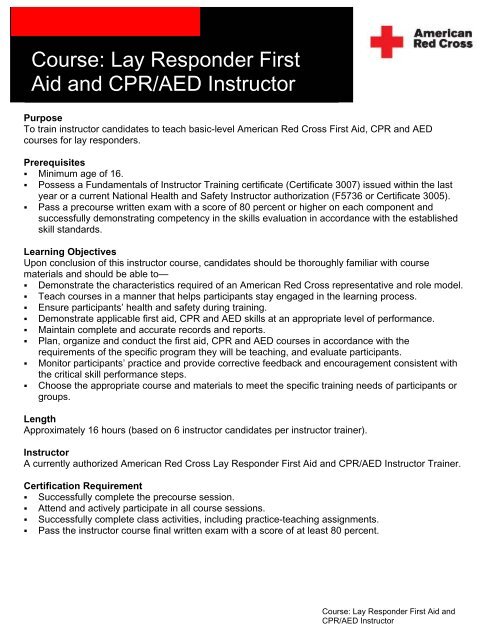
Source : yumpu.com
The American Heart Association (AHA) is a big player in CPR certification. They’re incredibly reputable, and their courses are widely recognized. If you’re aiming for that specific stamp of approval, here’s the rundown.
AHA Instructor Essentials Course: The Core Component
You can’t just wake up and decide to teach AHA CPR. There’s a specific path. First, you’ll need to complete the AHA’s Instructor Essentials Course. This isn’t just a review of CPR techniques; it dives into how to effectively teach them. Think adult learning principles, course management, and how to assess students properly. It’s the bedrock of your AHA instructor credentials.
Provider Course Prerequisite: Prove Your Own Skills
Before you can even think about teaching, you’ve gotta be a solid CPR provider yourself. You need a current AHA BLS (Basic Life Support) Provider card. This means you’ve successfully completed a standard AHA BLS course and passed its associated tests. They want to Make sure you know what you’re doing before you’re guiding others.
Discipline-Specific Instructor Training
The AHA offers instructor training for various disciplines – BLS, ACLS (Advanced Cardiovascular Life Support), PALS (Pediatric Advanced Life Support), and more. You’ll need to choose the specific discipline you want to teach and complete the corresponding instructor course for that. It’s not a one-size-fits-all deal. Each requires specialized knowledge and teaching methodologies.
The Gateway to Teaching: Becoming an AHA Instructor
Once you’ve nailed the Instructor Essentials and your discipline-specific training, you’ll need to find a Training Center Coordinator (TCC) within an AHA-affiliated Training Center. They’re the gatekeepers. You’ll typically need to pass a skills test and a written exam. This proves you’ve mastered the material and are ready to impart that knowledge. Becoming an AHA instructor is a commitment, but it’s a highly respected one.
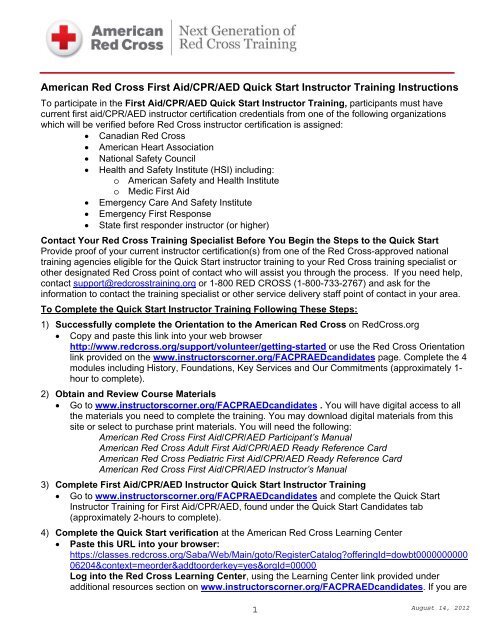
Steps To Become A Red Cross Cpr Instructor Online
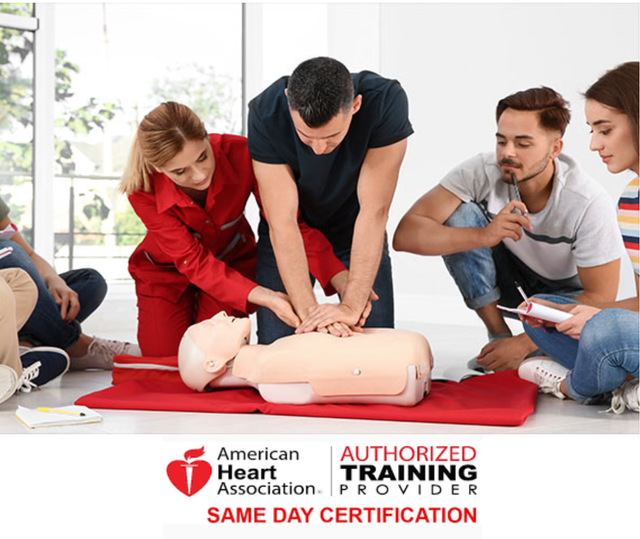
Source : willowgrovecpr.com
The American Red Cross is another massive organization with a Strong CPR training program. Many people find their online options particularly appealing, offering flexibility. But don’t let “online” fool you; there’s still significant hands-on work and rigorous testing involved.
Finding Your Red Cross Training Center
The first practical step? Locate a Red Cross Training Center near you or one that offers the specific program you’re interested in. While some aspects might be online, the practical skills evaluation and final certification usually require in-person attendance. Proximity and program availability are key considerations here.
Prerequisite Red Cross Certification
Just like AHA, the Red Cross requires you to hold a current certification in the specific course you intend to teach. For example, if you want to teach CPR/First Aid, you’ll need to have a valid Red Cross CPR/First Aid certification yourself. You need to be proficient before you can be certified to instruct.
Online Blended Learning Components
The Red Cross often utilizes a “blended learning” approach. This means you’ll complete a significant portion of the coursework online – theory, videos, and quizzes. This is where the flexibility comes in. You can often work through these modules at your own pace, fitting it around your existing schedule. It’s a smart way to cover the foundational knowledge efficiently.
In-Person Skills Session and Final Assessment
After conquering the online modules, you must attend an in-person skills session. This is non-negotiable. Here, an instructor will observe you performing CPR and other required skills. You’ll also likely take a final written exam. Passing this session is Key for your Red Cross instructor certification.
Maintaining Your Instructor Status
Getting certified is just the first hurdle. To keep your Red Cross instructor credentials active, you’ll need to meet ongoing requirements. This often includes teaching a minimum number of classes per cycle and completing renewal training. It’s about staying current and ensuring you’re always providing the best possible instruction.
How Much Does It Cost To Become Certified To Teach Cpr
Source : cprmesa.org
Let’s talk money. Because, let’s be honest, nobody wants to pour their savings into a certification only to find out it wasn’t worth it. The cost can vary quite a bit, depending on the organization, the specific courses you need, and whether you’re starting from scratch or already have some certifications.
Course Fees: The Big Ticket Item
The most significant expense will be the instructor training courses themselves. These can range from a couple of hundred dollars to upwards of $500 or more, especially for advanced certifications like ACLS or PALS instructor courses. The AHA Instructor Essentials course, for example, has its own fee, and then you’ll add the cost of the discipline-specific instructor training.
Materials and Equipment Costs
Beyond the course fees, you’ll likely need to purchase instructor materials. This can include instructor manuals, student manuals, quick reference guides, and sometimes even access to online training portals. If you plan to teach on your own, you’ll also need to factor in the cost of CPR manikins, AED trainers, pocket masks, and other equipment. This is where the investment can really climb, especially for a well-equipped training center.
Certification and Renewal Fees
Don’t forget about the initial certification fees and, crucially, the renewal fees. Most CPR instructor certifications are valid for a set period (usually two years). To maintain your status, you’ll need to pay for renewal training and potentially new certification cards. Factor these recurring costs into your budget from the start.
Potential Hidden Costs
Consider travel expenses if you need to attend in-person training sessions that aren’t local. There might also be administrative fees charged by the training center. It’s always wise to get a clear breakdown of all anticipated costs before committing to a program. Transparency is key when discussing the cost of CPR instructor certification.
| Cost Component | Estimated Range (USD) | Notes |
|---|---|---|
| Provider Course (e.g., BLS) | $50 – $150 | Required prerequisite |
| Instructor Essentials Course (AHA) | $100 – $250 | Core teaching methodology |
| Discipline-Specific Instructor Course | $150 – $400 | e.g., BLS, ACLS, PALS Instructor |
| Instructor Manuals & Materials | $50 – $200 | May be digital or physical |
| Initial Certification Fee | $0 – $100 | Varies by training center |
| Renewal Fees (Every 2 Years) | $75 – $200 | Includes renewal training |
| Training Equipment (Optional, for independent instructors) | $300 – $1000+ | Manikins, AED trainers, etc. |
Requirements To Become A Certified Cpr And First Aid Instructor
Source : yumpu.com
So, you’ve got the drive, but what are the actual checkboxes you need to tick? Different organizations might have slight variations, but the core requirements are pretty consistent across the board. They want to Make sure you’re competent, ethical, and capable of teaching potentially life-saving skills.
Demonstrated Proficiency in CPR and First Aid
This is the absolute baseline. You must hold a current, valid certification in the specific CPR and First Aid courses you wish to teach. This usually means passing both the skills and written exams for the provider-level course. They’re not going to certify you to teach something you haven’t mastered yourself. It’s about credibility.
Completion of Instructor Training Course
As we’ve discussed, there’s a dedicated instructor training program for virtually every reputable certification body. This course focuses on the pedagogy of CPR and First Aid – how to teach effectively, manage a classroom, evaluate students, and handle different learning styles. It’s not just about knowing CPR; it’s about knowing how to transfer that knowledge.
Passing Instructor Candidate Assessment
Most programs require you to demonstrate your competency as an instructor during training. This often involves a skills check where you might teach a skill to an evaluator, and a written exam covering both the subject matter and teaching principles. Some programs might require you to apprentice teach or co-teach a class under supervision. Think of it as a practical exam for your teaching abilities.
Alignment with a Licensed Training Center
In many cases, especially with larger organizations like the AHA or Red Cross, you need to be affiliated with an officially licensed Training Center. This center acts as your administrative hub, providing access to official materials and ensuring you adhere to the organization’s standards. You can’t typically just get certified in a vacuum; you need to be part of their network. You can find more details on this via resources like the Massachusetts government guide to CPR and First Aid instructors, which outlines general expectations.
Age and Background Requirements
While not always explicitly stated in marketing materials, most organizations have minimum age requirements (typically 18 years old) and may conduct background checks, particularly if you’ll be working with vulnerable populations or teaching in schools. Ethical conduct is Top in this field.
How To Start A Cpr Certification Business From Home

Source : cpred.com
Thinking of going solo? Running your own CPR certification business from home can be incredibly rewarding. You set your own hours, choose your clients, and build something from the ground up. But it takes more than just a passion for CPR.
Choosing Your Certifying Body and Niche
First, decide which organization’s certification you’ll offer (AHA, Red Cross, etc.). Each has different requirements for their instructors and training centers. Consider your niche: Will you focus on healthcare professionals (requiring ACLS/PALS), businesses needing OSHA compliance, community members, or maybe babysitters and parents? Defining your target audience helps tailor your offerings.
Obtaining Your Instructor Credentials
This is the foundational step. You need to be certified as an instructor through your chosen organization. Follow the steps outlined earlier for AHA or Red Cross. Without official instructor status, you can’t legally offer their certifications. It’s the license to operate.
Setting Up Your Training Space (Even if it’s Home)
While you can start from home, you’ll need a suitable space. This means an area large enough to conduct practical skills sessions for a small group, with good lighting and ventilation. You’ll need tables, chairs, and potentially audio-visual equipment like a projector or TV. Safety regulations often dictate minimum space requirements per participant.
Acquiring Necessary Equipment and Materials
You’ll need to invest in training manikins (adult, child, infant), AED training devices, pocket masks, barrier devices, and any other supplies required by your chosen certifying body. Don’t forget instructor manuals and student workbooks. Starting small is fine, but quality equipment is Needed for effective training and reflects positively on your CPR certification business.
Handling Business Licenses and Insurance
Depending on your location, you might need a business license to operate legally from home. Crucially, you’ll need liability insurance. Teaching CPR involves inherent risks, and insurance protects you if an incident occurs during training. This is a non-negotiable cost for any serious business owner. Research local regulations thoroughly before you start accepting students.
Frequently Asked Questions
How long does it take to become certified to teach CPR?
Honestly, it varies, but you’re usually looking at a couple of days, maybe a weekend workshop if you find the right course. Some are faster, some take longer. It’s not a marathon, but it’s not a sprint either. You need to absorb the material, practice the skills, and prove you can teach it. Factor in the course time plus any study or prep work. Certification timeline really depends on the provider and how quickly you learn.
How much do CPR instructors get paid per class?
Okay, this is the juicy part, right? Pay scales are all over the place. It can range from maybe $30-$50 an hour, or sometimes they pay per class, maybe $100-$200 per session. Big hospitals or large corporations might pay more. Freelance instructors, though? You gotta hustle to fill your classes. Don’t expect to get rich quick, but it’s decent pocket money, especially if you teach CPR part-time.
How to be an instructor for CPR?
Simple: find a reputable training provider, take their instructor course (which covers teaching methodology and the latest guidelines), pass their exams, and then get affiliated with them to teach. You can’t just decide to teach CPR; you need their official blessing and curriculum. Think of it like needing a license to drive – you need the official CPR instructor certification.
Can I teach CPR without being a nurse or doctor?
Absolutely, you can! You don’t need a medical degree. Most major CPR organizations, like the American Heart Association or American Red Cross, offer instructor certifications open to anyone who completes their specific training programs. Your job is to teach the skills, not to perform medical procedures. It’s about conveying knowledge, not being a doctor. So yeah, non-medical professionals can teach.
What’s the difference between a CPR Provider and an Instructor?
Great question! A CPR provider is someone certified to perform CPR in an emergency – like a lifeguard, a parent, or a healthcare worker who took the basic course. An instructor, though, is trained and certified to teach others how to perform CPR. They’ve gone through extra steps to learn the curriculum and teaching techniques. It’s the difference between being a student and being the teacher. Instructors get the official certification to train providers.
