So, you’ve got your NATE certification. Awesome. But now what? That shiny piece of paper doesn’t last forever, you know. Letting it lapse? That’s a rookie mistake. You need to know the NATE certification renewal requirements if you want to keep that status legit. It’s not rocket science, but you can’t just wing it either.
Keeping Your NATE Certification Current: Why Bother?
Demonstrating Ongoing Competence
Look, the HVAC industry moves fast. New tech, new regulations, new weird problems that make you scratch your head. Renewing your NATE certification shows you’re not stuck in the past, still fiddling with R-22 like it’s 1999. It proves you’re keeping up.
Marketability and Professional Credibility
This is big. When a customer sees that NATE logo, they think “competent.” They think “professional.” Renewing your certification means you’re serious about your trade. It’s a serious selling point, plain and simple. Nobody wants a hack working on their expensive system.
Industry Recognition and Respect
Being NATE certified is a badge of honor. It’s respected by peers and employers alike. Not renewing? You just downgraded yourself from ‘expert’ to ‘used-to-be-expert.’ Don’t let that happen. It’s about staying relevant.
Understanding the Core Renewal Process

Source : lincolntech.edu
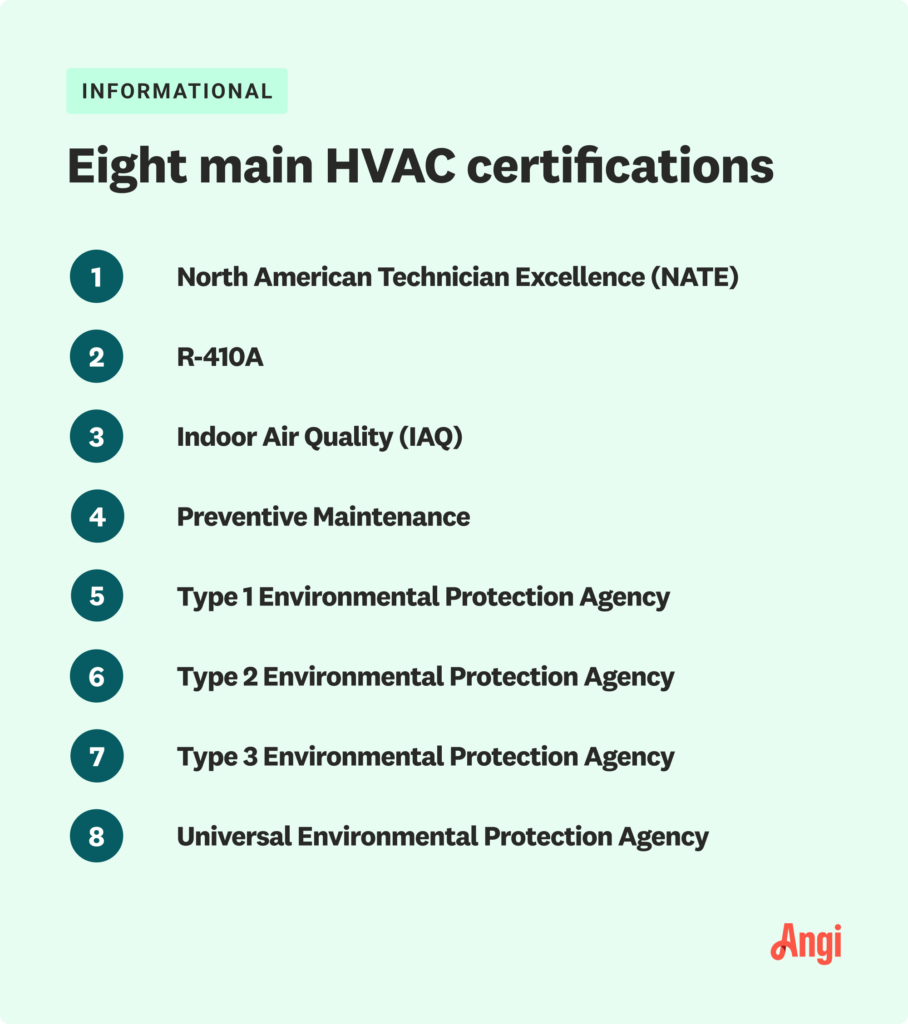
Source : tempacurehvac.com
The Three-Year Renewal Cycle
First off, get this straight: your NATE certification isn’t a lifetime achievement award. It’s valid for three years. Mark your calendar. Set reminders. Whatever you do, don’t let that expiration date creep up on you. Three years flies by faster than you think.
Continuing Education Units (CEUs): The Main Event
This is the meat and potatoes of renewal. NATE requires you to earn a certain number of Continuing Education Units (CEUs) over that three-year period. It’s how they make sure you’re still learning. Think of it as paying your dues to stay sharp. The exact number can vary slightly, so always check the official guidelines.
The Application and Fee
Once you’ve racked up your CEUs, you gotta submit a renewal application. And yeah, there’s a fee. NATE isn’t a charity. This covers their administrative costs and helps them keep the certification program running. Factor this into your budget.
Earning Your CEUs: What Counts?
Approved Training Courses and Seminars
This is the most common way folks earn CEUs. Take courses that NATE has specifically approved. These could be manufacturer training, trade association workshops, or technical school classes. It’s all about formal learning. Always verify if a course is NATE-approved before you sign up.

Source : lincolntech.edu
Industry Events and Conferences
Attending major HVAC industry conferences? Often, you can get CEUs for participating. Think of shows like AHR Expo. These are great opportunities not just for learning but also for networking and seeing new gear. Plus, free CEUs!
Self-Study and Online Resources
Sometimes, NATE allows CEUs for self-study, but it’s usually more structured. This might involve reading industry publications or completing specific online modules. It’s less common for earning the bulk of your CEUs, but it can supplement what you’ve already got. Check the NATE website for specifics on what they accept.
Special Categories for Renewal
Veteran and Active Duty Considerations
NATE actually has specific provisions for military personnel. If you’re a veteran or active duty member, there might be different pathways or considerations for your renewal. It’s worth looking into if this applies to you. They recognize the skills gained through service. You can find more info on how to recertify on the NATE official site.
Technicians with Multiple Certifications
Got more than one NATE certification? Excellent. NATE has rules about how CEUs can apply across different specialties. You can’t just use the same CEUs for every single certification you hold. There are rules about how credits are applied, and you’ll need to meet the specific requirements for each credential. Don’t assume they all stack neatly.
Recertifying via a New Exam
Here’s an option: instead of chasing CEUs, you can often just pass a new exam. If you’re feeling confident and knowledgeable, retaking the relevant certification exam is a valid way to renew. This is a good route if you find CEU tracking tedious or if a new exam covers material you want to prove mastery of. It’s a direct path to renewal.

Source : nrs.vegas
What Happens If You Miss the Deadline?
The Grace Period (If Any)
Okay, so you missed it. Don’t panic immediately. Sometimes there’s a short grace period, maybe a few extra weeks or a month, where you can still submit your renewal. But this isn’t guaranteed, and you’ll likely face a late fee. It’s risky business relying on this.
Lapsing Certification: The Real Consequences
If you miss the grace period (or there isn’t one), your certification simply lapses. Poof. Gone. You are no longer NATE certified. This means you can’t advertise yourself as such. It impacts your professional standing significantly. Think about that customer looking for a certified technician.
The Path Back: Re-certification vs. Initial Certification
Getting back in after a lapse isn’t always straightforward. Depending on how long it’s been, you might have to go through the entire initial certification process again. That means taking and passing the core and specialty exams from scratch. It’s a much bigger hassle than just staying current. Don’t make this mistake.
Tips for a Smooth Renewal Experience
Stay Organized from Day One
Seriously, keep a folder (digital or physical) for all your training certificates and CEU records. Log them as you earn them. Don’t wait until the last month of your three-year cycle to figure out where you stand. A little organization goes a long way.
Source : everbluetraining.com
Plan Your CEUs in Advance
Don’t just reactively take courses. Look ahead. What training do you need? What interests you? Plan out your CEU earning strategy over the full three years. This makes it less of a frantic scramble later. Consider what you want to learn, not just what you need for renewal.
Verify Approved Providers
Before signing up for any training, double-check that the provider and course are officially NATE-approved for CEUs. You don’t want to waste time and money on training that won’t count towards your renewal. A quick call or website check can save you headaches.
A Comparison of Renewal Paths
| Method | Requirements | Pros | Cons |
|---|---|---|---|
| CEU Accumulation | Earn specified CEUs over 3 years via approved courses, seminars, events. | Continuous learning, exposure to new tech, flexible options. | Requires consistent effort, careful tracking, potential cost of courses. |
| Retake Exam | Pass a new NATE certification exam (Core + Specialty). | Proves current knowledge directly, potentially simpler if good at tests. | Requires dedicated study, exam fees, risk of failure. |
| Military Pathways | Specific provisions for active duty and veterans. | Leverages military training and experience. | Limited to specific personnel, may still require some form of validation. |
The Bottom Line on NATE Renewal
Look, nobody enjoys paperwork and keeping track of credits. But your NATE certification is too valuable to let expire. It’s your credibility, your marketability, and proof you’re serious about this trade. Stay on top of the requirements, plan ahead, and keep learning. It’s a small price to pay for maintaining your professional standing in the HVAC world.
Frequently Asked Questions
How long is a NATE certification good for?
Because NATE certs are super valuable, they typically last for a solid three years. Gotta keep those skills sharp, you know?
What happens if you let your NHA certification expire?
But if your NHA certification lapses, you’ll basically have to reapply and potentially retake the exam. It’s a pain, so don’t let it happen!
What are the continuing education requirements for NATE certification renewal?
To keep your NATE cert valid, you need to rack up a certain number of continuing education units (CEUs) over the three-year period. Specifics vary by certification, so always check the official NATE site.
Can I renew my NATE certification online?
Yeah, for the most part, the renewal process is usually handled online. It’s way easier to submit your CEU documentation and pay the fees through their portal.
Are there different renewal requirements for different NATE certifications?
Definitely. Because NATE offers various specializations, the exact number of CEUs and any specific testing or performance requirements can differ based on the type of certification you hold.
