So, you’re looking into applied behavior analysis, huh?
It’s not just some academic jargon; it’s a powerful way to help people, especially kids with autism, make real progress.
But getting there? That’s a journey.
And honestly, the path to becoming a certified ABA professional can feel a bit like Handling a maze blindfolded. Lots of acronyms, lots of requirements, and a whole lot of waiting if you’re not careful.
I’ve seen too many people get bogged down in the details, so let’s cut through the noise and talk straight about what it actually takes.
This isn’t your typical dry, technical manual. Think of it more like a seasoned mentor pulling you aside and giving you the lowdown.
We’re going to break down exactly what “certified” even means in this field and why it matters more than you might think. Stick with me, and you’ll have a much clearer picture than you started with.
What Exactly Is ABA Therapy, Anyway?
The Core Idea: Behavior is Communication
At its heart, ABA therapy is all about understanding why people do what they do. Seriously, it’s that simple.
Every action, every sound, every gesture—it’s a form of communication. ABA tries to decode that message.
It’s a scientific approach, grounded in learning principles. We’re not just guessing here; we’re using data.
The goal? To increase helpful behaviors and decrease behaviors that might be harmful or get in the way of learning.
More Than Just Autism: A Broad Reach
While ABA is most famous for its work with children on the autism spectrum, it’s a versatile tool. ABA principles are used in a bunch of fields.
Think education, organizational management, even sports psychology. Anywhere you need to understand and change behavior, ABA can play a role.
But yeah, for the purpose of certification, the focus is heavily on developmental disabilities.
It’s about building skills: social skills, communication skills, life skills. The stuff that really matters.
Evidence-Based and Always Evolving
This isn’t some fad treatment. ABA is backed by decades of research. Decades.
It’s recognized by major health organizations as an effective intervention. That’s not small potatoes.
But here’s the thing: ABA isn’t static. It’s constantly being refined and improved.
The ethical guidelines and best practices are always getting updated, and sticking to them is key for any professional.
The Big Question: What Does “Certified” Really Mean Here?
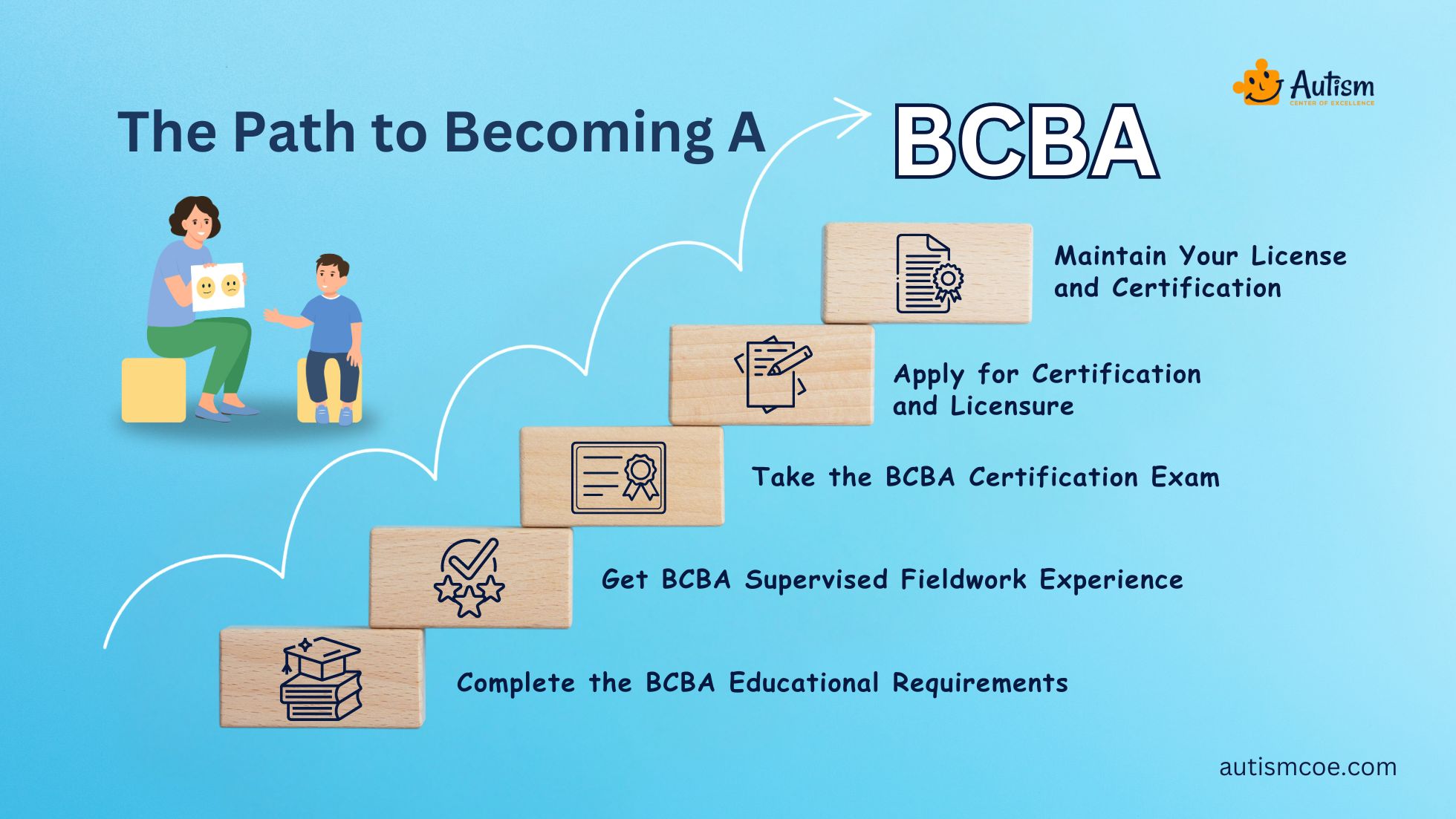
Source : autismcoe.com
It’s Not One-Size-Fits-All
Okay, this is where it gets tricky. “Certified” can mean a few different things.
Are you talking about a Registered Behavior Technician (RBT)? A Board Certified Assistant Behavior Analyst (BCaBA)? Or the big one, the Board Certified Behavior Analyst (BCBA)?
Each level has its own requirements, its own training, its own scope of practice.
Trying to aim for BCBA without understanding the RBT stepping stone is like trying to run a marathon without training.
The Role of the BACB
The Behavior Analyst Certification Board (BACB) is the main player here. They set the standards.
They dictate the education, the supervised experience, and the exams needed for certification.
Think of them as the gatekeepers. They Make sure that certified professionals have met a certain level of competence.
Understanding the BACB’s guidelines is non-negotiable. Seriously, read their handbook.
Why Certification is Your Golden Ticket
Look, you can learn a lot about ABA, but without official certification, your career options are limited.
Many employers won’t even consider you without it. And insurance companies? Forget about it.
It’s the mark that tells the world you’ve met the professional standards. It’s your credential.
Plus, it shows a commitment to ethical practice and ongoing learning. That counts for a lot.
Mapping Your Path: The Foundational Steps

Source : abcachieve.com
Education is the Bedrock
This is where most people start scratching their heads. What degree do you actually need?
For the RBT, it’s a high school diploma. But to get to BCaBA or BCBA? You’ll need at least a Bachelor’s or Master’s degree.
Specifically, you’ll need degrees in fields related to behavior analysis or psychology.
Make sure your coursework aligns with the BACB’s requirements. Don’t get caught with a degree that doesn’t count!
The Supervised Experience Grind
This is often the most challenging part. You can’t just read books and pass a test.
You need hands-on, supervised experience applying ABA principles. We’re talking about real client interaction.
The BACB has very specific rules about the type and amount of supervision required. And trust me, they check.
Finding a good supervisor can be tough, but it’s Key for your development and your certification.
Getting Your Ducks in a Row for RBT
Let’s start with the Registered Behavior Technician (RBT). It’s often the first step for many.
You’ll need to complete a 40-hour training course. Think of it as your introductory crash course.
Then, you have to pass a competency assessment. This checks if you can actually do the basic tasks.
Finally, you take the RBT exam administered by the BACB. Pass that, and you’re RBT certified!
It’s a fantastic way to get your foot in the door and gain practical skills. You can explore programs like the one offered at York College of Pennsylvania’s ABA certificate program for structured learning.
The Different Certification Tracks: Which One’s For You?
-80.jpeg)
Source : abtaba.com
The RBT: Your Entry Point
As we touched on, the RBT is the most basic level of certification.
RBTs work directly with clients, implementing behavior plans designed by BCBAs or BCaBAs.
It’s a demanding role, requiring patience and a good bedside manner. You’re on the front lines.
If you’re just starting out or want to gain direct experience before committing to higher degrees, RBT is the way to go. It’s a solid foundation.
The BCaBA: Stepping Up
Want a bit more responsibility? The Board Certified Assistant Behavior Analyst (BCaBA) is your next logical step after RBT, assuming you have a Bachelor’s degree.
BCaBAs can design behavior plans and supervise RBTs, but they operate under the supervision of a BCBA.
This route requires a specific Bachelor’s degree and a significant number of supervised fieldwork hours.
It’s a good middle ground for those who want more autonomy but aren’t ready for the Master’s degree and independent practice of a BCBA.
Watch: How to Become A BCBA: w/ Step By Step Guides
The BCBA: The Top Tier
This is the gold standard. The Board Certified Behavior Analyst (BCBA) is the highest level of certification.
BCBAs are independent practitioners. They can design Full ABA programs, supervise BCaBAs and RBTs, and conduct functional assessments.
Getting here requires a Master’s degree (or a Doctorate) in a relevant field, a super rigorous supervised experience component, and passing a challenging exam.
It’s a serious commitment, but it opens doors to leadership roles, independent practice, and advanced clinical work. The ultimate goal for many.
Choosing Your Route Wisely
So, which path should you take?
It really depends on your current education, your career aspirations, and how much time and money you can invest.
Don’t just jump in thinking BCBA is the only option. RBT certification can give you Crucial experience and clarity.
Consider talking to people already in the field at different certification levels. Get their take.
Your journey will be unique, but having a clear understanding of these tracks is the first critical step.
So, you’re digging into the nuts and bolts of getting certified in ABA therapy, huh? Part 1 gave you the lay of the land, the big picture. Now, let’s get our hands dirty. This isn’t some fluffy overview; we’re diving deep into the nitty-gritty that’ll actually get you that coveted certification. Forget the jargon; let’s talk real talk about what it takes.
How To Become Certified In Aba Therapy Without A Degree

Source : gratefulcareaba.com
Alright, this is the question I hear a lot. Can you actually get into this field without a four-year degree staring you down? The short answer? Yes, but with some serious caveats. It’s not a free-for-all, and you’ll still need to hit certain benchmarks.
The RBT Route: Your Foot In The Door
For many, the Registered Behavior Technician (RBT certification) is the first, and often most accessible, step. This pathway is specifically designed for folks who might not have a college degree right now. It’s a fantastic way to get hands-on experience and understand the core principles of ABA. You’ll need supervised fieldwork, but the initial training is often shorter than traditional degree programs.
Gaining Experience & Supervision
Even without a degree, practical experience is king. You need to work under a qualified BCBA. This supervision isn’t just a formality; it’s where you learn the real skills. Think of it as an apprenticeship. The hours you clock under their guidance count towards your experience requirements, which are Key down the line.
Bridging The Gap To Higher Certifications
Getting certified as an RBT is a solid start, but if you want to move up to a BCBA, that degree becomes non-negotiable. The RBT path often serves as a stepping stone. You gain experience, you prove your dedication, and then you can focus on completing the educational requirements needed for advanced certifications. It’s a strategic approach, not a permanent roadblock.
Requirements To Become A Board Certified Behavior Analyst Bcba
--80.jpeg)
Source : apexaba.com
Now, let’s talk about the big one: becoming a Board Certified Behavior Analyst (BCBA). This is the gold standard, the folks designing and overseeing treatment plans. The requirements are rigorous, and for good reason. You’re dealing with complex human behavior, after all.
Education: The Foundation Is Key
First things first: education. You absolutely need a master’s degree or a doctorate from an accredited university. And it’s not just any degree; it needs to be in behavior analysis, education, psychology, or a closely related field. Some programs are specifically designed to meet the BACB’s coursework requirements, making your life a whole lot easier. Don’t skimp here; this is the bedrock of your future practice.
Supervised Experience: Real-World Application
Education alone won’t cut it. The BCBA requirements mandate a significant amount of supervised practical experience. We’re talking about hundreds, often thousands, of hours working directly with clients, implementing behavior plans, collecting data, and receiving feedback from a certified BCBA. This hands-on learning is where theory meets reality. You’ll learn to adapt, problem-solve, and truly understand the impact of your interventions.
The BCBA Exam: The Final Hurdle
Once you’ve got the education and the supervised experience locked down, you face the beast: the BCBA exam. This is a Full test covering everything from basic principles of behavior to ethical considerations and practical application. It’s known for being tough, so serious preparation is Needed. Many candidates spend months studying.
Coursework & Competency Areas
Beyond the degree, specific coursework must be completed. This includes topics like foundational principles, experimental analysis, applied behavior analysis, research methodology, and professional ethics. You also need to demonstrate competency in specific areas during your supervised fieldwork. It’s a multi-faceted process designed to Make sure you’re fully equipped.
How Long Does It Take To Get Certified In Aba Therapy Online

Source : gratefulcareaba.com
The online route has exploded in popularity, and for good reason. It offers flexibility that traditional programs just can’t match. But “online” doesn’t mean “faster” in a shortcut kind of way. There are still significant time commitments involved in getting your ABA therapy certification online.
Program Length Varies Wildly
If you’re looking at a Master’s program (required for BCBA), these typically take anywhere from 18 months to 3 years to complete, depending on your course load and the program’s structure. Some offer accelerated options, while others are more spread out. You need to check the specific curriculum and pace.
Supervised Fieldwork: The Time Sink
This is often the biggest time factor. Completing the required supervised fieldwork hours (hundreds for RBT, thousands for BCBA) takes time. Even if you’re doing it online, you still need to find qualified supervisors and arrange for consistent, meaningful supervision sessions. This can easily add another year or more to your journey, especially if you’re balancing it with work or other commitments. Getting those BCBA supervised hours is critical.
RBT Certification Timeline
For RBT certification, the training and assessment process is much quicker. The training itself might take a week or two of dedicated study, followed by supervised fieldwork and competency assessments. Many people can achieve RBT certification within a few months. It’s a much more immediate pathway into the field.
Self-Paced vs. Structured Online Programs
Some online programs are truly self-paced, allowing you to move as quickly as you can absorb the material. Others have set start dates, assignment deadlines, and cohort structures. Understand which type you’re signing up for, as it directly impacts the overall timeline. Remember, quality of learning shouldn’t be sacrificed for speed.
Cost Of Aba Therapy Certification Programs For Teachers

Source : help.waivergroup.com
Let’s talk brass tacks: money. The cost of getting certified in ABA therapy can be a significant investment, especially for teachers looking to add these credentials. It’s not a one-size-fits-all price tag, mind you. Several factors play into the final bill for these ABA certification programs.
Tuition For Master’s Degrees
If you need a Master’s degree for BCBA, this is usually the biggest chunk of the cost. Online Master’s programs can range from $15,000 to $50,000 or even more, depending on the university and the specific program. Some are more affordable than others, especially state university programs or those with strong financial aid.
Supervised Fieldwork Expenses
Don’t forget the cost associated with supervision. While some employers might offer supervision as a benefit, you might have to pay for it out-of-pocket. This can involve hourly fees for your supervisor, travel costs if they’re not local, or even fees for specialized training required by your supervisor. Factor in potentially hundreds or thousands of dollars here.
RBT Training Costs
Getting your RBT certification is considerably cheaper. Training courses can range from a few hundred dollars to around $1,000. This typically includes the training materials and sometimes the initial competency assessment. It’s a much more accessible entry point financially.
Exam Fees & Application Costs
There are also fees for the actual certification exams and application processing. The BCBA exam, for instance, costs several hundred dollars. Add in application fees, potential background checks, and costs for study materials, and the numbers start to climb.
| Certification Level | Estimated Education Cost | Estimated Supervision/Fieldwork Cost | Estimated Exam/Application Fees | Total Estimated Range |
|---|---|---|---|---|
| RBT | $100 – $1,000 (Training Course) | Varies (Often employer-provided or minimal) | ~$50 – $100 | $150 – $1,100+ |
| BCBA | $15,000 – $50,000+ (Master’s Degree) | $2,000 – $10,000+ (Supervision Fees) | ~$400 – $600 | $17,400 – $60,600+ |
Steps To Get Rbt Certification For Aba Therapy
Source : thetreetop.com
Okay, let’s zero in on the Registered Behavior Technician (RBT certification). This is often the first official credential people pursue in ABA. It’s practical, it’s foundational, and it gets you working directly with clients much faster than the BCBA path. The steps are pretty straightforward, but you need to follow them precisely.
Complete the 40-Hour ABA Training
This is non-negotiable. You must complete a 40-hour training program that covers the basic principles of behavior analysis and the tasks outlined in the RBT Task List. Many reputable organizations offer these trainings online or in person. Make sure the program is designed to meet the BACB’s standards. It’s Key to get this RBT training from a credible source.
Pass the RBT Competency Assessment
After your training, you’ll need to demonstrate your skills. A qualified RBT Supervisor or BCBA will assess your competency across various ABA procedures. This assessment usually happens in two parts: a skills observation (they watch you perform tasks) and a verbal assessment. You need to show you can do the job effectively and safely.
Pass the RBT Certification Exam
This is the big hurdle. You’ll need to apply to the BACB and then schedule and pass their standardized RBT exam. It’s a computer-based test covering the knowledge gained during your training and competency assessment. You have a limited number of attempts, so don’t wing it! Thorough preparation is your best bet for passing this behavior technician certification exam.
Maintain Your Certification
Getting certified isn’t the end of the road. To maintain your RBT status, you need ongoing supervision (at least 5% of hours worked per month) and to complete an annual competency assessment. Plus, you have to adhere to the BACB’s ethical code. It’s a continuous process of learning and accountability.
Frequently Asked Questions
How long does it take to get an ABA certification?
It really varies, man. For something like the RBT (Registered Behavior Technician) credential, you’re probably looking at a few months, tops. You need a certain number of training hours and supervised fieldwork. But if you’re aiming for the BCBA (Board Certified Behavior Analyst), that’s a whole different ballgame. Think graduate school, supervised experience hours over a year or more. So, short answer: it depends.
Is ABA higher than RBT?
Yeah, in terms of the hierarchy, definitely. Think of the RBT as the entry-level. They’re hands-on, working directly with clients under supervision. The BCBA is the big cheese – they design the treatment plans, oversee the RBTs, and basically run the show. So, BCBA is a higher certification than RBT.
How much does it cost to get ABA certified?
Oof, this is where it stings. If you’re just going for RBT, it’s not too bad. You might spend a few hundred bucks on training and the exam fee. But those BCBA dreams? That graduate degree alone is tens of thousands. Plus, you’ve got to factor in supervision costs, which can add up fast. Certification costs vary wildly.
What are the basic requirements to start in ABA?
For most entry-level jobs, like becoming a technician, you usually just need a high school diploma. Some places might want you to have some college credits, but it’s not always mandatory. You’ll definitely need to pass a background check and get CPR certified. Then, you start the specific ABA training. Basic requirements are accessible.
Do I need a degree for ABA therapy?
It depends on the role you’re aiming for. To be a Registered Behavior Technician (RBT), a high school diploma is usually enough to get started. But if you want to move up the ladder and become a Board Certified Behavior Analyst (BCBA), then yes, a bachelor’s degree is the absolute minimum, and typically a master’s or doctoral degree is required for that level. Big difference!
