So, you’re looking to get EMDR certified? Good. It’s not just another piece of paper to tack on your wall. This is about seriously leveling up your therapeutic game. I’ve seen folks jump into this thinking it’s a cakewalk, only to get bogged down in the details. Let’s cut through the noise and get you the real rundown. This isn’t your typical dry manual; we’re talking about what it really takes to become a credentialed EMDR therapist. Forget the fluff, let’s dive in.
Why Bother With EMDR Certification Anyway?
It’s More Than Just a Training Completion
Look, anyone can attend a basic training. Seriously. But EMDR certification? That’s a different beast. It signifies a commitment. It means you’ve gone the extra mile, demonstrated proficiency, and really dug deep into the EMDR model. It’s the difference between someone who knows about EMDR and someone who truly masters EMDR therapy.
Credibility is King (or Queen)
Let’s be blunt: clients look for credentials. When they’re dealing with trauma, they want to know they’re in capable hands. Having that official EMDR certification on your profile acts like a neon sign saying, “I am trained, experienced, and competent in this specific, powerful modality.” It builds trust faster than you can say “desensitization.
Your Skillset Gets a Serious Upgrade
The process of getting certified forces you to refine your skills. You’re not just passively absorbing information anymore; you’re actively applying it, getting feedback, and demonstrating your ability to navigate complex clinical situations. This hands-on experience solidifies your understanding and makes you a significantly more effective therapist. You’ll find yourself thinking differently about trauma.
Joining an Elite Club
There’s a certain camaraderie among certified EMDR clinicians. You’re part of a community that understands the unique challenges and profound rewards of this work. It opens doors to networking, specialized training opportunities, and a support system of peers who get it. It’s a signal you belong to a dedicated professional group.
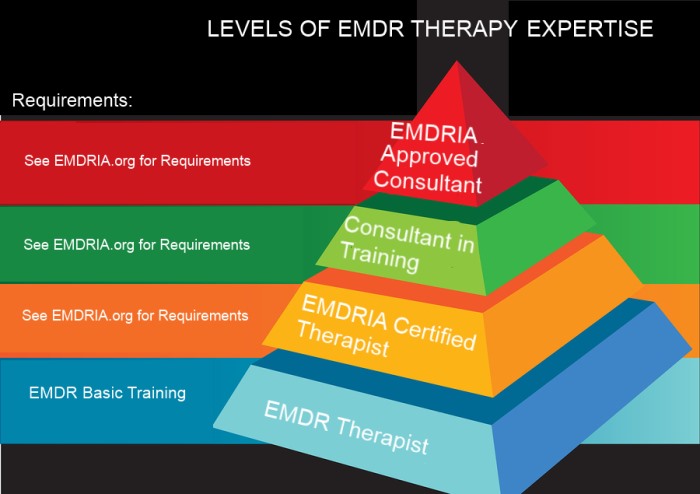
The Foundational Block: EMDR Basic Training

Source : emdria.org
What Exactly Is EMDR Basic Training?
Before you even dream of certification, you absolutely must complete an EMDR basic training program. And not just any program. We’re talking about one that’s been accredited or approved by a recognized EMDR organization, usually EMDRIA (that’s the EMDR International Association). These programs are intensive, covering the 8-phase protocol, the Adaptive Information Processing model, and how to apply it to various client issues. It’s the bedrock of everything else. You can find a great overview on sites like EMDR.com.
Source : emdrtrainingcenter.com
Eligibility: Who Gets to Play?
Here’s a Key point many gloss over: you usually need to be a licensed mental health professional (or be in a supervised trainee position working towards licensure) to even enroll in basic training. Think psychologists, clinical social workers, licensed professional counselors, marriage and family therapists, and psychiatrists. If you’re not licensed yet, check the specific requirements of the training provider; some allow advanced graduate students under strict supervision. This ensures you’re operating within ethical and legal boundaries. You can’t just pick up a manual and call yourself an EMDR therapist; there are professional prerequisites.
The Content You’ll Actually Learn
This isn’t just a lecture series. EMDR basic training is designed for active learning. You’ll dive into the history and theory behind EMDR, learn the specific protocols for different types of trauma (like single-incident trauma versus complex trauma), and crucially, practice the techniques. Expect lectures, demonstrations, and supervised dyad practice sessions where you’ll actually work with the material yourself and with peers. It’s intense but incredibly effective.
Finding the Right Training Program
Not all trainings are created equal. Some are affiliated with EMDR Institute (founded by Dr. Francine Shapiro, the creator of EMDR), while others are offered by independent organizations or EMDRIA-approved providers. Consider factors like faculty reputation, training format (online, in-person, hybrid), and the ongoing support offered. Sites like EMDR Consulting offer details on various training options. Do your homework; this is a significant investment of time and money.
Beyond Basic Training: The Certification Hurdles
It’s Not Just About Finishing the Course
Completing basic training is step one, and honestly, it’s the easiest step. Certification demands more. It requires you to prove you can actually implement EMDR effectively in real-world clinical settings. Think of it like learning to play the piano versus giving a concert. Basic training gets you the notes; certification means you can perform the Mix.
The Key Component: Consultation Hours
This is where the rubber meets the road. Most certification bodies, especially EMDRIA, require a significant number of supervised consultation hours after you’ve completed your basic training. This means meeting regularly with an experienced, EMDR-certified consultant. You’ll discuss your cases, review your application of the EMDR protocol, get feedback on your technique, and troubleshoot challenges. These aren’t just chats; they’re structured learning sessions designed to hone your skills. Expect to spend dozens of hours in this phase. It’s Needed for developing clinical competence.
Case Requirements: Putting Theory into Practice
You won’t just be talking about cases; you’ll need to present and document a specific number of EMDR cases. These aren’t just any cases either. They typically need to involve different client populations and presenting problems, demonstrating your versatility. You’ll need to show you can successfully guide clients through the 8-phase EMDR process, handle abreactions, and manage the treatment plan effectively. Documenting these cases meticulously is part of the process, proving you can apply EMDR systematically.
The Advanced Training Add-Ons
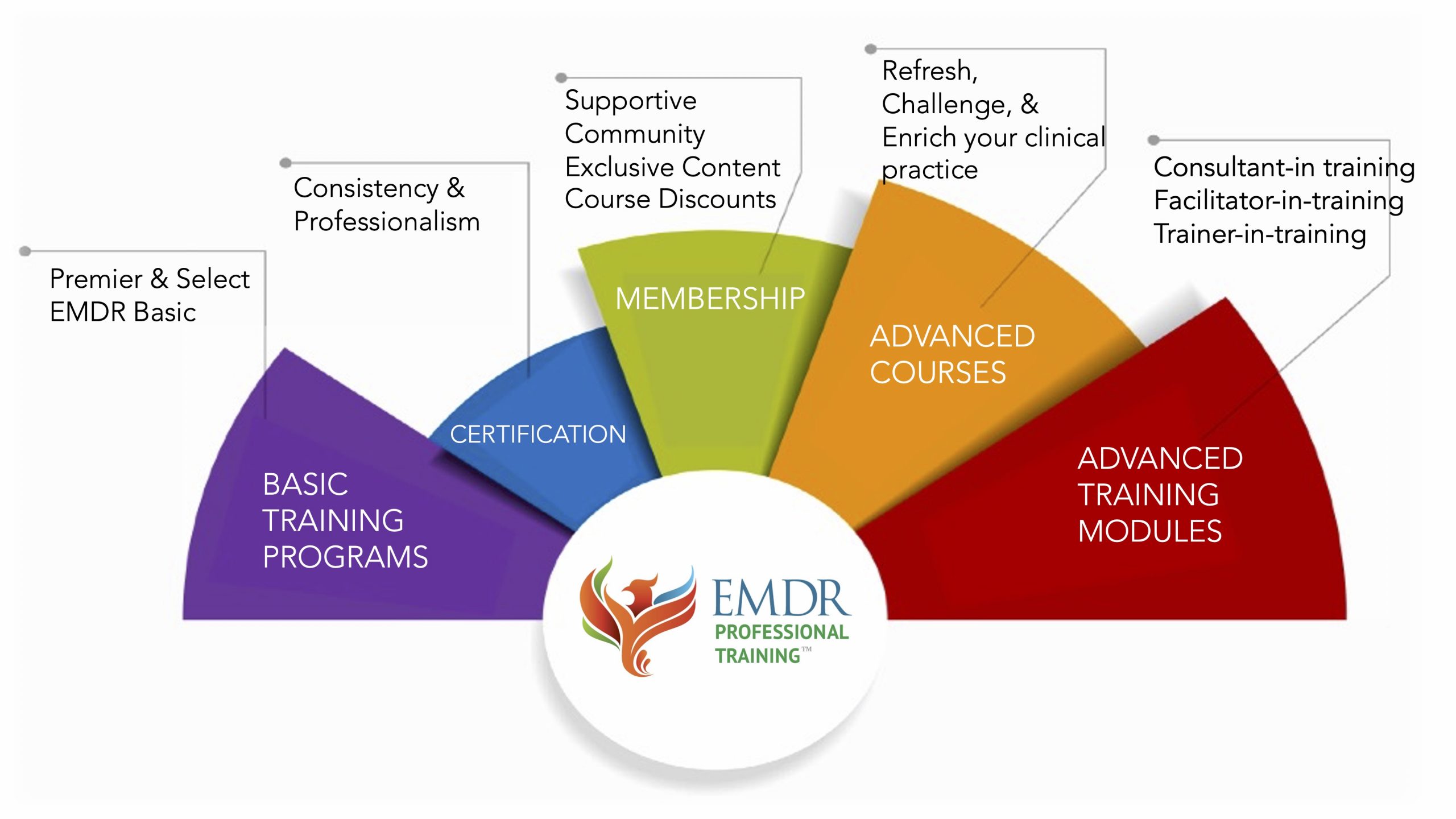
While basic training covers the core protocol, many certification pathways encourage or require additional specialized training. This could include workshops on working with children, couples, specific types of trauma (like combat veterans or first responders), or complex dissociative disorders. These advanced trainings deepen your expertise and prepare you for a wider range of clinical challenges. It shows you’re committed to lifelong learning in the field of EMDR therapy.
Understanding EMDRIA Certification Specifics
EMDRIA: The Gold Standard
When most people talk about EMDR certification in the US, they’re referring to the standards set by the EMDR International Association (EMDRIA). They are the primary body that sets the requirements and provides the official certification. Getting EMDRIA certified is widely recognized as the Standard for expertise in the field. Their guidelines are thorough and designed to Make sure a high level of competency. You can often find detailed requirements on their official website, or in documents like their guide to certification.
Source : rewired360.com
The Core EMDRIA Requirements Breakdown
Let’s break down what EMDRIA typically asks for:
- Completion of an EMDRIA-Approved Basic Training: This is non-negotiable.
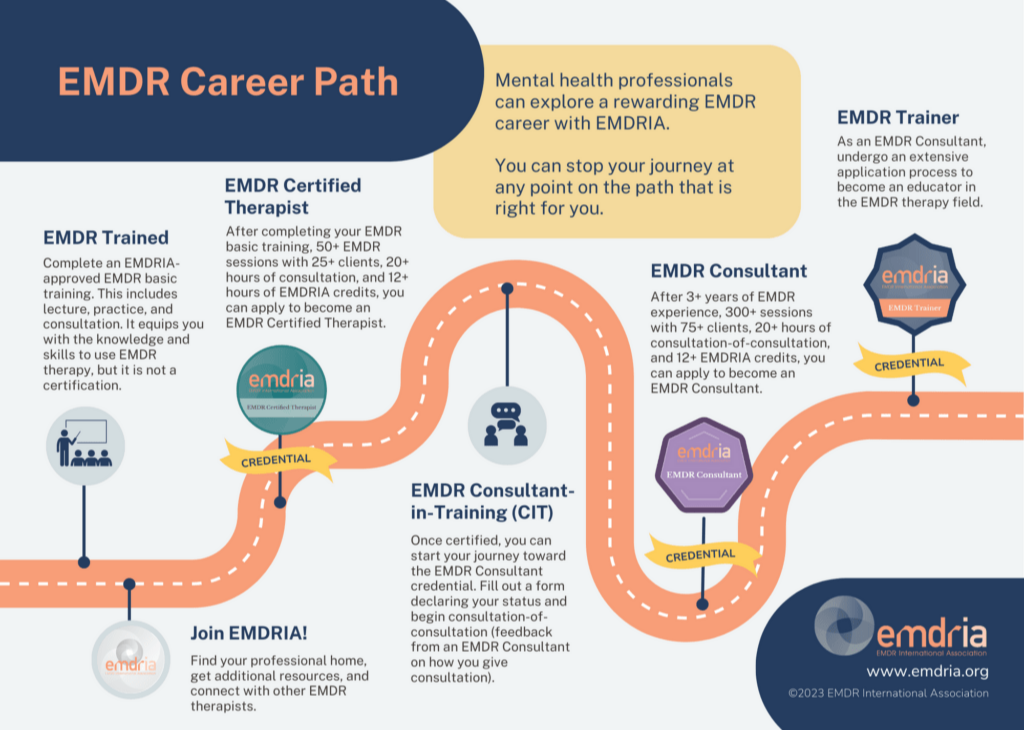
- Extensive Post-Basic Training Consultation: Usually around 20 hours of individual or group consultation with an EMDRIA Approved Consultant.
- Specific Number of EMDR Client Cases: Documenting at least 50 EMDR sessions across at least 25 clients.
- Advanced Training Hours: A minimum number of hours in EMDR-focused advanced training.
- Application and Fee: Submitting a formal application with all documentation and paying the associated fees.
- Adherence to Ethical Standards: Committing to EMDRIA’s ethical code.
It’s a Full checklist designed to Make sure you’re not just trained, but truly proficient in EMDR practice.
Finding an EMDRIA Approved Consultant
This is a critical step. Not just any EMDR therapist can provide consultation. You need someone who is officially recognized by EMDRIA as an Approved Consultant. These individuals have demonstrated extensive experience and expertise in EMDR and have been trained to supervise others. The EMDRIA website usually has a directory to help you find qualified consultants. Choosing the right consultant can make or break your certification journey, so look for someone whose style and experience Match with your needs. A good consultant is a mentor and guide.
The Application Process Itself
Once you’ve met all the requirements – completed training, logged your consultation hours, documented your cases, and finished advanced training – you’ll submit your application to EMDRIA. This involves gathering all your proof: training certificates, consultation logs, case summaries, and advanced training certificates. It can feel a bit like assembling a puzzle, but it’s all part of demonstrating you’ve met the rigorous standards. Be prepared for the application fee, too; certifications aren’t usually free. It’s the final hurdle to official EMDR recognition.
Handling the Steps: A Practical Roadmap
Step 1: Assess Your Eligibility and Goals
Before you invest a dime, take a hard look in the mirror. Are you a licensed mental health professional? Do you have the time and resources for intensive training and ongoing consultation? What are your specific goals for getting certified? Understanding your ‘why’ will keep you motivated. If you’re aiming for EMDRIA certification, make sure you’re clear on their specific requirements from the outset. It’s better to know the full path before you start the journey.
Step 2: Enroll in an Approved Basic Training
This is your first major action item. Research training providers. Consider the EMDR Institute, EMDR Consulting, or other EMDRIA-approved programs. Read reviews, talk to colleagues who’ve gone through them, and choose one that fits your learning style and schedule. Remember that many basic trainings are now offered in hybrid formats, combining online learning with in-person practice. Booking this training is a concrete commitment.
Step 3: Complete the Basic Training and Begin Consultation
Dive in! Fully engage with the material during your basic training. Take notes, ask questions, and participate actively in practice sessions. As soon as you finish, or even during the later parts of your training, start looking for an EMDRIA Approved Consultant. Don’t wait too long to begin consultation; the sooner you start discussing your cases, the more you’ll benefit. Build a good rapport with your consultant; they are your key resource for Handling the complexities.
Step 4: Document Your Cases and Log Your Hours Diligently
This is where Careful record-keeping pays off. Keep detailed logs of your consultation sessions, noting the dates, topics discussed, and consultant’s signature. For your client cases, maintain thorough notes that clearly demonstrate your application of the 8-phase protocol. You’ll need these for your certification application. Set up a system for tracking everything from day one. Don’t wait until the last minute to try and reconstruct months of work; consistency is key.
Step 5: Pursue Advanced Training and Submit Your Application
Once you’ve completed the core requirements (basic training, consultation, case hours), identify and complete any necessary advanced EMDR training. Then, gather all your documentation and submit your certification application to EMDRIA. Double-check everything for accuracy and completeness before hitting send. This is the culmination of your hard work, the final step towards becoming a certified EMDR professional.

Source : centerofinnovationnm.org
A Detailed Comparison: Key Certification Bodies (Focus on EMDRIA)
EMDRIA: The Standard
EMDRIA is the leading organization in the US for EMDR certification. Their process is rigorous, ensuring a high standard of practice. Their requirements are well-documented and publicly available, making it easier for clinicians to plan their path. This is the certification most clients and insurance panels recognize and respect the most. Think of them as the official gatekeepers of quality.
EMDR Institute: Training Focus
The EMDR Institute, founded by Dr. Francine Shapiro, is primarily known for its Full basic training programs. While completing their training is a prerequisite for EMDRIA certification, the Institute itself doesn’t typically offer a separate, formal “certification” process in the same way EMDRIA does. Their focus is on delivering Dr. Shapiro’s original protocols with fidelity. Clinicians often rave about the quality of their training, noting the Smooth integration of EMDR into their practice. It’s where many get their Needed EMDR foundation.
Other Training Organizations
There are numerous other reputable organizations that offer EMDR training and may have their own internal certification or recognition processes. Examples include EMDR Consulting, which offers extensive training and consultation services. These organizations often adhere to EMDRIA standards for their training content. However, for broad recognition and adherence to a unified standard across the field, EMDRIA certification remains the most sought-after. Always verify if their training programs meet the prerequisites for EMDRIA certification if that’s your ultimate goal. They often provide excellent, hands-on training experiences.
The Table: Comparing Requirements at a Glance
Here’s a simplified look at the core components you’ll encounter when pursuing certification, primarily focusing on the EMDRIA path:
| Requirement Category | EMDRIA Certified Requirements (Typical) | Key Considerations |
|---|---|---|
| Basic Training | Completion of EMDRIA-Approved Basic Training (approx. 40-50 hours) | Must be from an accredited provider. Foundational knowledge is Needed. |
| Consultation | 20 hours post-basic training with EMDRIA Approved Consultant | Key for skill development and case conceptualization. Find a good fit! |
| EMDR Sessions/Clients | Minimum 50 sessions across at least 25 clients | Demonstrates breadth and depth of application. Track meticulously. |
| Advanced Training | Minimum specific hours (e.g., 12-20 hours depending on updates) | Focuses on specialized populations or issues. Broadens expertise. |
| Application & Fees | Formal application submission with all documentation; associated fees | The final step. Make sure all paperwork is complete and accurate. |
Common Pitfalls and How to Avoid Them
Underestimating the Time Commitment
This isn’t a weekend workshop. Getting certified takes time – often a year or more after basic training. You’ve got training hours, consultation sessions, client work, and application processing. Many people think they can squeeze it in quickly, but it requires sustained effort. Plan accordingly. Treat it like a significant professional development project, not an afterthought. Allocate sufficient time is the mantra here.
Choosing the Wrong Consultant
Your consultant is your guide. If you don’t mesh well with them, or if they aren’t providing constructive, insightful feedback, your progress will suffer. Don’t be afraid to interview potential consultants or switch if the fit isn’t right (though check EMDRIA rules on this). Look for someone experienced, clear in their communication, and supportive of your growth. A good consultant is worth their weight in gold.
Skipping or Rushing Consultation
Some people try to breeze through consultation, thinking it’s just a box to tick. Big mistake. This is where you truly learn to integrate EMDR into your clinical practice. Rushing through it means you might develop bad habits or miss Key learning opportunities. Engage fully, be open to feedback, and use this resource wisely. It’s your chance to refine your craft.
Lack of Diligent Record-Keeping
Trust me, you do NOT want to be scrambling at the last minute trying to remember the details of sessions from months ago. Keep your logs updated religiously. Have a clear system for documenting cases that meets the certification requirements. Missing documentation is one of the easiest ways to get your application delayed or rejected. Organization prevents panic.
Source : emdrprofessionaltraining.com
The Long Game: What Happens After Certification?
Continued Learning and Specialization
Certification isn’t an endpoint; it’s a milestone. The field of EMDR is always evolving. There are new research findings, specialized protocols, and advanced training opportunities constantly emerging. Many certified clinicians pursue further training in areas like EMDR and the highly complex, or specific applications for different populations. The learning truly never stops.
Maintaining Your Credential
Most certification bodies require ongoing professional development to maintain your credential. This usually involves earning a certain number of continuing education credits (CEs) over a specific period. You might also need to maintain your membership with the certifying organization and potentially undergo periodic re-certification. It ensures you stay current and committed to the field. Don’t let your hard-earned credential lapse due to neglect; stay current.
Becoming a Consultant or Trainer Yourself?
Once you’ve gained significant experience as a certified EMDR therapist, you might even consider becoming an EMDRIA Approved Consultant or Trainer yourself. This involves meeting even more rigorous requirements, including extensive clinical experience, specific training in supervision/consultation, and a demonstrated commitment to teaching EMDR. It’s a way to give back to the community and shape the next generation of EMDR clinicians.
Expanding Your Practice and Referrals
Having “EMDR Certified” on your professional profile often leads to increased referrals. Potential clients actively search for clinicians with this specific expertise, especially those dealing with trauma. It can open doors to new client populations, allow you to command higher fees, and position you as a specialist in your community. It’s a tangible boost to your professional standing.
Frequently Asked Questions
What is required to become EMDR certified?
Well, to get EMDR certified, you generally need to be a licensed mental health professional first. Think therapists, counselors, psychologists, clinical social workers, or marriage and family therapists. Then, you gotta complete an EMDRIA-approved Basic Training program. It’s pretty Full, covering the theory and practical application of EMDR therapy. After that, there’s usually a supervised practice component where you have to treat a certain number of clients using EMDR and get feedback. It’s not just a weekend workshop, you know?
What qualifications do I need to do EMDR?
Basically, to even think about doing EMDR, you need to hold a master’s degree or higher in a mental health field and be licensed to practice independently. So, no dabbling if you’re still in school or not fully licensed. You’ll also need to complete that EMDRIA-approved Basic Training I mentioned. It’s the gold standard for getting properly trained in EMDR qualifications. Without that specific training, you can’t really say you’re qualified to offer EMDR therapy.
How long does EMDR certification take?
It can vary a bit, but typically the EMDRIA-approved Basic Training itself is around 20 hours, spread out over several days. But that’s just the start. Then you have to do the required consultation hours, which usually involves another 10 hours of group or individual consultation with an EMDR consultant. Plus, you’ll need to document treating a certain number of clients with EMDR. Realistically, people often complete the whole EMDR certification process within 6 months to a year after finishing the basic training, depending on how quickly they can get the consultations and client hours in.
Is EMDR certification difficult to obtain?
It’s definitely a rigorous process, but not impossible! The EMDRIA-approved training is intensive, and you really need to grasp the theory and practice it. The supervised consultation part is Key for refining your skills and understanding how to handle different client situations with EMDR therapy. It requires dedication and commitment to learning the model thoroughly. So, challenging? Yes. Difficult to the point of being unattainable? Not if you put in the work!
What are the benefits of EMDR certification for a therapist?
Oh, loads! For starters, it shows clients you’re seriously committed to using a highly effective, evidence-based therapy like EMDR. It can really boost your credibility and attract clients specifically looking for EMDR. Plus, the training itself provides you with a powerful new skillset to help people process trauma and other distressing experiences. It often leads to a greater sense of confidence in your abilities and can open up new professional opportunities, like specializing in trauma work. It’s a solid investment in your therapist career.
