So, you’re thinking about becoming an EMDR certified therapist. Good for you. It’s a powerful tool, and getting the official stamp of approval isn’t just about bragging rights – it actually matters. It shows you’re serious, you know your stuff, and you’re committed to helping people heal from trauma. But let’s be real, Handling the certification process can feel like trying to find your way through a maze blindfolded. Where do you even start?
I get it. The acronym alone sounds intimidating. EMDR. Eye Movement Desensitization and Reprocessing. Fancy, right? But peel back the jargon, and it’s about helping the brain do what it’s supposed to do naturally after a distressing event – process it. When that processing gets stuck, that’s where EMDR therapy swoops in.
Think of it like this: your brain is a filing cabinet. Usually, memories get filed away neatly. But with trauma, sometimes a memory gets jammed, or the file gets shredded. It’s still there, causing chaos. EMDR is the process that helps unjam that drawer, restaple the pages, and get things back in order.
Now, getting certified in this stuff? That’s a whole other beast. It’s not just attending a weekend workshop and calling yourself an expert. This is a commitment. It means serious training, hands-on practice, and proving you can actually do this work effectively and ethically. It’s the difference between someone who read a cookbook and a chef who can whip up a Michelin-star meal.
What Exactly IS EMDR, Anyway?
The Brain’s Built-in Healing Mechanism
At its core, EMDR therapy taps into your brain’s own natural ability to heal. Normally, when something bad happens, your brain processes it. It’s like a natural system for digesting difficult experiences. This usually happens during REM sleep, hence the ‘Eye Movement’ part of the name.
When Processing Gets Stuck
But sometimes, especially with significant trauma, that processing gets interrupted. It gets stuck in what we call ‘raw’ or unprocessed form. This is where the real trouble starts, leading to all sorts of symptoms like flashbacks, nightmares, and intense emotional distress. It’s like a computer program that crashes and freezes.
The Role of Bilateral Stimulation
EMDR uses something called bilateral stimulation (BLS). This could be eye movements, tapping, or sounds. The idea is to help the brain re-initiate its natural processing. While the exact mechanisms are still being researched, the goal is to help those stuck memories become integrated and less disruptive. It’s about getting the brain to ‘unfreeze’ that jammed file.
Why Bother With Certification? Isn’t Training Enough?

Source : emdreducators.com
Credibility is Key
Look, anyone can take an EMDR training. There are many providers offering introductory courses. But certification? That’s a different league. It’s a mark of advanced competency. It tells clients, colleagues, and insurance companies that you’ve gone above and beyond the basic requirements. It’s a serious professional credential.
Client Safety and Trust
When someone is dealing with deep trauma, they need to trust their therapist implicitly. They’re opening up their most painful experiences. Knowing their therapist is EMDR certified offers a significant layer of assurance. It means they’ve demonstrated a higher level of skill and adherence to ethical standards, which is Top when dealing with vulnerable populations.
Mastery, Not Just Memorization
Basic training teaches you the model. Certification pushes you toward mastery. It often involves rigorous case reviews, supervision, and sometimes further specialized training. This ensures you’re not just reciting the steps but truly understand the art and science of applying EMDR effectively across a variety of client presentations. It’s the difference between knowing how to drive and actually being a skilled race car driver.
Handling the Official Requirements
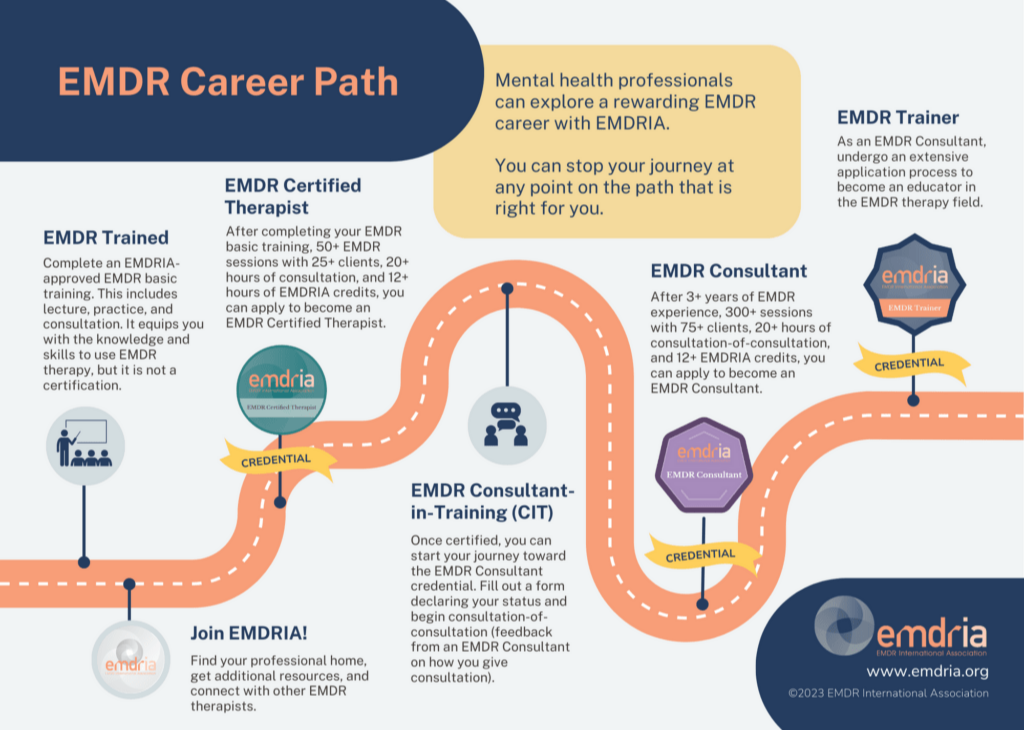
The official bodies that govern EMDR therapy, like EMDRIA (EMDR International Association), have specific criteria for certification. These aren’t just suggestions; they are the benchmarks for recognizing therapists who have achieved a certain level of proficiency. You can find a helpful guide detailing these requirements over on the EMDRIA website.
The Initial Steps: Getting Your Foot in the Door
Source : rewired360.com
Finding an Accredited Basic Training
This is non-negotiable. You absolutely MUST complete an EMDRIA-approved Basic Training program. Don’t mess around with unapproved trainings. They won’t count towards your certification, and frankly, you might not get the quality instruction you need. Check the EMDR Institute website or EMDRIA’s site for a list of accredited providers. This foundational training is usually intensive, spread over several days or weeks.
Understanding the Training Components
These programs aren’t just lectures. They involve demonstrations, role-playing, and supervised practice. You’ll learn the 8-phase protocol, understand the theory behind EMDR, and begin to develop your clinical skills. It’s a lot to absorb, but it’s the necessary groundwork. You’ll be practicing on peers, which can be both enlightening and slightly nerve-wracking!
The Importance of the Right Provider
Choosing the right training provider is Key. Some trainers are absolute legends in the field. Others… well, maybe not so much. Look for trainers who are themselves highly experienced, certified EMDR consultants, and who have a reputation for excellent teaching. Read reviews, ask colleagues. This initial investment in training quality will pay dividends later.
What Happens After Basic Training? The Real Work Begins

Source : therapisteducationinstitute.com
Gaining Clinical Experience (The Right Kind!)
Okay, you’ve finished the basic training. Great! Now you need to actually do EMDR therapy with clients. But there’s a catch: you need to be working with clients who have experienced trauma and can benefit from EMDR. You can’t just practice on your buddy who’s stressed about their taxes.
The Hours Add Up – Fast
Certification requires a specific number of hours providing EMDR therapy to clients. We’re talking a Large amount. This isn’t a ‘five clients and you’re done’ situation. You’ll need to document these hours meticulously. Keeping detailed session notes is Needed for the certification application.
Supervision is Your Lifeline
This is HUGE. You can’t just wing it. Post-basic training, you need to engage in a specific number of hours of EMDR-focused consultation or supervision with an EMDR-approved consultant. This is where you bring your challenging cases, your questions, your doubts. The consultant helps you refine your skills, troubleshoot issues, and Make sure you’re applying the EMDR protocol ethically and effectively. Think of them as your EMDR Yoda.
The Listicle: Key Components of EMDR Certification

Source : aatbs.com
Official Training Completion
You absolutely must complete an EMDRIA-approved Basic Training program. No exceptions.
Documented Clinical Hours
Accumulate a set number of hours providing direct EMDR therapy to clients. This demonstrates practical application.
Dedicated Consultation/Supervision
Engage in a specified number of hours of consultation specifically focused on EMDR case conceptualization and application with an approved consultant.
Application Submission
Complete and submit a formal application to the certifying body (usually EMDRIA), including all required documentation of training and supervision.
Adherence to Ethical Standards
Agree to abide by the ethical code of conduct established by the certifying organization.
Alright, let’s cut to the chase. You’re not just dabbling; you want the real deal. Becoming EMDR certified isn’t like picking up a participation trophy. It’s a serious commitment, and Part 1 just scratched the surface. Now, we’re diving deep. This is where you roll up your sleeves and figure out the nitty-gritty of getting that official stamp of approval.
How To Become Certified In Emdr Therapy Online
Source : meridiempsych.com
Watch: Becoming an EMDR Therapist 2023
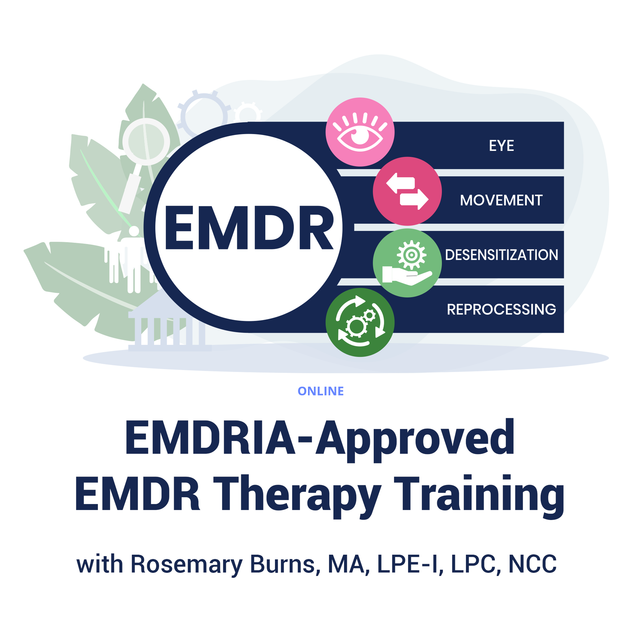
The world’s gone digital, and thankfully, EMDR certification training hasn’t been left behind. You can absolutely do this from your own couch. It’s not some watered-down version, either. Reputable institutions now offer Full online modules that cover everything you need. Think live webinars, recorded lectures, and even virtual practicums. It’s about accessibility, plain and simple. No more being tied to a specific city or a rigid schedule. You can learn at your own pace, fitting it around your existing life. This flexibility is a huge win for busy therapists.
Live Virtual Training Options
Forget staring at a static screen. Many online programs incorporate live virtual sessions. This means real-time interaction with instructors and peers. You can ask questions as they pop up, not days later. It mimics the in-person classroom feel without the commute. It’s quite effective, really. Instructors can still gauge understanding and offer immediate feedback, making the learning feel Active and engaging. This real-time engagement is key to mastering complex therapeutic techniques.
Self-Paced Online Modules
Need to fit learning into your lunch breaks or late at night? Self-paced modules are your best friend. You get access to all the core content – lectures, readings, case studies – whenever it suits you. It requires serious self-discipline, though. Nobody’s going to chase you down if you’re slacking. But for the motivated individual, it’s incredibly powerful. You can rewatch difficult sections multiple times. This ensures you truly absorb the material. Mastering EMDR takes time and repetition.
Virtual Practicum and Consultation
This is where the rubber meets the road. Online training doesn’t mean you skip the practical application. Most accredited programs now include virtual practicums. You’ll practice techniques with fellow trainees in breakout rooms. Consultation sessions are also often held online, where you discuss your cases with experienced supervisors. This ensures you’re not just learning theory but actually applying it effectively and ethically. Getting expert guidance online is now a standard part of the process.
Emdria Approved Emdr Certification Training Programs Near Me
Source : aatbs.com
Okay, so you’re thinking local. Maybe you prefer face-to-face interaction, or you’ve heard whispers about a fantastic program in your area. The key here is “EMDRIA Approved.” This isn’t just a suggestion; it’s the gold standard. EMDRIA (EMDR International Association) is the gatekeeper. Their seal of approval means the training meets rigorous quality standards. Without it, your certification might be… well, less than official. So, where do you find these gems? Start with the EMDRIA website itself. They usually have a directory. Don’t just Google “EMDR training”; search specifically for programs recognized by the big dogs.
Checking the EMDRIA Training Directory
This is your first and best stop. The EMDRIA website maintains an up-to-date list of approved training providers. It’s not just a list of names; it often includes details about their curriculum and formats. Make sure the program you’re eyeing is on this official list. This is your absolute guarantee of quality. Trying to cut corners here will only cost you more time and money down the line. Official accreditation matters.
Local Training Institutes and Workshops
Beyond the directory, look for established EMDR therapy institutes or training centers in your region. These places often specialize in mental health professional development. They might offer intensive, multi-day workshops or a series of weekend sessions. The benefit? You get to build relationships with local colleagues. It’s also easier to network and find peer consultation groups. Think about it – building your local professional network while you train.
Hybrid Training Models
Some programs cleverly combine online theory with in-person practical components. You might complete the didactic coursework online, then attend a few intensive weekends locally for supervised practice. This offers the best of both worlds: flexibility and hands-on experience. It’s a solid compromise if you’re torn between fully online and fully in-person. This hybrid approach is becoming increasingly popular. It offers great flexibility while ensuring Key hands-on skill development.
How Much Does It Cost To Become Emdr Certified Therapist

Source : onlinececredits.com
Let’s talk brass tacks: money. Becoming EMDR certified isn’t cheap. It’s an investment, and a significant one. You’re looking at costs that can range wildly, depending on the provider, the format (online vs. in-person), and what’s included. Don’t expect to pay pocket change. This training involves expert instruction, supervised practice, and a whole lot of structured learning. It’s comparable to other specialized postgraduate training for therapists. You’re paying for quality and credibility. So, budget accordingly. Think of it as investing in your future earning potential and therapeutic efficacy.
Breakdown of Training Program Costs
The core training itself – the basic EMDR training course – is typically the biggest chunk. This usually includes the initial coursework and often some supervised practice hours. Expect this to set you back anywhere from $1,000 to $3,000, sometimes more. Prices vary significantly. Some programs bundle everything, while others charge for modules separately. Always clarify what’s included in the fee. Understanding the pricing upfront is Key.
Additional Costs to Consider
Don’t forget the other bits and pieces. There are often costs for books, materials, and sometimes even membership fees to professional organizations. Then there’s the small matter of supervision hours. After the initial training, you’ll need to complete a set number of supervised practice hours. These supervisors often charge an hourly rate. Add to that the cost of any advanced EMDR trainings you might pursue later. It all adds up. This makes the total certification cost higher than just the initial course fee.
Factors Influencing Price
Why the variation? Location plays a role, obviously. In-person, intensive trainings in major cities might be pricier. The reputation and accreditation status of the provider also matter. A program affiliated with a well-known university or a highly respected EMDR institute will likely command a higher fee. The number of hours included in the training and the amount of post-training consultation also affect the price. Higher perceived value often correlates with higher cost.
| Cost Component | Estimated Range (USD) | Notes |
|---|---|---|
| Core EMDR Training Program | $1,000 – $3,500+ | Includes didactic coursework and sometimes initial practicum. Varies by provider and format. |
| Post-Training Consultation Hours | $50 – $150 per hour | Required hours vary; fee depends on supervisor’s experience and location. |
| Books and Materials | $100 – $300 | Needed textbooks and any provided training materials. |
| EMDRIA Membership (Optional but Recommended) | $100 – $250 annually | Access to resources, networking, and reduced rates on some advanced trainings. |
| Advanced Trainings (Per Course) | $300 – $1,000+ | For specialized topics like complex trauma, dissociation, etc. |
| Total Estimated Investment | $1,500 – $5,000+ | This is a broad estimate; actual costs can vary significantly based on individual choices. |
Requirements And Steps To Get Emdr Certified
Source : seaglassohio.com
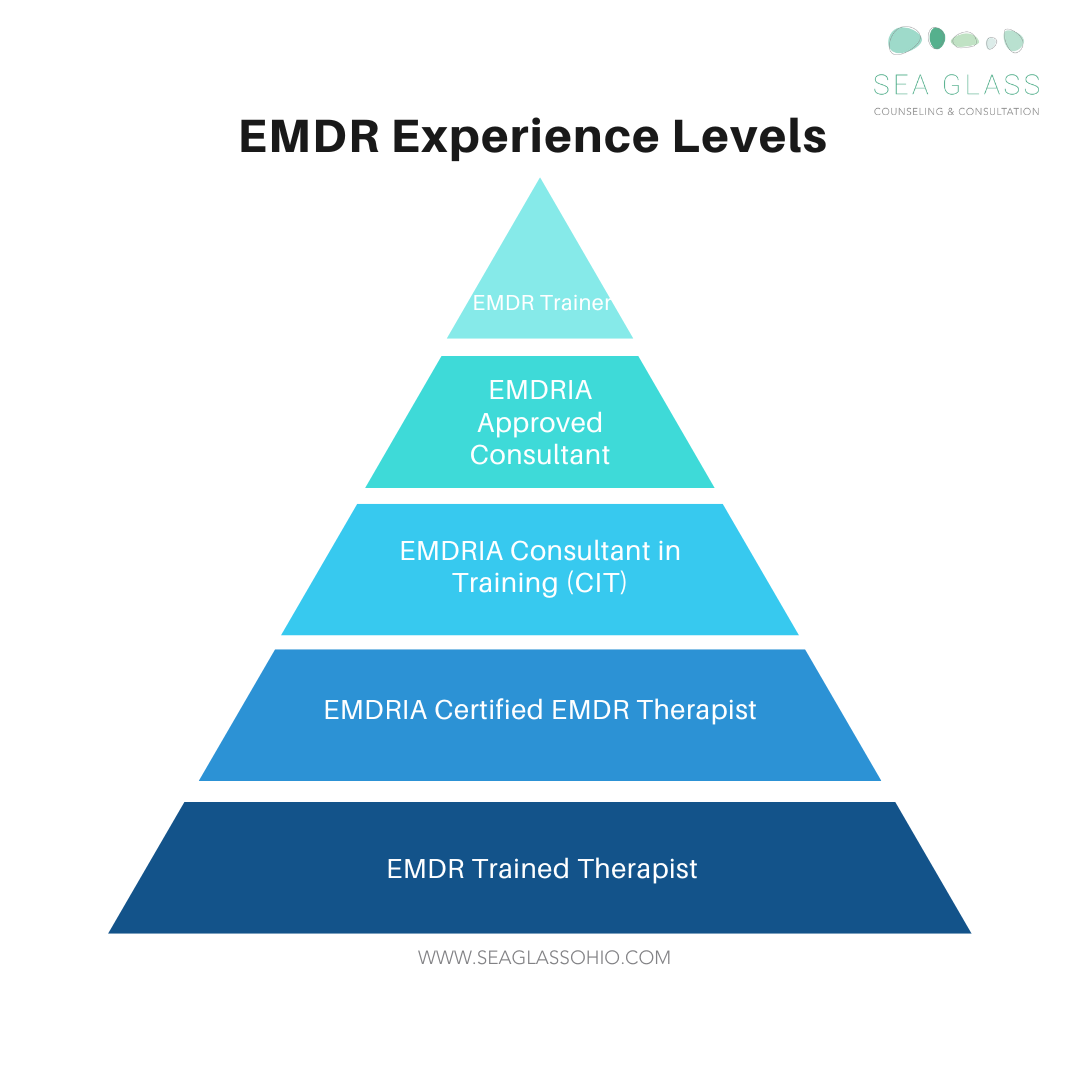
Okay, so you’re ready to commit. What’s the actual roadmap? Getting EMDR certified isn’t a single event; it’s a process. There are prerequisites, core training, and then that Key post-training phase. Don’t skip steps. Each part is designed to build your competence safely and effectively. Think of it as building a house – you need a solid foundation before you start putting up walls. You must meet specific educational and professional criteria before you even enroll in an approved training program.
Prerequisites for Enrollment
First things first: who can even apply? Generally, you need to hold a graduate degree in a mental health field (like psychology, social work, counseling, or marriage and family therapy). You also need to be licensed or registered to practice independently in your state or country. Some training programs might have specific experience requirements, too. Always check the fine print with your chosen provider. Being a licensed therapist is a non-negotiable step. You need that clinical licensure.
Completing the Basic EMDR Training
This is the big one. You’ll need to complete an EMDRIA-approved basic training program. This usually involves a significant number of hours (often around 20-40 hours) of didactic instruction and skills-based training. It covers the history, theory, and specific protocols of EMDR therapy. You’ll learn about the eight-phase model, the role of bilateral stimulation, and how to handle various client presentations. This is where you get the core knowledge and skills. Mastering the eight-phase model is fundamental.
Supervised Practice Hours
This is absolutely critical. After completing the basic training, you are not yet certified. You must then complete a specified number of hours of supervised practice using EMDR with actual clients. The exact number varies by training program and EMDRIA guidelines, but it’s typically around 10-20 hours. These sessions are where you bring your cases to an experienced EMDR-trained consultant. They provide feedback, guidance, and help you refine your technique. This supervised practice ensures you’re applying EMDR ethically and effectively. You can find details on how to get supervised through resources like EMDR Consulting’s certification guide.
Continuing Education and Advanced Training
Certification isn’t a one-and-done deal. EMDRIA and most training bodies require ongoing continuing education to maintain your status. Many certified therapists also pursue advanced training in specific EMDR applications. Think working with complex trauma, dissociation, specific populations, or using advanced protocols. This commitment to ongoing learning is Key. It keeps your skills sharp and your practice current. Continuous professional development is key to becoming an EMDR expert.
How Long Does It Take To Complete Emdr Certification
Source : pesi.com
Patience, grasshopper. This isn’t a weekend course. Becoming fully certified in EMDR therapy takes time and dedication. It’s a marathon, not a sprint. Rushing through it defeats the purpose of becoming a competent and confident practitioner. You need to absorb the material, practice the skills, and integrate the learning into your clinical work. The timeline can vary quite a bit based on your own pace and how quickly you can secure supervised practice hours. But generally, expect it to take several months, if not a year or more.
Timeline for Basic Training
The actual didactic EMDR training course itself is often spread out. It might be a 4-day intensive workshop, or it could be broken into several weekends spread over a few months. Online options offer more flexibility, but you still need to dedicate focused time to the modules. This core training phase usually takes anywhere from a few weeks to a couple of months to complete, depending on the format and your schedule. Completing the core curriculum is just the first phase.
Securing Supervised Practice
This is often the most time-consuming part. Finding an EMDR-approved consultant who has availability and fits your schedule can take time. You need to accumulate those required supervision hours, which means scheduling sessions with clients and then meeting with your consultant to review those sessions. Depending on your caseload and the consultant’s availability, this phase can easily take anywhere from three to twelve months. Some therapists might do this faster if they have a high volume of clients suitable for EMDR. Finding a good clinical supervisor is Needed.
Factors Affecting Overall Duration
Several things can speed up or slow down the process. Your personal learning style matters. Some people grasp the concepts quickly; others need more time. Your work schedule and ability to take time off for intensive training play a big role. Availability of training programs in your area (or online) and the ease with which you can find a qualified supervisor are also huge factors. Don’t compare your journey to others; focus on completing each step thoroughly. It’s about competence, not speed. Timely completion depends on many variables.
Frequently Asked Questions
What qualifications do you need to practice EMDR?
Okay, so to even get your foot in the door for EMDR certification, you absolutely need to be a licensed mental health professional first. We’re talking psychologists, clinical social workers, licensed professional counselors, that sort of thing. You can’t just jump into it without that foundational license, period. After that, you gotta complete an EMDR International Association (EMDRIA) approved basic training course. It’s intense, usually a multi-day workshop covering the core theory and protocols. Then, you do supervised practice, clocking a certain number of hours with clients using EMDR, plus consultation hours with an EMDR-approved consultant. It’s a rigorous path, but totally worth it for effective trauma treatment.
Can EMDR help dysautonomia?
This is a hot topic, and the short answer is: maybe, indirectly, for some people. EMDR therapy isn’t a direct cure for dysautonomia itself, which is a complex autonomic nervous system disorder. However, many folks with dysautonomia also experience significant anxiety, PTSD, or other trauma-related issues stemming from their condition or past events. Because dysautonomia often involves a hyperactive fight-or-flight response, EMDR can be super effective at helping to calm that system down. By processing the underlying trauma or stress that might be exacerbating the autonomic symptoms, patients can find relief. So, it’s not treating the POTS or NCS directly, but it can significantly improve the mental health component that often comes with it, making the physical symptoms feel more manageable.
How long does EMDR certification take?
It really depends on your pace and how quickly you can get through the required components after your basic training. You’ve got the foundational EMDRIA-approved training, which is a set number of days. Then comes the supervised practice and consultation hours. Many people knock this out over several months to a year, especially if they’re seeing clients regularly for it. The key is getting those 10 hours of consultation with an approved consultant and completing at least 50 EMDR sessions. So, realistically, budget at least 6 months to a year post-basic training for full certification requirements.
Is EMDR training expensive?
Yeah, it’s definitely an investment. The EMDR basic training itself, which is the biggest chunk, can cost anywhere from $1,000 to $3,000, depending on the provider and location. Then you’ve got the additional costs for required readings, consultation hours with an EMDR consultant (these can add up!), and potentially fees for accessing advanced EMDR workshops or study groups down the line. It’s not cheap, but considering the specialized skill you’re acquiring for trauma therapy, many professionals find the ROI is well worth it.
What’s the difference between EMDR training and certification?
Think of it like this: the training is the course you take, and certification is the official stamp of approval saying you’ve mastered it and met all the requirements. The basic EMDR training teaches you the protocols and theory. Certification, usually through an organization like EMDRIA, means you’ve completed that training PLUS demonstrated competency through supervised practice, consultation, and a set number of client sessions using the EMDR approach. Certification proves you’re not just trained, but competent and experienced.
