So, you’re thinking about getting your team CPR certified, not just with a card, but actually having someone on staff who can teach it? That’s smart. Really smart. Forget shipping everyone off to some sterile conference room for a weekend. Training your own people is a total Shift for keeping skills sharp and response times lightning-fast when it matters most. But how, exactly, do you get that instructor certification sorted out for your workplace? Let’s dive in.
Why Bother with In-House CPR Instructors?
Immediate Availability
When you have a certified instructor right there in the office (or on the factory floor, or wherever your business operates), you can schedule training whenever it’s most convenient. No more waiting for external providers to fit you into their packed calendar. It’s about seizing the training moment, not chasing it.
Cost-Effectiveness Over Time
Sure, the initial investment for instructor certification might seem a bit steep. But think about it long-term. How many times would you have to pay for outside training? For a busy company, the savings add up quickly. It’s a strategic move for any serious employer.
Customized Training Scenarios
An in-house instructor knows your workplace like the back of their hand. They can tailor scenarios to reflect real-life risks your employees actually face. Think of the folks working with heavy machinery – a generic course won’t cut it. Your own instructor can make it relevant, boosting retention and preparedness significantly.
Boosted Workplace Safety Culture
Having an instructor on-site sends a powerful message: you’re serious about safety. It’s not just a box to tick; it’s a core value. This fosters a proactive safety environment where employees feel genuinely cared for. A strong safety culture pays dividends in morale and reduced incidents.
Choosing the Right Certifying Body

Source : mycprcertificationonline.com

Source : hsi.com
The Big Players: Red Cross and AHA
When you talk CPR, two names immediately dominate: the American Red Cross and the American Heart Association (AHA). Both are titans in emergency preparedness training. They have well-established programs and are recognized globally. Getting certified through either means you’re getting a gold standard qualification. Many workplaces specifically look for training from these reputable organizations.
Smaller, Specialized Providers
Then you have other excellent organizations, like Health & Safety Institute (HSI). They offer Strong training and certification that might sometimes be more niche or tailored to specific industries. Don’t overlook them! Sometimes a smaller provider can offer more flexible scheduling or specialized courses that fit your company’s exact needs. Always check their accreditation and reputation, though.
Accreditation is Key
No matter which organization you lean towards, always double-check their accreditation. Is their instructor certification recognized and respected? For workplace training, you need assurance that the certification holds weight. Ask potential instructors or certifying bodies about their credentials. A recognized certification is non-negotiable.
The General Path to Becoming a CPR Instructor
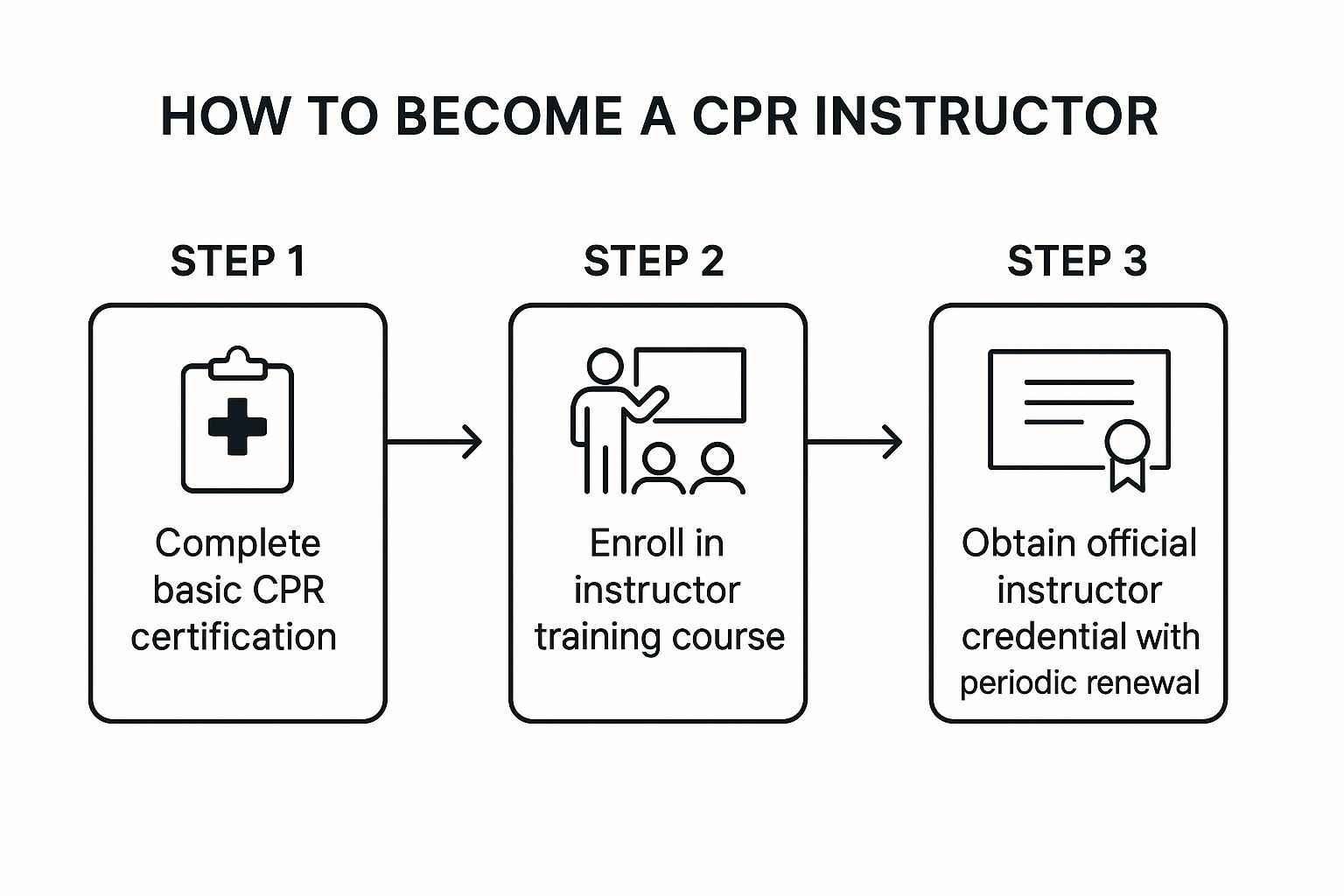
Step 1: Current CPR/AED Certification
You can’t teach someone to swim if you don’t know how to swim yourself, right? The same applies here. You’ll need a current, valid CPR/AED certification from a recognized agency. This is your foundational knowledge. You’ll likely need to have this for at least a year prior to instructor training. So, if you’re not certified, that’s your very first stop.
Step 2: The Instructor Course
This is where the magic happens. You’ll enroll in a specific instructor course offered by your chosen certifying body. These courses aren’t just about refreshing CPR skills; they’re about learning how to teach. Expect to cover adult learning principles, teaching strategies, and how to effectively demonstrate skills. The American Red Cross instructor training is a prime example of this.
Step 3: Skills Practice and Demonstration
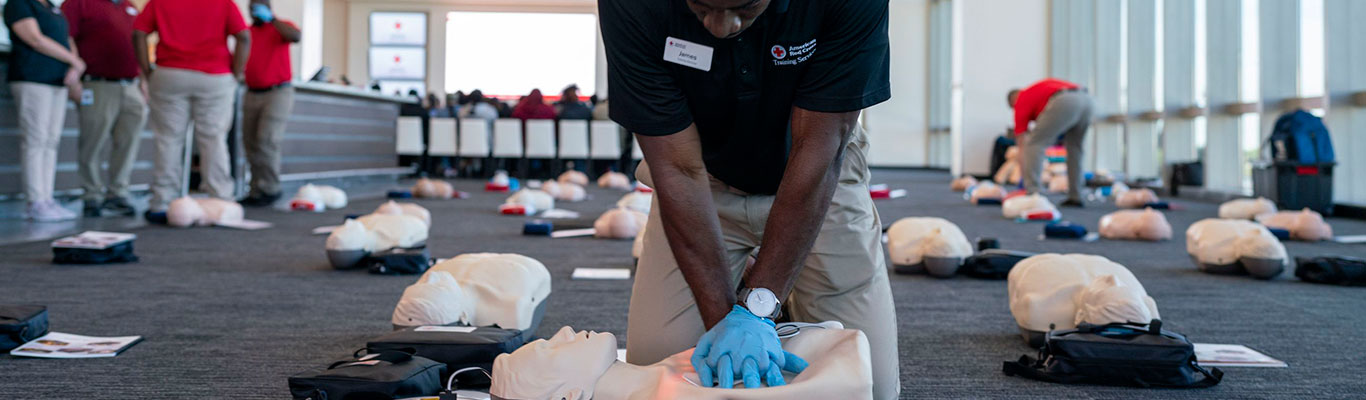
You won’t just sit in a classroom. A huge part of instructor training involves hands-on practice. You’ll demonstrate all the CPR and AED skills you’ve learned, but now with an instructor evaluating your technique. Then, you’ll likely teach those skills to other students in the class, under supervision. This is Key for developing your own teaching confidence and competence.
Source : readyresponsepa.com
Step 4: Final Assessment
To earn your instructor certification, you’ll need to pass a final assessment. This usually involves a written exam testing your knowledge of CPR guidelines and teaching methodologies, plus a practical skills evaluation where you demonstrate your ability to teach the core competencies effectively. Passing this proves you’re ready to train others safely and competently. Getting this certification is Key.
Specific Requirements for Major Organizations
American Red Cross Instructor Certification
The Red Cross has a streamlined process. You typically need to hold a current basic-level certification (like a Professional Rescuer or equivalent). Then, you’ll complete their Instructor Course, which often includes a mix of online and in-person components. They emphasize quality instruction and adherence to their protocols. You can explore their options at Red Cross instructor training. They also offer bridging courses if you’re already certified with another agency.
American Heart Association Instructor Path
The AHA’s instructor pathway is similarly rigorous. You’ll first need to be a proficient, currently certified provider in the discipline you wish to teach (e.g., BLS, ACLS, PALS). Then, you must complete their Instructor Essentials Course, which is largely online. Following that, you’ll attend an in-person class with an AHA Training Center Faculty member. Visit cpr.heart.org for the definitive guide. They stress the importance of adhering strictly to their guidelines.
Health & Safety Institute (HSI) Instructor Programs
HSI also provides Full instructor certification for CPR, AED, and First Aid. Their process often involves completing their online course materials followed by a hands-on skills session. They are known for integrating various safety disciplines into their offerings. You can find out more about becoming an HSI instructor at hsi.com. Their programs can be quite adaptable for different business environments.
Handling the Costs and Time Commitment
Investment in Instructor Training
Let’s talk numbers. Instructor courses aren’t free. You’re looking at anywhere from a couple of hundred dollars to upwards of $500, depending on the organization and the specific course (e.g., basic CPR vs. advanced life support instructor). This fee typically covers course materials, instructor fees, and the certification itself. Think of it as an investment in your workforce.
Time Required for Certification
The time commitment also varies. Some programs can be completed in a weekend (intensive in-person), while others are spread over several weeks with online modules and a shorter in-person session. A typical instructor course might require 16-24 hours of your time, spread out. Factor in your own basic CPR certification renewal, too. It’s not a small undertaking, but the payoff is huge.
Source : redcross.org
Ongoing Fees and Renewal
Don’t forget about renewal! Instructor certifications aren’t forever. They usually need to be renewed every two years. This often involves taking a refresher course and demonstrating ongoing competency. There might be annual fees associated with being affiliated with a training center, too. Keeping your instructor status current requires diligence.
Setting Up Your Workplace Training Program
Choosing a Training Center Affiliation
Most instructors affiliate with an official Training Center (TC). This TC is licensed by the certifying body (like AHA or Red Cross) to offer courses. They provide support, manage administrative aspects, and Make sure quality. Finding the right TC that aligns with your company’s needs is Key. Some large organizations might even become their own TCs. This is a big administrative step.
Acquiring Training Equipment
You’ll need equipment to teach! This includes CPR manikins (adult, child, infant), AED training devices, barrier devices (like masks or face shields), and cleaning supplies. The number of sets you need depends on your class size and the student-to-manikin ratio required by your certifying body. Factor this into your initial budget. Quality equipment ensures realistic training.
Scheduling and Logistics
Once certified and equipped, it’s about logistics. Plan your training schedule. How often will you offer courses? Who is eligible? How will employees sign up? You’ll need to manage rosters, track certifications, and Make sure compliance with renewal dates. Good organization is key to a successful training program.
Maintaining Instructor Proficiency
Continuing Education Units (CEUs)
To maintain your instructor status, you’ll often need to earn continuing education units or complete specific professional development activities. This ensures you stay updated on the latest CPR guidelines and teaching techniques. Check with your certifying body for their specific requirements. Staying current is part of the job.
Teaching Frequency Requirements
Many organizations require instructors to teach a minimum number of classes within a specific timeframe (e.g., within two years) to maintain their certification. This prevents skills from becoming rusty and ensures instructors remain actively engaged in teaching. If you don’t teach enough, you might have to retake the instructor course. Consistency is Key.
Source : hearttoheartctc.com
Monitoring and Quality Assurance
Your affiliated Training Center will likely have quality assurance processes. This might involve periodic class observations or reviews of your training records. They want to Make sure you’re delivering the high-quality training expected by the certifying agency. Adhering to protocols protects your certification and ensures the best learning experience for your students. Quality assurance matters.
When to Consider Advanced Instructor Roles
Becoming a Training Center Coordinator (TCC)
Experienced instructors might move into roles like a Training Center Coordinator. This involves managing a Training Center, overseeing other instructors, ensuring compliance, and handling administrative tasks. It’s a leadership role that requires strong organizational skills and a deep understanding of the certifying body’s operations. This is a significant career step.
Training Other Instructors (Faculty)
Some organizations offer a “train-the-trainer” pathway. Becoming an Instructor Trainer or Faculty member means you’re qualified to teach the instructor courses themselves! You’ll be responsible for certifying new CPR instructors. This requires extensive experience, a proven track record of excellent teaching, and often additional specialized training. It’s the highest level of instructor credentialing.
Specializing in Niche Courses
Beyond basic CPR/AED, many organizations offer advanced or specialized courses (like Basic Life Support for Healthcare Providers, Advanced Cardiovascular Life Support (ACLS), Pediatric Advanced Life Support (PALS), or even Wilderness First Aid). Becoming certified to teach these requires additional prerequisite training and instructor courses. This allows you to broaden your training offerings significantly.
| Feature | American Red Cross | American Heart Association (AHA) | Health & Safety Institute (HSI) |
|---|---|---|---|
| Initial Requirement | Current basic CPR/AED certification | Current provider certification (discipline specific) | Current basic CPR/AED certification |
| Instructor Course Format | Blended (Online + In-Person) common | Online Essentials + In-Person Session | Online + Hands-on Skills Session |
| Renewal Period | Typically 2 years | Typically 2 years | Typically 2 years |
| Training Center Affiliation | Required or can become own TC | Required | Required or can become own TC |
| Typical Cost Range | $300 – $500+ | $250 – $450+ | $200 – $400+ |
| Key Focus | Emergency preparedness, community safety | Cardiac emergencies, medical provider focus | Integrated safety solutions |
Frequently Asked Questions
How do I get certified to teach CPR at my workplace?
So, to teach CPR at your job, you generally need to be certified as an instructor by a recognized organization. Think AHA (American Heart Association) or the Red Cross. These organizations offer instructor courses that cover how to teach the material and skills effectively. You’ll usually need to have a current basic CPR certification yourself first, then complete their instructor training program, which often includes hands-on practice and a written exam. Check with your employer or theCPR certification bodies for their specific requirements.
How much do CPR instructors get paid per class?
Honestly, it really varies a lot! Depends on where you are, who you’re teaching for, and the organization you’re certified through. Some folks might make $20-$50 an hour, while others, especially if they’re ruing their own training business or teaching specialized courses, could pull in $100 or more per session. It’s not a fixed rate, so it’s worth doing some digging into local rates.
What are the prerequisites for becoming a CPR instructor?
Usually, you gotta have a current, valid basic CPR certification first. Like, you can’t teach someone how to do it if you aren’t already qualified to do it yourself! Then, you typically need to complete an instructor course through an accredited organization, which involves demonstrating your own CPR skills and passing a knowledge test. Some programs might have a minimum age requirement too, like being 18.
Can I teach CPR without being affiliated with a major organization like the Red Cross?
While you can technically teach CPR on your own, it’s generally not recommended for workplace training. Employers and participants usually want certification from a recognized and respected organization like the American Heart Association or the Red Cross. This ensures the training meets established standards and is widely accepted. Teaching without official affiliation might limit who accepts your certifications.
How long does CPR instructor certification last?
Most CPR instructor certifications are valid for a set period, typically two years. After that, you’ll need to complete a renewal course or process to maintain your instructor status. This usually involves demonstrating your skills, updating your knowledge on any changes to CPR guidelines, and paying a renewal fee. Gotta stay current with the latest CPR guidelines!
What’s involved in the CPR instructor training course?
The training course dives deep into teaching techniques. You’ll learn how to effectively present information, demonstrate CPR skills correctly, manage a classroom, and evaluate participants’ performance. Expect to practice teaching scenarios and get feedback. It’s way more than just knowing CPR; it’s about knowing how to teach it to others. You’ll also cover course logistics and record-keeping.
