So, How Much Dough Can A Certified Diabetes Educator Actually Pocket?
Let’s cut to the chase. You’re not just curious; you’re probably thinking about a career switch or maybe you’re already in the trenches and wondering if your hard work is paying off. The truth is, figuring out the exact salary for a Certified Diabetes Educator (CDE), or more accurately now, a Certified Diabetes Care and Education Specialist (CDCES), isn’t as simple as looking up a single number. It’s a mix of experience, where you hang your hat geographically, and the type of facility you end up in. This isn’t your average desk job, and the pay reflects that. It’s a role demanding serious expertise and compassion.
Think of it like this: you wouldn’t expect a brand-new chef to earn the same as a Michelin-starred master, right? The same principle applies here. The more you know, the more you’ve seen, and the more valuable your skills become. And let’s be honest, dealing with diabetes management day in and day out takes a special kind of dedication that deserves proper compensation. We’re talking about making a real difference in people’s lives, guiding them through complex health challenges.
The Big Picture: What Drives CDCES Salaries?

Source : youtube.com
Experience Really Does Matter (Shocker!)
This is probably the biggest no-brainer. Someone just starting out with their CDCES certification isn’t going to command the same salary as a seasoned pro who’s been doing this for a decade or more. Newbies are still learning the ropes, building their confidence, and establishing their reputation. They bring fresh knowledge, sure, but they lack the deep well of practical experience that comes from working with hundreds, maybe thousands, of patients.
As you rack up those years, you become Crucial. You’ve seen different types of diabetes, unique patient struggles, and a whole range of treatment successes and failures. This accumulated wisdom allows you to troubleshoot complex cases, offer highly personalized advice, and potentially take on more senior roles or specialized functions. Employers recognize this and are willing to pay a premium for that kind of seasoned expertise. It’s a tangible asset, not just a number on a piece of paper.
Location, Location, Location: The Geography Factor
Where you choose to work is a huge piece of the salary puzzle. Let’s face it, the cost of living varies wildly across the United States. A CDCES working in a high-cost-of-living area like San Francisco or New York City will almost certainly earn more than someone doing the exact same job in a smaller, more rural town in the Midwest. It’s simple economics: businesses in expensive areas need to pay more just so their employees can afford to live there.
But it’s not just about the cost of living. Demand plays a massive role. Areas with a higher prevalence of diabetes, or regions with a shortage of healthcare professionals, might offer higher salaries to attract and retain qualified CDCESs. Think about the sheer number of people needing diabetes education in densely populated urban centers versus more spread-out rural communities. The need is often greater, and therefore, the compensation may reflect that urgency.
Healthcare Settings: Where Do They Practice?
The type of facility you work for makes a significant difference. Hospitals often have the most structured pay scales and can offer competitive salaries, especially for experienced individuals. They’re typically large institutions with established benefits packages. You’re part of a bigger system, often with opportunities for advancement.
What about clinics or private practices? These can vary wildly. A small, independent clinic might not have the same budget as a large hospital system. However, some private practices, especially those focused on specialized diabetes care, might offer performance-based incentives or higher base pay to attract top talent. Then you have roles in public health, community centers, or even corporate wellness programs, each with its own unique pay structure and potential.

Source : cbdce.org
Decoding the Numbers: Average Salary Ranges
The National Average: A Starting Point
Okay, let’s get down to some figures. Based on various reports and salary aggregators, the average salary for a CDCES in the United States hovers somewhere around the $70,000 to $80,000 mark annually. But remember, this is just a midpoint. It’s a broad average that smooths out all the variations we’ve already talked about. Think of it as a ballpark figure, not a definitive promise.
Sites like Glassdoor and Indeed aggregate this data, and you’ll see numbers fluctuating. For instance, Glassdoor’s data often shows averages in a similar range, sometimes a bit higher depending on the time of year and the data pool. It’s a good place to get a feel for the market, but always take these averages with a grain of salt.
Entry-Level vs. Experienced CDCES Salaries
For those just stepping into the role, fresh out of training and newly certified, salaries might start closer to the $55,000 to $65,000 range. It’s still a respectable wage, especially considering the specialized nature of the work. You’re gaining valuable experience and building your professional network.
Jump ahead five to ten years, and that same individual could easily be earning $80,000, $90,000, or even north of $100,000 annually, particularly if they’ve specialized, taken on leadership roles, or work in a high-demand, high-cost area. The upward trajectory is definitely there for dedicated professionals. It pays to stick with it and keep growing.
The Impact of Specific Certifications and Specializations
While “Certified Diabetes Educator” is the common term, the official credential is now Certified Diabetes Care and Education Specialist (CDCES). Holding this specific certification is key. Without it, you might be doing similar work, but the salary expectations and job titles would likely differ. Employers seek out that verified expertise.
Beyond the core CDCES, some individuals pursue further specializations. Maybe they focus intensely on pediatric diabetes, or insulin pump therapy, or even the psychological aspects of living with chronic illness. These niche skills can make you a highly sought-after expert, potentially commanding even higher salaries than the general average. It’s about becoming the go-to person for a particular problem.
Factors That Significantly Influence Your Paycheck
The Role of Education and Further Degrees
While the CDCES certification is Top, your underlying education still plays a part. Holding a Master’s degree in Public Health, Nutrition, or a related field might give you an edge, especially for roles in research, program management, or academia. Some positions might even require a Master’s or higher.
Does a Bachelor’s degree guarantee a certain salary? Not directly, but it’s often the baseline requirement for entering the healthcare field. More advanced degrees, however, can open doors to higher-paying positions and roles with greater responsibility. It signals a deeper commitment to the field and a broader knowledge base. For example, if you’re looking at how much salary do certified diabetes educators make, you’ll often see a correlation between higher education levels and increased earning potential.
Demand vs. Supply: The Market Dynamics
Diabetes is a growing epidemic. With more people diagnosed every year, the demand for skilled diabetes educators is only increasing. This imbalance – high demand, relatively limited supply of highly qualified individuals – naturally drives up salaries. Healthcare organizations are competing for talent.
Consider areas with a high prevalence of type 2 diabetes, often linked to lifestyle factors and aging populations. In these regions, the need for effective diabetes education is acute. Facilities there are often willing to pay more to secure the services of a competent CDCES. It’s basic supply and demand, and right now, the demand is strong.
Negotiation Skills: Your Secret Weapon
Let’s not forget the power of the negotiation. Many healthcare professionals, especially in non-physician roles, leave money on the table because they don’t negotiate their starting salary or ask for raises. Understand your worth based on your experience, skills, and the local market rates.
Do your research beforehand. Know the average salary range for a CDCES in that specific city and for that type of facility. When you get an offer, don’t be afraid to counter politely and professionally. Highlight your specific qualifications, your years of experience, and any unique skills you bring to the table. Sometimes, just asking can lead to a significant bump in your compensation. It’s a skill worth honing.
Salary Breakdown by Facility Type

Source : amazon.com
Hospital-Based CDCES Roles
Working in a hospital setting often means a stable, structured environment. You’ll likely be part of a larger diabetes management team, working with patients during their hospital stay and potentially providing follow-up outpatient education. Salaries here can be quite competitive, often falling within the mid-to-upper range for the profession.
Hospital systems usually offer Full benefits packages, including health insurance, retirement plans, and paid time off, which adds significant value to the total compensation. The potential for professional development and continuing education is also often strong within these larger organizations. Think about the resources available.
Community Health Centers and Clinics
Community health centers and non-profit clinics serve diverse patient populations, often those with limited access to care. While the base salaries might sometimes be slightly lower than in large hospital systems, these roles offer immense job satisfaction and the chance to work directly with underserved communities. They are Key hubs for health education.
Some positions in these settings might also qualify for loan repayment programs or offer unique benefits related to public service. The work can be incredibly rewarding, connecting you directly with the heart of community health needs. It’s a different kind of ‘richness’.
Private Practice and Outpatient Settings
CDCESs working in private physician practices or specialized outpatient diabetes centers can see a wide range of earning potentials. In some cases, particularly if the practice is highly successful and patient volume is high, salaries can be very attractive. There might also be opportunities for bonuses based on patient outcomes or practice growth.
However, salaries in smaller private practices can be more variable and might be more heavily influenced by the individual practice owner’s financial success. It’s a Active environment where your performance can have a more direct impact on the practice’s bottom line, and potentially, your own paycheck. You might also find roles related to medical device companies or pharmaceutical firms here.
Emerging Roles: Telehealth and Corporate Wellness
The rise of telehealth has opened new avenues for CDCESs. Providing education remotely via video calls or online platforms can offer flexibility and access to patients who can’t easily travel. Salaries for telehealth roles can be competitive, sometimes mirroring those of in-person positions, and occasionally even higher due to the specialized technology and reach.
Corporate wellness programs are another growing area. Companies are increasingly investing in employee health, and diabetes prevention and management are often key components. A CDCES might work directly for a large corporation or contract with a wellness provider to deliver educational programs. This area is still evolving, but it presents exciting opportunities for salary growth.
A Comparative Look at CDCES Salary Data
National Averages vs. State-Specific Earnings
We’ve discussed the national average, but state-by-state figures paint a more detailed picture. California, for example, consistently shows higher average salaries for healthcare professionals due to its high cost of living and large population. Similarly, states like Massachusetts, New York, and Washington tend to offer higher compensation.
Conversely, states with a lower cost of living and less population density, such as those in the South or parts of the Midwest, might show lower average salaries. It’s Needed to look at data specific to the state or even the metropolitan area where you plan to work. A CDCES salary in rural Texas will look very different from one in Boston.
The Salary Impact of Top Employers
Large, well-established healthcare systems often lead the pack in terms of compensation. Think of major university medical centers or large national hospital chains. They have the resources to attract and retain top talent by offering competitive salaries and Full benefits. Their structured HR departments often have well-defined pay scales.
Smaller, independent clinics or facilities in less competitive markets might offer lower base salaries. However, they might compensate with other perks, like a more flexible work environment or greater autonomy. It’s a trade-off that potential employees need to weigh. Researching specific employers is Key.
Incorporating Benefits into Total Compensation
Don’t just look at the base salary! The total compensation package for a CDCES can be significantly higher when you factor in benefits. Health insurance is a major one – premiums, deductibles, and coverage levels can vary wildly. A job with a $75,000 salary but extremely high healthcare costs might be less attractive than one with a $70,000 salary and excellent, low-cost insurance.
Other benefits matter too: retirement contributions (like 401k matching), paid time off (vacation, sick leave, holidays), tuition reimbursement for continuing education, life insurance, and disability insurance all add significant monetary value. A job offering a generous PTO policy might be worth more to you than a slightly higher salary with minimal time off. Always ask about the full benefits package.

Source : nerdygrad.org
Understanding the CDCES Certification and Its Value
What Does “Certified” Actually Mean Here?
The CDCES credential isn’t just a participation trophy. It signifies that an individual has met rigorous standards for education, professional practice experience, and has passed a Full examination demonstrating their knowledge and skills in diabetes self-management and education. It’s a mark of expertise.
This certification ensures a certain level of competency, which is critical when you’re dealing with a complex chronic condition like diabetes. Patients and employers alike can trust that a CDCES has a verified foundation of knowledge. It’s about patient safety and quality of care, first and foremost.
The Pathway to Becoming a CDCES
Becoming a CDCES involves several key steps. First, you typically need a background in a healthcare field, often requiring a degree and licensure as a Registered Nurse (RN), Registered Dietitian (RD/RDN), Pharmacist, or other specific health professionals. Then comes the Key part: accumulating documented professional practice experience related to diabetes education.
Finally, you must pass the official CDCES examination administered by the National Certification Board for Diabetes Educators (NCBDE). This process is demanding and requires significant commitment, which is why certified individuals are highly valued. As mentioned on The Diabetes Link, working in this space requires specific passion and dedication.
How Certification Boosts Earning Potential
Simply put, being a CDCES generally leads to higher earning potential than a similar role without the certification. Employers recognize the value and the investment required to obtain and maintain it. It differentiates you from other healthcare professionals who may have general knowledge but lack specialized diabetes education expertise.
Many job postings specifically list the CDCES credential as required or strongly preferred. This demand directly translates into better salary offers. It’s an investment in your career that pays dividends over time, both in terms of job opportunities and financial reward. It’s a professional asset.
Maximizing Your Income as a CDCES
Strategic Career Moves and Advancement
Don’t just stay in one role forever expecting significant raises. Look for opportunities to advance. This could mean moving into a Lead Diabetes Educator position, becoming a Program Manager, or transitioning into a role with more administrative or policy responsibilities. Taking on more leadership naturally comes with higher pay.
Consider specializing further. Becoming the go-to expert in a particular niche, like continuous glucose monitoring (CGM) technology or diabetes technology management, can make you incredibly valuable and command a higher salary. Continuous learning is key.
The Power of Networking and Professional Development
Building relationships within the diabetes care community is Crucial. Attending conferences, joining professional organizations (like ADCES – the Association of Diabetes Care & Education Specialists), and participating in online forums can lead to hearing about unadvertised job openings or opportunities for collaboration. Colleagues can be your best source of information on salary trends and career paths.
Engaging in ongoing professional development shows your commitment to staying current. Obtaining additional certifications, attending workshops, or even pursuing further academic degrees can enhance your skills and make you a more attractive candidate for higher-paying roles. It keeps your knowledge sharp and your career progressing.
Leveraging Part-Time or Consulting Opportunities
For experienced CDCESs, consulting can be a lucrative path. You could offer your expertise to healthcare organizations developing new diabetes programs, assist medical device companies with product training, or provide services to smaller clinics that can’t afford a full-time educator. This often allows for higher hourly rates than traditional employment.
Part-time work can also be a way to supplement your income or explore different facets of the field. Perhaps you work part-time at a hospital and also offer some private coaching sessions. Flexibility and diversification can lead to greater overall earnings and career satisfaction. It’s about being creative with your skills.
A Look Ahead: Future Salary Trends for CDCESs
The Growing Need for Diabetes Education Specialists
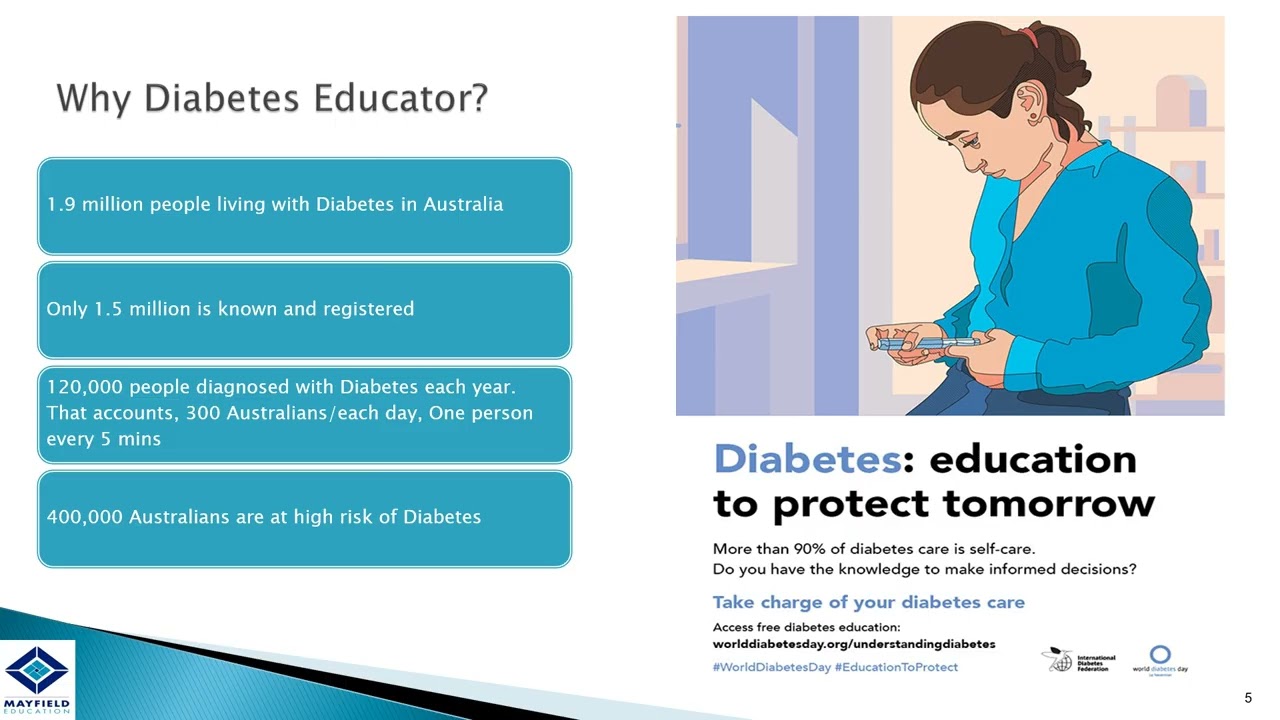
With the global diabetes rates continuing to climb, the demand for qualified CDCES professionals is projected to remain strong, if not increase. This sustained demand is a positive indicator for future salary expectations. As more people require support, more positions will be created.
Source : youtube.com
Healthcare systems are increasingly recognizing the cost-effectiveness of preventative care and effective chronic disease management. Diabetes education plays a Key role in preventing costly complications, making CDCESs a Key part of the healthcare team and a valuable investment for employers. This value translates directly to compensation.
Technological Advancements and Skill Requirements
Technology is rapidly changing diabetes care – think smart insulin pens, advanced CGMs, and AI-powered management apps. CDCESs who Welcome and master these technologies will be in high demand. Staying current with the latest innovations will be Key for career growth and maintaining a competitive edge in the job market.
This might mean developing new skills in data interpretation from these devices or learning how to integrate them into personalized education plans. Professionals who can confidently navigate this tech-driven Field will likely see their earning potential increase. It’s about adapting to the future of care.
Potential for Increased Recognition and Reimbursement
As the value of diabetes education becomes more widely acknowledged, there’s a potential for increased insurance reimbursement for services provided by CDCESs. Expanded coverage means more opportunities for employment and potentially higher reimbursement rates for services, which can positively impact salaries, especially in private practice or outpatient settings.
Advocacy by professional organizations like ADCES works towards ensuring that diabetes education is recognized as an Needed, reimbursable service. This ongoing effort could lead to greater financial stability and potentially higher compensation for the dedicated professionals providing this critical care. It’s a fight worth fighting.
The Bottom Line on CDCES Earnings
So, to wrap it all up: How much does a Certified Diabetes Educator make? It’s a solid, respectable living, typically starting in the $50s or $60s for newcomers and climbing into the $80s, $90s, or even $100k+ range for experienced professionals in high-demand areas or specialized roles. It’s not just about the base number, though. Consider the full picture: benefits, location, facility type, and your own career trajectory.
It’s a career that offers not only financial reward but also the profound satisfaction of making a tangible difference in people’s lives. If you’re considering this path, know that your skills are valuable and in demand. Keep learning, keep growing, and don’t be afraid to negotiate for the compensation you deserve. You’re doing important work!
| Experience Level | Average Annual Salary (USD) | Potential Earning Ceiling (USD) | Key Factors |
|---|---|---|---|
| Entry-Level (0-3 years) | $58,000 – $70,000 | $75,000 | Basic certification, foundational knowledge, learning patient interaction. |
| Mid-Career (3-7 years) | $70,000 – $85,000 | $95,000 | Increased experience, specialized skills (e.g., technology), patient case management. |
| Experienced (7-15 years) | $80,000 – $95,000 | $110,000+ | Advanced expertise, potential leadership roles, specialized certifications, high-demand locations. |
| Senior/Lead (15+ years) | $90,000 – $110,000+ | $125,000+ | Extensive experience, program management, mentorship, consulting, key opinion leader status. |
Frequently Asked Questions
Do certified diabetes educator credentials make more money?
Because having those CDE credentials really sets you apart. Employers see that specialized knowledge and often offer a higher salary compared to educators without certification. It’s a clear signal of expertise.
Is it worth it to become a certified diabetes educator?
But totally! Not only does it usually mean a better diabetes educator salary, but you’re also equipped with the most up-to-date knowledge to truly help people manage their diabetes. It’s super rewarding.
Do I need a degree to be a diabetes educator?
Well, usually yes. Most roles require at least a bachelor’s degree in a health-related field. Then, you’ll need specific experience and to pass the Certified Diabetes Educator exam to get certified.
Is there a shortage of diabetes educators?
Oh yeah, there’s definitely a growing need for qualified diabetes educators. With the rise in diabetes diagnoses, more and more of these professionals are needed to provide Needed patient care and education.
What is the average salary for a diabetes educator?
The average salary can really vary depending on where you are, your experience, and the setting. But generally, you’re looking at a competitive income, often higher with that CDE certification.
