Senior Fitness Certifications: Don’t Just Get Old, Get Strong!
Look, you’re a personal trainer. You’re good at what you do. But the world isn’t just 20-somethings hitting the gym before brunch. There’s a massive, underserved population out there: our seniors. And frankly, just telling an 80-year-old to do lunges might not be the best approach. You need specialized knowledge. That’s where a solid senior fitness certification comes in.
Forget those cookie-cutter programs. Training older adults isn’t just about reducing weight; it’s about preserving independence, improving balance, and adding real quality to their later years. It’s incredibly rewarding work, and frankly, it’s a smart business move. Let’s break down the heavy hitters, the programs that’ll actually equip you to make a difference.
Why Bother with a Senior Fitness Certification? It’s More Than Just a Piece of Paper.
Source : fpti.edu
Beyond the Basics: Understanding Age-Related Changes
It’s easy to think, “Okay, seniors. Go slow. Lighter weights.” But that’s a dangerous oversimplification. You’re talking about physiological changes: decreased bone density, changes in cardiovascular function, potential joint issues, and altered proprioception. A good certification dives deep into these specific physiological shifts.
You’ll learn about common conditions like arthritis, osteoporosis, and heart disease, and how they impact exercise programming. It’s not just about avoiding injury; it’s about understanding the why behind modifications. This knowledge is gold.
Boosting Independence and Quality of Life
What’s the ultimate goal for most seniors? To maintain their ability to do the things they love. This means being able to get out of a chair without help, walk without fear of falling, and keep up with their grandkids. A senior fitness certification focuses on functional movements. Think strength training that translates directly to daily activities.
You’re not just training a body; you’re training a life. It’s about empowering them to live fully, not just exist. This aspect is incredibly motivating for clients and trainers alike.
Opening New Client Avenues (and Revenue Streams)
Let’s talk brass tacks. The senior population is growing exponentially. Are you tapping into that market? Many personal trainers shy away from older adults because they lack the specialized knowledge. By getting certified, you immediately stand out. You become the go-to expert for a demographic that desperately needs your skills. It’s a huge untapped market.
Gyms looking for trainers with specific expertise, or direct outreach to senior living communities. This certification can be a real business booster.
Source : americansportandfitness.com
NASM Senior Fitness Specialization: A Solid Contender
What Sets NASM Apart? Depth and Science.
When you hear NASM, you usually think of a rigorous, science-backed approach. Their Senior Fitness Specialization is no different. They go deep into the physiological aspects of aging, covering everything from cardiovascular health to neuromuscular control. It’s not just a quick overview; it’s a Full dive.
You’ll learn to assess older adults effectively, identify risks, and design safe, progressive programs. NASM emphasizes understanding the ‘why’ behind every exercise modification.
The Curriculum Breakdown: What You’ll Actually Learn
Expect modules covering:
- Understanding the aging process (cellular to systemic levels).
- Common chronic diseases and their impact on exercise.
- Exercise modifications for specific conditions (arthritis, osteoporosis, diabetes, etc.).
- Balance, flexibility, and functional strength training techniques tailored for seniors.
- Fall prevention strategies and how to implement them.
- Nutritional considerations relevant to older adults.
This isn’t just fluff; it’s practical, actionable knowledge. You can explore the details further on the NASM Senior Fitness Specialization page.
Who is This Certification Best For?
This is ideal for the trainer who values a thorough, evidence-based approach. If you like understanding the physiological underpinnings of training and want a certification that carries significant weight and recognition, NASM is a strong choice. It’s particularly good if you plan to work with clients who have multiple complex health conditions.
ACE Active Aging Fitness Specialist: Focus on Functionality
ACE’s Philosophy: Keeping Seniors Active and Independent
The American Council on Exercise (ACE) has a fantastic reputation for practical, client-centered fitness. Their Active Aging Fitness Specialist certification really hones in on functional fitness and maintaining independence. They believe in empowering seniors to live their lives to the fullest, and their curriculum reflects that.
It’s less about bodybuilding poses and more about how to get up, stay mobile, and enjoy life. This focus resonates with many older adults and their families.
Key Learning Areas and Program Structure
You’ll typically cover:
- Physiological changes associated with aging.
- Strategies for improving cardiovascular health and muscular strength in older adults.
- Key components like flexibility, balance, and mobility training.
- Adapting exercises for common limitations and health concerns.
- Behavior change strategies to encourage long-term adherence.
- Designing programs that enhance daily functional capacity.
ACE often offers bundles, and you can check out options like their Active Aging Coach bundle, which is worth exploring.
Pros and Cons: A Quick Look
Pros: Strong emphasis on functional movement, practical application, well-respected organization. ACE certifications are known for being accessible and well-supported.
Cons: Might be perceived as slightly less medically dense than NASM by some, depending on your focus.
This certification is excellent for trainers who want a practical, functional approach to working with older adults. It’s about making a tangible difference in everyday life.
The National Council on Strength & Fitness (NCSF) Senior Fitness Specialist
NCSF’s Approach: Strength for Longevity
While NCSF is widely known for its core strength and conditioning certifications, their Senior Fitness Specialist program offers a valuable pathway for trainers looking to specialize. They emphasize the critical role of strength training in combating sarcopenia (age-related muscle loss) and maintaining metabolic health.
Source : americansportandfitness.com
Their focus is on building a sustainable, strong foundation for seniors, which is Key for overall health and preventing injuries. They bring a strength-first perspective to aging well.
Curriculum Highlights and Target Audience
Expect to learn about:
- The science behind age-related muscle loss and its consequences.
- Safe and effective strength training techniques for seniors.
- Integrating balance and flexibility into strength programs.
- Programming for common geriatric conditions from a strength perspective.
- Assessment tools specific to functional strength and mobility.
This certification appeals to trainers who are passionate about the power of strength training and want to apply it specifically to the older adult population. It’s about building resilience.
Why Choose NCSF?
If you already have a background or affinity for NCSF’s training philosophy, this specialization makes perfect sense. It leverages their expertise in strength and conditioning and applies it directly to the unique needs of seniors. It’s a focused, strength-centric approach.
Other Reputable Certifications to Consider
The Geriatric Fitness Professional (GFP) by The Fitness Professionals
This is another specialized option that drills down into the specifics of training older adults. The Fitness Professionals often provide detailed educational content, and their GFP certification aims to equip trainers with the knowledge to work safely and effectively with this demographic. You’ll likely cover exercise prescription, health screening, and program design.
Health Fitness Specialist (HFS) by ACSM
While not exclusively for seniors, the American College of Sports Medicine’s (ACSM) Health Fitness Specialist certification provides a broad foundation in exercise science, health appraisal, fitness program design, and risk management. Many trainers use this as a stepping stone and then focus their practice on specific populations, including seniors. It’s a more generalist certification but highly respected.
It covers a wide range of topics, making it a good general-purpose credential for trainers who might work with diverse age groups and fitness levels. The ACSM HFS certification is a strong foundational credential.
What to Look for in ANY Senior Fitness Program
No matter which organization you choose, Make sure the program covers these critical areas:
- Full Health Screening: How to properly assess risk factors and contraindications.
- Physiological Adaptations to Aging: Understanding the body’s changes.
- Functional Movement & Balance: Key for fall prevention and independence.
- Exercise Modifications: Adapting for common conditions (arthritis, osteoporosis, heart disease, etc.).
- Program Design Principles: Progressive overload, specificity, and individualization for seniors.
- Safety Protocols: Emergency procedures and creating a secure training environment.
Don’t just take their word for it; scrutinize the syllabus!
Comparing the Top Senior Fitness Certifications
Choosing the right certification often comes down to your personal training style and career goals. Here’s a simplified comparison:
| Certification | Primary Focus | Strengths | Considerations |
|---|---|---|---|
| NASM Senior Fitness Specialization | In-depth science, physiological changes, chronic conditions | Highly respected, medically Full, strong assessment protocols | Can be very detailed; best for trainers wanting deep medical/physiological understanding |
| ACE Active Aging Fitness Specialist | Functional movement, independence, quality of life | Practical application, client-centered, behavior change focus | Excellent for direct client results, perhaps less medically dense than NASM |
| NCSF Senior Fitness Specialist | Strength training for longevity, combating sarcopenia | Strength-focused, good for trainers with a strength background | More niche focus on strength; may require supplementing other areas |
| ACSM HFS | Broad fitness & health assessment, general population programming | Respected foundational cert, versatile | Requires additional specialization for seniors specifically |
Making the Choice: What’s Right for YOU?
Assess Your Current Knowledge and Goals
Be honest with yourself. Are you coming into this with a solid understanding of basic anatomy and physiology, or are you starting from scratch? Do you envision yourself working with clients who have complex medical histories, or are you more focused on general mobility and fitness? Your existing skills and future career aspirations will heavily influence the best fit.
If you want to be the expert on osteoporosis and heart disease modifications, NASM might be calling your name. If you’re more about helping someone play golf again or keep up with their grandkids, ACE could be the winner. It’s about aligning the program with your passion.
Source : personaltrainercertification.us
Consider the Learning Style and Format
Some certifications are purely online, while others might offer hybrid models or require in-person components. Think about how you learn best. Do you thrive with video lectures and interactive modules? Or do you prefer digging into dense textbooks? Look at the delivery method, the quality of the materials, and whether there’s adequate support (like study groups or instructor access). The process of learning should be as effective as the certification itself.
And don’t forget the exam format. Multiple choice? Practical assessment? Make sure it aligns with how you best demonstrate your knowledge. A smooth learning experience is key.
Long-Term Value and Credibility
You want a certification that not only teaches you well but also adds significant credibility to your professional profile. Certifications from well-established organizations like NASM, ACE, and ACSM generally carry more weight in the industry. They signal a certain level of commitment and expertise that clients and employers recognize. Think about which credential will impress potential clients the most.
Researching gyms or facilities that hire trainers for senior populations can also give you insight into which certifications they value. A credential from a recognized body like PTPioneer often helps summarize these industry standards.
Conclusion: Invest in Your Expertise, Invest in Your Clients
Getting a senior fitness certification isn’t just about adding another line to your resume. It’s about fundamentally upgrading your ability to serve a Key and growing population. It’s about making a real, tangible difference in people’s lives – helping them stay independent, active, and healthy for longer.
Don’t be the trainer who wing’s it with older adults. Get the specialized knowledge. Choose a program that resonates with you and your goals. Your future clients, and your own professional satisfaction, will thank you for it. It’s time to become the go-to expert in senior fitness training.
Frequently Asked Questions
What is the most recognized certified personal trainer certification?
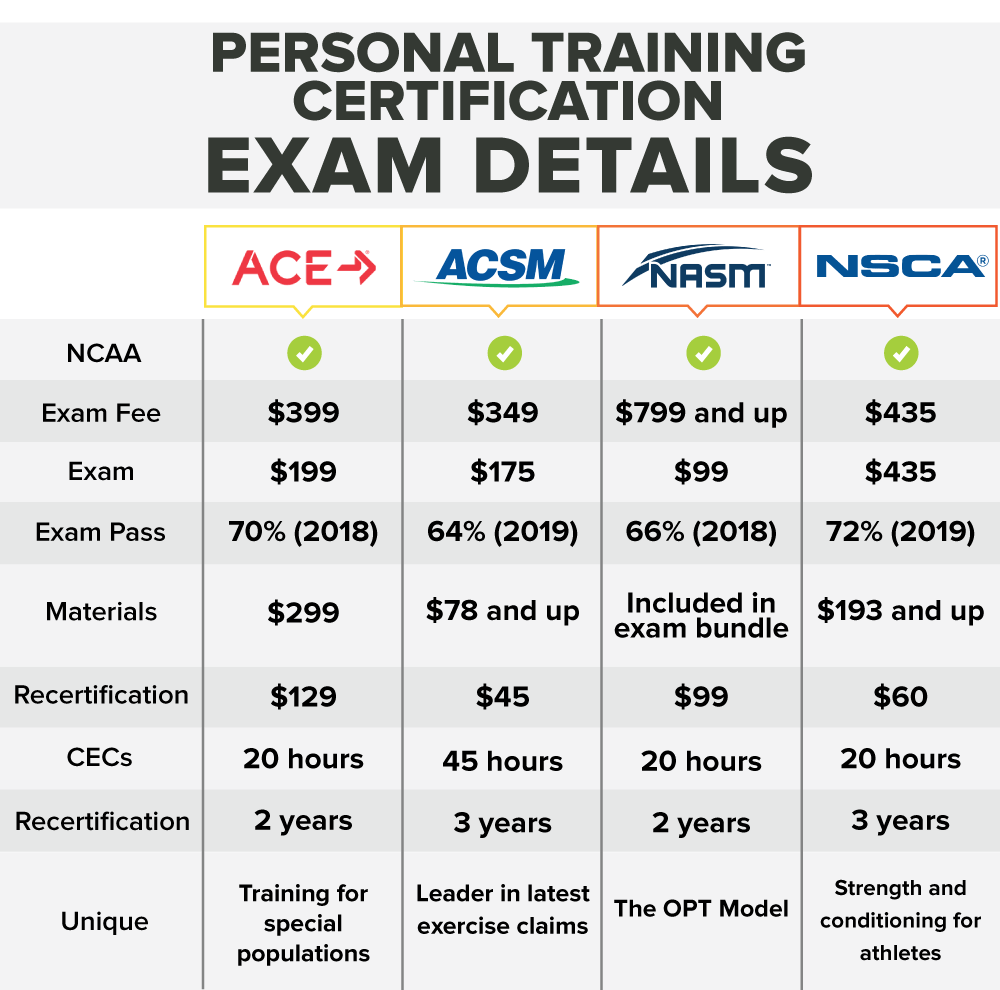
Honestly, it’s a bit of a moving target because different organizations have varying levels of recognition depending on the gym or facility. But generally, organizations like NASM, ACE, ACSM, and NSCA are pretty widely respected. If you’re looking specifically for senior fitness, you’ll want to see if these offer specialized certs or if there are other reputable ones focusing on that niche.
How to become a fitness trainer for the elderly?
Becoming a fitness trainer for seniors is super rewarding! First off, you’ll want a solid personal trainer certification. Then, look for specialized certifications in senior fitness or older adult exercise. Gaining experience is key, maybe volunteer at a senior center or work with older clients under supervision. Understanding common age-related conditions and modifications is a must.
How to become a PT for seniors?
It’s pretty similar to becoming a fitness trainer for the elderly, really. Get your general personal training certification from a reputable source. After that, seriously consider a specialized certification focused on older adults or senior fitness. Building rapport and understanding their unique needs, like balance, flexibility, and chronic conditions, is what sets you apart. You’ll be amazing!
Is 60 too old to become a personal trainer?
Absolutely not! Age is just a number when it comes to fitness. Being 60 might even be an advantage, giving you firsthand understanding of the challenges and triumphs your older clients might experience. Your life experience combined with a good personal trainer certification can make you incredibly relatable and effective.
What specific skills are needed for training seniors?
You’ll need more than just generic fitness knowledge. Think about developing strong communication skills to really coect with seniors. You gotta understand common age-related conditions like arthritis or osteoporosis, and know how to modify exercises safely. Balance and fall prevention training are also huge. Basically, patience and empathy go a long way!
