Forget the fancy diplomas for a second. Let’s talk about a career where your drive and compassion can actually make a massive difference, even if you’re not wading through a four-year degree program just yet. I’m talking about ABA therapy. It’s a field that’s exploding, and guess what? You don’t necessarily need a fancy piece of paper from college to get your foot in the door and start helping people. Seriously. We’re going to break down exactly how you can become certified in ABA therapy without a degree, cut through the noise, and get you on a path to a fulfilling career. It’s more accessible than you think.
Think of the kid who struggles to connect, the adult facing daily challenges – ABA therapy offers them tools, hope, and a brighter future. And guess what? It needs dedicated people like you, people who are willing to learn and grow. So, let’s ditch the intimidation factor and dive into the practical steps. This isn’t some pie-in-the-sky dream; it’s a real, actionable plan for getting certified in ABA therapy.
What Exactly is ABA Therapy, Anyway?
The Core Principles of Applied Behavior Analysis
Okay, so ABA stands for Applied Behavior Analysis. At its heart, it’s a science. It focuses on understanding how behavior works and how we can use that knowledge to make positive changes in people’s lives. It’s all about observable actions and the environment surrounding them. We’re not digging into deep psychological mysteries here; we’re looking at what people do and why. This practical approach is key.
It’s Not Just for Kids with Autism
A lot of people hear ABA and immediately think of autism spectrum disorder (ASD). And yeah, it’s a huge part of it, and incredibly effective. But ABA principles can be applied to a much broader range of challenges. Think about improving social skills, life skills, or even helping people manage anxiety. It’s a versatile tool. It’s about teaching new skills and reducing challenging behaviors across the board. This adaptability makes ABA therapy so valuable.
The Goal: Meaningful, Lasting Change
The ultimate aim of ABA therapy is to help individuals achieve greater independence and improve their quality of life. It’s not about just ticking boxes; it’s about fostering real, sustainable progress. Whether that’s a child learning to communicate their needs or an adult mastering daily routines, the focus is on functional improvements. We’re looking for real-world impact here.
Your Entry Point: Becoming a Registered Behavior Technician (RBT)

Source : appleabacare.com

Source : gratefulcareaba.com
The RBT: The Frontline Hero
So, you want to get into ABA without a degree? Your first and most Key step is likely becoming a Registered Behavior Technician, or RBT. This is the entry-level certification that allows you to work directly with clients under the supervision of a Board Certified Behavior Analyst (BCBA) or a Board Certified Assistant Behavior Analyst (BCaBA). It’s your ticket to hands-on experience. This certification is Key.
What Does the RBT Certification Actually Involve?
Getting your RBT certification isn’t rocket science, but it does require a specific process. You’ll need to complete a 40-hour training course, pass a background check, and then nail the RBT exam administered by the Behavior Analyst Certification Board (BACB). The training covers fundamental ABA principles and ethical considerations. It’s designed to equip you with the basic knowledge to work effectively and safely. Think of it as your foundational training. You can find out more about the specifics by visiting the BACB website, but essentially, it’s a structured pathway to proving your competency. This structured approach ensures you’re getting quality foundational training.
Why the RBT is Your Best Bet (No Degree Needed!)
This is where the “no degree” part really shines. For the RBT credential, you don’t need a bachelor’s degree. You just need to meet the age requirement (usually 18) and have a high school diploma or equivalent. This makes it incredibly accessible for people looking to enter the field quickly. It’s a direct route. The focus is on demonstrating your understanding and practical skills, not on years of formal academic study. Many find this accessible certification a perfect starting point.
Practical Training: Beyond the 40 Hours
That 40-hour training is just the beginning. You’ll also need to complete a supervised field experience and an in-person skills competency assessment. This means working with actual clients under the watchful eye of an experienced professional. They’ll assess your ability to implement behavior-analytic interventions. This hands-on component is non-negotiable and Key for developing practical skills. It’s where the theory meets reality. This supervised practice is Crucial.
Handling the Training and Education Requirements
Finding an Accredited 40-Hour RBT Training Program
Not all training programs are created equal. It’s Needed to find a program that’s accredited or meets the BACB’s standards. Many organizations offer these courses, both online and in person. Some employers might even provide this training as part of their onboarding process, which is a huge plus. Do your homework to Make sure the program covers all the necessary competencies and ethical guidelines. Quality matters here. Picking the right training program sets you up for success.
The Role of Competency Assessments
The RBT requires ongoing competency assessments. This means your supervisor will periodically observe you working with clients and evaluate your performance on specific skills. These assessments Make sure you’re not just learning the material but actually applying it correctly. It’s a way to guarantee you’re providing effective and ethical care. Don’t shy away from feedback; it’s your best tool for growth. This continuous evaluation is critical.
Beyond RBT: What If You Want More?
Okay, so you’ve got your RBT. You’re working, you’re learning, and you’re loving it. What’s next if you decide you want to climb higher? While you can build a solid career as an RBT, many people aim for higher certifications like the BCaBA or even the BCBA. These roles require specific academic qualifications, usually a bachelor’s or master’s degree. However, your RBT experience is Crucial. It provides the practical foundation that makes advanced study so much more meaningful. It’s like building a house – you need a strong base. Your RBT experience provides that Needed practical foundation.
Exploring Associate’s Degree Pathways
For those looking to bridge the gap, an associate’s degree in a related field, like psychology or human services, can be a stepping stone. While not always a direct requirement for RBT, it can enhance your understanding and potentially open doors for further education or specialized roles. It shows a commitment to the field beyond the RBT. It’s an option for those who want a bit more academic structure without the full four-year commitment. Consider it a strategic educational move.

Source : steadystridesaba.com
Gaining Needed Experience and Skills
Hands-On Work is Your Best Teacher
Let’s be blunt: you learn ABA by doing ABA. Your role as an RBT will immerse you in real-world scenarios. You’ll work with diverse clients, implement treatment plans, collect data, and collaborate with supervisors and families. This is where you truly develop your skills. Every session, every interaction, is a learning opportunity. Welcome the challenge. Direct client interaction is irreplaceable.
Data Collection: The Backbone of ABA
Accurate data collection is Top in ABA. You’ll be responsible for recording client progress, noting behaviors, and tracking the effectiveness of interventions. This data informs treatment decisions and demonstrates progress. Learning to be Careful and objective in your data collection is a skill in itself. It’s not just about numbers; it’s about understanding the client’s journey. Precision in data collection is key.
Communication: Talking to Everyone
As an RBT, you’re a Key link in the communication chain. You’ll be talking with clients, their families, your supervisors (BCBAs/BCaBAs), and potentially other professionals. Clear, concise, and empathetic communication is Key. You need to be able to explain what you’re doing, share progress, and listen to concerns. Building rapport with families is just as important as implementing the technical skills. Strong interpersonal communication skills are a must.
Problem-Solving on the Fly
Things don’t always go according to plan. You’ll encounter unexpected behaviors, challenging situations, and moments where you need to think on your feet. Your training will give you the tools, but your experience will teach you how to adapt and problem-solve in real-time. This ability to think critically and respond effectively is what separates good therapists from great ones. Be prepared to think critically and adapt.
Potential Career Paths and Advancement Without a Degree
Building a Career as an RBT
Don’t underestimate the career potential as an RBT. With experience, you can become highly skilled and sought-after. Many RBTs specialize in certain age groups or intervention areas. You can also take on more responsibility within your agency, perhaps mentoring new RBTs or taking a lead role in specific client programs. The demand for qualified RBTs is high, so building expertise in this role alone is a solid career move. You can have a very rewarding RBT career.
Supervisory and Mentorship Roles
As you gain experience, some agencies offer opportunities for RBTs to move into more senior roles. This could involve assisting supervisors with training new staff, helping to develop program materials, or leading group therapy sessions under supervision. While you won’t be designing treatment plans independently, these roles allow you to expand your responsibilities and leadership skills. It’s a way to grow your influence. Seeking leadership opportunities is smart.
Specializing in Different Areas
ABA therapy is applied in various settings and with different populations. You might find yourself working primarily with young children in early intervention, adolescents in a school setting, or adults in vocational training programs. Focusing on a specific area can lead to specialized knowledge and make you a valuable asset. You could become the go-to person for, say, social skills groups or feeding interventions. This specialization deepens expertise.
Source : bluegemsaba.com
The Bridge to Higher Education
For those who eventually decide a degree is in their future, your RBT experience is gold. It provides a practical, real-world understanding that makes academic learning much more relevant and engaging. You’ll already understand the concepts and challenges that are discussed in textbooks. Many universities even offer pathways or credit for prior experience. Your journey as an RBT can be the perfect springboard for higher education. It makes the transition to pursuing a degree much smoother.
The Reality of Salaries and Compensation
What RBTs Can Expect to Earn
Compensation for RBTs varies significantly based on location, experience, and the specific agency or organization. However, it’s generally a competitive field, especially given that a degree isn’t required for entry. In many areas, RBTs earn a respectable hourly wage that allows for a stable income. Factors like cost of living in your area will play a big role. Researching local rates is Key for understanding your potential earnings. This competitive salary can be very attractive.
Factors Influencing Pay Rates
Several things can affect your paycheck. Larger metropolitan areas often offer higher pay due to demand and cost of living. Agencies that are well-established or have significant funding might also offer better compensation packages. Your own experience level matters too; the longer you’ve been an RBT and the more skills you’ve developed, the more valuable you become. Some agencies offer bonuses or pay differentials for working specific hours or with certain populations. It’s a Active picture. Understanding these influencing factors helps you negotiate.
Benefits Beyond the Paycheck
Don’t forget about benefits! Many employers offer health insurance, paid time off, and retirement plans. Some agencies also provide opportunities for tuition reimbursement if you decide to pursue further education. These benefits can add significant value to your overall compensation package. It’s important to look at the total picture, not just the hourly rate. These perks can make a big difference to your overall financial well-being.
Advancement and Earning Potential
As discussed, moving into more senior RBT roles or pursuing higher certifications (BCaBA, BCBA) will naturally increase your earning potential. The more responsibility you take on and the higher your qualifications, the more you can expect to earn. The field is growing, and skilled professionals are in demand. Investing in your skills and experience is a direct investment in your future income. This field offers a clear path for career advancement and higher earnings.
Understanding the RBT Certification Process in Detail
Step 1: Meet the Foundational Requirements
First things first. You need to be at least 18 years old and have a high school diploma or GED. You also need to have completed the 40-hour RBT training. It’s Key that this training is conducted by a BACB-approved provider. Many reputable organizations, including employers like Apple ABA, offer this specific training as part of their hiring process or as a standalone program. Make sure the training provider is legitimate.
Step 2: Complete the Supervised Field Experience
After your 40-hour training, you need to clock in supervised hours. This involves demonstrating your competency in various task areas under the direct supervision of a qualified BCBA, BCaBA, or qualified RBT supervisor. The BACB outlines specific requirements for the number of hours and the types of competencies that need to be observed. This practical application is where you solidify your learning. You can learn more about the specifics regarding how to get a BCBA without a degree, or related certifications, which often mirrors the practical experience needed. This supervised field experience is Needed for skill development.
Watch: How Do I Become An ABA Therapist? – Aspiring Teacher Guide
Step 3: Pass the RBT Competency Assessment
This isn’t just a one-time thing. You’ll need to undergo a competency assessment where a supervisor observes you performing specific ABA tasks. This assessment needs to be completed at least twice: once during your initial training and again after you’ve accrued some supervised experience. Ongoing competency assessments are also required at least every six months after you become certified. This ensures you’re maintaining and improving your skills. It keeps you sharp. This rigorous competency assessment guarantees quality.
Step 4: Pass the RBT Certification Exam
The final hurdle is the BACB’s RBT exam. This is a standardized test that assesses your knowledge of ABA principles, ethical considerations, and practical skills. It’s typically administered at a testing center. You’ll need to apply to take the exam and then schedule your appointment. Preparation is key here; reviewing your training materials and practicing with mock exams can be incredibly helpful. Passing this exam is your final step to becoming a certified RBT professional.
The Impact and Rewards of Working in ABA Therapy
Making a Tangible Difference Daily
The most profound reward in ABA therapy is seeing the direct impact you have on someone’s life. Witnessing a child learn to communicate, a teenager gain confidence, or an adult achieve a new level of independence is incredibly fulfilling. You’re not just doing a job; you’re contributing to significant positive change. It’s a career that offers genuine emotional rewards. This tangible impact is why many stay in the field.
A Active and Engaging Work Environment
Boredom is rarely an issue in ABA therapy. Each client presents unique challenges and requires individualized approaches. The work is interactive, requiring constant engagement and adaptation. You’ll be problem-solving, collaborating, and actively teaching. This Active nature keeps the work fresh and exciting. If you thrive in an environment where no two days are exactly alike, this might be perfect for you. The engaging work environment keeps things interesting.
Continuous Learning and Professional Growth
The field of ABA is constantly evolving with new research and techniques. As an RBT, you’re encouraged and often required to engage in ongoing training and professional development. This commitment to learning ensures you’re always improving your skills and staying current with best practices. It’s a career that supports lifelong learning. You’ll never stop growing here. This commitment to continuous professional growth is built-in.
Building Strong Relationships
Working closely with clients and their families allows you to build meaningful relationships. You become a trusted part of their support system. Understanding their journey, celebrating their successes, and Handling challenges together creates strong bonds. This human connection is a significant part of the job’s appeal for many. You’re not just a service provider; you’re a collaborator. These strong relationships enrich the experience.
Your Actionable Steps to Certification Today
Research Reputable RBT Training Programs
Your first concrete action is to identify reliable places to get your 40-hour RBT training. Look for programs that are BACB-approved and have good reviews. Check out organizations that might hire you and offer training, as this can streamline the process significantly. Don’t settle for the cheapest option; prioritize quality and Full content. A solid training is your first Key step.
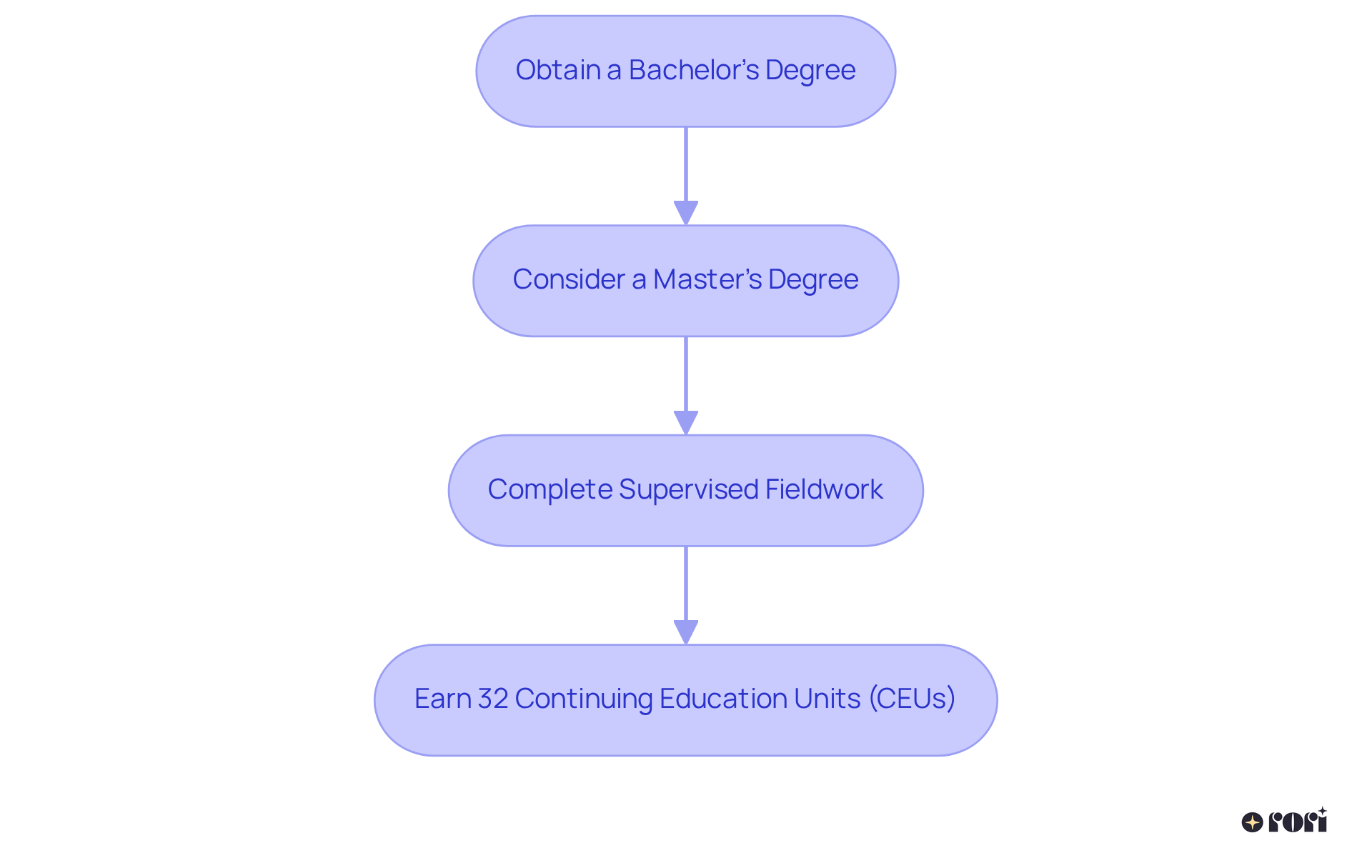
Source : rori.care
Connect with ABA Agencies in Your Area
Start reaching out to ABA therapy providers in your local area. Many agencies are actively seeking RBT candidates and can guide you through their specific hiring and training processes. They can often provide the supervised experience you need. Networking now can open doors later. Ask about their training programs, mentorship opportunities, and what they look for in new hires. Building these connections early is smart. Establishing connections with agencies is Key.
Prepare Diligently for the Competency and Exam
Once you start your training, treat it seriously. Study the material thoroughly. Practice the skills you’re learning. When it comes time for the competency assessments and the final exam, be prepared. Understand the format, review your notes, and perhaps use practice tests if available. Confidence comes from preparation. Don’t wing it; prepare diligently for every step.
Consider Your Long-Term Goals
While your immediate goal is RBT certification, think about where you want this career to take you. Do you see yourself specializing? Do you want to pursue higher education down the line? Understanding your long-term aspirations can help you make strategic choices early on, like choosing specific training modules or seeking out experiences that Match with your future goals. It’s never too early to think about your future in this Active field.
| Stage | Description | Degree Required? | Key Activities | Estimated Time |
|---|---|---|---|---|
| 1. Foundational Training | Complete the 40-hour RBT course. | No (High School Diploma/GED) | Online or in-person coursework covering ABA principles, ethics, and skills. | 1-2 Weeks |
| 2. Competency Assessment | Demonstrate skills under supervision. | No | Supervisor observes performance of specific RBT task areas. Initial and ongoing assessments. | Ongoing during supervised experience |
| 3. Supervised Field Experience | Gain practical, hands-on experience. | No | Work directly with clients under BCBA/BCaBA supervision. Collect data, implement plans. | Minimum 40 hours (per BACB) |
| 4. RBT Exam Application & Pass | Apply for and pass the BACB exam. | No | Submit application, schedule, and pass the standardized RBT certification exam. | Variable (preparation + testing) |
| 5. Maintaining Certification | Keep your RBT credential active. | No | Complete ongoing competency assessments and other BACB requirements. | Ongoing (biannually) |
| 6. Potential Advancement (BCaBA/BCBA) | Pursue higher-level certifications. | Yes (Bachelor’s/Master’s) | Further education, supervised experience, and exams required. | Years (Post-RBT) |
So there you have it. You absolutely can forge a meaningful career in ABA therapy without needing to hold a degree. The path primarily involves getting your Registered Behavior Technician (RBT) certification. It’s a structured, accessible route that prioritizes practical skills and hands-on experience. Think of it as proving your capability, not just your academic pedigree. You’ll get the training, the supervised practice, and then you pass the exam. It’s a clear, achievable process. If you’re looking for a way to make a real difference and you’re ready to put in the work, ABA therapy awaits. It’s a rewarding field, and your journey can start right now.
Frequently Asked Questions
Can you work in ABA without a degree?
Yeah, you totally can! While a degree is often preferred for higher-level roles, many positions like Registered Behavior Technician (RBT) don’t require one. You’ll need to complete specific training and pass an exam, but it’s definitely a viable path to getting into the field.
How long does it take to get an ABA certification?
It varies a bit depending on the specific certification. For something like the RBT, the training itself is usually around 40 hours, and then you have to pass the exam. So, realistically, you could be certified in a few weeks to a couple of months, depending on how quickly you complete the training and schedule your exam.
Can I become a behavioral therapist without a degree?
For some roles, absolutely! As mentioned, becoming a Registered Behavior Technician (RBT) is a common entry point for folks without a degree. You’ll be working directly with clients under the supervision of a BCBA or BCaBA. It’s a fantastic way to gain experience and see if ABA therapy is the right fit for you.
What are the educational requirements for an ABA certification?
So, for entry-level roles like the RBT, the main requirements are typically a high school diploma or GED, and then completing a specific 40-hour RBT training course. You also need to pass a competency assessment and the certification exam. No bachelor’s degree needed for this one!
Are there other roles in ABA besides RBT that don’t require a degree?
While the RBT is the most common, some agencies might hire for Behavioral Technician or Therapist Aide positions with just a high school diploma and offering on-the-job training. These roles often Act as a stepping stone to getting your RBT certification and gaining valuable experience in applied behavior analysis.
