So, you’re thinking about becoming a Board Certified Behavior Analyst, huh? Good for you! It’s a field that truly makes a difference, but let’s get real – the path isn’t exactly a walk in the park. It’s a serious commitment, requiring Careful planning and a deep dive into some pretty specific educational and experiential hoops. Forget just wanting to help; you gotta prove you can do it the right way, according to the book. This whole process is designed to Make sure that when someone hangs that BCBA credential, they really know their stuff. We’re talking about a rigorous journey, not some weekend workshop. Ready to see what it actually takes?
Unpacking the BCBA Credential: What’s the Big Deal?
The Core Purpose of Board Certification
Look, at its heart, board certification for behavior analysts is all about safeguarding the public. It’s a stamp of approval, a guarantee that the person holding it has met a stringent set of educational, experiential, and ethical standards. It’s not just a fancy title; it’s a commitment to ethical practice and evidence-based interventions. This ensures clients, especially vulnerable populations like children with autism, receive competent and ethical care. You can’t just wing it in this profession; you need the proper qualifications.
Why the Rigor? Understanding the Stakes
Why all the fuss? Because applied behavior analysis (ABA) deals with behavior change, often for individuals facing significant challenges. Think about the trust parents place in a BCBA to help their child develop Key life skills or manage difficult behaviors. The consequences of unqualified practice can be severe, impacting individuals’ progress and well-being. That’s precisely why the Behavior Analyst Certification Board (BACB) established such a demanding pathway. It’s about accountability and ensuring quality service delivery across the board.
What “Board Certified” Actually Signifies
Being “board certified” means you’ve voluntarily met a high level of competence verified by a recognized professional credentialing body. In this case, it’s the BACB. It tells employers, clients, and other professionals that you possess the specialized knowledge and skills required to practice behavior analysis effectively. It differentiates you from someone with a general psychology degree or a related field. This specialized knowledge is key.
The Educational Foundation: More Than Just a Degree
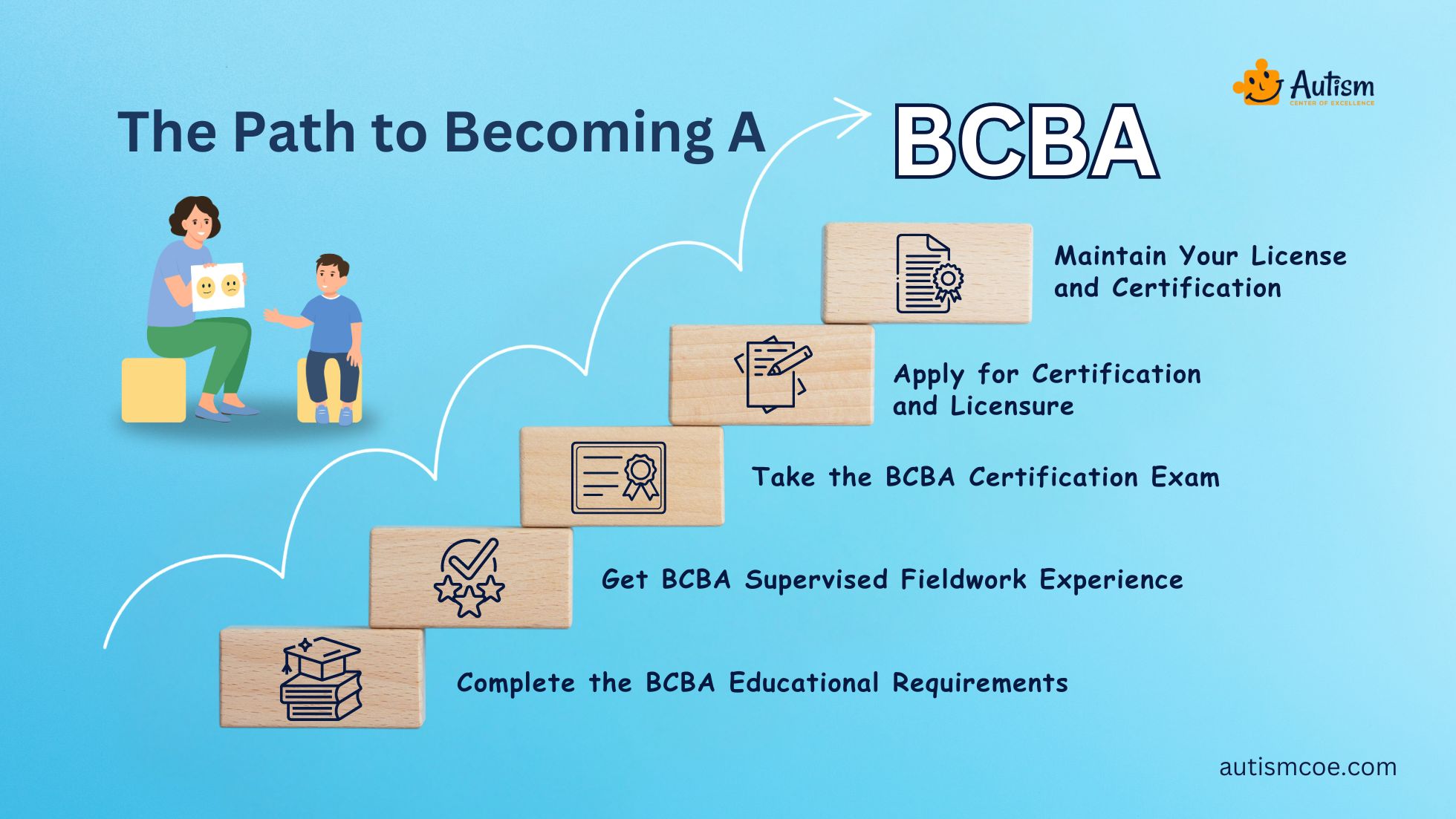
Source : autismcoe.com
Graduate-Level Coursework is Non-Negotiable
Forget the idea that a bachelor’s degree is enough. To even sniff the BCBA exam, you absolutely must have a graduate degree. And not just any graduate degree. We’re talking about a master’s or doctorate from an accredited institution where your program specifically included concentrated coursework in behavior analysis. This isn’t a minor or an elective; it’s the core of your advanced training. This means taking specific courses on things like experimental analysis of behavior, behavior change procedures, research methods, and ethical standards. It’s a hefty academic load. You need to Make sure your program is BACB-approved coursework.
Accreditation Matters: Picking the Right Program
Not all graduate programs are created equal when it comes to BCBA requirements. You need to be savvy. The institution and the specific program must be accredited. Furthermore, the coursework itself needs to Match with the BACB’s rigorous standards. This is often referred to as the “4th Edition Task List” or the current version required by the BACB. Choosing a program that isn’t on the BACB’s radar is a surefire way to waste time and money. Always, always check the BACB website for their approved programs list. That’s your bible here. This accredited program is Key.
Specific Coursework Domains: What You’ll Actually Learn
What kind of classes are we talking about? It’s a deep dive. You’ll be studying foundational principles of behavior, applied behavior analysis principles and practice, experimental design, measurement and data analysis, behavior change procedures, and ethical considerations. These aren’t just lecture topics; they’re skills you’ll need to master. Expect to grapple with concepts like reinforcement, punishment, extinction, stimulus control, and complex assessment methodologies. It’s intensive. You’ll need to understand behavior change principles inside and out.
-80.jpeg)
Source : abtaba.com
Degree Requirements: Master’s or Doctorate?
So, what’s the official word on degrees? The BACB requires you to hold at least a master’s degree. This could be in behavior analysis, psychology, education, or a related field, provided it includes the specific ABA coursework mentioned earlier. Some individuals pursue a doctorate. While not strictly required, a doctoral degree can sometimes fulfill certain experience requirements or offer advanced training, but the core coursework and supervised experience remain Top. The critical piece is the verified graduate degree and coursework.
The Supervised Experience: Where Theory Meets Reality
Understanding Supervised Independent Fieldwork
This is where the rubber meets the road, folks. You can’t just sit in classrooms forever. The BACB mandates a significant period of supervised fieldwork. This isn’t just shadowing someone. It’s a structured experience where you’re actively applying ABA principles under the direct supervision of a qualified BCBA. You’ll be collecting data, implementing interventions, and working directly with clients. It’s hands-on, and it’s Needed for developing practical competence. This supervised fieldwork is a major hurdle.
Hour Requirements: The Numbers Game
How many hours are we talking about? It’s a lot. Currently, the BACB requires a minimum of 2,000 hours of supervised fieldwork. If you’re pursuing the concentrated supervised experience route (often done concurrently with coursework), it’s 1,500 hours. These hours have to be meticulously documented and meet very specific criteria set by the BACB. We’re talking about specific percentages of your time dedicated to observation, intervention implementation, assessment, and supervision meetings. Hours tacked on without meeting these specific guidelines? They don’t count. You need to track every minute. Those 2,000 hours are non-negotiable.
The Role of the Supervisor: More Than Just a Sign-Off
Your supervisor is critical. They must be a BCBA with a certain amount of experience themselves. They aren’t just there to sign off on your hours; they’re there to guide your development, provide feedback, Make sure ethical practice, and help you refine your clinical skills. You’ll have regular meetings – typically at least one hour of supervision for every 10 hours of fieldwork, with specific requirements for indirect supervision activities. This relationship is foundational. It’s about mentorship and ensuring you’re learning to be an ethical behavior analyst.
Documentation is King: Keep Careful Records
Did I mention documentation? You need to be obsessive about it. Every hour of fieldwork must be documented precisely, detailing the type of activity (e.g., direct client contact, indirect supervision, assessment, intervention implementation), the date, duration, and the supervisor’s signature. You and your supervisor will both maintain records. Any discrepancies or missing information can lead to your application being rejected. Get yourself a good system for tracking these hours from day one. This Careful record-keeping is your best friend.
The BCBA Examination: The Ultimate Test
A Full Assessment of Knowledge
After you’ve conquered the education and fieldwork mountains, you face the final boss: the BCBA exam. This isn’t some multiple-choice quiz you can cram for the night before. It’s a rigorous, standardized examination designed to assess your mastery of the knowledge and skills required for effective practice. It covers a vast array of topics outlined in the BACB’s professional and ethical compliance code and the BCBA Task List. Think applied knowledge, not just rote memorization. This standardized examination is tough.
Exam Content Domains: What They Test You On
The exam delves deep into several key areas. You’ll be tested on foundational knowledge, including basic principles of behavior and behavior change. Then there are the applied domains: identifying behavior problems, designing and implementing ethical and effective behavior change interventions, and evaluating the effectiveness of those interventions. Data collection and analysis are heavily featured, as is your understanding of ethical codes and professional responsibilities. You need to know how to apply the science in real-world scenarios. Expect questions that require you to analyze case studies and determine the best course of action. It’s about demonstrating competence in practice.
Eligibility and Application Process
Before you can even sit for the exam, you have to apply to the BACB and have your qualifications verified. This involves submitting all your official transcripts, detailed documentation of your supervised fieldwork, and information about your graduate program. The BACB reviews everything meticulously. If everything checks out, you’ll be deemed eligible to schedule your exam. This application process itself can take time, so don’t leave it until the last minute. Getting eligibility confirmed is a huge step.
Passing the Exam: What it Takes
The passing score isn’t publicly disclosed by the BACB, but it’s set at a level that signifies a high degree of competence. If you don’t pass on your first attempt, don’t despair. You can reapply and retake the exam after a waiting period. Many candidates find it beneficial to use practice exams and study groups to prepare. The key is understanding the application of principles, not just recalling facts. Passing this exam is a Proof to your dedication and hard work. It’s your ticket to BCBA certification.
Maintaining Your Certification: It Doesn’t End at the Exam
Continuing Education Units (CEUs): Staying Sharp
So you passed the exam and got your shiny BCBA credential. Congratulations! But the learning doesn’t stop there. To maintain your certification, you are required to complete a specific number of Continuing Education Units (CEUs) every credentialing period (typically two years). These CEUs Make sure you stay up-to-date with the latest research, best practices, and ethical guidelines in behavior analysis. It’s about ongoing professional development. You can’t rest on your laurels. Staying current with continuing education is mandatory.
Ethical Compliance and Recertification
Beyond CEUs, you must also adhere to the BACB’s stringent ethical code. This includes maintaining client confidentiality, avoiding conflicts of interest, practicing within your areas of competence, and ensuring your supervisees are also practicing ethically. Every two years, you’ll need to submit a recertification application, attesting that you have met all requirements, including CEUs and ethical compliance. Failure to do so means losing your credential. It’s a commitment to lifelong ethical practice. The BACB ethics code is your guide.

Source : abcachieve.com
The Importance of Ongoing Professional Development
Think of CEUs and ongoing professional development not as a burden, but as an opportunity. The field of behavior analysis is constantly evolving. New research emerges, ethical considerations become more complex, and therapeutic techniques are refined. Attending workshops, conferences, and advanced training keeps your skills sharp and ensures you’re providing the most effective, evidence-based services possible. It’s about professional integrity and continuous improvement. You are committed to evidence-based practice.
State Licensure: An Additional Layer of Regulation
Understanding the Need for State Licensure
While BCBA certification is a national credential, many states also require individuals to obtain a state license to practice behavior analysis. This adds another layer of regulation and ensures that practitioners meet specific state-level requirements, which can sometimes be more stringent than BACB requirements. You need to check the regulations in the specific state(s) where you plan to practice. Licensure requirements can vary significantly from one state to another. It’s about meeting state-specific regulations.
How Licensure Differs from Certification
Certification (BCBA) is granted by a professional board (BACB) and signifies a level of competence based on education, experience, and examination. Licensure, on the other hand, is granted by a state government and gives you the legal right to practice a profession within that state’s borders. Some states may automatically grant licensure to individuals holding BCBA certification, while others may have additional requirements like specific state laws or jurisprudence exams. You must understand the difference between certification and licensure.
Handling State-Specific Requirements
Researching your state’s specific requirements is Key. You’ll need to identify the relevant state licensing board and understand their application process, fees, and any additional training or examinations needed. This might include background checks or specific declarations about your practice. Don’t assume BCBA certification automatically means you’re licensed everywhere. Thoroughly investigate the licensing board requirements in your target state.
The BCBA Task List: Your Roadmap to Success
What is the Task List and Why It Matters
The BACB’s Behavior Analyst Task List is essentially the blueprint for what a BCBA needs to know and be able to do. It outlines the knowledge and skills required for effective practice, covering everything from basic principles to complex intervention strategies and ethical considerations. It’s updated periodically to reflect advancements in the field. This document is your primary guide throughout your graduate studies and fieldwork. It informs your learning and your supervisor’s assessment. It dictates the scope of practice.
Connecting Coursework and Fieldwork to the Task List
Your graduate coursework should directly address the areas outlined in the Task List. Likewise, your supervised fieldwork provides the practical opportunities to apply and demonstrate competence in these areas. Your supervisor will often use the Task List to structure supervision and evaluate your progress. Understanding each item on the Task List helps you focus your study efforts and ensures you’re gaining the necessary competencies. It’s your cheat sheet for what you need to master. Aligning your training with the BCBA Task List is Key.
Current Version and Future Updates
The BACB regularly updates the Task List to Make sure it remains relevant to current professional practice. For example, it transitioned from the 4th Edition to the 5th Edition Task List, reflecting changes in the field and updated ethical standards. It’s Important that you are working with the current version of the Task List applicable to your cohort. Staying informed about upcoming revisions or changes is also part of maintaining your professional awareness. Always verify you’re using the most current edition.
A Practical Look: A Day in the Life (and the Requirements)
Scenario: The Aspiring BCBA at ABC Agency
Let’s imagine Sarah, who’s currently pursuing her master’s in ABA. She’s in year one, taking her required coursework. This fall, she’s enrolled in “Advanced Behavior Change Procedures” and “Measurement & Data Analysis.” She’s also just started her 1,500-hour supervised fieldwork. Her supervisor, Dr. Evans (a BCBA with 10 years of experience), meets with her weekly. Sarah spends her days observing clients (mostly children with autism), collecting frequency data on target behaviors, running discrete trial training sessions, and assisting Dr. Evans in developing behavior intervention plans. Every week, she logs her hours meticulously, noting direct therapy time, assessment activities, and her supervision meeting with Dr. Evans. This practical experience is Key for building real-world skills.
The Demands on Your Time and Energy
Being a BCBA-in-training is demanding. It requires balancing rigorous academic study with intensive fieldwork. You’ll be spending long hours not just in class or with clients, but also analyzing data, writing reports, preparing intervention materials, and meeting with supervisors. It’s mentally taxing work. You need to be organized, disciplined, and genuinely passionate about the science and its application. This isn’t a side hustle; it’s a significant life commitment requiring dedication. Your time management skills will be tested.
Financial Considerations: Investments Along the Way
Let’s not forget the financial aspect. Graduate programs tuition can be Large. Then there are application fees, exam fees, and potentially travel costs for conferences or workshops. If you’re completing fieldwork that isn’t directly compensated or requires you to pay for supervision, that’s another cost. While the career prospects and earning potential for BCBAs are good, the initial investment in time and money is significant. Planning your finances is as important as planning your studies. Consider the long-term career investment.
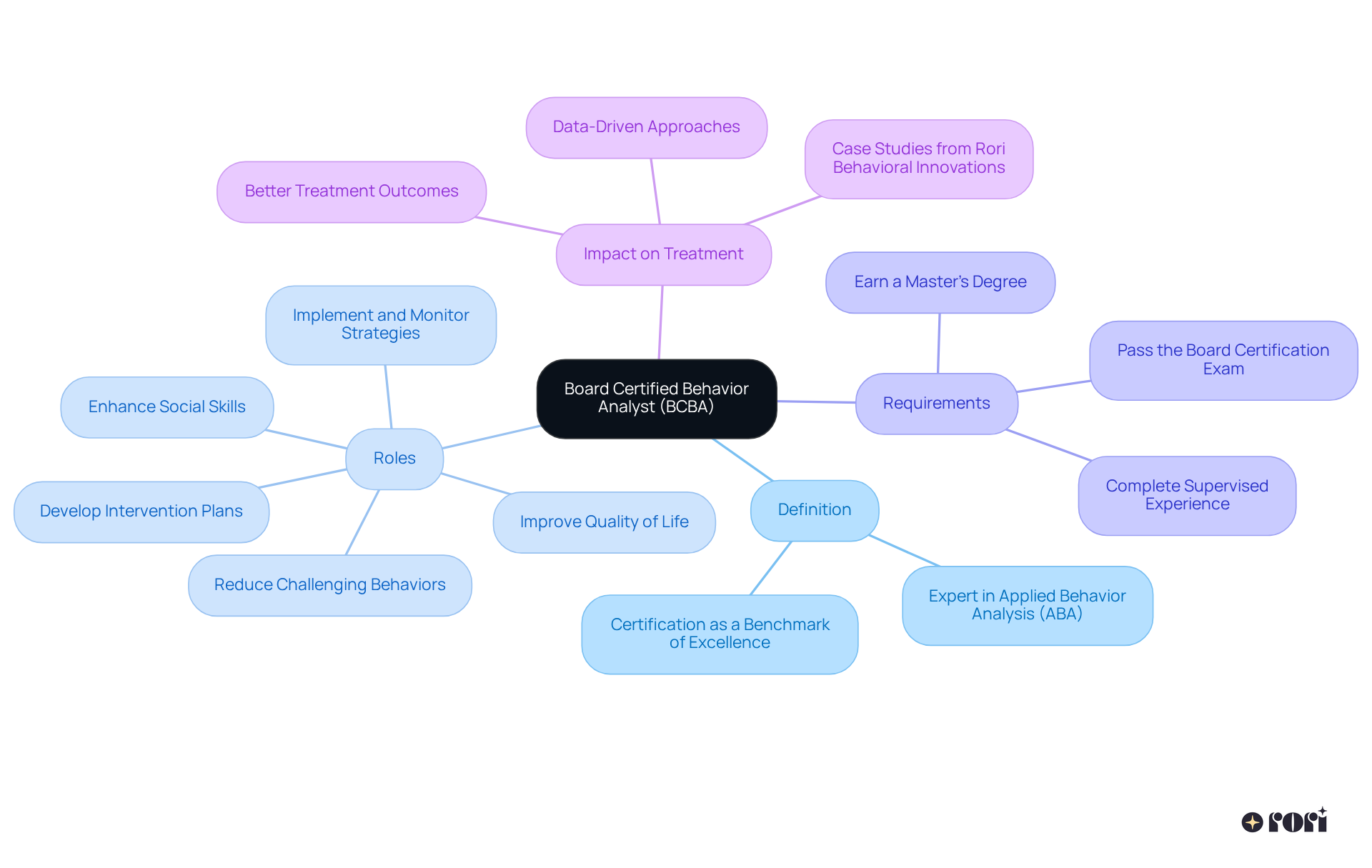
Source : rori.care
Key Takeaways: Are You Ready for the Challenge?
of the Core Requirements
To recap the journey to becoming a BCBA: you need a qualifying graduate degree with specific ABA coursework, a Large amount of supervised fieldwork (1,500-2,000 hours depending on the pathway), and you must pass a Full BCBA examination. After certification, ongoing CEUs and adherence to ethical standards are required for renewal. Many states also require separate licensure. It’s a multi-faceted process designed for rigor. Achieving these core requirements is Top.
Self-Assessment: Passion, Persistence, and Professionalism
Ask yourself honestly: Do you have the passion for behavior analysis? Are you prepared for the academic rigor and the demands of supervised fieldwork? Can you maintain the high ethical standards required? Becoming a BCBA is challenging, requiring not just intelligence but also immense persistence, strong organizational skills, and a deep commitment to professionalism. If you’re nodding along, you’re on the right track. It takes a special kind of person with true dedication. This pathway demands it.
The Rewarding Nature of the Profession
Despite the hurdles, the rewards of becoming a BCBA are immense. You’ll be equipped with science-based tools to make a tangible, positive impact on people’s lives. You’ll work with diverse populations, solve complex behavioral challenges, and contribute to a respected and growing field. The satisfaction that comes from helping individuals learn, grow, and achieve their potential is truly Best. It’s a career where you can genuinely make a difference. The impactful nature of the work is a huge motivator.
Next Steps: Charting Your Course
If you’re serious about this path, the next step is to thoroughly research accredited graduate programs that offer BACB-approved coursework. Connect with BCBAs in your area to learn about their experiences and potentially find mentorship opportunities. Familiarize yourself intimately with the BACB’s website – it’s your go-to resource for all official requirements, handbooks, and updates. Don’t just dip your toes in; dive deep. Start planning your educational journey and understand the full scope of what’s ahead. Visit the official BACB website for the most current details on the pathway to certification.
| Requirement Area | Minimum Standard | Notes |
|---|---|---|
| Graduate Degree | Master’s or Doctorate | Must include BACB-approved coursework in Behavior Analysis. |
| Coursework | Specific Hours/Content | Aligned with current BACB Task List (e.g., 5th Edition). |
| Supervised Fieldwork | 1,500 – 2,000 Hours | 1,500 (Concentrated) or 2,000 (Traditional). Strict supervision ratios apply. |
| BCBA Examination | Pass Score | Full assessment of knowledge and skills. |
| Recertification | Every 2 Years | Requires CEUs and ongoing ethical compliance. |
| State Licensure | Varies by State | Often required in addition to BCBA certification. Check state-specific board. |
This table gives you a solid snapshot, but remember, the details matter. Always refer to the official BACB and your specific state’s board for the most accurate and up-to-date information. The journey requires diligence, but the destination – becoming a qualified BCBA – is incredibly rewarding.
Frequently Asked Questions
What are the qualifications to become a BCBA?
So, to become a Board Certified Behavior Analyst (BCBA), you’re looking at a few key things. First, gotta have a Master’s degree or a doctorate in psychology, behavior analysis, or something closely related. Then, you’ll need to complete a specific amount of graduate coursework in behavior analysis. After that, it’s a supervised experience period – basically, you’re working under an experienced BCBA for a set number of hours. Finally, you have to pass a pretty rigorous exam administered by the Behavior Analyst Certification Board (BACB).
How much supervised experience do I need?
The amount of supervised experience for your BCBA requirements can vary a bit depending on your specific situation and the type of experience you’re getting. Generally, you’ll need to complete at least 1,000 hours of supervised fieldwork that meets the BACB’s specific standards. This experience is Key for applying those theoretical concepts you learned in your coursework to real-world situations.
What kind of coursework is required for BCBA certification?
Your graduate coursework needs to cover specific content areas in applied behavior analysis. Think along the lines of principles of behavior change, experimental design, behavior assessment, and ethical considerations. The BACB outlines a detailed set of required coursework that you must complete to meet the BCBA educational requirements. Make sure your program is verified or meets these standards!
Is the BCBA exam difficult?
Yeah, the BCBA exam is definitely challenging. It’s designed to test your knowledge and application of behavior analytic principles across various domains. It covers everything from foundational concepts to ethical decision-making and practical application in different settings. Lots of studying and preparation are key to passing this important certification.
Can I get BCBA certified online?
You can complete your Master’s degree or graduate coursework online from accredited universities, which is a huge plus for many. However, the supervised experience and the final exam still need to be done in person and adhere to strict BACB guidelines. So, while parts of the journey can be remote, the whole process isn’t entirely online to Make sure competency in behavior analysis practice.
