How Long Does It Take To Become A Certified Medical Assistant Online? Let’s Get Real.
Look, you’re probably wondering about this, right? How fast can you get through an online medical assistant program and actually land a gig? It’s not a simple “X days” answer, and anyone telling you otherwise is probably trying to sell you something sketchy. The real timeline depends on a bunch of things you actually have control over.
Forget those glossy brochures promising instant careers. Becoming a certified medical assistant (CMA) online is absolutely doable, but it demands focus. It’s about fitting training into your life, not the other way around. So, what’s the deal with the clock?
Let’s cut through the noise. We’re talking about getting you from “what’s a CMA?” to “where do I sign my new contract?” as efficiently as possible. It’s a journey, sure, but one you can definitely map out. And knowing the expected duration? That’s step one.
The Big Picture: Online CMA Program Timelines

Source : franklin.edu
Standard Program Lengths Explored
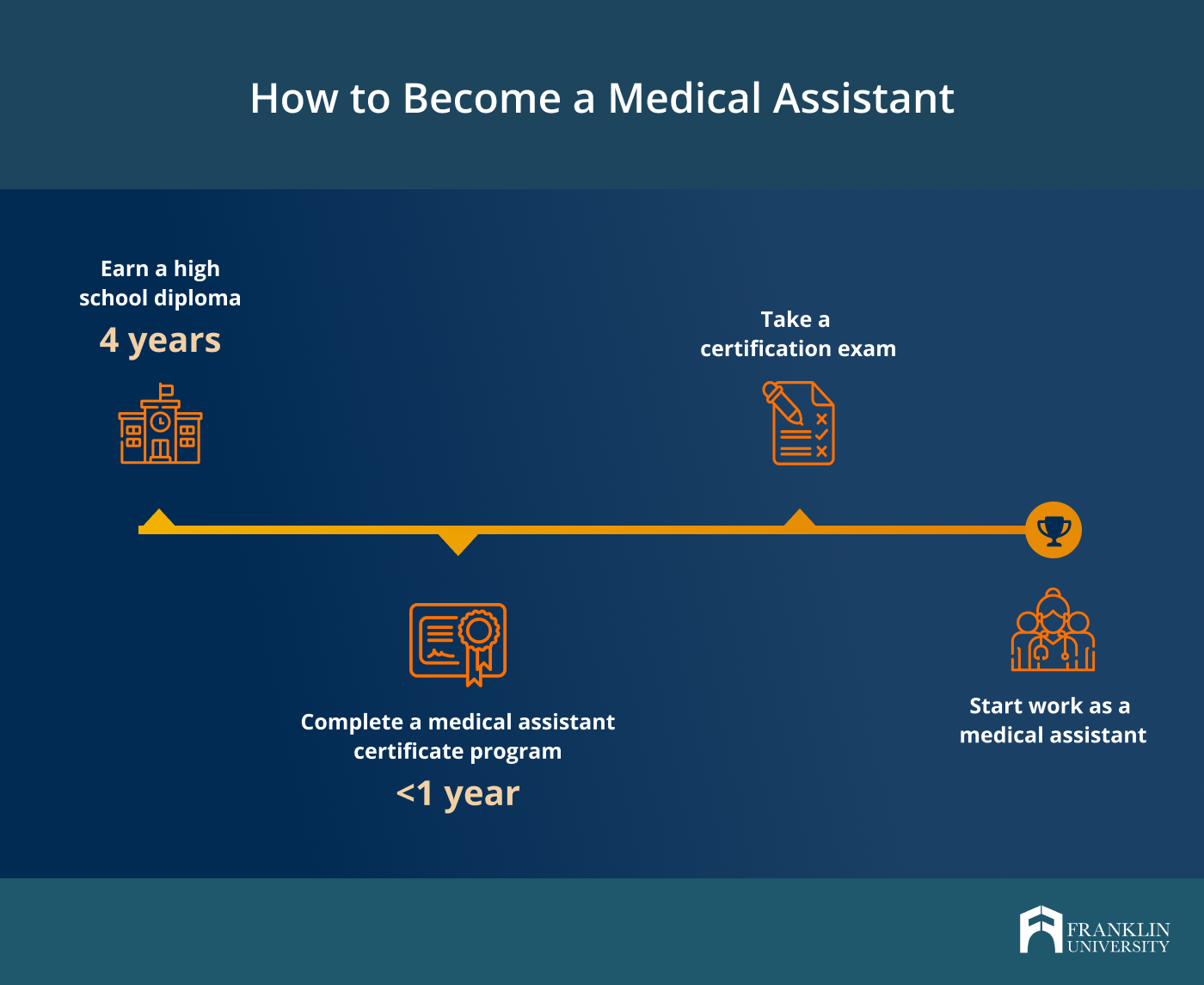
Most legitimate online programs for medical assistants fall into a predictable range. You’re generally looking at anywhere from a few months to about a year. It’s not a degree program, so we’re not talking years and years. Think more intensive vocational training.
These programs are designed to be Full but also relatively quick. They pack a lot of information into a focused period. The goal is competency, not just a piece of paper. A typical online CMA course is built for speed and effectiveness.
Some programs might advertise super short durations, like 6-8 weeks. Be wary. Are they really covering everything? Are they accredited? Ask tough questions. Quality can’t always be rushed, though speed is a definite plus for busy adults.
Factors Influencing Your Completion Speed
Your personal life is the biggest variable here. Are you working full-time? Do you have kids running around? Are you taking classes full-throttle or juggling it with other commitments? These all matter. A lot.
Your learning style plays a role, too. Some people breeze through modules; others need more time to digest the material. Online learning lets you set the pace, to an extent, but you still need to push yourself. Your motivation is key.
And then there’s the program itself. Some have more rigorous clinical components or externships that can add time. Others are purely online with simulations. It’s a spectrum, and where you land affects the total clock time. Always check the fine print.
The “Full-Time” vs. “Part-Time” Difference
Going full-time means dedicating a significant chunk of your week, maybe 20-30 hours or more, to coursework, studying, and practical exercises. This approach slashes the overall time significantly. You could potentially finish a solid program in under six months.
Part-time, on the other hand, might be just 10-15 hours a week. This is great for people who absolutely must work or manage family duties. However, it stretches the program out. What takes six months full-time might take you a year or more part-time. Pacing yourself is Key.
Source : franklin.edu
So, when you see program lengths quoted, always ask: “Is that for full-time or part-time students?” It’s a fundamental question that drastically alters the answer to “how long does it take?” Understanding this is Key.
Deconstructing the Online Medical Assistant Curriculum
Core Didactic Coursework
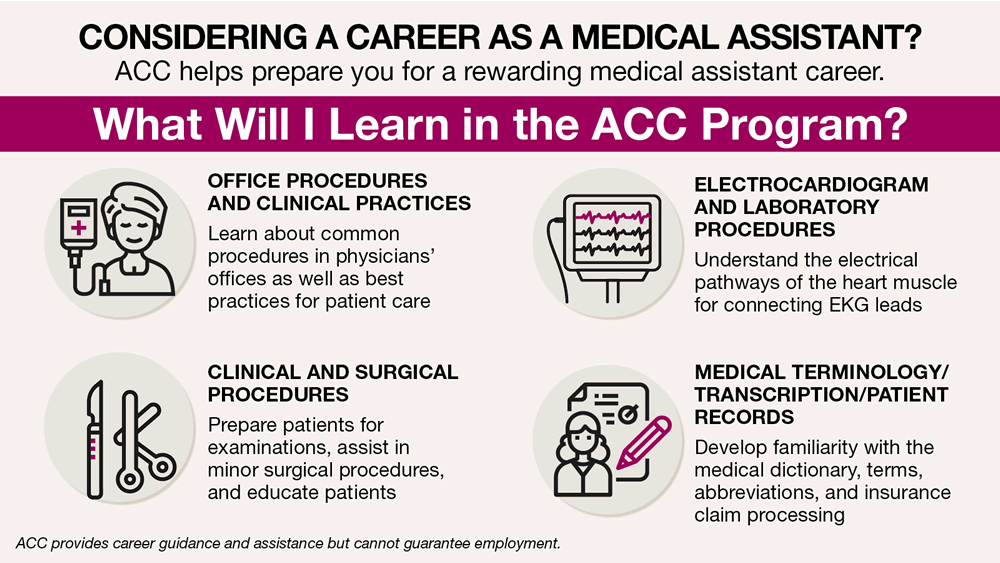
This is the meat and potatoes of your online training. You’ll be diving deep into anatomy, physiology, medical terminology, patient care procedures, and administrative tasks. Think lectures, readings, quizzes, and online discussions.
The duration of this phase can vary. Some programs front-load everything, while others spread it out more evenly. A well-structured curriculum will have a logical flow, building your knowledge base progressively. It’s not just random facts.
Expect to spend a considerable amount of time studying here. Medical assisting requires a broad knowledge base. You’re essentially learning to be the right-hand person for a physician, handling both clinical and clerical duties. Mastering this takes effort.
Simulated Clinical Skills Practice
Okay, so you can’t exactly practice drawing blood over Zoom. Online programs handle this through advanced simulations, virtual labs, and sometimes, kits sent directly to your home. You’ll learn techniques like taking Key signs, basic wound care, and performing EKGs virtually.
These modules often require you to watch detailed video demonstrations, then practice on models or even family members (with consent, of course!). You might then submit videos of yourself performing skills for instructor review. It’s about building muscle memory remotely.
The time dedicated to these skills depends on how many are included and how the program structures practice and assessment. Some programs integrate them throughout; others might have a dedicated skills-building phase. Hands-on virtual learning is key.
Externship or Clinical Rotations
This is often the longest single component, and where many programs differ. A clinical externship involves working in a real healthcare setting – a clinic, doctor’s office, or hospital – under supervision. It’s where theory meets reality.
Externships can range from 100 to 600 hours, depending on the program’s requirements and accreditation standards. This is non-negotiable for most reputable certifications. It’s your chance to gain real-world experience and network. You can’t skip this part.
The length of the externship directly impacts your total program time. If you can only dedicate a few hours a week due to other commitments, this phase will naturally take longer. Some programs help place you, while others require you to find your own placement. Practical experience is Top.
Final Exams and Certification Prep
Once you’ve completed coursework and your externship, you’ll likely have final program exams. These can be Full assessments of your knowledge. Many programs also include dedicated preparation modules for national certification exams.
This phase might add a few weeks to your timeline as you cram and review. It’s about ensuring you’re fully prepared to pass the official certification test administered by bodies like the NHA (National Healthcareer Association) or AMT (American Medical Technologists).
Don’t underestimate the value of this prep time. Walking into the certification exam feeling confident significantly increases your chances of passing on the first try. It’s the final hurdle before you’re officially certified. Passing the certification exam is the goal.
Comparing Program Structures and Their Time Commitments
Accelerated Online Programs
These are designed for maximum speed. They often require a full-time commitment, meaning you’re treating this like a job. Coursework is condensed, and there’s less flexibility. Think of it as a boot camp.
You might knock out the didactic portions in a couple of months, followed by an intensive externship. The total time could be as little as 4-6 months from start to finish. It’s demanding, but if you need to get working fast, this is the route.
However, be critical. Does “accelerated” mean “less thorough”? Sometimes. Always verify accreditation and Make sure the curriculum meets industry standards. You want to be fast, not just feel fast. Speed isn’t everything if the quality suffers.
Traditional Paced Online Programs
This is the more common model. You have more flexibility to work through modules at your own pace, often within a set timeframe (e.g., 12-18 months). You can often choose to speed up or slow down, within limits.
If you’re working part-time or have family obligations, this is likely your best bet. It allows you to balance your life with your education. The total time might be anywhere from 8 months to 1.5 years, depending on your weekly hour commitment.
These programs often offer a better balance for adult learners. They recognize that most people aren’t just sitting around waiting to study. This structured flexibility is a major draw for many aspiring medical assistants. Balancing education and life is key.

Source : medassisting.org
Hybrid or Blended Learning Models
Some programs mix online learning with in-person requirements. You might do all your lectures and theoretical coursework online, but have to attend a local campus for skills labs or even your externship. These can be logistically trickier.
The time commitment here is a blend. The online portion follows the paces above, but the in-person requirements add fixed scheduling. You need to factor in travel time and attendance requirements. It’s a different kind of commitment.
These models can offer the best of both worlds: the flexibility of online for theory, and the tangible benefits of in-person for practical skills. However, they can sometimes extend the overall timeline due to scheduling constraints. Combining learning methods has pros and cons.
The Role of Accreditation and Certification Bodies
Why Accreditation Matters for Timelines
Accredited programs generally adhere to stricter standards for curriculum and completion times. Recognized accrediting bodies Make sure that the program covers all Needed competencies. This often means a more standardized, albeit potentially longer, path.
Non-accredited programs might offer shortcuts, but their certificates often hold little weight with employers. You might finish faster, but you won’t be truly qualified or employable. Focus on legitimate credentials, not speed hacks. Accreditation provides credibility.
The time invested in an accredited program is an investment in your future. Employers look for these seals of approval. Don’t sacrifice long-term career prospects for short-term time savings. That’s just poor planning.
Major Certification Exams (CCMA, CMAA, etc.)
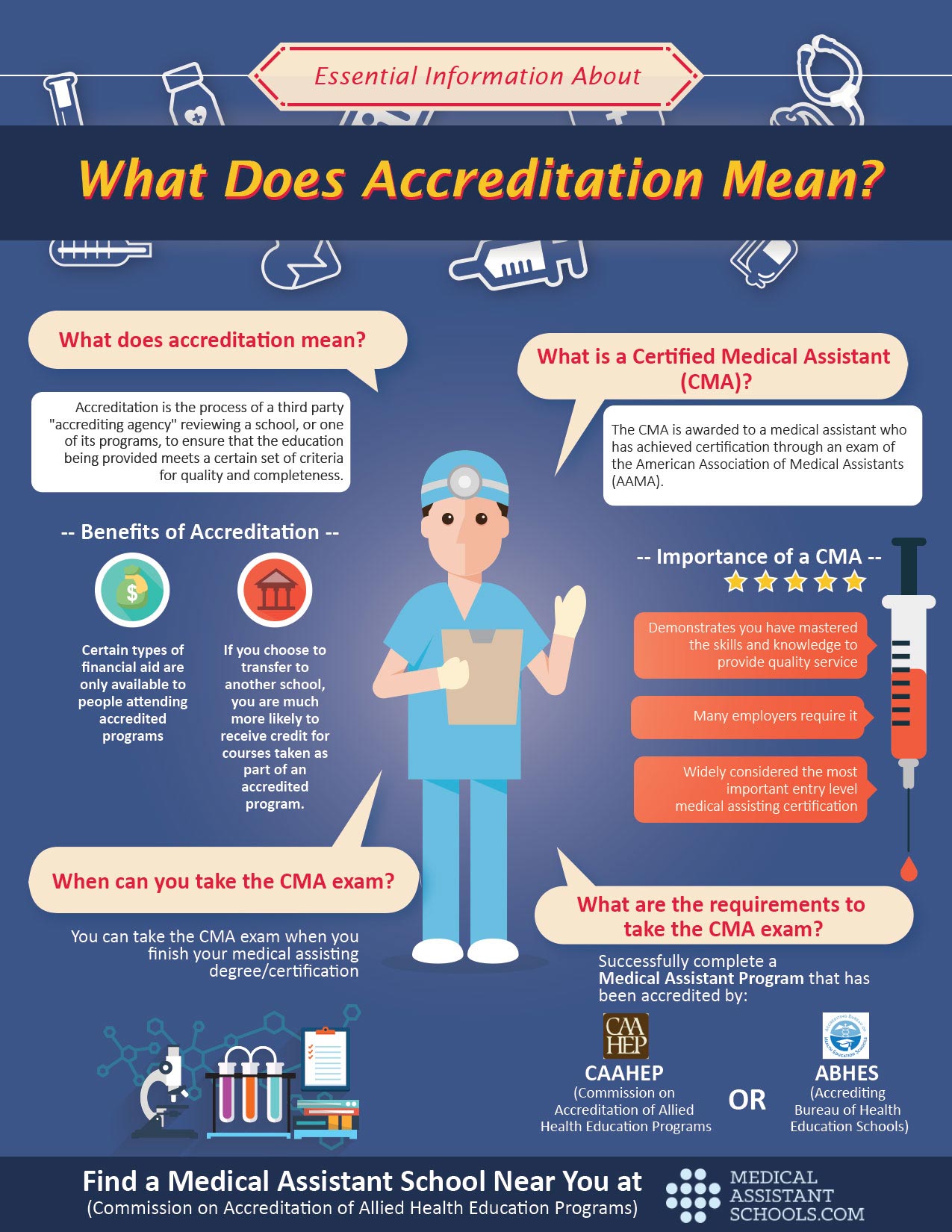
Once your program is complete, you need to pass a national certification exam. The most common ones are the Certified Clinical Medical Assistant (CCMA) from NHA and Certified Medical Assistant (CMA) from AAMA. Others exist, like the Certified Medical Administrative Assistant (CMAA).
The time it takes to prepare for and pass these exams varies. Some programs bundle exam fees and prep materials. Others require you to schedule and pay separately. This scheduling availability can add weeks or even months to your final timeline.
Passing these exams isn’t just a formality; it’s often a requirement for employment, especially in hospitals or larger clinics. The knowledge you gain in your online program directly prepares you for this. Passing the certification exam is the ultimate goal.
How Program Choice Affects Your Certification Path
Some programs are specifically designed to prepare you for a particular certification (like the CCMA). These often Match their curriculum directly with the exam’s content outline. This can streamline your preparation.
Others might offer a broader education, preparing you for multiple potential certifications. This might require additional study or modules if you choose to pursue a specific credential later. Think about your end goal when choosing your program. Choosing the right program is Key.
Remember, the time spent in the program is one thing. The time spent preparing for and taking the certification exam is another layer. Factor both into your personal timeline calculations. It’s a two-part process.
Calculating Your Personal Timeline: A Practical Guide
Step 1: Program Selection and Research
First things first: research online programs thoroughly. Look at their stated completion times, curriculum, accreditation, and what’s included (externship, exam fees). Don’t just pick the cheapest or fastest-sounding one. Read reviews. Talk to admissions counselors.
For example, Phlebotomy Career Training offers an Online Medical Assistant Certification program. Their structure and duration are clearly laid out, allowing you to gauge if it fits your schedule. This kind of transparency is gold. You can see specific program details here: Online Medical Assistant Certification.
Make a shortlist of 2-3 programs that seem like a good fit. Compare their pros and cons, especially regarding how long they anticipate the program will take for a student like you (considering your work/life balance). Program research is Key.
Step 2: Assess Your Available Time Commitment
Be brutally honest with yourself. How many hours per week can you realistically dedicate to coursework and studying without burning out? Calculate this based on your current work schedule, family obligations, and any other commitments.
If you can only manage 10 hours a week, a program quoted at 6 months full-time might take you 18 months. If you can do 25 hours, that same program might be closer to 5-7 months. Honest time assessment prevents future frustration.
Factor in buffer time. Life happens. Unexpected work demands, family emergencies, or just needing a mental health break. Build some wiggle room into your estimated completion date. It’s better to finish a bit early than constantly feel behind.
Step 3: Factor in Externship and Exam Scheduling
The externship can be a major time sink, especially if you need to find it yourself or if local opportunities are limited. Discuss this with the program provider. How long does the externship typically take? What support do they offer in finding one?
Similarly, consider the certification exam. How quickly can you schedule it after finishing your program? Availability can vary by location and testing center. Some students like to take it immediately; others prefer a week or two of focused review. Scheduling the externship and exam adds time.

Source : careersidekick.com
Add these potential delays into your calculations. A program that’s theoretically 9 months could easily stretch to 11 or 12 months once you factor in real-world scheduling for the externship and exam. It’s about managing expectations.
Common Misconceptions About Online CMA Timelines
Misconception 1: “It’s Faster Because It’s Online”
While online learning offers flexibility, it doesn’t automatically mean it’s faster than an on-campus program. The speed is determined by the program’s structure, your pace, and the required components like externships. Some online programs are intentionally slower-paced.
Think of it this way: you can watch a lecture online in 15 minutes, but understanding the material might take an hour of studying. The delivery method is convenient, but the learning process itself still requires time and effort. Online convenience doesn’t equal speed.
Some people do finish faster online because they can dedicate more focused hours without commuting or adhering to rigid campus schedules. But it’s not a guarantee. It depends entirely on the individual and the program’s design. Don’t assume speed.
Misconception 2: “All Online Programs Are the Same Length”
Absolutely not. This is a huge myth. Program lengths vary wildly based on the number of credit hours, the depth of the curriculum, the duration of the externship, and whether it’s designed for full-time or part-time study. Some are intensive 4-month programs; others are spread over 18 months.
You’ll find programs focused on administrative skills taking less time than those covering extensive clinical procedures. Always compare apples to apples when looking at different institutions. What does their “standard” completion time actually entail? Program length varies greatly.
Always dig into the details. Ask specifically how long each component typically takes. Don’t rely on a single advertised number without understanding what goes into it. Transparency is your best friend here.
Misconception 3: “The Certification Exam is Instant After Graduation”
Even after you finish your online program, there’s a process. You need to apply for the certification exam, wait for approval, and then schedule your test date. This administrative process can take time.
Some students want to jump right in, while others prefer a few weeks to study. Depending on the testing center’s availability, you might not get your preferred date immediately. This waiting period is often overlooked in estimations. Exam scheduling takes time.
So, while your program might be “done,” you’re not officially certified until you pass that exam. Budgeting time for this final step is Key for accurately answering “how long does it take?
Getting Certified Faster (Responsibly!)
Maximize Your Study Time Efficiency
When you are studying, make it count. Eliminate distractions. Use active learning techniques like flashcards, practice quizzes, and teaching the material to someone else (even an imaginary person!). Don’t just passively read.
Break down your study sessions into manageable chunks. Shorter, focused bursts are often more effective than marathon study sessions. Find a rhythm that works for you and stick to it. Efficient study habits shave off time.
Use the resources your program provides – practice exams, study guides, instructor office hours. Don’t leave any stone unturned. The more effectively you learn, the faster you’ll master the material.
Communicate Proactively with Your Program
If you’re struggling with a concept or falling behind schedule, speak up immediately! Most online programs have support staff and instructors available to help. Don’t wait until it’s a crisis.
Similarly, if you’re finding the coursework easy and want to accelerate, discuss it with your advisors. They might have suggestions or pathways to help you move faster, provided you’re meeting all requirements. Proactive communication avoids delays.
Stay on top of deadlines for assignments and externship paperwork. Missing a deadline can set you back weeks. Keep organized and stay engaged with the program administration. It pays off.
Choosing a Program Built for Speed
If speed is your absolute top priority, look for programs explicitly advertising accelerated tracks. These are designed with a condensed timeline in mind. They often require a full-time commitment and may have less flexibility.
Just remember the caveat: Make sure the accelerated nature doesn’t compromise the quality of education or the preparation for certification. Always verify accreditation and look at the detailed curriculum. Choosing a fast program requires diligence.
Some programs, like certain offerings from Phlebotomy Career Training, are structured to be completed efficiently while still providing Full training. Their focus is on getting you career-ready quickly but competently. Always check their specific program details.
Source : medicalassistantschools.com
A Realistic Timeline: What to Expect
The Fastest Possible Scenario (Full-Time Intense)
For the highly motivated individual who can dedicate 25-40 hours per week, the absolute fastest completion might be around 4-6 months. This usually involves an accelerated program with a shorter, but intensive, externship and prompt scheduling of the certification exam.
This requires near-total focus on the program. It’s not for the faint of heart, and frankly, not sustainable for most people juggling other life responsibilities. Think of it as a sprint. The fastest timeline is demanding.
Even in this scenario, factors like externship placement availability and exam scheduling can add a few weeks. So, while theoretically possible, pushing the absolute limit needs careful planning.
The Average Realistic Timeline (Part-Time/Balanced)
For most people balancing work, family, and education, a realistic timeline falls between 9 and 18 months. This allows for a more manageable part-time study schedule (10-20 hours/week), a standard externship duration, and reasonable time for exam preparation and scheduling.
This is often the sweet spot for adult learners. It provides enough time to learn thoroughly without overwhelming your existing life. It’s a marathon, not a sprint, but you’re still moving forward consistently. Average timelines offer balance.
This range accommodates variations in learning speed, externship challenges, and personal scheduling needs. It’s a more sustainable and less stressful approach for the majority of students.
The Extended Timeline (Slower Pace/Setbacks)
Life happens. Sometimes, personal circumstances or program logistics mean the process takes longer. It’s entirely possible for a program to take 2 years or more if you’re studying very slowly, need to take breaks, or face significant delays in externship placement or exam scheduling.
While not ideal, it’s not the end of the world. The key is to not give up. If you need to pause and come back, do it. The goal is to get certified, regardless of the exact date on the calendar. Extended timelines happen.
Some programs have maximum time limits (e.g., you must complete within 24 months). Always check these policies. But in general, if life throws you a curveball, extending your timeline is often better than dropping out entirely.
Should You Go Online? Weighing Pros and Cons
Pro: Flexibility is King
The biggest advantage is undeniable: flexibility. You can study when it suits you, whether that’s early morning, late at night, or during lunch breaks. This is a Shift for working adults and parents. Flexibility is a major pro.
No commutes, no rigid class schedules. You fit your education around your life, not the other way around. This often makes pursuing a medical assisting career possible for people who otherwise couldn’t consider it.
This flexibility directly impacts the time it takes. You can potentially condense the learning period if you have intense study blocks, or spread it out if life requires a slower pace. Your schedule dictates your pace.
Con: Requires Serious Self-Discipline
That flexibility comes at a price: you need serious self-discipline. There’s no professor looking over your shoulder, no classmates to keep you accountable. It’s all on you. Procrastination is the enemy.
Falling behind in an online program can happen quickly if you’re not careful. You need to be proactive, organized, and motivated. Self-discipline is Needed for online success.
If you thrive on structure and external accountability, online learning might be a challenge. You need to create your own structure and find ways to stay motivated and on track throughout the program duration.
Pro: Potentially Lower Overall Cost
Online programs often have lower overhead costs than brick-and-mortar institutions. This can translate into lower tuition fees. Plus, you save money and time on commuting, parking, and potentially childcare.
While tuition is a factor, consider the total cost. Reduced living expenses and no need for campus-related costs can make the overall financial burden lighter. Lower costs can be appealing.
Factor these savings into your decision. A slightly longer program might still be more cost-effective overall when you consider all associated expenses compared to a traditional program.
Con: Less In-Person Interaction
You miss out on the face-to-face interaction with instructors and peers that campus-based programs offer. This can impact networking opportunities and immediate clarification of doubts. Building rapport can be harder.
While online forums and video calls help, it’s not the same as bumping into someone in the hallway or having a quick chat after class. Some people learn better through direct, in-person engagement. Limited interaction is a drawback.
Source : americancareercollege.edu
Programs try to compensate with virtual office hours and discussion boards, but the Active is different. If you value strong personal connections in your learning environment, this is something to consider carefully.
Making Your Choice: What’s the Verdict on Time?
The “It Depends” Reality Check
So, how long does it take? The honest answer is: it depends entirely on you and the program you choose. There’s no single magic number. Are you aiming for the fastest possible route (4-6 months) or a more balanced approach (9-18 months)?
Your personal circumstances – work, family, learning style, available study hours – are the biggest determinants. Don’t let anyone rush you into a decision or promise unrealistic speed. The timeline is personal.
Focus on finding a reputable, accredited program that fits your life and learning needs. The time invested will be worth it if you gain the skills and credentials you need.
Prioritize Quality Over Speed
While efficiency is great, don’t let it be the only factor. A slightly longer program that provides excellent training, Strong externship support, and prepares you thoroughly for certification is infinitely better than a rushed, subpar experience.
Employers value competence and certification. They aren’t necessarily looking at the exact number of weeks it took you to finish. They want to know you can do the job effectively. Quality training trumps speed.
A rushed program might leave gaps in your knowledge or skills, potentially hindering your job search or performance once hired. Invest the time needed to become truly proficient.
Actionable Next Steps
Ready to move forward? Start by researching accredited online medical assistant programs. Look for those with clear curriculum outlines, defined program lengths (for both full-time and part-time), and good reviews regarding student support and career services.
Assess your own time availability honestly. Can you commit 10 hours a week? 20? More? Match this with program options. Then, reach out to admissions departments with specific questions about timelines, externships, and certification prep. Take concrete steps now.
The journey to becoming a certified medical assistant online is achievable and rewarding. By understanding the factors that influence the timeline and choosing wisely, you can set yourself up for success without unnecessary delays or compromises.
Frequently Asked Questions
How fast can you get MA certification?
Because it varies by program, but honestly, many online programs can get you ready for MA certification in as little as 8-12 months. Some might be a bit quicker, others take a tad longer, depending on your coursework and if you can do it full-time. Gotta factor in clinical externships too!
Who gets paid more, CMA or MA?
So, generally speaking, a CMA (Certified Medical Assistant) tends to earn a bit more than a general MA. It’s because the CMA credential means you passed a specific exam from the AAMA, showing a higher level of standardized knowledge. Employers often value that.
How fast can I get a CMA certification?
Getting your CMA certification usually follows completing an accredited program. Once your program is done and you meet eligibility requirements, you can sit for the CMA exam. If you pass, you’re certified! So, from program completion to certification, it could be a few weeks to a couple of months, assuming you schedule your exam promptly.
Can you become a Medical Assistant completely online?
For the most part, yeah, you can complete the bulk of your medical assistant training online. But here’s the thing: you’ll almost always need to do an in-person clinical externship or practicum. That’s hands-on experience, you know? So not 100% online, but the classroom stuff definitely can be.
Is an online Medical Assistant program worth it?
Totally! If you need flexibility, like balancing work or family, an online medical assistant program is a Shift. You get the same foundational knowledge and prepare for certification, just on your own schedule. Plus, many programs are pretty affordable.
