Ditching the Apprenticeship: Your Shortcut to Becoming a Certified Electrician
Alright, let’s cut to the chase. You wanna be an electrician, but the thought of spending years fetching coffee and watching someone else do the real work? Yeah, I get it. It’s a common roadblock, but honestly, it’s not the only path. Some folks think an apprenticeship is the golden ticket, etched in stone. I’m here to tell you there are legitimate, albeit different, ways to get that certification and start making serious coin without the traditional grind.
Forget everything you thought you knew about the “only way.” We’re diving deep into how you can bypass that lengthy apprenticeship and still snag that coveted electrician certification. It’s about smarts, dedication, and knowing the system. Think of it like this: there’s the scenic route, and then there’s the express lane. We’re talking about the express lane here, and it’s totally doable.
The Apprenticeship Myth: Debunking the “Only Way”
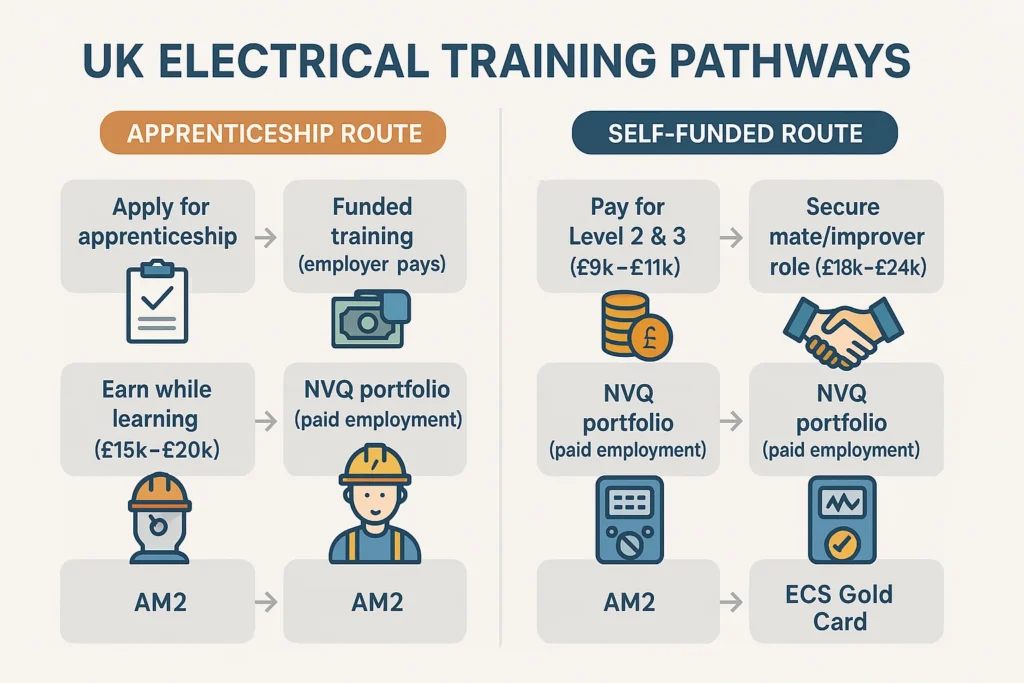
Source : elec.training
Let’s get this straight right off the bat. The traditional apprenticeship model? It’s been around forever, and sure, it works for many. You spend a good chunk of time (think 4-5 years, minimum) learning hands-on under a seasoned pro. It’s structured, it’s paid, and you come out with serious experience.
What Exactly Is an Apprenticeship, Anyway?
So, what’s the deal with these programs? Typically, they combine classroom instruction with on-the-job training. You get exposed to different aspects of the trade, from residential wiring to industrial systems. The goal is to build a well-rounded skillset. It’s thorough, no doubt about it.

Source : contractortrainingcenter.com
Why It’s Not the Only Route
But here’s the kicker: is it the only way to become an electrician? Absolutely not. Many states and certifying bodies recognize alternative pathways. These often involve vocational training, extensive coursework, and demonstrating a specific number of hours working under supervision (which isn’t always a formal, long-term apprenticeship).
The Drawbacks of the Traditional Path
Look, apprenticeships aren’t perfect. They demand a huge time commitment. You’re often paid an entry-level wage for years, which can be tough financially. Plus, finding a good apprenticeship spot can be competitive. It’s not always the most efficient route for everyone, especially if you’re older or have financial obligations.
Understanding Certification vs. Licensure
This is where it gets a little fuzzy for some people, and it’s Key to get it right. Certification and licensure are often used interchangeably, but they’re not quite the same thing. Knowing the difference is key to Handling your path.
What Does “Certified” Even Mean?
Certification usually comes from a professional organization or a testing board. It’s a way to prove you have a certain level of knowledge and skill. Think of it like earning a specific credential that says, “Yep, this person knows their stuff.” The ༒༒NCCER certification is a big one in the industry.
Licensure: The State’s Stamp of Approval
Licensure, on the other hand, is granted by a state or local government. This is what legally allows you to perform electrical work in that specific jurisdiction. In many places, you need to be licensed to operate independently or even to be employed as an electrician. Some states require specific certifications as part of their licensure process.
The Interplay Between the Two
Often, you’ll need both. You might get certified through a program like IEC (Independent Electrical Contractors), and then use that certification, along with other documented experience or training, to apply for your state license. Understanding your specific state’s requirements is Top. It’s not a one-size-fits-all situation.
Watch: How To Become an Electrician FAST Without Trade School
Alternative Training Pathways: Your Non-Apprentice Options
So, if not a traditional apprenticeship, what else is out there? Plenty. Vocational schools, trade schools, and even some community colleges offer Strong electrical training programs. These are designed to get you the foundational knowledge and practical skills needed to pass certification exams and potentially enter the workforce faster.
Vocational and Trade Schools: Accelerated Learning
These institutions specialize in hands-on training for specific trades. You’ll typically find intensive programs lasting anywhere from a few months to a couple of years. They cover electrical theory, blueprint reading, safety codes, and hands-on wiring techniques. Many are designed to Match with the knowledge needed for certification exams.
Community Colleges and Associate Degrees
Some community colleges offer Associate of Applied Science degrees in electrical technology or related fields. These programs are more academic than a trade school but still provide significant practical training. They can be a great option if you want a more formal educational background and are looking to potentially move into supervisory roles later on.
Online Courses and Certifications
The internet has opened up a whole new world of learning. While you can’t get fully licensed solely online (you’ll still need hands-on verification), many programs offer theoretical coursework, code study, and exam preparation online. This can supplement other training or help you study at your own pace. Just Make sure any online program you consider is reputable and recognized.
On-the-Job Training (Supervised, Not Apprenticeship)
This is a critical piece of the puzzle for bypassing a formal apprenticeship. Many jurisdictions allow you to gain the required work experience by simply working under a licensed electrician. You’ll need to document your hours meticulously. This route requires finding an employer willing to hire you in a trainee or helper capacity, where you can learn and log your hours.
Meeting the Experience Requirements (The Key Hurdle)

Source : ieci.org
This is arguably the biggest challenge when avoiding a formal apprenticeship. Most states and certifying bodies require a significant amount of documented work experience. It’s their way of ensuring you’ve actually done the work, not just read about it.
Documenting Your Hours: The Holy Grail
If you’re not in a formal apprenticeship, you must keep impeccable records. This means tracking every hour you spend doing electrical work. Get your supervising electrician to sign off on your time regularly. These logs are your proof when you apply for licensure. Don’t skimp on this; accurate hour logging is non-negotiable.
What Counts as “Experience”?
Not all work is created equal. Typically, they want to see experience in various aspects of electrical installation and maintenance. This includes things like:
- Reading blueprints and technical diagrams
- Installing conduit, wiring, and fixtures
- Troubleshooting electrical systems
- Understanding and applying the National Electrical Code (NEC)
- Performing safety inspections and procedures
This hands-on application is what truly builds competence. Some states might specify a minimum number of hours in residential versus commercial or industrial settings.
How to Secure Supervised Work Experience
This boils down to networking and smart job searching. Look for positions like “electrical helper,” “trainee,” or “laborer” with electrical contractors. Be upfront about your goal: to gain supervised experience for your license. Highlight any training you’ve completed. Companies that hire trainees often see the value in developing their own skilled workforce long-term.
Handling State-Specific Licensing Requirements
Here’s the kicker: the rules aren’t the same everywhere. What flies in Texas might not cut it in California. You absolutely have to research the specific requirements for the state (and often the local municipality) where you plan to work. This is where things get granular.
Florida: A Case Study in Licensing
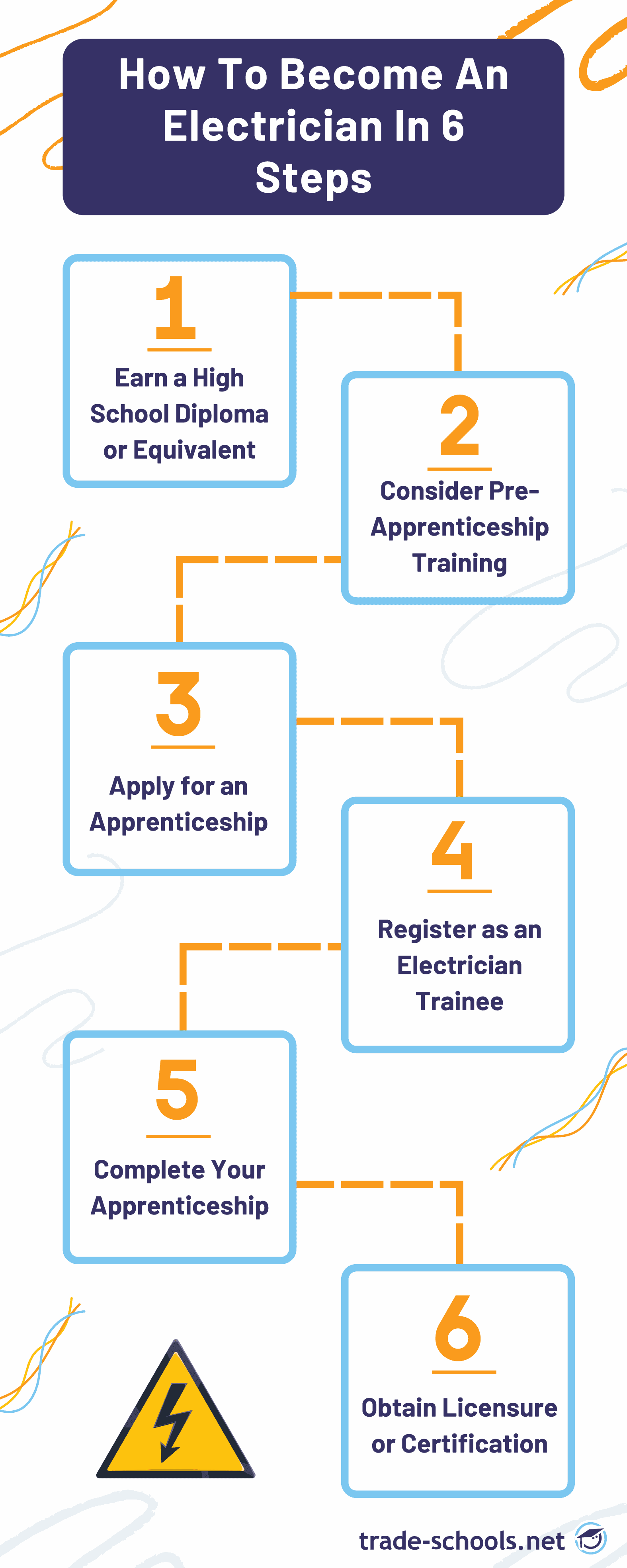
Florida, for instance, has specific requirements for electricians. You might need to pass a state certification exam. To even qualify for that exam, you typically need a certain number of years of experience, often four years, verified by a qualifying agent. Some training programs can substitute for a portion of that experience, but the hands-on verification is still key. You can learn more about what certification electricians need to work in Florida on sites like CBT.edu. Indeed.com also offers great insights into how to become an electrician in Florida, detailing the various pathways.
Source : trade-schools.net
Understanding Journeyman vs. Master Electrician
Most states have different levels of licensure. A journeyman electrician is typically the first level of licensure you’ll achieve after meeting experience and exam requirements. They can perform electrical work under the general supervision of a master electrician or employer. A master electrician has more experience, has passed a more rigorous exam, and can typically pull permits and supervise work crews.
The Role of the Local Jurisdiction
Don’t forget about city and county requirements! Some areas have additional licensing or permitting rules on top of state requirements. It’s Needed to check with the building department or licensing board in the specific area you intend to work. This is Key for compliance with local codes.
The Exam: Your Gateway to Certification
Whether you’re pursuing a state license or a third-party certification, you’re almost certainly going to face an exam. This is where you prove your knowledge under pressure. Think of it as the final boss battle.
Types of Exams You’ll Encounter
Exams typically cover a broad range of topics. You can expect questions on:
- Electrical theory (Ohm’s Law, circuits, etc.)
- The National Electrical Code (NEC) – this is HUGE
- Blueprint reading
- Safety procedures
- Proper installation techniques
- Calculations (voltage drop, conduit fill, etc.)
Some exams are open-book (focused on NEC), while others are closed-book. Knowing the format is Key for preparation.
Studying for Success: Beyond the Basics
Cramming isn’t going to cut it. You need a strategic study plan. Use practice exams extensively. Focus on the areas where you’re weakest. Many trade schools and online providers offer specific exam prep courses. Consider joining study groups. The goal is mastery, not just memorization.
Passing the Test: What It Means
Passing the exam is a massive accomplishment. It signifies that you meet the minimum standards set by the governing body. It’s your ticket to either becoming a certified electrician or qualifying for your state license. It’s a tangible validation of your hard work and acquired knowledge.

Source : esfi.org
Financial Considerations: Investing in Your Future
Let’s talk money. Getting certified without an apprenticeship might seem faster, but there are costs involved. You’ll be investing in training, study materials, and exam fees. However, the return on investment is usually incredibly fast.
Cost of Training Programs
Trade schools and community college programs vary in price. Some certificate programs might cost a few thousand dollars, while associate degrees can be more. Compare the costs and curricula of different institutions. Look for programs that offer job placement assistance too.
Exam Fees and Licensing Costs
State licensing boards and certification organizations charge fees for exams and license applications. These can range from under $100 to several hundred dollars, depending on the state and the license level. Factor these into your budget. It’s an Needed part of the process.
The Earning Potential Without Apprenticeship
The good news? Once you’re certified and licensed, the earning potential is significant. While apprentices earn less, licensed electricians command much higher wages. Experienced electricians, especially those with specialized skills or supervisory capabilities, can earn six figures. The initial investment pays off quickly. It’s a career with great upside.
Making the Leap: Getting Hired
You’ve got the training, you’ve passed the exam, and you’ve got your license (or are close). Now what? It’s time to land that job and prove your worth.
Crafting a Standout Resume
Highlight your training, certifications, and any documented experience prominently. Use action verbs. Tailor your resume to each job application, emphasizing the skills they’re looking for. Don’t forget to mention any specialized tools or software you’re proficient with.

Source : youtube.com
Networking: It Still Matters
Tap into the network you built during your training. Connect with instructors, classmates, and contractors you met. Attend industry events. Many jobs are filled through word-of-mouth referrals. Let people know you’re looking and what you bring to the table. A strong network can be Crucial.
Interviewing Like a Pro
Be prepared to talk confidently about your skills and knowledge. Expect technical questions. Show your enthusiasm and willingness to learn. Emphasize your problem-solving abilities and your commitment to safety. You need to project confidence and competence. Remember, they’re assessing your potential.
The Future of Electrical Work: Staying Current
The electrical field is constantly evolving. New technologies, stricter codes, and increased demand mean you can never stop learning. Staying current is Needed for career growth and maintaining your license.
Continuing Education Requirements
Most states require licensed electricians to complete a certain number of continuing education hours every few years to maintain their license. These courses often cover updates to the NEC, new safety standards, or emerging technologies. Missing these can lead to license suspension.
Embracing New Technologies
Think smart homes, renewable energy (solar, EV charging stations), and advanced automation systems. Electricians who Welcome these new areas will be in high demand. Seek out training and certifications in these specialized fields. It’s how you stay relevant and in-demand.
Specialization: Finding Your Niche
Do you prefer working on large industrial projects, intricate residential systems, or maybe something in between? Specializing can lead to higher pay and more interesting work. Consider focusing on areas like low-voltage systems, fire alarms, or renewable energy integration. It carves out your unique professional identity.

Source : trdsf.com
A Final Word: Taking Control of Your Career Path
So there you have it. The path to becoming a certified electrician without a traditional apprenticeship is absolutely viable. It requires research, dedication, and a proactive approach to your training and experience. But the ability to get into a high-demand, well-paying trade more quickly? That’s a powerful advantage.
The Takeaway: Action Over Apathy
Don’t let the “standard” path box you in. Explore vocational programs, document your experience rigorously, and study hard for your exams. The key is to be informed and to take consistent action. You’ve got this. It’s about forging your own way in a trade that needs skilled professionals desperately. Start your journey today.
Why This Matters for the Trades
The skilled trades are facing a shortage. By offering alternative, effective routes to certification, we can bring more qualified people into the field faster. This benefits individuals looking for a stable, rewarding career and the industries that desperately need their expertise. It’s a win-win scenario.
Your Future Awaits
Becoming an electrician is more than just a job; it’s a career with incredible stability and earning potential. Whether you choose a traditional apprenticeship or one of these alternative routes, the outcome is the same: a respected profession with plenty of opportunities. Don’t wait. Research your state’s requirements, find a reputable training program, and start wiring your future.
| Feature | Traditional Apprenticeship | Vocational/Trade School + Supervised Experience | Community College + Supervised Experience |
|---|---|---|---|
| Program Length | 4-5+ years | 6 months – 2 years (Training) + Experience Hours | 2 years (Degree) + Experience Hours |
| Cost of Training | Typically none (paid position) | $$ – $$$ (Variable tuition fees) | $$$ (Tuition for degree program) |
| Pace of Entry to License | Slowest | Moderate to Fast | Moderate |
| On-the-Job Training | Integrated, structured | Required separately, documented hours | Required separately, documented hours |
| Career Flexibility | High (deep practical skills) | High (broad skills focus) | Potentially higher (degree opens more doors) |
| Potential Earning Cap (Early Career) | Lower (apprentice wages) | Higher (licensed wages) | Higher (licensed wages) |
Frequently Asked Questions
Can you actually become an electrician without an apprenticeship?
Because most states require some form of on-the-job training, going straight to certification without any practical experience is tough. But, some states have alternative paths, like technical schools or specialized training programs that can substitute for a traditional apprenticeship.
What are the alternative routes to electrician certification?
It really varies by location. Some places let you substitute vocational school or community college courses for apprenticeship hours. Others might have specific on-the-job training programs that aren’t formal apprenticeships but still give you the required hours.
How long does it take to become a certified electrician without an apprenticeship?
Honestly, it’s usually not faster. You’ll still need to complete a set number of training hours, whether that’s in a classroom or through alternative on-the-job experience. So, think a few years, similar to a traditional path, maybe 3-5 years depending on the program.
What are the pros and cons of skipping an apprenticeship?
Pros? Maybe you get to set your own pace or focus on specific areas. Cons? You might miss out on the structuredmentorship and broad exposure to different electrical work that comes with a formal apprenticeship. Plus, some employers really value apprenticeship completion.
What kind of jobs can I get as a certified electrician without an apprenticeship?
You can absolutely get jobs! Once certified, you’re a qualified electrician. You might start in roles that require less independent work, but you can still find employment inresidential,commercial, or industrial settings. Your certification is the key, but practical experience will continue to grow your career.
