Alright, let’s cut to the chase. You’re wondering about that CNA state exam, specifically, how long does it take to get through it all. It’s not just about sitting for a test, is it? It’s a whole process, a hurdle between you and that shiny new career. And honestly, nobody wants to be left hanging, not knowing when they’ll finally be official.
It. You’ve probably poured hours into studying, maybe even taken a full CNA course. The last thing you need is to be blindsided by unexpected delays or the sheer time commitment of the actual exam day. So, let’s break down this timeline, piece by piece, so you know exactly what you’re up against. No fluff, just the real deal.
The Big Picture: CNA Exam Timeline
Immediate Post-Course Timeline
So, you’ve just finished your CNA training program. Congratulations! But don’t pack your bags for your new job just yet. There’s typically a short grace period, a week or two, where you can breathe before diving headfirst into exam registration. It’s a Key window to get organized.
Exam Scheduling Realities
This is where the clock really starts ticking. How long does it take to get an exam date? It wildly depends on your state and the testing center’s availability. We’re talking weeks, sometimes even a couple of months, to snag a spot. Patience is key, but so is proactive booking.
The Exam Day Itself
The actual exam day is a beast of its own. You’ve got the written portion and the practical skills demonstration. This isn’t a quick pop quiz. Plan for a significant chunk of your day to be occupied. We’re talking at least half a day, if not more, from arrival to departure.
Source : collegemoneytips.com
Understanding the CNA Exam Components
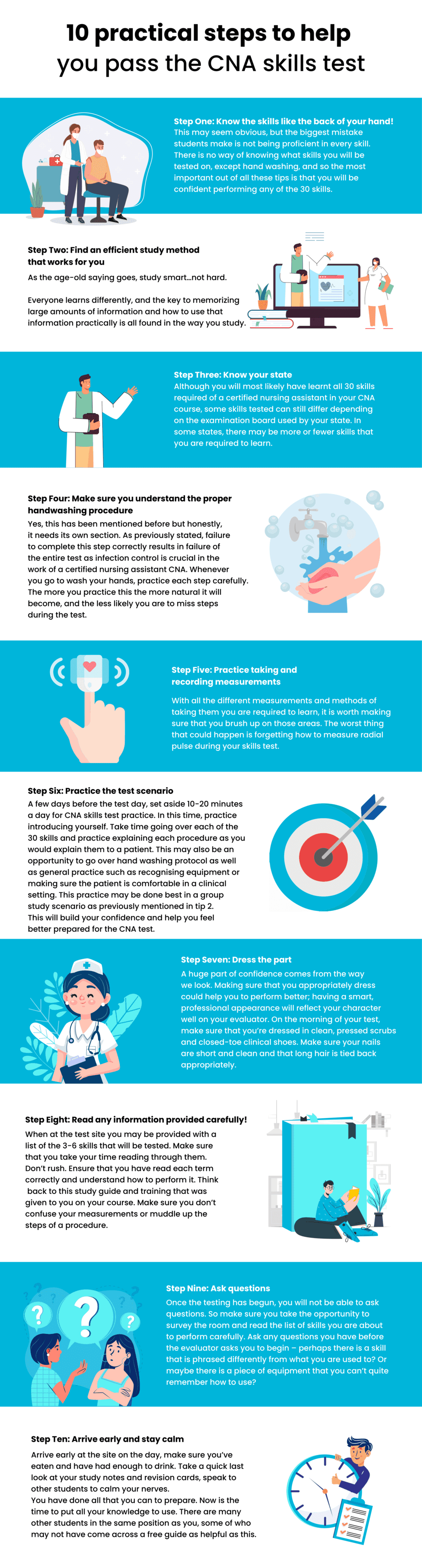
Source : allhealthcarecareers.com
The Written (Knowledge) Exam
This part is usually timed, but the questions themselves? They’re designed to be straightforward if you’ve studied. You’ll likely have around 60 to 90 minutes to complete it, depending on the state’s specific requirements. It’s all about testing your recall and understanding of core CNA duties.
The Practical Skills Demonstration
This is the hands-on part, the make-or-break for many. You’ll be asked to perform several nursing tasks in front of an evaluator. Think Key signs, handwashing, patient transfers. Each skill has a time limit, but the overall evaluation can take anywhere from 30 minutes to over an hour. It feels longer when you’re nervous, trust me.
Time for Breaks and Transitions
Don’t forget to factor in transition time between the written and practical sections. There might be a brief wait, a chance to gather your thoughts (or panic slightly). These moments add up, so the total time spent at the testing center is often longer than just the active exam periods.
Factors Influencing Your Exam Wait Time
State-Specific Regulations
Every state has its own rules for CNA certification. Some have quicker approval processes for exam applications than others. For instance, checking out the Texas HHS Nurse Aide Registry can give you a concrete idea of their timelines.
Testing Center Availability
This is a huge bottleneck. Popular testing centers, especially in densely populated areas, book up fast. If you live somewhere with only one or two approved sites, expect longer wait times. It’s a supply-and-demand issue, plain and simple.
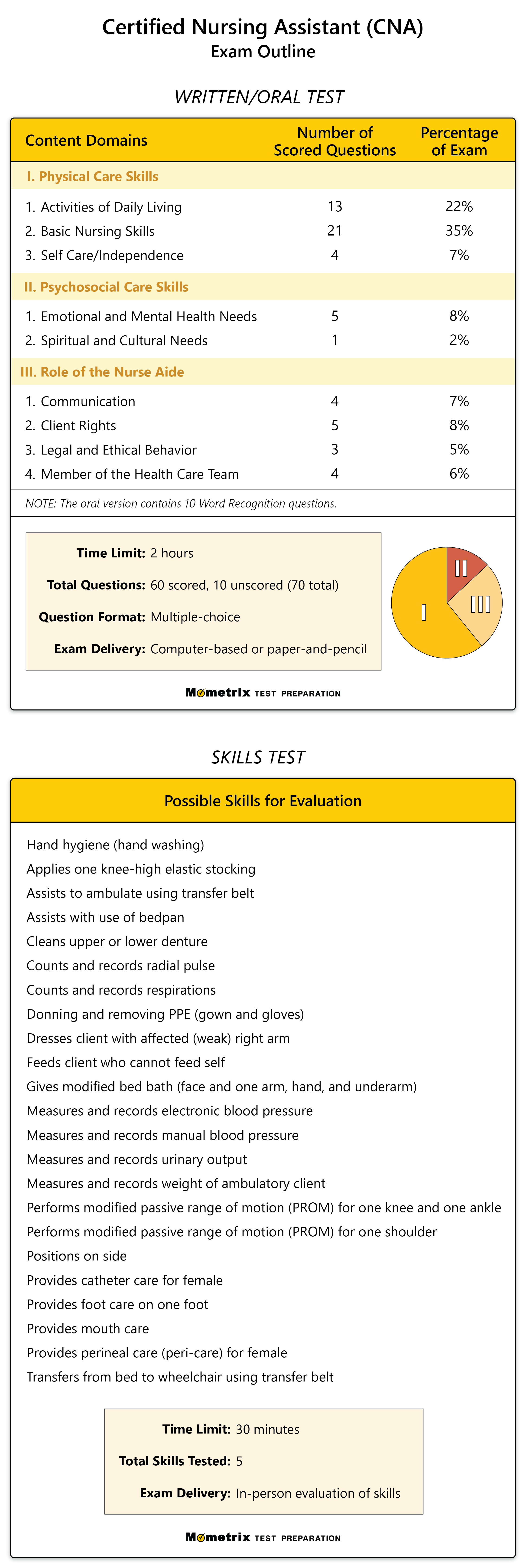
Source : mometrix.com
Your Application Processing Speed
How quickly do you get your application submitted? How fast does the state board or the testing provider (like Prometric) process it? Delays here can push your exam date back significantly. Get all your ducks in a row before you hit submit.
What Happens After You Take the Exam?
Immediate Results (Sometimes)
In some states, you might get your written exam results on the spot. The practical portion usually requires a bit more time for grading. It’s a nail-biting wait, for sure.
Official Score Reporting
Don’t count on immediate certification. Official score reports typically take a few days to a couple of weeks to be processed and mailed or made available online. This is the official word you’ve been waiting for.
Background Checks and Final Verification
Depending on your state, there might be a final background check or verification step before your name officially lands on the registry. This adds another layer, though it’s usually a formality if you’ve cleared the exam.
Maximizing Your Efficiency: Tips for Speed
Prepare Your Documentation Early
Gather all required documents (ID, proof of training, application forms) well in advance. Missing paperwork is a surefire way to delay your application and, consequently, your exam date. Be proactive.
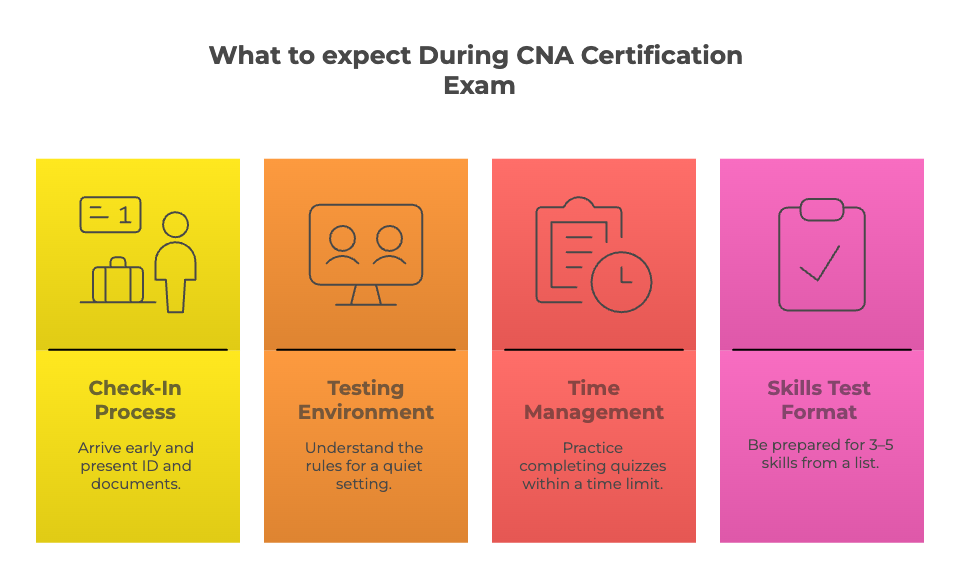
Source : sisucare.com
Choose Your Testing Location Wisely
If you have options, research testing center schedules and availability. Sometimes traveling a bit further can mean getting a date much sooner. It’s a trade-off worth considering, especially if time is of the essence.
Study Consistently, Not Just Last Minute
The less time you spend re-studying because you didn’t retain information, the faster you’ll be ready. Consistent effort means you can book your exam with confidence. Resources like CNAClasses.com offer great study aids.
Sample CNA Exam Time Breakdown
Let’s visualize the time commitment. This is a general guideline and can vary!
| Activity | Estimated Time | Notes |
|---|---|---|
| Arrival & Check-in | 15-30 minutes | Buffer for traffic and finding your spot. |
| Written Exam | 60-90 minutes | Varies by state; usually timed. |
| Break / Transition | 15-30 minutes | Time between test sections. |
| Practical Skills Exam | 30-60 minutes | Depends on the number of skills tested. |
| Post-Exam Procedures | 15 minutes | Final paperwork, directions. |
| Total Exam Day Time | 2.5 – 4 hours | This is time at the center, not including travel. |
The Waiting Game: Post-Exam Results
After the exam day is done, the waiting game for official results begins. This typically takes anywhere from a few days to two weeks. It’s a period filled with anticipation, checking your email and the relevant state website obsessively.
Registry Confirmation
Once you pass and your results are verified, your name needs to be added to the official Nurse Aide Registry. This process also takes time. It’s the final step before you are officially recognized as a certified nursing assistant. Don’t expect to see your name there the day after you pass.
A Realistic Look at the Entire Process

Source : youtube.com
From Training Completion to Certification
Let’s be brutally honest. From the day you finish your CNA class to the moment your name is officially on the registry, you’re looking at a timeframe that can range from 2 weeks to 3 months. This includes study time, application processing, scheduling, the exam itself, and results reporting.
Why the Variation? It’s Complicated.
The biggest variables are state-specific rules and testing center availability. Some states are faster, some are slower. Some areas have abundant testing slots, others are swamped. Your personal readiness and how quickly you submit paperwork also play a massive role.
Setting Your Expectations
So, how long does it take to pass the CNA state exam? It’s not a simple number. Focus on being prepared to pass when you finally do take it. Don’t rush the preparation; that’s how people fail. Then, be patient with the administrative side of things. It’s a marathon, not a sprint, but you’ll get there.
Frequently Asked Questions
Is the CNA exam hard to pass?
Honestly, it really depends on how well you studied and prepared. Some find the written portion a bit tricky, while others struggle more with the practical skills. But with good training and practice, most people pass.
How many times can you fail the CNA state exam?
Generally, you get a few shots at it. Most states allow you to retake the exam a couple of times, but there’s usually a limit, like three attempts. If you fail after that, you might have to go through a training program again. Check your specific state’s rules, though.
What percentage of people fail the CNA exam?
It varies a lot by state and even by testing center. Some reports show pass rates as high as 80-90%, while others might be lower, maybe around 60-70%. It’s not a super high failure rate, but definitely a chunk of people don’t pass on their first try. Focus on your nursing fundamentals!
How to pass the CNA exam first try?
The best way? Really buckle down in your CNA class and pay attention. Practice the skills over and over until they’re second nature. Study the handbook for your state, and maybe take some practice tests online. Confidence and practice are key!
What’s on the CNA exam?
It’s usually split into two parts: a written test and a skills demonstration. The written part covers things like patient rights, safety, and basic medical knowledge. The skills part is where you show you can actually perform tasks like taking Key signs, feeding a patient, or transferring them safely. Really nail those clinical skills!
