Cracking the Code: How Many Clinical Hours You Actually Need for CNA Certification
So, you’re thinking about becoming a CNA. Awesome move. It’s honest work, helping people when they need it most. But before you get all starry-eyed about making a difference, let’s talk brass tacks: the dreaded clinical hours. Everyone asks, right? How many hours of real-world, hands-on patient care do you really need to log to get that piece of paper?
It’s not as simple as a magic number printed on a statewide brochure, though folks try to make it seem that way. The truth is, it depends. A lot. And frankly, getting a straight answer can feel like pulling teeth. Let’s dive in and clear up this whole CNA clinical hour requirement mess.
The Nitty-Gritty: What’s the Baseline for CNA Clinical Hours?
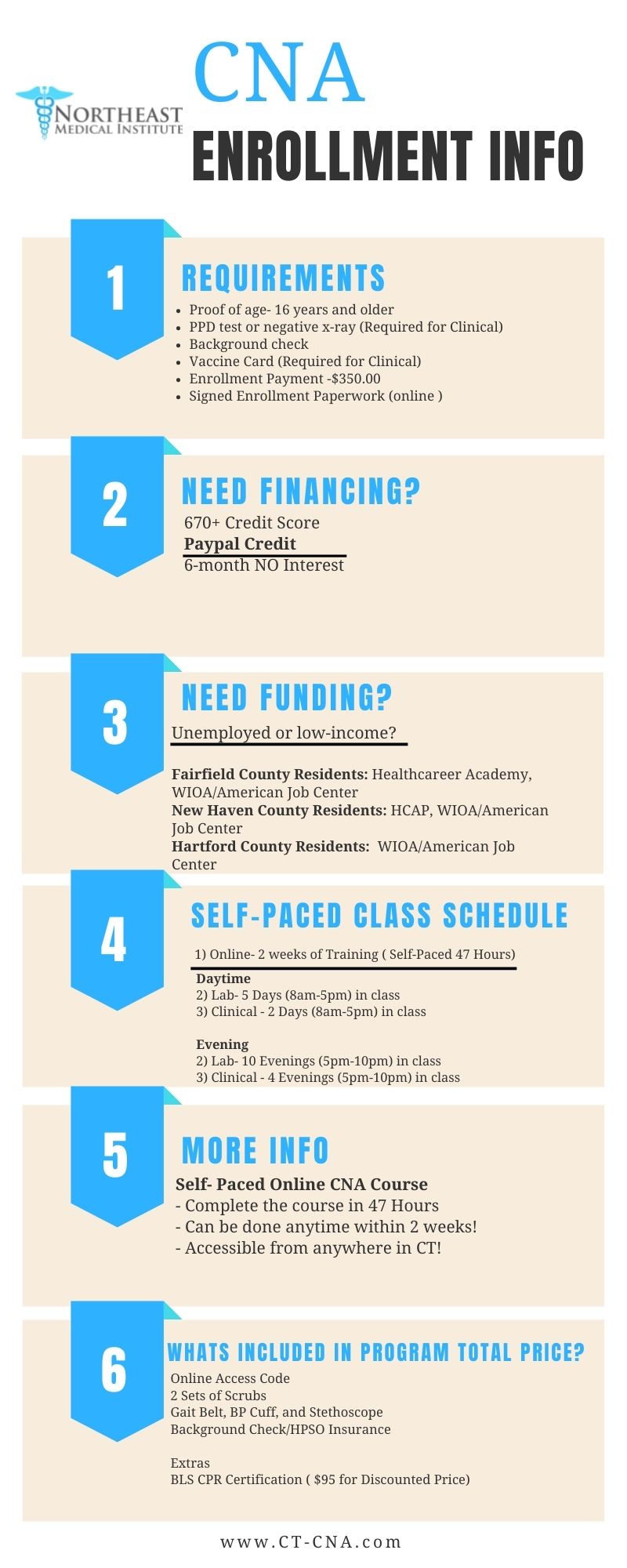
Source : northeastmedicalinstitute.com
Look, the feds throw out a minimum suggestion, but states? They’re the ones who really call the shots. This means what’s required in Texas might be a whole different ballgame in California. It’s a bit frustrating, I know. But understanding this initial baseline is key.
Federal Guidelines: The Starting Point
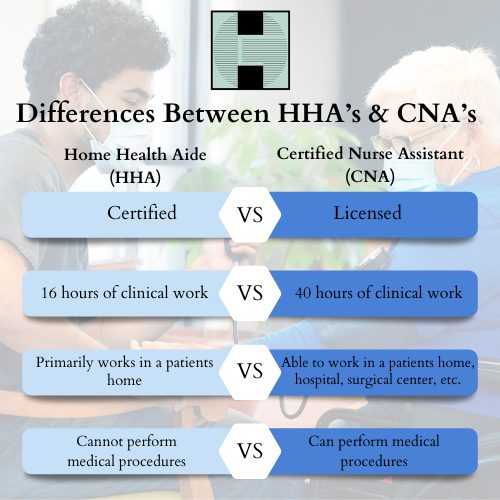
Uncle Sam says, “Hey, a minimum of 75 hours of training is a good idea for your CNA program.” This training has to cover both classroom stuff and actual hands-on practice. They don’t specify exactly how many of those 75 should be clinical, but they emphasize the practical application. It’s a foundational number, really. The real action happens when individual states get involved.
Source : hhstaff.com
State-Specific Mandates: Where the Real Rules Live
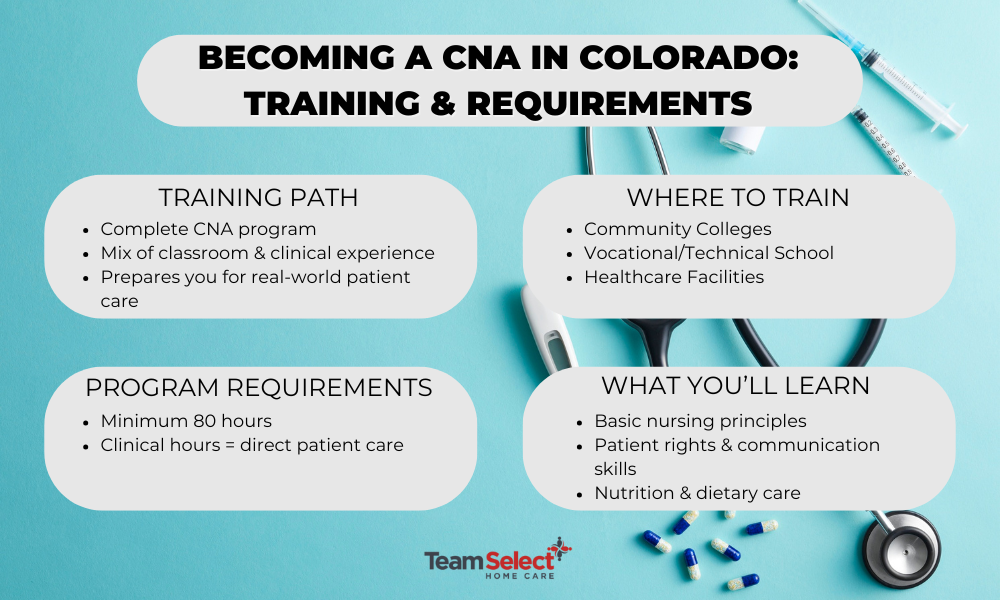
This is where things get interesting (or complicated, depending on your caffeine level). Every state board of nursing or health department sets its own requirements. Some states might stick close to the federal minimum, while others demand significantly more clinical experience. You absolutely must check your specific state’s regulations. Don’t just assume.
The ‘Why’ Behind the Hours: More Than Just Checking a Box
These clinical hours aren’t just arbitrary hurdles. They’re designed to Make sure you can actually do the job safely and competently. You’re going to be touching lives, literally. So, the hours are there to build your confidence, hone your skills, and expose you to the realities of patient care. Think of it as your training wheels before you hit the open road.
Drilling Down: Texas CNA Clinical Hour Requirements
Let’s talk Texas, since it’s a big state with specific rules. If you’re aiming for CNA certification in the Lone Star State, you need to know the breakdown. It’s not just about clocking in; it’s about what you’re doing during that time.
Tarrant County College (TCC) Example: A Practical Look
Take Tarrant County College, for instance. Their CNA program information packet is a goldmine for aspiring nurses in that area. They often require a set number of hours, which includes both the classroom learning and the Key clinical practice component. You can find their detailed info, including program specifics, right here: TCC CNA Program Details.
The Texas Minimum: 100 Hours of Training
Source : uscareerinstitute.edu
In Texas, the state generally mandates a minimum of 100 hours for your entire CNA training program. This isn’t just theory; a significant chunk of this must be dedicated to hands-on clinical experience. It’s designed to give you a solid foundation before you’re officially certified. The goal is competence, plain and simple.
How Many of Those are Clinical? The Key Split
Of those 100 hours, Texas requires at least 40 hours to be dedicated to supervised clinical experience. This is where you’ll be in a healthcare setting—like a nursing home or hospital—actually working with patients under the watchful eye of an instructor. It’s the real deal. You can find state-specific requirements mapped out nicely on sites like NursingHome411: Texas CNA Requirements.
Beyond the Minimum: Why More Might Be Better
Just hitting the minimum number of clinical hours doesn’t automatically make you a superstar CNA. Sometimes, more is simply more. More practice means more confidence. More exposure means you’re ready for anything.
Gaining Real-World Confidence
Those 40 hours (or whatever your state’s minimum is) are a start. But let’s be honest, that’s not a ton of time when you’re learning to manage multiple patients, deal with different conditions, and handle unexpected situations. The more time you spend in a clinical setting, the less likely you are to freeze up when something unexpected happens.
Exposure to Diverse Patient Needs
Every patient is different. Every condition presents unique challenges. Spending extra time during your clinical rotations exposes you to a wider variety of patient needs, from mobility issues to cognitive impairments. This breadth of experience is Crucial. It prepares you for the diverse population you’ll Act as a CNA.
Source : nocotraining.com
Standing Out to Employers
When you’re applying for jobs, having more than just the bare minimum clinical experience on your resume can make a difference. It shows initiative and a genuine commitment to mastering the skills required for the role. Employers notice candidates who’ve clearly gone the extra mile.
What Exactly Counts as “Clinical Hours”?
It’s not just about being present in a facility. There’s a specific definition for these critical hours. You need to make sure the time you’re logging actually meets the criteria set by your state’s regulatory body.
Supervised Practice is Key
The most important factor? Supervision. Your clinical hours must be spent under the direct supervision of a qualified instructor or licensed healthcare professional. You can’t just shadow someone or do tasks unsupervised. This ensures you’re learning correct procedures and performing them safely. It’s about guided practice.
Hands-On Patient Care is the Goal
These hours are specifically for direct patient care activities. This includes things like taking Key signs, assisting with bathing and dressing, helping patients eat, turning and repositioning them, and documenting care. Administrative tasks or purely observational time usually don’t count towards your required clinical hours.
Approved Training Facilities Only
You can’t just waltz into any hospital and start clocking hours. Your clinical experience must take place at facilities approved by your state’s CNA training program. Your school will typically arrange these clinical placements for you. Always confirm that the facility and the activities are part of an accredited CNA curriculum. It’s Key for compliance.
Source : collegemoneytips.com
The Structure of Your Clinical Experience
Clinical hours aren’t usually a solid block of time. They’re typically integrated into your training program in a structured way. Think of it like this: a blend of theory and practice.
Classroom Theory vs. Clinical Practice
Most CNA programs split your training time. You’ll have classroom sessions where you learn the medical knowledge, procedures, and regulations. Then, you’ll transition to the clinical setting for hands-on application. The ratio varies by state and program, but the blend is Needed. You need both the knowledge and the practical skills.
Rotations Through Different Departments
Often, your clinical experience will involve rotations. You might spend time in a long-term care facility, then move to an acute care hospital setting. This exposes you to different care environments and patient populations. It’s all part of building a well-rounded skillset. You’ll learn more by seeing diverse situations.
Tracking and Documentation
Your program will have a system for tracking your clinical hours. This usually involves timesheets or logs that you and your supervisor sign. Accurate documentation is Key. It’s your proof that you’ve met the CNA certification requirements. Don’t mess this up!
A Quick Look at Hours Across Different States (It Varies!)
Source : tshc.com
Just to hammer home the point that requirements differ wildly, let’s glance at a few examples. This isn’t exhaustive, but it paints a picture. Remember, always verify with your specific state’s official nursing board or health department.
Here’s a quick comparison table to illustrate the variation:
| State | Total Training Hours (Min.) | Clinical Hours (Min.) | Notes |
|---|---|---|---|
| Texas | 100 | 40 | Must be supervised patient care. |
| California | 160 (for general) | 100 | Includes 60 hours of skills lab and 100 hours of extended care facility. |
| New York | 120 | 35 | Focus on hands-on practice. |
| Florida | 120 (for HCAC) | 40 | Can vary based on specific program type. |
| Ohio | 75 | 16 (minimum) | Often programs offer more hours. |
See? It’s a real patchwork quilt. That 40-hour minimum in Texas is quite different from California’s 100. This highlights why local research is non-negotiable.
Handling Program Requirements: Tips for Success
So, you know the state requirements, but how do you pick a program and succeed in it? It’s about being smart and proactive. Don’t just drift through it.
Choosing the Right CNA Program
When looking at programs, check their curriculum details. Do they offer enough clinical hours? Are the clinical sites reputable and conveniently located? Does the program have a good reputation for preparing students? A program like the one at TCC offers Full information to help prospective students make informed choices. You can explore their offerings here: TCC CNA Information Packet.
Maximizing Your Learning During Clinicals
Source : northeastmedicalinstitute.com
Show up early. Stay late if you can. Ask questions – tons of them. Be observant. Watch how experienced nurses and CNAs interact with patients and handle situations. Don’t be afraid to jump in and practice skills (under supervision, of course!). Treat every minute as a learning opportunity. Your clinical rotation is prime time.
Communicating with Instructors and Staff
Build relationships with your instructors and the facility staff. Let them know you’re eager to learn and willing to help. They can provide Crucial guidance, feedback, and maybe even mentorship. Good communication can make all the difference during your training.
Final Thoughts: It’s More Than Just the Hours
The number of required clinical hours is just one piece of the puzzle. Yes, you need to meet that minimum, whether it’s 40 hours in Texas or 100 in California. But focusing solely on the number misses the bigger picture.
It’s about the quality of that experience. It’s about the skills you gain, the confidence you build, and the compassion you develop. So, while you absolutely need to know the specific hour requirements for your state, don’t stop there. Immerse yourself. Learn everything you can. That’s how you become a truly great CNA, not just a certified one.
Frequently Asked Questions
How many clinical hours are required for CNA certification?
It really varies by state, but most programs require somewhere between 30 to 100 hours of hands-on clinical experience. Think of it as your real-world training before you’re officially certified. It’s where you put everything you learned in the classroom to work with actual patients. Always check your specific state’s requirements!
What’s the difference between CNA training hours and clinical hours?
Good question! The training hours are all the classroom and lab stuff – learning the theory, practicing skills on maequins. The clinical hours, though, that’s the part where you’re in a real healthcare setting, like a nursing home or hospital, working with patients under supervision. It’s the practical application part.
Do all CNA programs have the same clinical hour requirements?
Nope, not at all. Each state board of nursing or health department sets its own rules, so the number of clinical hours can differ quite a bit. Some states might have a lower requirement, while others want you to get more supervised experience. It’s super important to look up the specific regulations for where you plan to get certified.
Can I get CNA certified without completing the required clinical hours?
Generally, no. Those clinical hours are a mandatory part of the certification process. They’re there to Make sure you have the practical skills and experience needed to safely care for residents. Skipping them means you won’t be eligible to take the certification exam and become a CNA. It’s a non-negotiable step.
How long does it usually take to complete the clinical hours for CNA certification?
It depends on the program’s structure and your schedule, but often the clinical component is integrated into the overall training program, which can last anywhere from a few weeks to a couple of months. Some programs might spread the clinical training out, while others have it as a concentrated block. You’ll be working alongside experienced staff, gaining valuable experience.
