Introduction to Washing Machine Transport
Moving a washing machine safely is a common challenge in 2026. Many wonder, can you lay washing machine sideways without damage? The answer depends on type, precautions. And following washing machine transportation guidelines. This article explains top tips, risks. And expert advice for moving your washer.
Understanding how to transport your machine properly can prevent damage to key parts like the washing machine drum, shock absorbers. And motor. For detailed insights on secure moving, see our guide on can you lay washing machine side.
Whether you own a front-load washer or top-load washer, knowing the safest transport method keeps your machine working well after the move.
Why Transporting Washing Machines Is Tricky
Washing machines have delicate parts that handle heavy loads and spinning. The drum floats on a suspension system with shock absorbers. If moved incorrectly, these parts can break.
Water left inside the drum or hoses may leak and cause damage during transport. Also, the motor and locking mechanisms are sensitive to vibration and tilt.
Improper moving, especially laying the washer horizontal without locking the drum, can void the machine warranty and lead to costly repairs.
Can You Lay Washing Machine on Its Side?
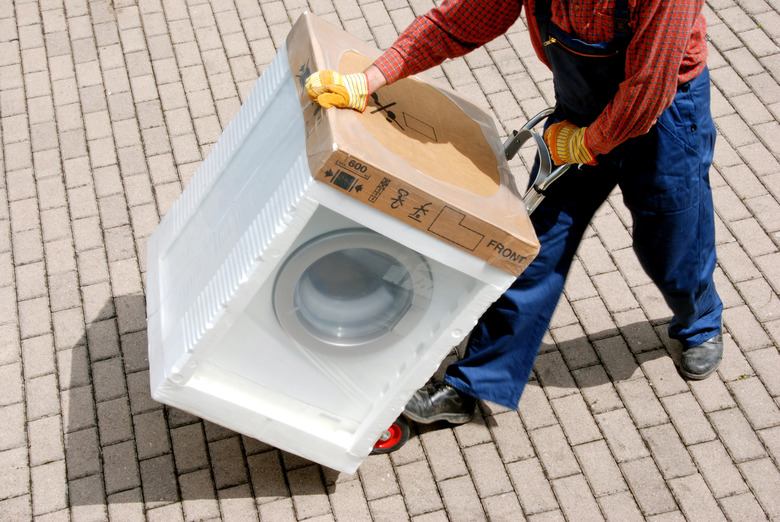
Industry consensus indicates that transporting a washing machine on its side is sometimes possible but risky. The key is to secure the drum with washing machine transport bolts or locking mechanisms. Without these, the drum may bounce and damage the suspension.
Top load washers and front-load washers differ. Front-load washers have more fragile parts inside. So side transport risks are higher. Some manufacturers strictly advise against laying the machine horizontally.
For more detailed manufacturer instructions, always check the manual. This ensures you follow exact washing machine transportation guidelines.
Risks of Side Transporting Washing Machines
Laying your washer on its side can cause:
- ✅ Damage to shock absorbers and drum suspension
- ✅ Motor and wiring stress from improper tilt angles
- ✅ Water leakage inside the drum or hoses
- ✅ Warranty void if manufacturer forbids horizontal transport
These risks increase if the machine is not drained fully or the drum isn’t locked. Side transport washing machine risks must be weighed carefully.
For a deep dive into these risks, resources like the Reddit discussion on washing machine transport provide excellent foundational context.
Best Way to Move Washing Machines
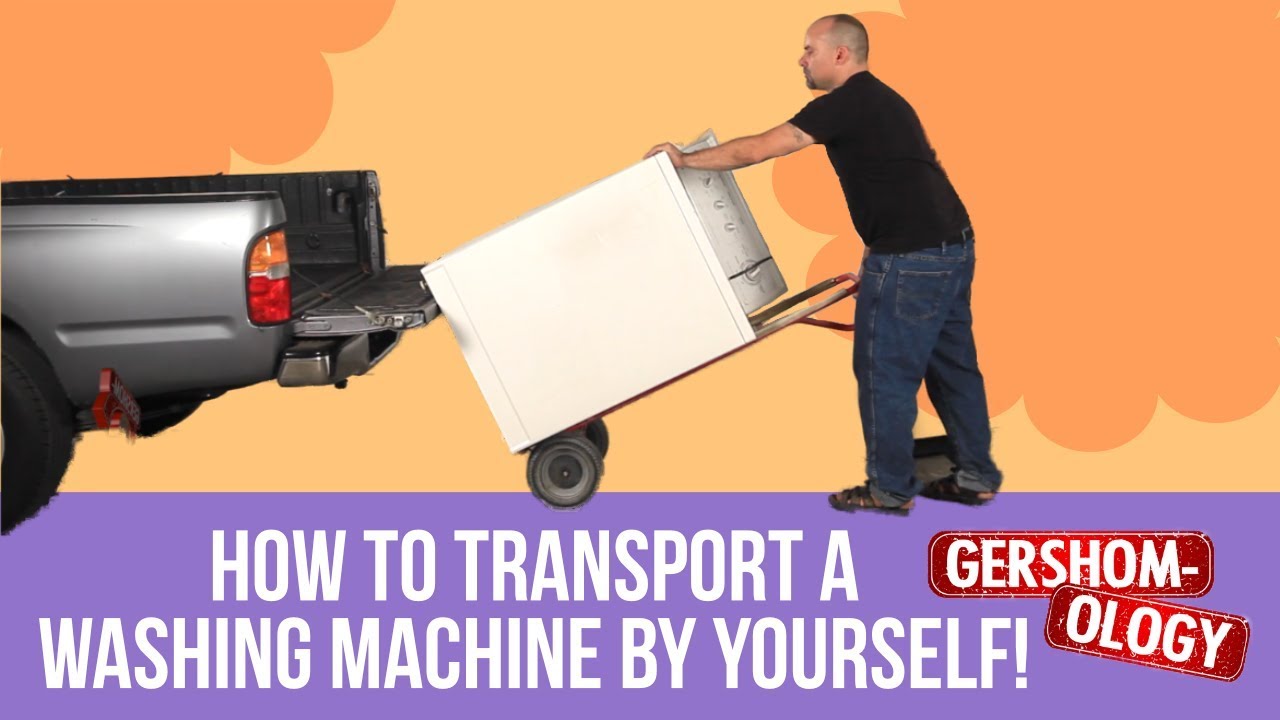
The safest way is to move the washing machine upright. This avoids stress on internal parts. But if space limits require side laying, follow these steps:
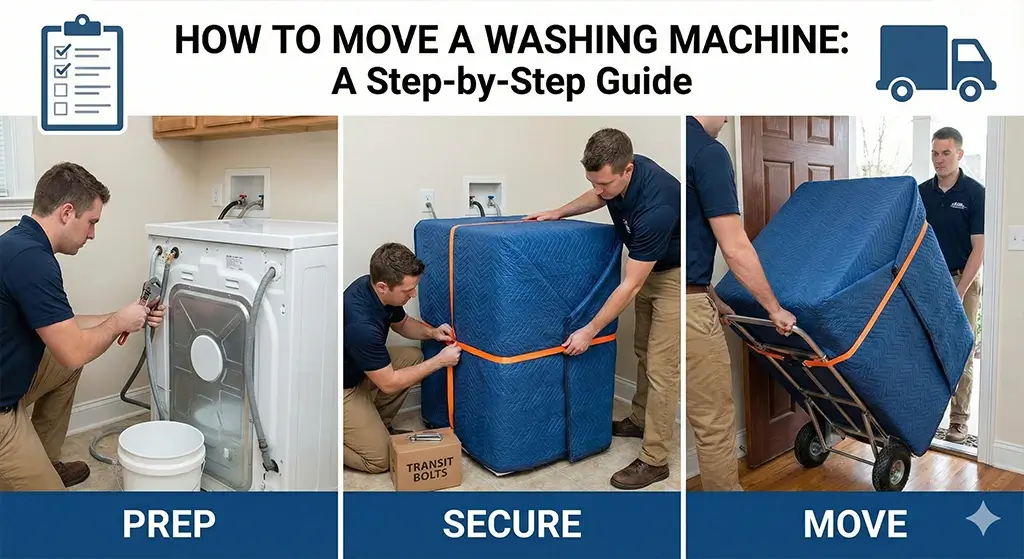
How to prepare washing machine for move:
- Unplug and disconnect all hoses
- Drain all water from drum and pipes
- Lock the washing machine drum using transit bolts
- Use strong packing materials and padding
- Secure the machine in the moving vehicle to prevent shifting
Many experts recommend hiring a professional washer moving service. They have tools and experience to protect your machine and warranty.
Washing Machine Drum Locking and Transit Bolts
Transit bolts lock the drum in place. They are essential for preventing damage during horizontal or vertical transport. Most new machines come with these bolts installed or in the manual.
Removing transit bolts before moving causes the drum to swing freely. This can damage the suspension and cause machine vibration later. Always keep bolts tight until installation at the new location.
After the move, an installation technician will remove the bolts and check the machine function during setup.
Moving Tips for Front-Load and Top-Load Washers
Front-load washers have a heavier glass door and more complex suspension. They are more sensitive to tilt and shocks. Moving them sideways requires extra padding and drum locking.
Top-load washers are usually more durable but still need precautions. Some manuals allow limited tilt angles but warn against laying completely flat.
Each type has unique moving instructions. So consult the manual or manufacturer website.
Common Washing Machine Moving Mistakes
Many people make these errors:
- Not draining all water, leading to leaks and weight imbalance
- Removing transit bolts too early
- Laying the machine flat without padding or locking the drum
- Dragging machine without proper support
- Ignoring manufacturer instructions and warranty terms
Avoiding these mistakes saves money and frustration in the long run.
For expert advice, see our related article on can you lay washing machine side.
Washing Machine Installation After Transport
Post-move, let the washing machine sit upright for a few hours. This lets oils and fluids settle back into place. Check all hoses and connections for leaks.
Use an installation technician if unsure. They will remove transit bolts and test the washer to ensure it runs smoothly.
Proper installation restores the machine’s performance and protects your warranty.
Summary Tips and Best Practices
Here are key points for safe washing machine transport:
- Always drain water before moving
- Lock the drum with transit bolts
- Prefer vertical transport when possible
- If laying on the side, use padding and secure the drum
- Follow manufacturer manual exactly
- Hire professionals for heavy or complex moves
Following these steps ensures your machine lasts beyond the move and keeps working well.
| Step | Action | Reason |
|---|---|---|
| 1 | Drain all water | Prevents leaks and excess weight |
| 2 | Remove hoses | Avoids damage and water spills |
| 3 | Secure drum with transit bolts | Protects suspension system |
| 4 | Use padding when laying sideways | Absorbs shocks and vibration |
| 5 | Transport upright if possible | Minimizes risk of damage |
Always remember to check your washing machine’s manual. Some brands have detailed instructions that override general advice.
Professional Washer Moving Service Benefits
Experts at professional moving companies know how to handle washers safely. They use the right tools, secure the machine in the moving vehicle. And avoid common mistakes.
They also understand the washer tilt angle transport limits and avoid risks like hose damage or motor issues. Hiring a pro reduces stress and protects your warranty.
In 2026, professional services offer smart packing materials and vehicle setups to safeguard your appliance.
| Benefit | Explanation |
|---|---|
| Proper drum locking | Ensures suspension is safe during move |
| Correct transport position | Prevents damage from excessive tilt |
| Use of packing materials | Protects machine from bumps |
| Secure vehicle placement | Stops shifting during transport |
| Warranty compliance | Keeps machine covered by manufacturer |
Hiring a professional is an investment in your machine’s future. They minimize washer damage during transport and provide peace of mind.
Conclusion
Can you transport washing machine on its side? The short answer is: only with care and proper steps. Industry experts show that side laying is possible but risky without drum locking and padding.
For the best results, drain water fully, use transit bolts. And follow your manufacturer’s manual. When in doubt, hire a professional washer moving service to avoid common mistakes and warranty loss.
Transport your washing machine upright whenever possible for maximum safety. Remember, good preparation protects your machine and ensures smooth operation after your 2026 move.
Frequently Asked Questions
Is it safe to lay a washing machine on its side during transport?
Laying a washing machine on its side can risk damage unless done carefully with proper drum locking and following manufacturer guidelines.
What are washing machine transit bolts and why are they important?
Transit bolts secure the washing machine drum during transport to prevent damage. Removing them too early or not using them risks machine damage.
How should I prepare my washing machine for moving?
Drain all water, disconnect hoses, secure the drum with transit bolts, and use packing materials to protect the machine. Follow the manual closely.
Can transporting a front-load washer sideways cause damage?
Yes, front-load washers transported sideways without proper precautions can suffer from broken shock absorbers or motor issues.
Should I hire a professional service to move my washing machine?
Hiring a professional washer moving service is recommended to avoid common moving mistakes and protect your machine’s warranty.

Keith Boyd Is A Seasoned Appliance Care Expert With Over A Decade Of Experience In Home Appliance Maintenance. His Authoritative Insights On Washing Machine Care And Upkeep Are Trusted By Homeowners Nationwide. With A Passion For Educating Others, Keith Shares Valuable Tips That Ensure Your Appliances Run Smoothly For Years To Come.