Introduction to Machine Dyeing Clothes 🚀
Dyeing clothes in a washing machine is a handy way to add new life to old garments. It lets you use fabric dyes easily at home without extra tools. Before dyeing, you must prep clothes properly to get even color. Also, knowing the right dye type and water temperature helps with colorfastness in dyed clothes.
For those new to this method, understanding the washing machine dye cycle is key. It uses the machine’s stirring mechanism to mix dye and fabric well. For a deeper understanding of this mechanic, analyzing resources on how to dye using the washing machine provides excellent foundational context.
It’s also wise to learn how to reset a Whirlpool Duet washing machine, as some models may need resetting if dyeing cycles cause errors. This knowledge ensures smooth dyeing sessions without machine issues. You can find detailed guides like how do you reset a whirlpool duet washing machine to prepare well.
Choosing Fabric and Dye Types
Not all fabrics accept dye the same. Natural fabric dyes work best on cotton, linen, and silk. Synthetic fabric dyeing needs special disperse dye made for polyester and nylon fibers. Knowing your fabric fibers helps pick the right dye type.
Reactive dye bonds well with cotton clothes, giving bright, lasting colors. Direct dye is also popular for easy use. Sulfate salt in some dyes helps fix colors. Using dye fixatives for clothes can improve colorfastness and keep colors from fading or bleeding.
When dyeing dark clothes, stronger or multiple dye treatments may be needed for full coverage. Cold water dyeing is gentler but may require longer dye time or special dyes for good saturation.
Prepping Clothes for Dyeing 📌
Start by washing clothes to remove detergent residue and dirt. The pre-wash process is important for even dye absorption. Avoid fabric softeners before dyeing as they block dye.
Check for bleach stains or damage, as dye will not cover these well. Use a fabric mordant if your dye instructions suggest it to help dye bond better.
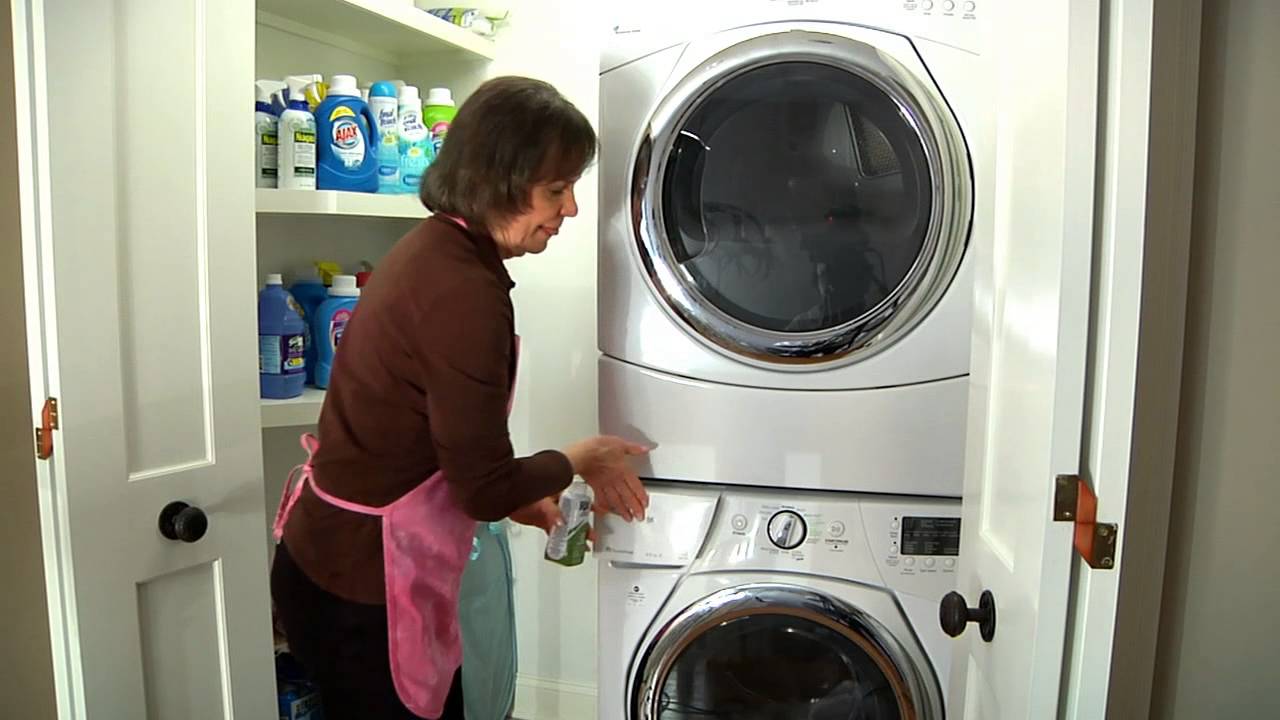
Also, protect your washing machine by cleaning the agitator and drum before dyeing. This prevents dye stains prevention on machine parts. For tips on cleaning washing machine parts like the agitator, see how to clean agitator on washing machine.
Step-by-Step Machine Dyeing Process 📌
Follow these steps for best results in machine dyeing clothes:
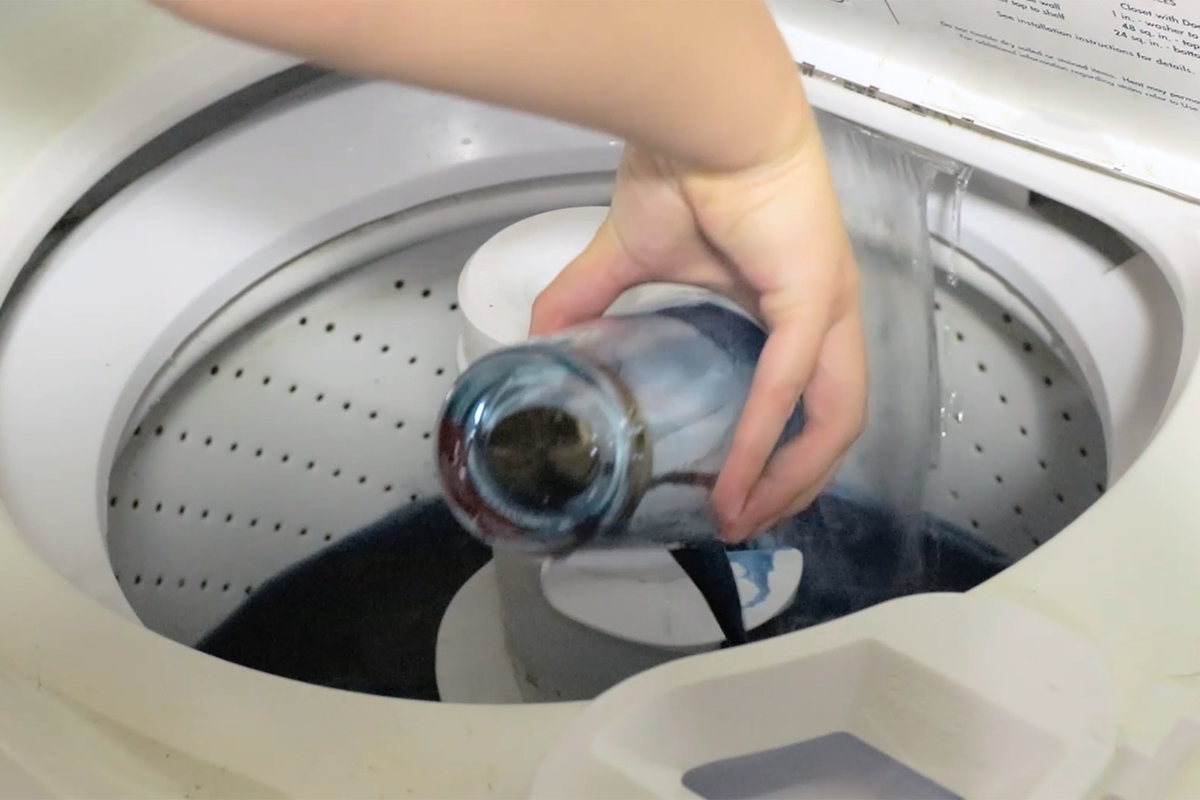
- Fill the washer with warm water, enough to cover clothes.
- Add dye powder or liquid dye as per dye manufacturer’s instructions. Both have pros and cons; dye powder is easier to measure, liquid mixes faster.
- Put clothes in the machine. Avoid overloading to ensure uniform dyeing.
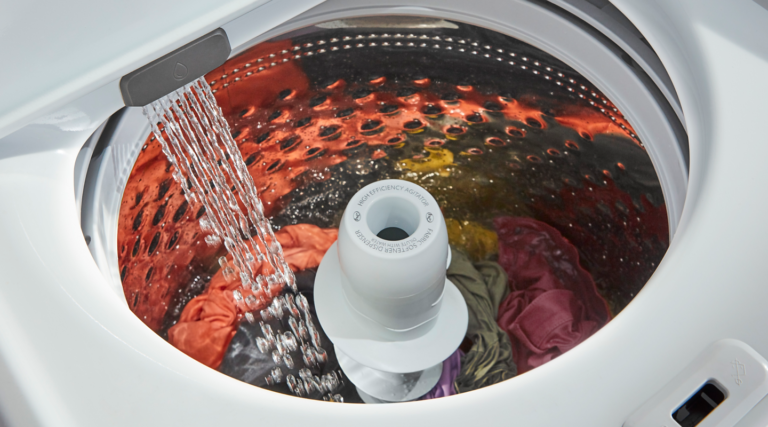
- Run a wash cycle without detergent, using the washing machine agitator to stir.
- Pause halfway to stir clothes manually if possible, for dye batch consistency.
- Complete the cycle, then rinse clothes in cold water to remove excess dye.
- Use a color fixer or dye fixative to lock the color in place.
Remember, the washing machine dye cycle varies by model. Some washers have special dye settings; otherwise, use a gentle or normal cycle.
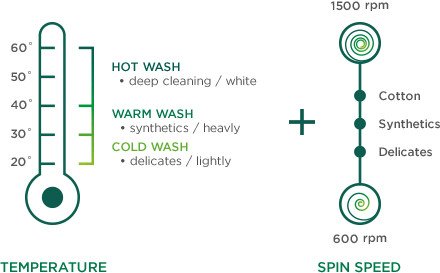
Always follow the dye manufacturer’s instructions carefully for water temperature and dye amount. Incorrect water temperature can harm dye absorption or fabric.
Post-Dyeing Garment Care ✅
After dyeing, rinse clothes until water runs clear. This avoids color bleeding in future washes. Wash dyed clothes separately for the first few cycles.
Use cold water and mild detergent to maintain color saturation. Avoid bleach and harsh detergents that fade dye.
Machine washable dyes make care easier. Some dyes are designed to withstand regular machine washing without fading.
Dye Safety Tips and Eco-Friendly Practices ⚖️
Always wear gloves and work in a well-ventilated area when handling dyes. Some dyes can irritate skin or eyes.
Choose eco-friendly fabric dyeing options, such as natural fabric dyes or low-impact synthetic dyes. These reduce pollution and chemical waste.
Dispose of leftover dye water safely. Avoid pouring it into drains without treatment.
Troubleshooting and Dye Removal
If dye stains remain on fabric or machine parts, act quickly. Use a bleach alternative or stain remover suited for dyed fabrics.
Dye removal from fabric is tricky and depends on dye type and fabric. Sometimes, color bleeding means clothes need extra rinsing or a vinegar soak.
To prevent future dye stains, clean your washing machine regularly. Guides like how to clean washing machine top loader provide great help.
Comparison: Dye Powder vs Liquid
Choosing between dye powder and liquid affects ease and results. Both work well but have differences.
| Feature | Dye Powder | Dye Liquid |
|---|---|---|
| Mixing | Needs dissolving in water | Ready to use |
| Measurement | Precise by weight or volume | Easy to pour |
| Storage | Long shelf life | May degrade faster |
| Staining Risk | Higher if spilled | Lower, less dust |
Both types can be used in washing machines, but liquid dyes are often preferred for quick jobs.

Ensuring Uniform Dyeing and Color Consistency 🔢
Uniform dyeing across clothes needs good stirring and proper load size. Overloading reduces color saturation and causes uneven spots.
Maintaining dye batch consistency means using the same dye amount, water temperature, and cycle settings. Stirring mechanism in machines helps but manual stirring during pauses improves results.
Cold water dyeing can be less even but is safer for delicate fabrics. Warm water helps dyes absorb better but may shrink clothes.
Conclusion ⭐
Machine dyeing clothes is an easy way to refresh garments using your washing machine. Key steps include choosing the right dye for your fabric fibers, prepping clothes well, and following dye manufacturer’s instructions carefully.
Post-dye care with cold water washes and color fixers helps keep colors bright and prevents bleeding. Safety and eco-friendly choices make dyeing safer for you and the planet. For best results, balance load size, water temperature, and stirring to get uniform, vibrant colors.
Learning how to reset a washing machine and clean it after dyeing protects your appliance for future use. Mastering these basics lets you enjoy custom-colored clothes with minimal hassle and great style.
Frequently Asked Questions
Can all fabrics be dyed in a washing machine?
Not all fabrics are suitable. Natural fibers like cotton take dye well, but synthetic fabrics may need special disperse dyes.
What is the best water temperature for machine dyeing clothes?
Cold water dyeing works for many dyes, but some require warm water for better dye absorption and color saturation.
How do I prevent color bleeding after dyeing?
Using a dye fixative and washing clothes separately at first helps maintain colorfastness and prevent bleeding.
Is it safe to dye dark clothes in a washing machine?
Yes, but dark clothes need stronger dyes or multiple dye cycles for even uniform dyeing.
How do I clean my washing machine after dyeing clothes?
Run an empty hot water cycle with detergent or vinegar to remove dye residue and prevent stains.

Michael Peterson is a home appliance writer focused on practical washing machine care, maintenance, and troubleshooting. He shares simple, reliable tips to help readers keep their washing machines running efficiently, avoid common problems, and extend appliance life.