So, You Want to Teach CPR for the American Heart Association? Let’s Cut Through the Red Tape.
Thinking about becoming a CPR instructor? It’s a noble pursuit, no doubt. But let’s be real, the American Heart Association (AHA) isn’t just handing out instructor cards like candy. There’s a process, and if you’re not careful, you can get lost in the shuffle. Forget those generic online blurbs; this is the real talk.
First Things First: Why the AHA?

Source : cpred.com
Look, there are a bunch of CPR organizations out there. But the AHA? They’re the big dogs. Their certifications are recognized everywhere, from hospitals to schools to your neighbor’s backyard barbecue safety seminar. If you’re serious about teaching, you go with the gold standard. It just makes sense.
The Gold Standard in Training
The American Heart Association’s commitment to saving lives is unmatched. Their curriculum is built on decades of research and designed for maximum impact. When you teach AHA, you’re teaching best practices, plain and simple.
Setting Yourself Apart
Holding an AHA instructor certification signals professionalism and expertise. It tells potential students and employers that you’ve met rigorous standards. This isn’t just a piece of paper; it’s a badge of credibility.
Global Recognition and Trust
No matter where you are, an AHA CPR certification carries weight. This universal recognition is Key for individuals and organizations alike, ensuring a consistent, high-quality standard of care.
Source : willowgrovecpr.com
The Non-Negotiables: Prerequisites for AHA Instructors
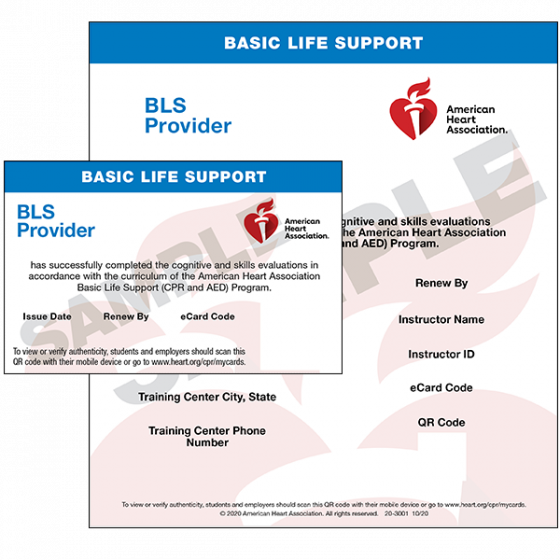
Before you even think about clicking around on their website, get this straight: you must be a currently certified AHA provider in the discipline you want to teach. Can’t teach BLS if you’ve never even taken a BLS course yourself, right? It sounds obvious, but people skip steps. Don’t be that person.
Current Provider Card is Key
You need to hold a valid, unexpired provider card for the specific course you intend to instruct. If you want to teach Basic Life Support (BLS), you need a current BLS provider card. Same goes for Advanced Cardiovascular Life Support (ACLS) or Pediatric Advanced Life Support (PALS). No exceptions.
Proficiency Demonstrated
This isn’t just about having the card. You need to demonstrate a strong understanding and mastery of the skills. The AHA expects its instructors to be role models of competent performance.
Digital Skills Competency (It’s a Thing!)
Modern courses often involve online components. You’ll need to be comfortable Handling online learning platforms. If your tech skills are stuck in the dial-up era, you might struggle.
The Official Path: Taking the Instructor Course
Alright, you’ve got your provider card. Now what? You need to enroll in an official AHA Instructor Course. These aren’t your grandpa’s weekend workshops. They’re thorough, and usually led by experienced Training Center Coordinators (TCCs).
Finding an AHA Training Center
This is where the rubber meets the road. You’ll need to locate an authorized American Heart Association Training Center. These centers are the hubs for all instructor training and certification. Their websites often list upcoming instructor courses.
Source : cprtraining-center.com
The Blended Learning Model
Most AHA instructor courses follow a blended learning approach. This means there’s an online didactic portion (the “eLearning” part) you complete at your own pace, followed by an in-person, hands-on skills session and teaching practice.
What to Expect in the Course
The instructor course dives deep into teaching methodologies, adult learning principles, and the AHA’s specific curriculum delivery guidelines. You’ll learn how to teach skills effectively, manage a classroom, and administer tests. It’s about more than just knowing CPR; it’s about knowing how to teach CPR.
The All-Important Skills Check and Teaching Practice
Completing the course isn’t the end. You’ll face a rigorous skills check where your own proficiency is evaluated. Then comes the teaching practice. You’ll actually have to teach a skill or two to real students (or simulated ones) under the watchful eye of your instructor trainer.
Demonstrating Competency
This is where you prove you can not only do the skills but can also teach them clearly and accurately. Instructors look for precise technique, clear communication, and the ability to correct errors effectively.
Classroom Management Skills
Beyond the physical skills, you need to show you can run a class. This includes managing time, engaging students, and ensuring a positive learning environment. It’s a whole different ballgame than just being a good provider.
Feedback and Refinement
Expect constructive criticism. The goal here is improvement. Your trainer will provide feedback on your teaching style, accuracy, and overall effectiveness. Use it.

Source : willowgrovecpr.com
Becoming an AHA Instructor: Key Differences
| Feature | AHA Instructor Certification | Basic CPR Provider |
|---|---|---|
| Primary Goal | Teach CPR and other emergency response skills. | Perform CPR and other emergency response skills when needed. |
| Training Required | AHA Instructor Course, skills check, teaching practice. | AHA Provider Course. |
| Skills Focus | Teaching techniques, curriculum delivery, assessment. | Performing life-saving skills correctly. |
| Certification Validity | Typically 2 years; requires renewal. | Typically 2 years; requires renewal. |
| Prerequisites | Current AHA Provider certification. | None (for initial basic courses). |
Maintaining Your AHA Instructor Status
Getting certified is just the first hurdle. Keeping that instructor card active requires ongoing effort. The AHA wants its instructors to stay sharp. You can’t teach outdated information, after all.
Renewal Requirements
Instructor certifications typically last for two years. To renew, you’ll usually need to meet certain criteria set by your Training Center. This often includes teaching a minimum number of courses and potentially attending renewal training. Check with your local Training Center.
Keeping Your Provider Skills Current
You still need to maintain your own provider certifications. If your BLS provider card expires, so does your ability to teach BLS. Stay current!
Continuous Education
The AHA updates its guidelines periodically based on new science. Instructors are expected to stay abreast of these changes. Your Training Center will provide updates, but it’s also your responsibility to seek them out.
The “Why”: Impact and Rewards of Teaching CPR
Let’s not forget why you’re doing this. Teaching CPR is incredibly rewarding. You’re equipping people with skills that can literally save a life. Think about that. That’s powerful stuff.
Source : fltraining.com
Making a Real Difference
Every person you train is a potential first responder. You’re multiplying the number of people capable of acting in an emergency. This has a direct, tangible impact on community safety.
Personal Growth and Development
Teaching hones your communication, leadership, and problem-solving skills. It builds confidence and provides a deep sense of purpose. Plus, you meet a lot of interesting people.
Career Opportunities
Being an AHA instructor can open doors. Healthcare facilities, corporate safety programs, community organizations – they all need certified instructors. It can be a standalone gig or an addition to an existing career.
Final Thoughts: Get Certified, Get Teaching
Becoming an American Heart Association CPR instructor isn’t rocket science, but it demands dedication. Follow the steps, find a good Training Center, and commit to being an excellent teacher. The skills you impart could be the difference between life and death for someone. That’s a pretty good reason to get started, wouldn’t you say? Head over to cpr.heart.org to find your path.
Frequently Asked Questions
How long does it take to become an AHA Instructor?
Because it varies a bit, but generally, you can expect to complete the process in about 1 to 2 days of dedicated training. It’s not super long, but you gotta put in the time to learn it right. You’ll need to finish an online course first, then attend an in-person instructor course. Gotta get that AHA certification!
How much can you make as an AHA Instructor?
So, pay can really range depending on where you’re at and who you’re teaching for. Some instructors teach for training centers and get an hourly rate, while others run their own classes. You could potentially make anywhere from $20 to $50 an hour, maybe even more if you’re in a high-demand area or teach specialized courses. Lots of variables, you know? It’s good to build up your instructor reputation.
How much is it to become a CPR instructor?
It’s not free, unfortunately. The costs can differ a lot based on the training center you choose and the specific courses you want to teach. You’re looking at anywhere from $100 to $500, possibly more. This usually covers your training materials, the course itself, and your initial certification. Think of it as an investment in a valuable skill.
What are the prerequisites to become an AHA Instructor?
But before you jump into instructor training, you gotta be a current AHA BLS Provider (or have a cert from another agency that’s equivalent and you can prove it). You also need to be proficient in the skills you’re goa teach. Basically, you need to know your stuff inside and out. It’s all about ensuring you can properly teach CPR.
Do I need to be a medical professional to teach AHA CPR?
Nope, not necessarily! While having a medical background can be super helpful, you don’t have to be a doctor, nurse, or EMT to become an American Heart Association instructor. The AHA trains people from all walks of life to teach their courses. What’s most important is that you complete their instructor course, pass the exams, and demonstrate you can teach the material effectively. It’s about being a good AHA certified educator.
