So, You Want to Teach CPR? Let’s Talk AHA Certification.
Look, becoming an AHA CPR instructor isn’t rocket science, but it’s definitely not a walk in the park either. Forget those flimsy online quizzes that promise the moon. This is about serious training, serious skills, and yes, serious certification. If you’ve got the passion and the drive to save lives and Enable others to do the same, then buckle up. We’re diving deep into what it really takes.
It’s more than just knowing CPR; it’s about knowing how to teach CPR effectively. You’re going to be the go-to person, the one people trust when seconds count. So, let’s break down this whole certification journey, step-by-step. No fluff, just the raw facts you need.
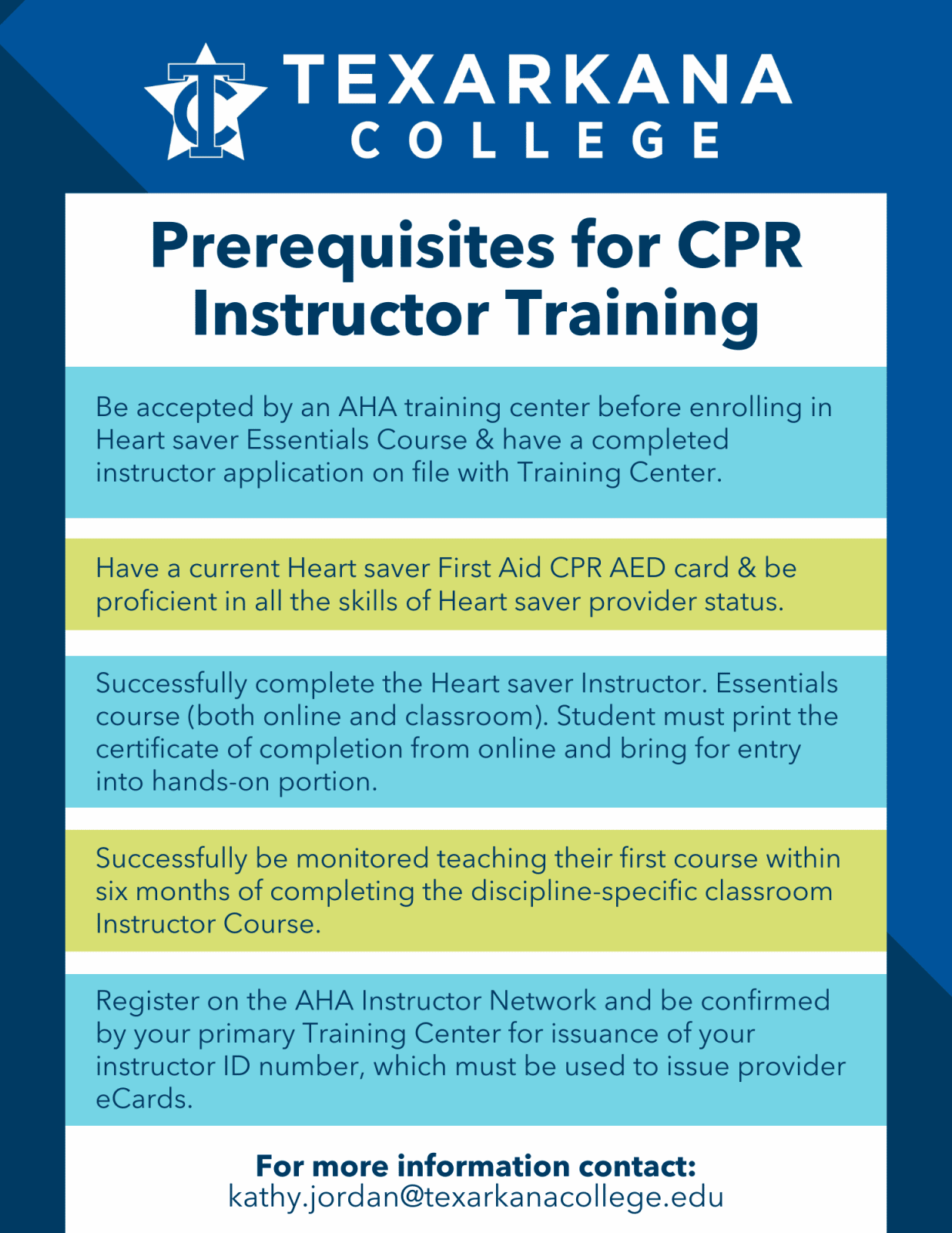
The Prerequisite Puzzle: What You Need Before You Even Start
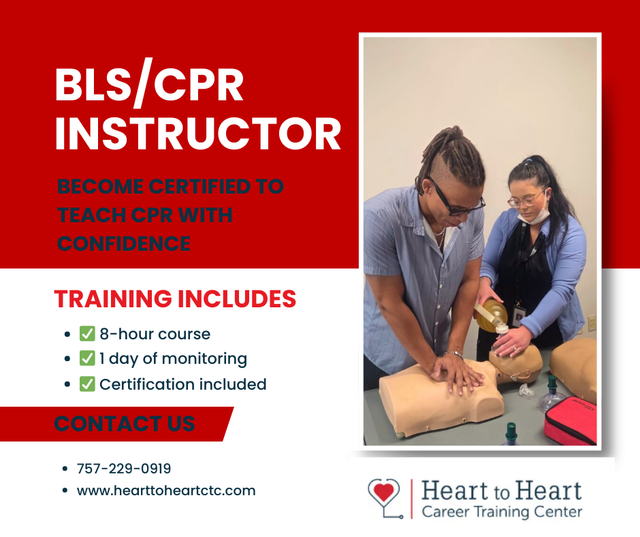
Source : hearttoheartctc.com
Before you even dream of standing in front of a class, there are a few non-negotiables. Think of it as the ‘getting your ducks in a row’ phase. Mess this up, and you’re starting from square one.
Current CPR Provider Status
First off, you need to be currently certified as a CPR provider yourself. This isn’t optional. You can’t teach someone how to swim if you’re afraid of the water, right? This means holding a valid, in-person CPR certification from a recognized agency. Most often, this will be from the American Heart Association itself.
Valid Photo ID and Basic Skills
Yeah, sounds basic, but it’s true. You’ll need a valid photo ID for verification. Beyond that, you should possess solid fundamental CPR and AED skills. This isn’t the time to be shaky on chest compressions or rescue breaths. Confidence in your own abilities is key.
The BLS Requirement for Most Instructors
Now, here’s a big one. For many of the more advanced instructor roles, especially those teaching healthcare professionals, you’ll need a current Basic Life Support (BLS) Provider certification. This is a more intensive course than standard CPR and covers a broader range of emergency scenarios. If your goal is to teach BLS, this is your entry ticket.
The Initial Training: Getting Your AHA Instructor Essentials

Source : cpred.com
Alright, you’ve got your prerequisites sorted. Now comes the actual training. This is where you learn to be a teacher, not just a rescuer.
AHA Instructor Essentials Course
The core of this process is the AHA Instructor Essentials course. This is usually delivered online via the AHA’s eLearning platform. It’s designed to teach you the core competencies of being an AHA instructor: how to use their training materials, how to manage a classroom, how to evaluate students, and how to uphold AHA policies and procedures. It’s Full and covers the ‘why’ behind their methods.
The Disciplined Learning Approach
This isn’t a passive watch-and-click situation. You’ll need to actively engage with the material. Think critical thinking, not just memorization. The goal is to understand the educational principles AHA uses.
Cost and Time Commitment
Expect to invest a bit of money and time. The online course usually has a fee associated with it. As for time, budget several hours to complete it thoroughly. Rushing through it is a recipe for disaster. Get the full details on the AHA instructor page. You can find detailed guidance at this official AHA resource.
The Hands-On Skills Session: Proving Your Mettle
The online course is Key, but it’s only half the battle. You still need to prove you can actually do the skills and teach them.
The In-Person Skills Check
After completing the online portion, you MUST attend an in-person skills session. This is where a certified AHA Instructor Trainer evaluates your practical skills. You’ll demonstrate your proficiency in performing CPR, using an AED, and any other skills relevant to the course you intend to teach.
Teaching Practice and Feedback
This isn’t just about you performing skills. You’ll likely be asked to teach a skill or two to the trainer. They’re looking for your ability to explain clearly, demonstrate correctly, and provide constructive feedback. This is your chance to shine and show you’ve got the teaching chops.
Course Options and Scheduling
These skills sessions are offered by AHA Training Centers. You’ll need to find a local training center and register for a session. Dates and availability can vary, so plan ahead, especially if you have a specific timeline in mind.
Becoming an Official AHA Training Center Faculty (TCF)
Want to take it a step further? Training Center Faculty are the backbone of AHA’s instructor network. They train and mentor new instructors.
The TCF Role Explained
Being a TCF means you’re part of the core leadership at an AHA Training Center. You’re responsible for ensuring quality instruction, managing instructor files, and providing ongoing support to instructors within your center. It’s a leadership position with significant responsibility.
Advanced Training and Requirements
Becoming a TCF requires significant experience as an AHA instructor, a deep understanding of AHA policies, and completion of advanced TCF training. It’s a path for those who are deeply committed to the AHA’s mission and have proven their expertise.
Mentoring New Instructors
A huge part of the TCF role is mentoring. You’ll guide new instructors through their initial certification, help them gain confidence, and Make sure they are adhering to AHA standards. It’s about building a strong, competent network of educators.
Source : cbe.texarkanacollege.edu
The Difference: AHA vs. Other Organizations (Like Red Cross)
It’s worth noting that while the goal is similar, the path differs between organizations. The American Red Cross, for instance, has its own certification process for instructors.
Comparing Instructor Pathways
The American Heart Association focuses heavily on its specific methodologies and healthcare-focused training. The American Red Cross, while also offering Strong training, has a different curriculum structure and instructor development track. Their process involves different courses and requirements, like their instructor training courses. You can explore their offerings at their official site.
Curriculum and Focus
AHA courses often have a strong emphasis on cardiac emergencies and are widely recognized in the medical community. Red Cross programs are also highly respected and cover a broad range of emergency preparedness topics, including First Aid, CPR, and even lifeguarding. Both are excellent, but choose the one that aligns best with your goals and your target audience.
Cost and Accessibility
Pricing for courses and materials can vary significantly between organizations and even between different training centers within the same organization. It’s always wise to shop around and compare the costs associated with becoming an instructor.
Maintaining Your Instructor Status: It’s Not a One-and-Done Deal
Getting certified is a huge accomplishment, but your journey doesn’t end there. You need to keep your skills sharp and your certification current.
Renewal Requirements
AHA instructor certifications have an expiration date. To maintain your status, you’ll need to meet renewal requirements, which typically involve teaching a certain number of classes within a specific timeframe and completing renewal training. Keeping up-to-date is Key.
Monitoring and Quality Assurance
Your local AHA Training Center will monitor your teaching activities. This ensures you’re consistently delivering high-quality training that meets AHA standards. They might conduct periodic class observations or review your student records. It’s about quality control.
Continuing Education
Stay informed! The AHA regularly updates its guidelines and protocols. As an instructor, you’re expected to stay abreast of these changes through mandatory update courses or eLearning modules. This ensures your students are learning the most current, evidence-based techniques.
The Investment: What Does It Cost?
Let’s talk brass tacks. Becoming an instructor involves more than just time. There are financial investments involved.
Course Fees and Materials
Expect fees for the online Instructor Essentials course, the in-person skills session, and potentially for required textbooks or manikins if you plan to teach independently. These costs can add up.
Training Center Alignment Fees
Often, you’ll need to affiliate with an official AHA Training Center. Some centers may charge an affiliation fee or a per-student administrative fee. This helps them support their infrastructure and provide resources.

Source : cprbuddy.com
Equipment Costs (If Applicable)
If you plan to run your own classes independently, you’ll need to invest in training manikins, AED trainers, pocket masks, and other necessary equipment. This can be a significant upfront cost but offers greater flexibility.
Tips for Success: Beyond the Certification
Getting certified is the first hurdle. Thriving as an instructor takes more.
Practice, Practice, Practice
The more you teach, the better you’ll become. Seek opportunities to gain experience. Your confidence and clarity will improve dramatically with each class you lead.
Know Your Audience
Tailor your teaching style and examples to the people in your class. Are they healthcare professionals? Laypeople? Office workers? Adjusting your approach makes the information more relevant and engaging.
Stay Passionate
Remember why you started. Teaching CPR is incredibly rewarding. Your enthusiasm will be infectious and will inspire your students to take the training seriously.
Comparing Instructor Certification Paths
| Feature | American Heart Association (AHA) | American Red Cross |
|---|---|---|
| Primary Focus | Cardiac arrest, BLS, ACLS, PALS (Healthcare-centric) | Full First Aid, CPR, AED, Lifeguarding, Health & Safety |
| Instructor Essentials | Online course + In-person skills check | Varied instructor courses depending on discipline (online/in-person components) |
| Certification Body | American Heart Association | American Red Cross |
| Typical Cost Range | Varies by Training Center ($100 – $300+) | Varies by Course/Region ($100 – $400+) |
| Instructor Trainer Role | Training Center Faculty (TCF) | Instructor Trainer (IT) |
The decision between AHA and other organizations like the Red Cross comes down to your personal goals and the types of classes you want to teach. Both offer valuable certifications that can lead to rewarding teaching opportunities.
Frequently Asked Questions
How to become an AHA CPR instructor?
To become an AHA CPR instructor, you first need to be a current BLS Provider. Then, you’ll complete an online ‘BLS Instructor Essentials’ course. After that, it’s usually a ‘hands-on skills’ session with a Training Center Coordinator, followed by a successful ‘teaching practice’ session. You gotta be good at CPR yourself before you teach it!
How much do CPR instructors get paid per class?
Pay can really vary, but typically CPR instructors might make anywhere from $20 to $50 per hour, or sometimes a flat fee per class. It depends on the organization, your location, and if you’re teaching for a company or independently. Some instructors also charge a fee for providing the CPR certification cards.
How long does it take to become an AHA BLS instructor?
Honestly, it’s pretty quick if you’re motivated. The online ‘Instructor Essentials’ course can take a few hours. The in-person skills check and teaching practice might take another day or so. So, realistically, you could become an AHA BLS instructor in about a week or two, assuming you schedule everything promptly.
What are the prerequisites to becoming an AHA CPR instructor?
Before you can even think about teaching, you absolutely need to be a proficient BLS Provider. This means you’ve already taken and passed a basic BLS course yourself. You’ll also need to demonstrate competency in all the CPR skills you’ll be teaching. It’s all about showing you know your stuff before you get certified to train others.
Can I teach AHA CPR classes independently after getting certified?
Yep, you can! Once you’re a certified AHA instructor, you have a couple of options. You can affiliate with an official American Heart Association Training Center, or if you meet their criteria, you can set up your own Training Center. This gives you the flexibility to host classes wherever and whenever works best for you, but you’ll be responsible for all the logistics and equipment.
