So, you’re thinking about becoming a certified hospice and palliative nurse online? Good for you. It’s not just a job; it’s a calling. And getting that certification online? It’s totally doable, but let’s cut through the noise and get real about what it takes.
Why Go Online for Hospice and Palliative Certification?
Flexibility for the Busy Nurse
Look, most of us aren’t fresh out of school with zero responsibilities. We’ve got lives, families, maybe even second jobs. Online programs offer that sweet, sweet flexibility. Learn on your lunch break, after the kids are asleep, whenever works for you. It’s about fitting education into your life, not the other way around.
Cost-Effectiveness
Let’s be honest, brick-and-mortar schools can drain your bank account faster than you can say “patient care.” Online programs often come with a lower tuition. Plus, you save on commuting, housing, and all those hidden fees. It’s a smart move financially, and that’s something we can all appreciate.
Access to Top Programs Anywhere
Think you have to be in some specific city to get the best training? Think again. The internet blows those geographical barriers wide open. You can access high-quality courses from reputable institutions, no matter where you’re located. It levels the playing field for everyone.
Understanding Hospice vs. Palliative Care
Source : advancingexpertcare.org
Hospice: Comfort at the End
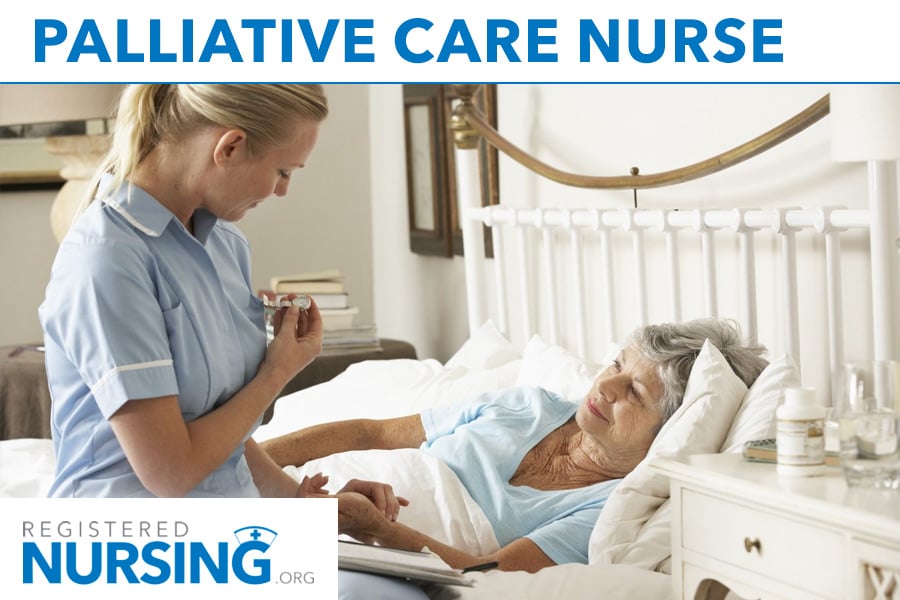
Hospice care is laser-focused on comfort and quality of life when a patient has a prognosis of six months or less to live. It’s about managing symptoms, providing emotional support, and ensuring dignity. It’s a profoundly important service, and nurses in this field are truly special.
Source : registerednursing.org
Palliative Care: A Broader Scope
Palliative care, on the other hand, is a bit broader. It can be provided at any stage of a serious illness, alongside curative treatments. The goal is still to improve quality of life by preventing and relieving suffering, but it’s not limited to the very end of life. Think of it as symptom management plus!
The Nurse’s Role in Both
As a certified nurse, you’ll be at the forefront of delivering this compassionate care. You’re not just administering medication; you’re providing a listening ear, offering support to families, and advocating for the patient’s wishes. It’s a Overall approach that requires a specific skill set.
Steps to Getting Certified Online
Meet Eligibility Requirements
Before you even think about hitting ‘enroll,’ you gotta make sure you qualify. Most programs require you to have a current RN license and a certain amount of clinical experience. Some might also ask for a BSN degree. Check the specific requirements for the certification you’re aiming for.
Choose the Right Online Program
This is huge. Not all online programs are created equal. Look for ones that are accredited, have experienced faculty, and offer Strong curriculum content. Do your homework. Read reviews. Maybe even talk to some nurses who have gone through the program. A good program makes all the difference.
Complete Coursework and Clinical Components
Online doesn’t mean you skip the hard stuff. You’ll still have rigorous coursework covering everything from pain management to ethics. And yes, there’s usually a clinical component. This might involve supervised practice hours or specific case studies. Plan for this time commitment.
Pass the Certification Exam
Once you’ve finished your coursework, you’ll need to pass a national certification exam. The big one here is the Certified Hospice and Palliative Nurse (CHPN) exam. Preparing for this exam is critical. Many programs will help you gear up for it, but ultimately, it’s on you to study and pass.
Source : advancingexpertcare.org
Key Skills for Hospice and Palliative Nurses
Great Communication
You absolutely need to be able to communicate effectively, not just with patients but with their families, doctors, and other healthcare professionals. This isn’t just talking; it’s about active listening and empathy. You’re often delivering difficult news or explaining complex care plans.
Emotional Resilience and Compassion
Let’s face it, this work is emotionally demanding. You’ll see people at their most vulnerable. You need to have a strong sense of emotional resilience to avoid burnout, while still maintaining deep compassion for your patients. It’s a delicate balance.
Strong Assessment Skills
Accurately assessing a patient’s physical, emotional, and spiritual needs is Top. This includes recognizing subtle changes in condition, understanding pain levels, and identifying psychosocial stressors. Sharp assessment skills are non-negotiable.
Handling the CHPN® Certification Exam
Understanding the Exam Format
The CHPN® exam is a multiple-choice test covering various domains of hospice and palliative nursing practice. You’ll be tested on things like patient assessment, care management, ethical issues, and professional communication. Know the structure of the exam inside and out.
Study Resources and Strategies
There are tons of resources available. Look for official study guides, practice questions, and review courses. Many nurses find it helpful to form study groups or use flashcards. Find what works for your learning style and stick with it.
The Importance of Clinical Experience
Real-world experience is your best study buddy. The scenarios presented in the exam are drawn from actual nursing practice. The more hands-on experience you have, the better equipped you’ll be to answer the questions confidently. Don’t underestimate practical application.
Watch: How Do You Become A Certified Hospice Nurse? – Nursing …
Online Platforms and Accreditation Bodies
Reputable Online Course Providers
Many universities now offer online certificate or degree programs geared towards advanced practice in palliative care. Look for programs from well-known universities that have strong nursing departments. Some specialized organizations also offer continuing education courses that can contribute to your knowledge base.
The HPCC Credentialing Body
The gold standard for certification in this field is typically through the Hospice and Palliative Care Credentialing Center (HPCC). They set the standards for eligibility and administer the exams. Always Make sure any program you consider aligns with the requirements set by HPCC. You can find details about the CHPN credential at advancingexpertcare.org.
Accreditation Matters
Make sure any online program you choose is accredited by a recognized agency. This ensures the quality of education you receive. Unaccredited programs might not be taken seriously by employers or credentialing bodies. Accreditation is key to legitimacy.
Making the Transition to Online Learning
Setting Up Your Study Space
You need a dedicated space free from distractions. Whether it’s a corner of your bedroom or a spot at the kitchen table, make it your study zone. Good lighting and a comfortable chair go a long way.
Time Management is Key
Online learning requires discipline. You have to be proactive about scheduling your study time and sticking to deadlines. Create a weekly schedule and block out specific times for coursework. Mastering time management is Needed for success.
Engaging with Online Materials
Don’t just passively read. Participate in discussion forums, engage with video lectures, and actively take notes. Online learning can be just as interactive as in-person classes if you make the effort. Seek out opportunities to connect with your peers and instructors.
Source : advancingexpertcare.org
Post-Certification Career Advancement
Expanded Job Opportunities
Holding a certification like the CHPN® opens doors. Hospitals, hospices, home health agencies, and even research institutions actively seek out nurses with this specialized credential. It signals a commitment to excellence in palliative care.
Potential for Higher Salaries
While not guaranteed, specialized certifications often correlate with higher earning potential. Employers recognize the advanced knowledge and skills required, and this can translate into a better salary and benefits package. It’s an investment in your career.
Leadership and Specialization Roles
With certification, you might find yourself eligible for leadership roles, educator positions, or opportunities to specialize further within hospice and palliative care. It’s a stepping stone to becoming an expert in your field and influencing patient care on a larger scale.
| Feature | Hospice Care | Palliative Care |
|---|---|---|
| Primary Goal | Maximize quality of life, comfort, dignity for patients with limited life expectancy. | Improve quality of life by preventing and relieving suffering at any stage of illness. |
| Eligibility | Typically when prognosis is 6 months or less if illness runs its natural course. | Can be provided at any age and any stage of a serious illness, alongside curative treatments. |
| Treatment Focus | Focus on comfort, symptom management, pain relief. Curative treatments usually stopped. | Focus on symptom management, pain relief, psychosocial support. Can be concurrent with curative treatments. |
| Setting | Can be provided at home, in hospice facilities, hospitals, or nursing homes. | Often provided in hospitals, clinics, specialized centers, or through home health services. |
Frequently Asked Questions
How long does it take to become a certified hospice nurse?
Because it varies, man. Some folks nail it in a year or so, others take longer depending on their experience and the specific certification body. But generally, you’re looking at continuing education and maybe a bit of practice time before you can sit for the exam. It’s not usually a super long haul though.
How to get certified in hospice and palliative care?
So, you gotta get your ducks in a row first. Usually, that means having an RN license and some experience in the field. Then, you’ll likely need to complete a specific hospice nursing program or coursework. After that, you register for and pass a certification exam from a recognized organization. It’s all about proving you’ve got the chops.
What are the prerequisites for online hospice nursing certification?
Generally, you’ll need an active RN license. Some programs might ask for a certain amount of clinical experience, often in areas like medical-surgical nursing or end-of-life care. But the coolest part is, many online courses are designed to fit around your busy schedule.
Is online hospice nurse certification respected by employers?
Totally! Employers are increasingly recognizing the value of online education, especially for specialized fields like hospice and palliative care. Having that certification, whether earned online or in person, shows you’re serious and have met specific standards for end-of-life care.
Can I work as a hospice nurse immediately after completing an online course?
Not quite. The online course usually gets you ready for the big test. You’ll still need to pass the official certification exam offered by a credentialing body. Think of the course as your prep school – Needed, but the exam is the graduation.
