So, you’re thinking about becoming a Certified Diabetes Educator (CDE)? That’s a pretty awesome goal. It’s not just a piece of paper; it’s about empowering people to take control of their health. Seriously, changing lives? That’s the real deal.
It’s a path that demands dedication, sure, but the rewards are immeasurable. Forget fancy titles for a sec. Think about the faces of those you’ll help, finally understanding how to manage their diabetes. That’s why this certification matters.
What Exactly Is a Certified Diabetes Educator?
Alright, let’s cut to the chase. A CDE isn’t just someone who hands out pamphlets. They are the navigators, the coaches, the absolute rock stars for individuals living with diabetes. They blend medical know-how with a hefty dose of empathy and practical advice.
The Daily Grind (The Good Kind)
This: you’re working with a patient who’s been struggling with blood sugar spikes for years. You sit down, really listen, and together you map out a plan. Maybe it’s tweaking their diet, finding a physical activity they actually enjoy, or figuring out medication timing. It’s hands-on, personal stuff.
Beyond the Basics: A Overall Approach
It’s never just about the numbers, is it? A good CDE understands the mental and emotional toll diabetes can take. We’re talking stress, anxiety, even depression. Your role involves addressing the whole person, not just their A1C. That’s a huge part of the CDE role.
Collaboration is Key
You won’t be working in a vacuum. Oh no. You’ll be part of a healthcare team, linking arms with doctors, dietitians, nurses, and pharmacists. It’s this teamwork that really makes a difference for the patient. Everyone brings their own slice of expertise to the table.
Why Pursue CDE Certification? The Real Payoff
Source : cdecb.ca
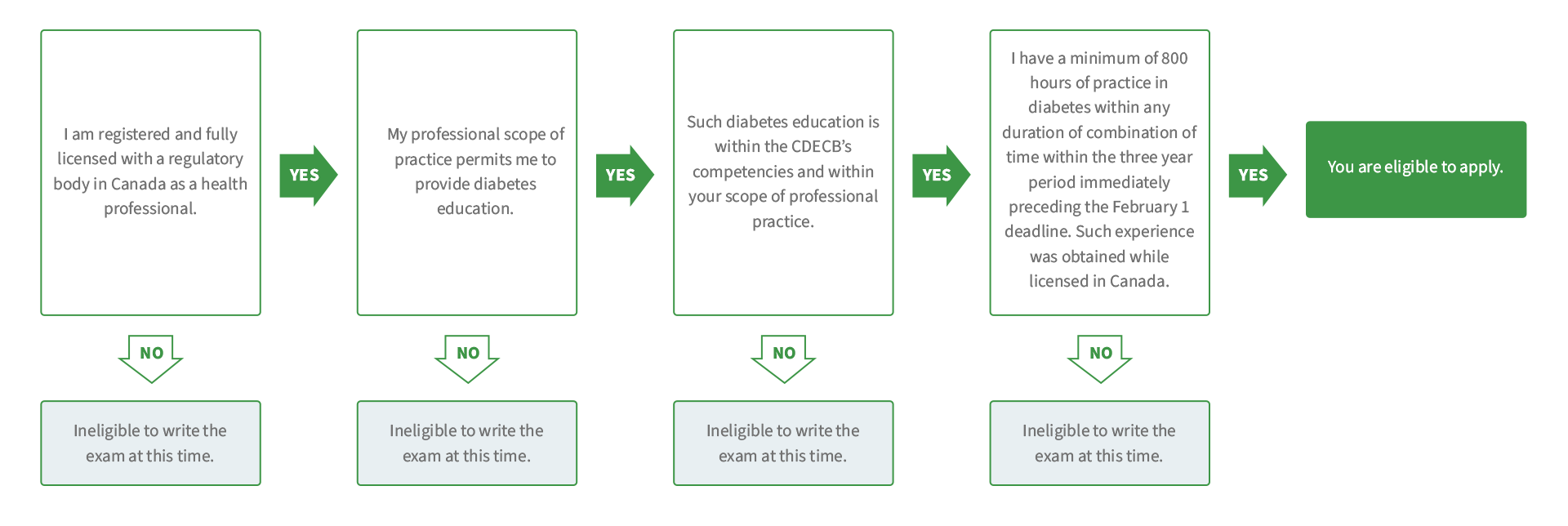
Let’s be brutally honest. Getting certified takes work. A lot of it. You’ve got to meet specific eligibility requirements, pass a tough exam, and keep up with continuing education. So, why bother? Because you become a certified expert. A go-to person.
Becoming the Go-To Expert
This certification signals to patients, employers, and other healthcare professionals that you’ve met rigorous standards. It’s not just a fancy badge; it signifies a deep understanding and commitment to diabetes care. You’re not just a healthcare provider; you’re the diabetes care provider.
Empowering Patients, Changing Lives
This is the heart of it all. Imagine helping someone understand carb counting for the first time, or witnessing their sheer relief when they finally get the hang of insulin injections. You’re giving people the tools and confidence to live healthier, fuller lives. It’s incredibly powerful stuff, making a tangible difference daily.
Career Advancement and Recognition
Let’s not ignore the practical side. Being a CDE opens doors. It can lead to better job opportunities, higher salaries, and increased respect within your field. Healthcare settings actively seek out these specialized skills. It’s a smart move for your professional trajectory.
The Foundation: Understanding Diabetes Itself

Source : youtube.com
Before you even think about the certification hoops, you need a solid grasp of diabetes. It’s a complex beast with different types, various complications, and a whole spectrum of management strategies. You can’t teach what you don’t truly understand, right?
Types of Diabetes: It’s Not One-Size-Fits-All
You’ve got Type 1, Type 2, gestational diabetes, and others. Each has its own unique pathophysiology, treatment protocols, and patient considerations. Understanding these distinctions is non-negotiable. It’s the bedrock of effective diabetes education. Knowing the differences is Key.
Complications: The Scary Stuff (and How to Prevent It)
Diabetes can wreak havoc if left unchecked. We’re talking heart disease, kidney failure, nerve damage, vision loss. A huge part of your job as a CDE is educating patients on how to prevent or delay these devastating long-term complications. Prevention is always better than cure, after all.
Treatment Modalities: A Diverse Toolkit
From lifestyle changes (diet and exercise) to oral medications and various types of insulin, the treatment Field is vast. You need to be fluent in all of it. Knowing when to use which tool, and how to teach patients to use them safely and effectively, is Top. This forms the core knowledge base.
Laying the Groundwork: Educational and Professional Prerequisites
Source : cbdce.org
Okay, so you’re passionate and you’ve got the diabetes knowledge down pat. But there are formal requirements, my friend. These aren’t suggestions; they’re the gatekeepers. You’ve got to meet certain educational standards and have relevant professional experience. Think of it as building your credentials.
Academic Requirements: The Degree Matters
Generally, you’ll need a degree from an accredited institution. This often means a bachelor’s degree in nursing, dietetics, health education, or a related health science field. Some pathways might accept a master’s or doctoral degree. It all boils down to having that formal academic grounding. Your degree is the first hurdle.
Professional Experience: Getting Your Hands Dirty
This isn’t an entry-level certification. You’ll need a minimum number of hours of professional experience working directly with individuals with diabetes. The exact number can vary, but it’s Large. This hands-on experience is where theory meets reality. It shows you can actually apply your knowledge.
The Credentialing Body: Who’s Calling the Shots?
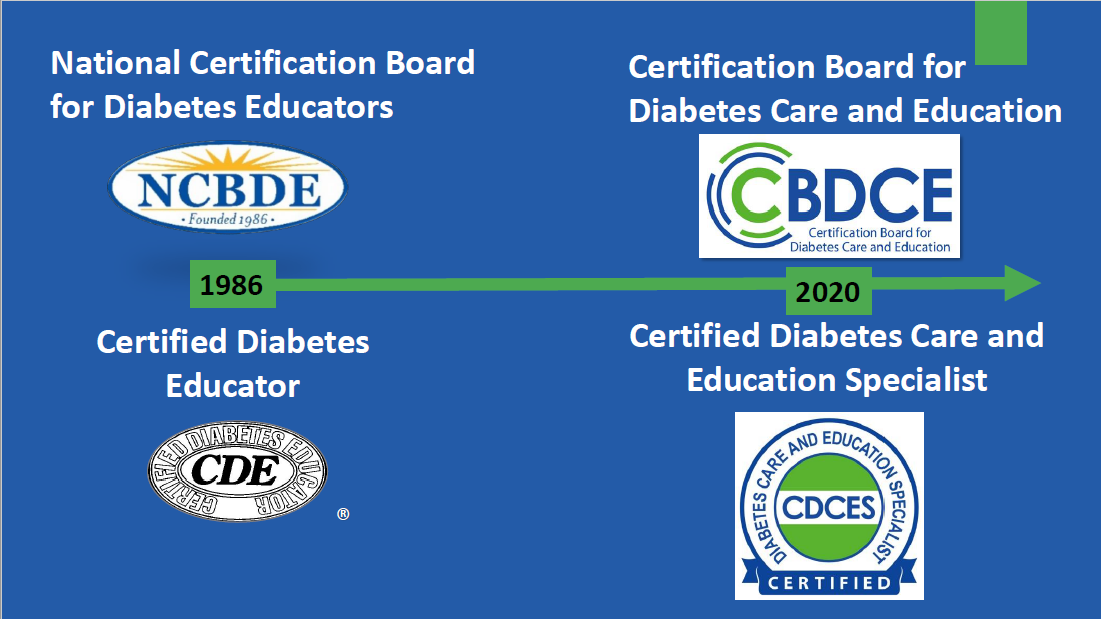
In the United States, the primary organization for this certification is the Certification Board for Diabetes Care and Education Specialists (CBDCE). They set the standards, manage the application process, and administer the exam. Familiarizing yourself with their website, especially the `eligibility` criteria, is absolutely Needed before you even start dreaming about the test. They are the ultimate authority on who gets certified.
Handling the Eligibility Maze: Are You Qualified?
Source : diabetesed.net
This is where things get specific. The CBDCE has a detailed checklist. You can’t just wing it. You need to meticulously document your education and experience to prove you meet their rigorous standards. Don’t gloss over this step; it’s critical.
Education Pathways: Degrees and Disciplines
A relevant degree is step one. The CBDCE outlines precisely which health professions and academic backgrounds are accepted. It’s not a free-for-all; they want to Make sure a baseline of health literacy and clinical understanding. Check their official list to confirm your academic path is valid.
Practice Hours: Real-World Application
The number of practice hours required is significant. You need to demonstrate that you’ve spent considerable time providing diabetes self-management education and support. This isn’t just incidental; it needs to be a core part of your professional role. Documenting these hours accurately is key to your application success.
The Application Itself: Attention to Detail is Everything
Submitting your application is a Careful process. You’ll need transcripts, verification of employment and roles, and detailed descriptions of your experience. Any errors or omissions can lead to delays or even rejection. Get organized early and proofread everything. It’s a formal process, and details matter.
So, you’re thinking about diving into the world of diabetes education? Awesome. It’s not just a job; it’s a calling for folks who genuinely want to make a difference. But let’s cut to the chase: how do you actually get there? We’re talking about becoming a Certified Diabetes Care and Education Specialist (CDCES). This ain’t a walk in the park, but it’s totally doable if you’ve got the drive.
How To Become A Certified Diabetes Care And Education Specialist
Source : diabetesed.net
Okay, first things first. The big kahuna is the CDCES certification. It’s the gold standard, proving you know your stuff when it comes to helping people manage diabetes. It’s not something you just wake up and decide to do; there’s a process, a serious one.
Watch: How to Become a Certified Diabetes Care and Education …
The Journey to CDCES Credentialing
This credential, the CDCES, isn’t handed out like candy. It’s earned. You’ve got to prove your knowledge and your experience. Think of it as leveling up in a game, but the prize is helping real people live healthier lives. It requires dedication and a solid understanding of diabetes management strategies. The National Certification Board for Diabetes Educators (NCBDE) is the gatekeeper here. They set the bar high, and rightfully so. They want to Make sure that anyone holding this certification is truly equipped.
Defining Your Role as a Diabetes Educator
What does a diabetes educator even do? Loads. You’re part counselor, part teacher, part cheerleader. You’re there to help patients navigate the complex world of blood sugar monitoring, medication, nutrition, exercise, and the emotional rollercoaster that often comes with a diabetes diagnosis. It’s about empowering individuals with the knowledge and skills they need to take control of their health. You’re not just giving advice; you’re building confidence.
Understanding the Scope of Practice
The scope is broad. You’ll be working with a diverse group of people, from newly diagnosed youngsters to seasoned adults. Each person has unique needs, challenges, and goals. Your role involves assessing their individual situations and tailoring education plans accordingly. It’s a highly personalized approach that makes all the difference. This isn’t a one-size-fits-all situation. You adapt, you learn, you guide.
Handling the Professional Field
The professional Field for diabetes educators is growing. With the increasing prevalence of diabetes, the demand for skilled professionals is sky-high. You can find these roles in hospitals, clinics, community health centers, and even private practices. Some educators even work for pharmaceutical companies or develop educational materials. It’s a field ripe with opportunity for those passionate about patient care and education.
Requirements To Become A Certified Diabetes Educator As An Rn

Source : amazon.com
Alright, if you’re a Registered Nurse (RN), you’ve already got a leg up. Your nursing background is a huge asset. But being an RN alone doesn’t automatically make you a CDCES. There are specific hoops to jump through. Let’s break down what a nurse needs to know and do.
The Clinical Experience Factor for RNs
This is huge. The NCBDE requires a certain amount of professional experience related to diabetes care and education. For RNs, this often means accumulating a minimum number of hours where you were directly involved in providing diabetes self-management education and support (DSMES). Think about the nurses I know who work on diabetes units or in endocrinology clinics; they’re racking up this experience daily. It’s not just about being present; it’s about actively participating and learning.
Education and Continuing Professional Development
Beyond your initial nursing degree, you’ll need to keep learning. The CDCES requires a certain number of continuing education hours focused on diabetes and related topics. This shows you’re staying current with the latest research, treatments, and best practices. It’s a commitment to lifelong learning, which is Needed in healthcare. You can’t afford to get stagnant.
The Core Knowledge Domains of Diabetes Education
The exam itself covers a broad range of topics. You’ll need to be solid on medical nutrition therapy, physical activity, behavior change, medication management (including insulin), psychosocial issues, and complication prevention. It’s a Full understanding that goes beyond just basic nursing principles. It’s deep, detailed knowledge.
Applying for the CDCES Examination
Once you meet the eligibility criteria – the experience, the education hours – you can apply to sit for the exam. This application process is rigorous. You’ll need to document your experience and education accurately. Get this wrong, and you’re back to square one. Double-check everything. Seriously.
How Much Does A Certified Diabetes Educator Make
![[e-Book] ADCES Certification Review Guide | 6th Edition | 475+ Practice Questions](http://diabetesedstore.net/cdn/shop/files/E-Book_Review_Guide.png?v=1728413985)
Source : diabetesedstore.net
Let’s talk brass tacks. Money matters. What can you expect to earn as a CDCES? The short answer: it varies. A lot. But generally, it’s a respectable salary, especially considering the specialized skills you bring to the table.
Factors Influencing CDCES Salary
Location is a big one. Are you in a high cost-of-living city where demand is through the roof? Or a more rural area? Also, your employer plays a role. Hospitals often pay differently than community clinics or private practices. And don’t forget your years of experience and specific qualifications. A seasoned educator with a Master’s degree will likely command a higher salary than someone just starting out.
Average Salary Ranges Nationally
Based on various reports (and trust me, I’ve seen plenty), the average salary for a CDCES can range anywhere from $60,000 to over $90,000 annually. Some sources even put the higher end closer to $100,000 for highly experienced professionals in specialized roles. It’s a solid living, no doubt.
Salary Comparison: RN vs. CDCES RN
Here’s where it gets interesting. While an RN salary can vary widely, adding the CDCES credential often translates to a bump in pay. It signifies advanced expertise and specialized knowledge. Think of it as an investment that pays off. You’re not just an RN anymore; you’re a recognized expert in a critical health field.
Potential for Advancement and Increased Earnings
The earning potential doesn’t stop at the base salary. As you gain more experience, you can move into roles like program management, director positions, or even consulting. These advanced roles typically come with significantly higher compensation. Plus, many CDCESs also earn extra income through speaking engagements, writing, or developing educational materials. It’s a career with growth potential.
| Experience Level | Average Salary Range (USD) | Notes |
|---|---|---|
| Entry-Level (0-3 years) | $60,000 – $75,000 | Often in smaller clinics or entry-level hospital positions. |
| Mid-Level (3-7 years) | $75,000 – $88,000 | Increased responsibility, potential for specialization. |
| Senior-Level (7+ years) | $88,000 – $100,000+ | Management roles, lead educator positions, consulting. |
| Specialized Roles | $90,000 – $115,000+ | e.g., Clinical Research, Program Director, Corporate Educator. |
Cdces Exam Study Guide And Certification Requirements
Source : cbdce.org
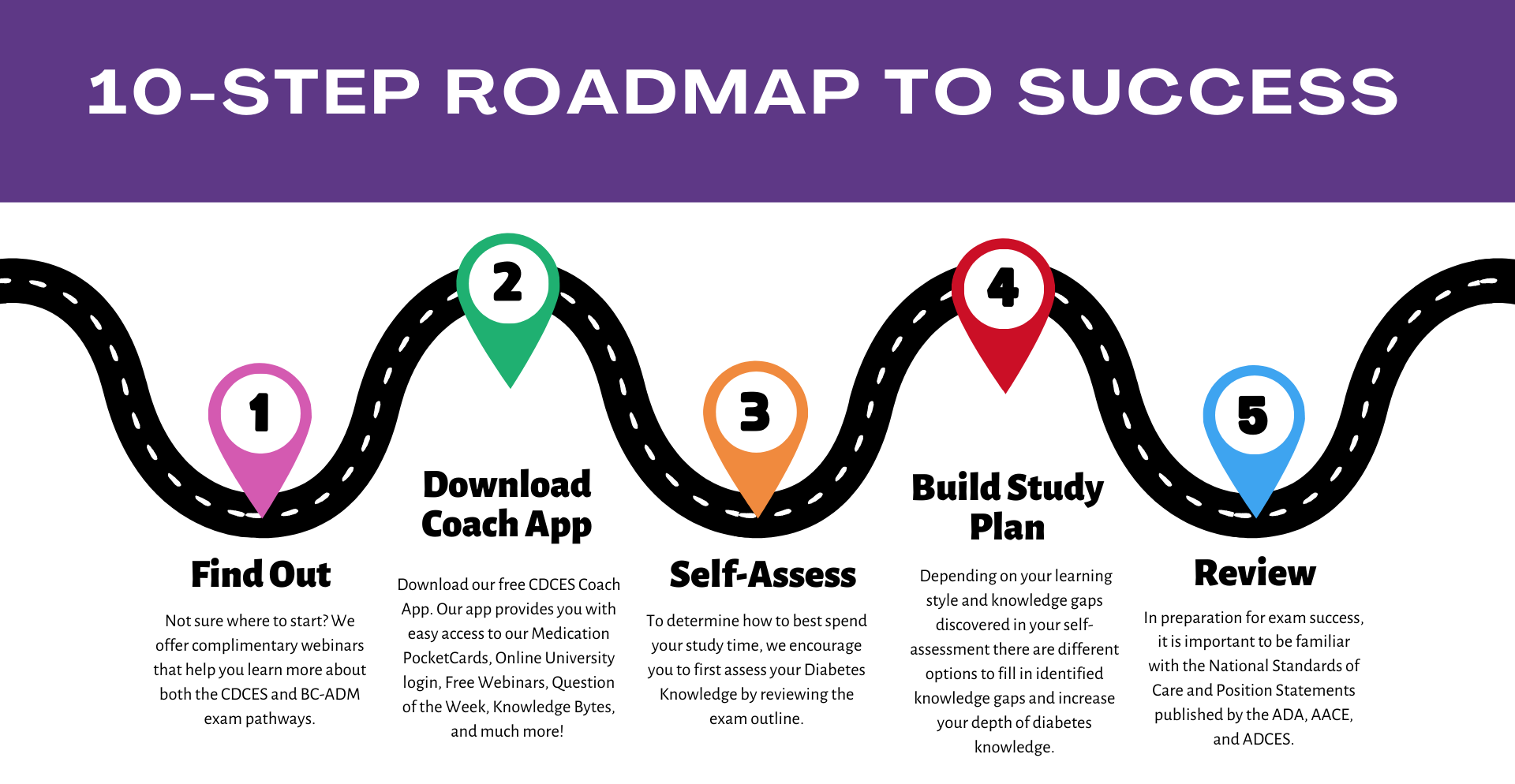
Cracking the CDCES exam requires preparation. It’s not a test you can wing. You need a solid study plan and a clear understanding of what the NCBDE is looking for. Think of it as your roadmap to success.
Key Components of the CDCES Exam Blueprint
The NCBDE provides an official Exam Blueprint. This document is your bible. It outlines the content areas, the percentage of questions dedicated to each area, and the types of knowledge tested. You absolutely must familiarize yourself with this. Ignoring it is like trying to navigate without a map.
Recommended Study Resources and Materials
There are tons of resources out there. You’ve got official study guides from the NCBDE, review courses (both online and in-person), practice exams, and textbooks. My advice? Mix it up. Use a variety of sources to get different perspectives and reinforce your learning. Don’t rely on just one book. The more angles you attack it from, the better. Consider joining online forums or study groups too.
Eligibility Criteria: A Deeper Look
Let’s reiterate the core requirements. You need a current, valid license to practice independently (like an RN, RD, Pharmacist, etc.). Then, you need documented professional practice experience, usually at least 1,000 hours within the last year, providing diabetes self-management education and support. Finally, you need continuing education hours – typically 75 hours in diabetes education and related topics within a three-year period. These are non-negotiable.
The Application and Examination Process
Once you’ve got all your ducks in a row, you submit your application to the NCBDE. They review it carefully. If approved, you’ll get authorization to schedule your exam at a testing center. The exam is computer-based and typically consists of around 175 multiple-choice questions. You’ve got a time limit, so pacing is key. Practice, practice, practice.
How To Become A Certified Diabetes Educator Without A Nursing Degree

Source : amazon.com
Think being a CDCES is only for nurses? Think again. While nursing is a common pathway, it’s not the only one. Many other healthcare professionals can achieve this esteemed certification.
Alternative Professional Licenses and Pathways
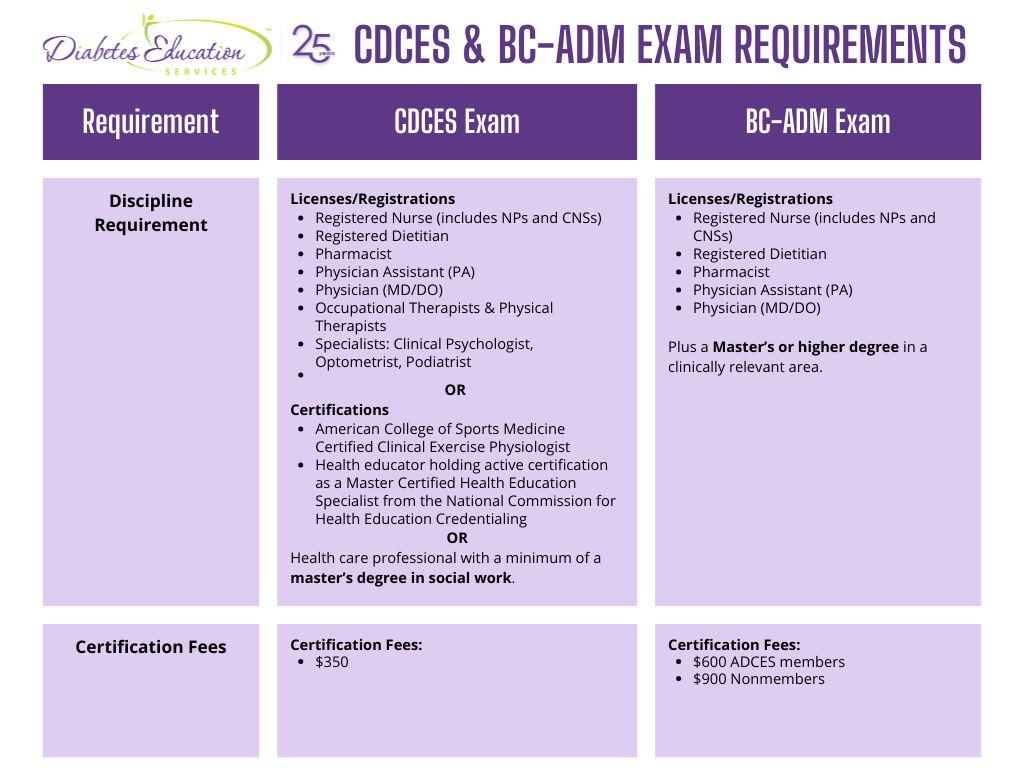
The NCBDE recognizes several professional disciplines. Besides RNs, registered dietitians (RDs), pharmacists, physician assistants, social workers, and even some psychologists can qualify, provided they meet the specific experience and education requirements. The key is having a license that allows independent practice and a solid background in diabetes care.
The Key Role of Dietitians (RDs)
Registered Dietitians are prime candidates for CDCES certification. Their expertise in nutrition is fundamental to diabetes management. An RD who focuses on diabetes education easily accumulates the necessary experience and often has a strong educational foundation already in place. They are natural fits for this role.
Experience Requirements for Non-Nursing Professionals
Just like for nurses, the experience requirement is Top for any professional seeking CDCES certification. You must demonstrate Large, hands-on involvement in providing diabetes education. This isn’t about just seeing patients; it’s about actively teaching, counseling, and supporting them in their self-management journey. Quantify your impact.
Leveraging Other Healthcare Disciplines
Don’t underestimate the value of your unique background. A pharmacist brings deep knowledge of medications. A social worker understands the psychosocial impacts and community resources. A psychologist offers expertise in behavior change and mental health. These diverse perspectives enrich the diabetes care team and are highly valued by the NCBDE. Your specific skill set can make you an Great educator.
Frequently Asked Questions
How long does it take to be a diabetes educator?
Man, it varies like crazy. You’re looking at anywhere from a couple of years to over five. It really depends on your background, what education you already have, and how fast you can rack up the required experience hours. Some folks jump in right after nursing school, others come from a dietetics background years down the line. It’s not a one-size-fits-all track, that’s for sure.
What qualifications do I need to be a diabetes educator?
Okay, so you need a specific healthcare background – think registered nurse, registered dietitian, pharmacist, or similar. Then, you gotta have logged a certain number of practice hours directly involved with diabetes education. Plus, you need to pass a pretty rigorous exam administered by the National Commission for Health Education Credentialing (NCHEC), or the American Association of Diabetes Educators (AADE) depending on the certification you’re chasing. Don’t forget the continuing education credits needed to keep it.
Who can become a certified diabetes educator?
Basically, anyone with a qualifying healthcare professional degree and the necessary experience. So, doctors, nurses (RNs, LPNs), dietitians, pharmacists, physician assistants, physical therapists, and even social workers with the right background can pursue certification. It’s not just for one type of medical pro. You just need that core credential and the hands-on experience in diabetes care.
Are diabetes educator credentials make more money?
Generally, yes. Holding a certified diabetes educator credential often bumps up your earning potential. Hospitals and clinics see it as a specialized skill. It shows you’ve got the chops beyond basic patient care. It’s not like you’ll be buying a yacht tomorrow, but it’s a solid way to increase your salary and job prospects in a growing field.
Do I need a specific degree to start?
Not necessarily a diabetes-specific degree right out of the gate. Most start with a foundational degree in a health-related field, like nursing (BSN or ADN), dietetics (BS or MS), or pharmacy. The key is that it’s a recognized healthcare profession. You build your diabetes expertise through work experience and continuing education after you have that base degree. It’s more about the professional pathway than a single specialized degree.
