Forget those dusty bingo halls and the smell of mothballs. The senior fitness scene? It’s absolutely exploding. Think vibrant energy, people pushing their limits, and a genuine desire to stay healthy and engaged. And you? You could be right in the thick of it, leading the charge.
But how do you actually get there? It’s not just about shouting louder at folks who can’t hear you. It’s about skill. It’s about knowledge. It’s about being the certified pro that makes a real difference.
Why Seniors Need Group Exercise (Seriously, It’s More Than Just Cardio)
Look, we all age. It’s a fact of life. But how we age? That’s something we can influence. And for our older generation, staying active isn’t just about vanity; it’s about maintaining independence. It’s about quality of life.
The Social Connection is HUGE
Let’s be honest. Sometimes, as people get older, they get… lonely. Isolation is a silent killer, right? Group exercise classes offer a lifeline. It’s a chance to laugh, to chat, to feel part of something bigger than themselves. A simple group fitness class can combat that creeping loneliness.
I remember talking to Mrs. Henderson, a sweet lady in her late 80s. She started coming to my gentle yoga class just to get out of the house. Now? She’s leading the stretch circle and swapping recipes with Carol from water aerobics. It’s transformed her week.
Boosting Physical Functionality
This is where the real meat is. We’re talking about improving balance to prevent nasty falls. Strengthening muscles so they can get up from a chair without a struggle. Enhancing flexibility so they can reach that top shelf. It’s about keeping them mobile and self-sufficient.
These aren’t trivial things. Being able to bend down and tie your own shoes? Priceless. Being able to carry your own groceries? Needed. Senior group exercise directly impacts these daily victories.
Cognitive Benefits? You Bet.
It’s not just the body that benefits. Movement stimulates the brain. Learning new routines, coordinating movements, even just the social interaction itself – it all keeps those neural pathways firing. It’s like a brain workout disguised as fun.
Studies have shown links between regular physical activity and a reduced risk of cognitive decline. So, while they’re getting their steps in, they’re also sharpening their minds. Pretty neat, huh?
Breaking Down the Certification Journey

Source : issaonline.com
So, you’re convinced. You want to be the one leading these amazing sessions. Great! But where do you start? It’s not like you can just walk into a gym and declare yourself the “Senior Zumba Queen.” Nope. You need credentials.
What Exactly IS a Certification?
Think of it as your golden ticket. It proves you’ve got the knowledge, the skills, and the understanding to safely and effectively lead a group of older adults. It tells employers (and participants!) that you’re the real deal, not some fly-by-night instructor.
It’s a formal recognition that you’ve passed a standardized curriculum. This typically involves understanding anatomy, physiology, exercise modifications, and specialized training techniques relevant to the senior population.
Why NOT Just Wing It?
Seriously, why would you risk it? The senior population has unique physiological considerations. What’s safe for a 20-year-old could be dangerous for an 80-year-old. You need to know about pre-existing conditions, joint health, medication interactions, and appropriate intensity levels.
Winging it is a recipe for disaster. You could cause injury, or worse. A proper certification ensures you’re equipped to handle the nuances. It’s about responsible instruction.
The Different Paths You Can Take
It’s not a one-size-fits-all situation. You can go for a broad group fitness certification and then add a senior specialization. Or, you can find programs specifically designed for older adults from the get-go. It all depends on your career goals and what resonates with you.
Some certifications focus heavily on the theory, while others are more hands-on. My advice? Look for a program that offers a good mix. You need both the book smarts and the practical application.
Choosing the Right Certification Body

Source : issaonline.com
This is where the rubber meets the road. There are a ton of organizations out there offering certifications. How do you pick the one that’s actually worth your time and money? It’s Key to do your homework here.
Reputation Matters
You want to Match yourself with an organization that’s respected in the industry. Think about which ones gyms and community centers typically recognize. A certification from a well-known provider opens more doors. It’s a trusted credential.
Look for organizations that have been around for a while and have a solid track record. Are they accredited by recognized bodies? That’s a big one.
Curriculum Depth and Focus
Does the program actually cover what you need to know? For seniors, this means looking for content on:
- Balance and fall prevention strategies.
- Modifications for common age-related conditions (arthritis, osteoporosis, heart disease).
- Adapting exercises for varying mobility levels.
- Understanding the psychosocial aspects of aging and exercise.
- Principles of safe and effective group exercise leadership.
Some programs might be too general. You need that specialized senior fitness knowledge.
Format: Online vs. In-Person
This is a big decision. Online courses offer flexibility. You can study at your own pace, in your own time. Perfect for those juggling jobs or family commitments. You can often find great programs like the NASM Senior Fitness Specialization online.
However, in-person workshops provide Crucial hands-on experience. You get immediate feedback from instructors, practice cueing in real-time, and connect with other future instructors. Some people just learn better that way. Check out options like the NETA Senior Fitness Certification for potentially in-person components.
The best format is the one that allows you to learn most effectively and truly master the material. Don’t just pick the easiest route; pick the one that makes you the most competent.
Cost and Value
Certifications range in price. Some are a few hundred bucks, others can be a significant investment. Consider what you get for your money. Does it include study materials? Practice exams? Exam fees? Retake fees?
Don’t just go for the cheapest option. Think about the long-term value. A more Full, reputable certification might cost more upfront but could lead to better job opportunities and a stronger foundation for your career. You’re investing in your professional development.
Key Skills for a Senior Group Exercise Instructor

Source : acefitness.org
Beyond the certificate hanging on your wall, what makes you truly good at this? It’s a blend of technical skill and genuine human connection. You’re not just a fitness instructor; you’re a motivator, a coach, and sometimes, even a friend.
Great Communication
More than just being loud. It’s about clear, concise instructions. It’s about active listening. It’s about empathy. You need to be able to explain complex movements in simple terms. And you need to be able to read the room – know when someone is struggling or needs encouragement.
Use positive reinforcement. Make eye contact. Speak directly to individuals, not just at the group. Effective communication is Top.
Adaptability and Modifications
Every single person in your class will have different abilities and limitations. One size absolutely does not fit all. You need to be a master of modifications. Can’t do a full squat? Let’s do a chair squat. Knee pain? We’ll adapt. This is where your certification knowledge shines.
Always have a few regressions and progressions ready for every exercise. Be observant. Watch your participants. Offer alternatives before they even ask.
Patience and Encouragement
Progress might be slower with seniors. They might forget routines. They might need more repetition. Patience isn’t just a virtue here; it’s a requirement. Celebrate the small victories. Did someone improve their balance by an inch? Awesome! Acknowledge it.
Your job is to build confidence, not to push people past their limits. Your positive attitude can be incredibly infectious.
Safety First, Always
This cannot be stressed enough. Your primary responsibility is the safety and well-being of your participants. This means knowing how to spot potential hazards in the room. It means understanding contraindications for certain exercises. It means knowing when to say “stop.
Proper warm-ups and cool-downs are non-negotiable. Creating a secure exercise environment is job number one. Always.
How To Become Certified In Group Exercise For Seniors Online
Source : afaa.com
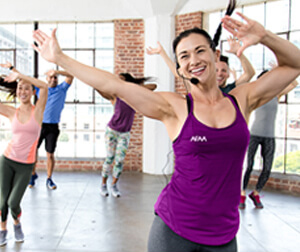
Alright, let’s talk about getting certified for working with older adults, but doing it from your couch. Online learning? It’s become a total lifesaver for so many, and frankly, for teaching senior fitness, it’s often the most practical way to get your foot in the door. No more driving across town for a weekend workshop, right?
Watch: Become a fitness instructor for older adults
Convenience of Online Senior Fitness Certifications
The sheer convenience is undeniable. You can tackle the coursework on your own schedule, fitting it in between life’s other demands. Think about it: no need to book flights or hotel rooms. You’re learning from the comfort of your own home, probably in your comfiest sweats. This accessibility means more people can pursue this rewarding career path without major logistical hurdles. It truly democratizes the process of gaining specialized knowledge.
Comparing Online vs. In-Person Certification Experiences
Now, is it exactly the same as being in a room full of people? Not quite. You miss some of that immediate, hands-on feedback you get from an in-person instructor. However, many online programs have upped their game. They include video demonstrations, live Q&A sessions, and even virtual practical assessments. The key is finding a reputable program that offers a Strong learning experience, not just a PDF manual and a quiz.
What to Look For in an Online Program
You need to be savvy here. Don’t just grab the cheapest option. Look for certifications that are accredited by recognized industry bodies. That’s non-negotiable. Also, check the curriculum – does it cover modifications for common senior conditions like arthritis or osteoporosis? Does it discuss how to create engaging and safe routines specifically for older adults? A good online program will feel thorough, not rushed.
The Role of Virtual Practical Components
Many top-tier online programs now incorporate virtual practical components. This might involve submitting videos of yourself demonstrating exercises or even leading a mock class via video conference. It’s their way of ensuring you can actually apply what you’ve learned. It bridges the gap between theory and practice, giving you confidence before you step in front of a real group.
Best Senior Fitness Certification Programs For Personal Trainers
Source : personaltrainercertification.us
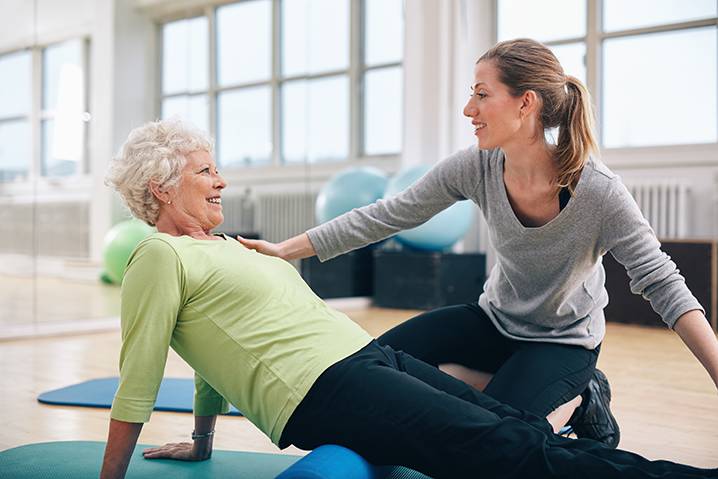
So, you’re a personal trainer, maybe you’ve got your general cert, but you want to specialize. Good move. The senior population is huge and underserved. Getting a specific certification in senior fitness makes you way more valuable, not just to clients, but to gyms and community centers too. It shows you’re serious about this demographic.
Top Certifications for Trainers Focusing on Seniors
When you’re looking at programs, you want something that’s respected and Full. Certifications from organizations like the National Academy of Sports Medicine (NASM) and the American Council on Exercise (ACE) are solid choices. They usually offer specialized courses or certifications focused specifically on older adult training. These aren’t just weekend seminars; they’re in-depth studies.
Understanding Program Curriculums and Focus Areas
What makes a program “best”? It’s the curriculum. Does it deep dive into the physiological changes associated with aging? How about common health conditions and their implications for exercise? A great program will also emphasize exercise modifications, contraindications, and how to build rapport with older adults. You’re not just learning exercises; you’re learning how to safely and effectively guide a specific population.
Integrating Senior Fitness into Your Existing Training Business
If you’re already running your own training business, adding a senior fitness specialization is a no-brainer. It opens up a whole new client base. You can market yourself as the go-to trainer for active seniors in your area. Think about local retirement communities or senior centers – they often need qualified instructors. It’s a smart business move.
The Value of Specialized Knowledge in a Growing Market
Honestly, this market is only going to grow. As the baby boomer generation ages, the demand for qualified professionals who understand their unique needs will skyrocket. Having a certification that proves your expertise in senior group exercise gives you a significant edge. It positions you as an expert, not just a generalist.
Afaa And Ace Senior Fitness Certification Cost
Source : acefitness.org
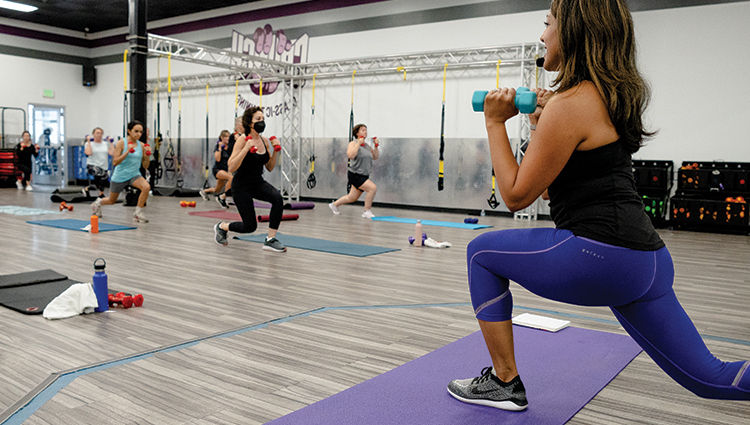
Let’s cut to the chase: how much is this going to set you back? Prices can vary, and frankly, it’s an investment. But you’ve got to weigh that against the potential earnings and the fulfillment you get from working with this population. Don’t be scared off by a number; look at the value.
Understanding the Investment in ACE Senior Fitness Certification
The American Council on Exercise (ACE) offers a Strong Senior Fitness Specialist certification. Their pricing can fluctuate a bit depending on current promotions or package deals they offer. Generally, you’re looking at a few hundred dollars for the core materials and exam. They often bundle it with other resources, making it a Full package. It’s a solid, recognized certification, and that carries weight.
Exploring the Cost of the AFAA Senior Fitness Specialty
Similarly, the Aerobics and Fitness Association of America (AFAA) has its own specialized training for working with older adults. The cost for the AFAA Senior Fitness Specialty certification is competitive. Again, expect it to be in the range of a few hundred dollars. They also sometimes offer discounts or bundled deals, especially if you’re already an AFAA member. It’s worth checking their website directly for the most up-to-date pricing.
Comparing Value: What’s Included in the Price?
Here’s the critical part: what are you actually getting for your money? Don’t just look at the price tag. Examine the course materials. Are they detailed, evidence-based, and practical? Does it include study guides, practice exams, and access to instructors or support? The best certifications provide more than just a piece of paper; they offer a complete educational experience. A higher price tag can often mean a more thorough and better-supported program.
Return on Investment for Senior Fitness Credentials
Think of this as an investment, not an expense. How much more could you earn by being qualified to teach seniors? Gyms and community centers often pay a premium for instructors with specialized senior fitness certifications. Plus, you can often charge higher rates as a personal trainer when you have this niche expertise. The ROI for these certifications can be surprisingly quick.
Requirements To Teach Silver Sneakers Group Exercise Classes
Source : acefitness.org
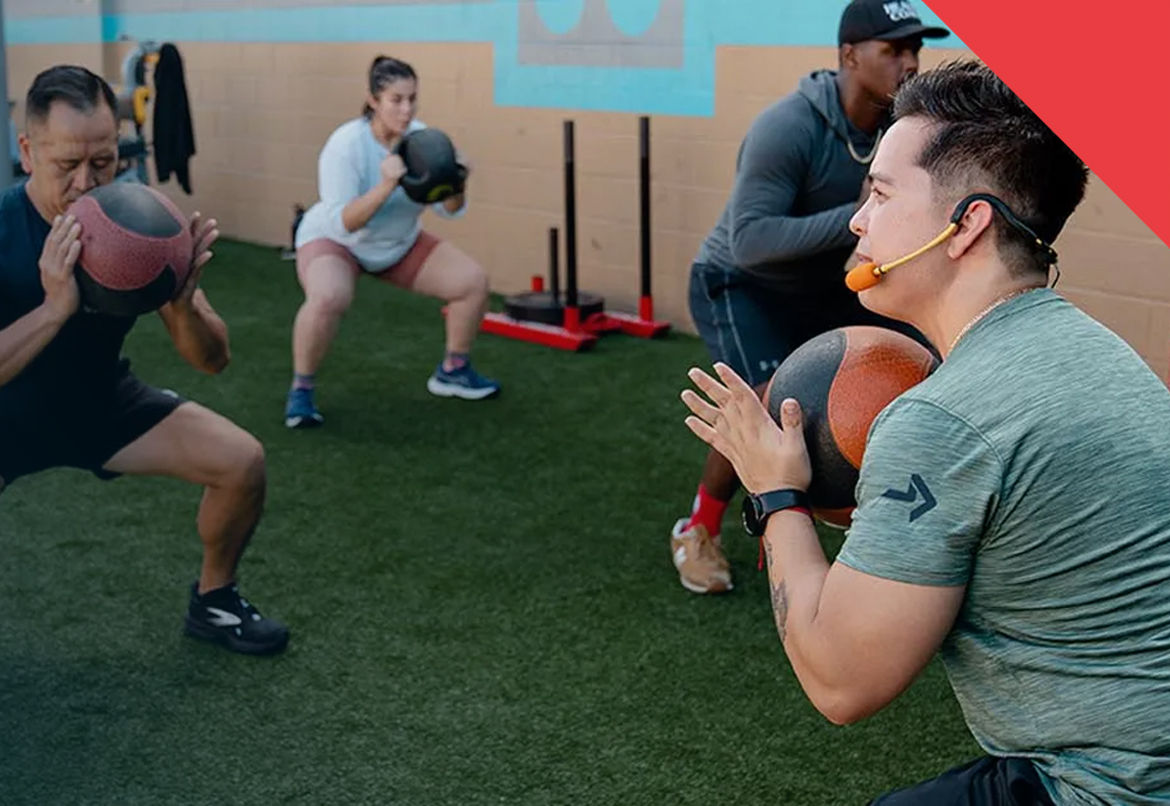
Ah, Silver Sneakers. It’s a big program, and many seniors rely on it to stay active. If you’re looking to teach for them, you’ll need to meet their specific criteria. It’s not just about being a good instructor; it’s about fitting their model.
General Qualifications for Silver Sneakers Instructors
First off, you generally need a current group fitness certification from a recognized provider. Think ACE, AFAA, NASM, or similar. This is your baseline. They want to know you have a foundational understanding of fitness principles and safety. Beyond that, you’ll often need CPR/AED certification, which is pretty standard for any fitness professional.
Specific Program Training or Certifications Needed
Silver Sneakers often requires instructors to complete their own specific training program or obtain a particular endorsement related to their curriculum. This ensures you’re familiar with their class formats, modifications, and philosophy. It might be an online module or a brief in-person session. It’s designed to Match you with their brand and operational standards.
Handling the Application and Approval Process
The application process can vary depending on whether you’re applying through a participating health plan, a gym, or directly. You’ll typically need to submit your certifications, complete an application, and potentially undergo an interview or audition. Being prepared with all your documentation readily available will make this much smoother. It’s about showing you’re professional and ready.
Understanding the Scope of Practice for Silver Sneakers Classes
It’s Key to understand what’s expected within a Silver Sneakers class. These are designed for varying fitness levels within the senior population, often focusing on strength, flexibility, and balance. You need to be comfortable modifying exercises on the fly and creating an encouraging, social environment. It’s not about high-intensity boot camps; it’s about sustainable, safe, and enjoyable movement.
How To Get Certified In Chair Yoga And Group Exercise For Seniors
Source : americansportandfitness.com
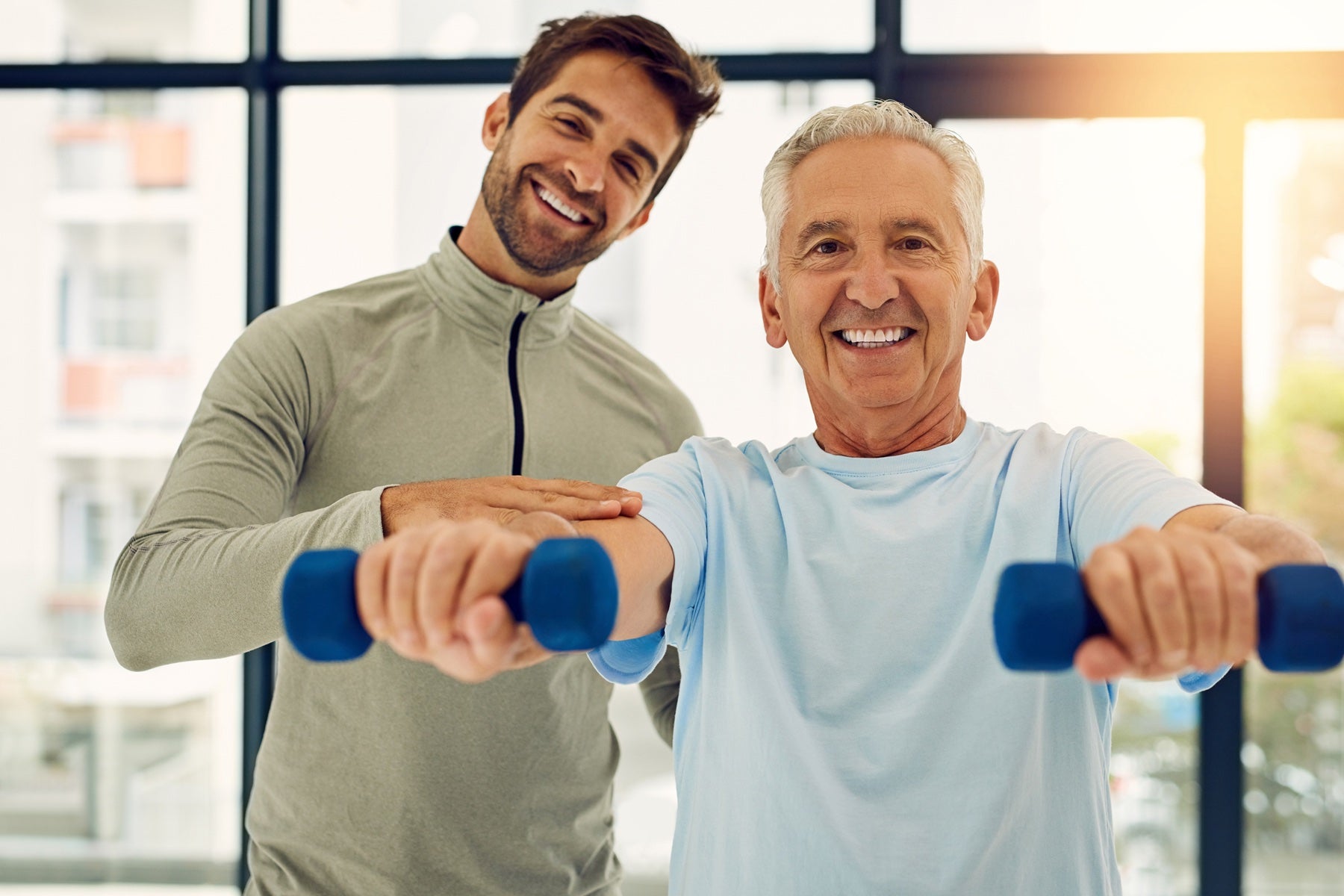
So, you want to combine the gentle effectiveness of chair yoga with broader group exercise principles for seniors? Smart move. This niche is fantastic for individuals who might have mobility limitations but still want the benefits of yoga and structured exercise. It’s about accessibility and meeting people where they are.
Combining Chair Yoga and General Senior Group Fitness Certifications
To be truly effective, you’ll likely want a combination of credentials. A general group fitness certification that includes modifications for older adults is a great starting point. Then, layer on a specific chair yoga certification. Many yoga organizations offer specialized training for seniors or adaptive yoga, which often includes chair-based practices. You might even find certifications that specifically blend these elements.
Finding Reputable Chair Yoga Training Programs
When seeking chair yoga certification, look for programs that emphasize safety, proper alignment, and modifications. A good program will teach you how to adapt poses for various physical conditions common in seniors, like joint pain, balance issues, or fatigue. Check the credentials of the instructors offering the training. Do they have experience working with older adults?
Needed Skills for Leading Senior Group Exercise Sessions
Beyond the certifications, practical skills are key. You need excellent communication abilities – clear, concise instructions are Key. You must be observant, able to spot participants who might be struggling or performing an exercise incorrectly. Empathy and patience are absolute must-haves. Creating a welcoming and non-intimidating atmosphere is just as important as the exercises themselves. You’re building confidence, not just leading a workout.
The Benefits of Specializing in Adaptive Movement
Specializing in adaptive movement like chair yoga for seniors offers huge benefits. You cater to a population often overlooked by mainstream fitness. This specialization can lead to a very loyal client base and a deep sense of purpose. It’s about enhancing quality of life, improving functional independence, and fostering a sense of community. The impact you can have is profound.
| Certification | Typical Cost Range (USD) | Accreditation | Key Focus | Delivery Method |
|---|---|---|---|---|
| ACE Senior Fitness Specialist | $300 – $500 | NCCA | Full aging physiology, program design | Online, some with virtual components |
| AFAA Senior Fitness Specialty | $250 – $400 | NCCA | Practical application, class formats | Online |
| ISSA Senior Fitness | $499 – $999 (often bundled) | DEAC | Overall approach, business building | Online, including practical application guides |
| NASM Senior Fitness Specialist | $499 – $799 (often bundled) | NCCA | Exercise programming for older adults, injury prevention | Online |
Choosing the right certification involves looking beyond just the price. Consider the depth of content and the reputation of the issuing organization. For example, the International Sports Sciences Association (ISSA) offers a Senior Fitness Certification that’s quite Full, covering everything from anatomy to behavior change strategies for older adults. You can learn more about their specific program details and costs on ISSA’s Senior Fitness Certification page. Making an informed decision ensures you get the best value and preparation for this rewarding field.
Frequently Asked Questions
How much does a group fitness certification cost?
It really bounces around. You’re looking at anywhere from $200 to $500, give or take. Some are cheaper, some are way more if they bundle in extra stuff you don’t need. Just make sure you’re getting one from a reputable outfit like ACE or NASM.
How much do group fitness instructors get paid per class?
Man, this varies WILDLY. Seriously. You could get $20 per hour or maybe push $60 or more if you’re in a fancy gym or teaching a specialized, high-demand class. It depends on the gym, your experience, and even the location. Don’t expect to get rich quick, but it’s decent side cash.
How do you get a group fitness certification?
Okay, first off, you usually need to be CPR certified. Then, you pick a certifying body – ACE, NASM, AFAA are the big ones. You’ll study their material, maybe take a prep course, and then pass their exam. Boom, you’re certified. For seniors, look for specialized certs!
What qualifications do I need to be a group fitness instructor?
Honestly, for most general group fitness, it’s pretty low bar to start: be 18, have a high school diploma, and hold that current CPR/AED certification. But for seniors? You really should have some extra training in anatomy, modifications for common conditions (like arthritis or balance issues), and maybe even a certification focused on older adults. It’s just good practice, y’know?
Are there specialized certifications for senior fitness?
Absolutely! While a general cert is a good start, getting a specialized senior fitness certification is where it’s at. These dive deep into the unique needs of older adults—balance, flexibility, strength modifications for conditions like osteoporosis, and even how to create a supportive, social atmosphere. Think functional fitness, not high-intensity HIIT. It’s about keeping them active and independent.
