Mastering the Art: Your Ultimate Guide to Becoming a Certified CPR & BLS Instructor
Ever thought about being the person who saves lives by teaching others? It’s more than just a job; it’s a calling. Becoming a certified instructor for CPR (Cardiopulmonary Resuscitation) and BLS (Basic Life Support) isn’t rocket science, but it does require a structured approach. You can’t just wing it. You need the right credentials, the right training, and frankly, the right mindset.
So, you’re ready to step up? Great. This isn’t some fluff piece; we’re diving deep into the actual steps. Forget those generic guides. We’re talking brass tacks here, the stuff you need to know to actually get certified and start teaching.
Why Become a CPR and BLS Instructor?
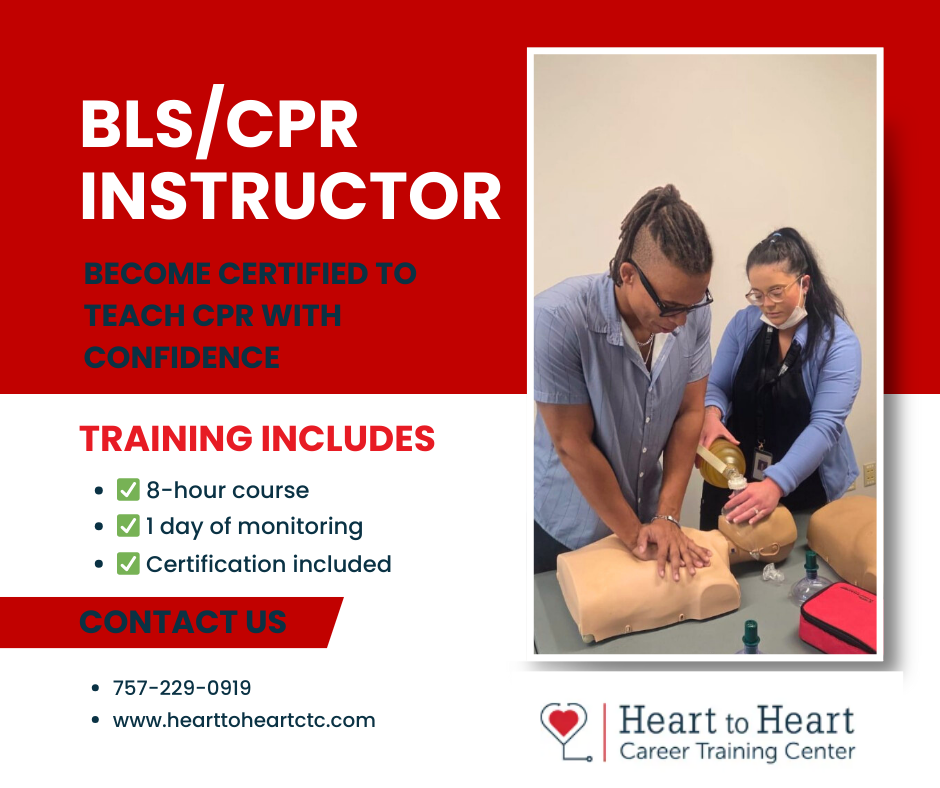
Source : hearttoheartctc.com
The Profound Impact of Teaching Life-Saving Skills
Look, the world needs more people who can step in when seconds count. When someone collapses, a trained individual can make all the difference. As an instructor, you’re multiplying that effect. You’re equipping entire communities, workplaces, and families with the ability to act.
It’s incredibly rewarding. Imagine a student coming back to tell you they saved a loved one because of your class. That’s powerful. That’s real impact.
Opportunities Are plentiful
The demand for certified instructors is constant. Hospitals, schools, gyms, corporations – they all need staff trained in CPR and BLS. This opens up tons of avenues for you, whether you want to teach full-time, part-time, or even run your own training business. Job security? Absolutely.
Personal Growth and Skill Development
Teaching hones your own skills. You’ll become more confident, a better communicator, and deepen your understanding of emergency response. It’s a continuous learning process. You’re not just teaching; you’re growing as a person too.
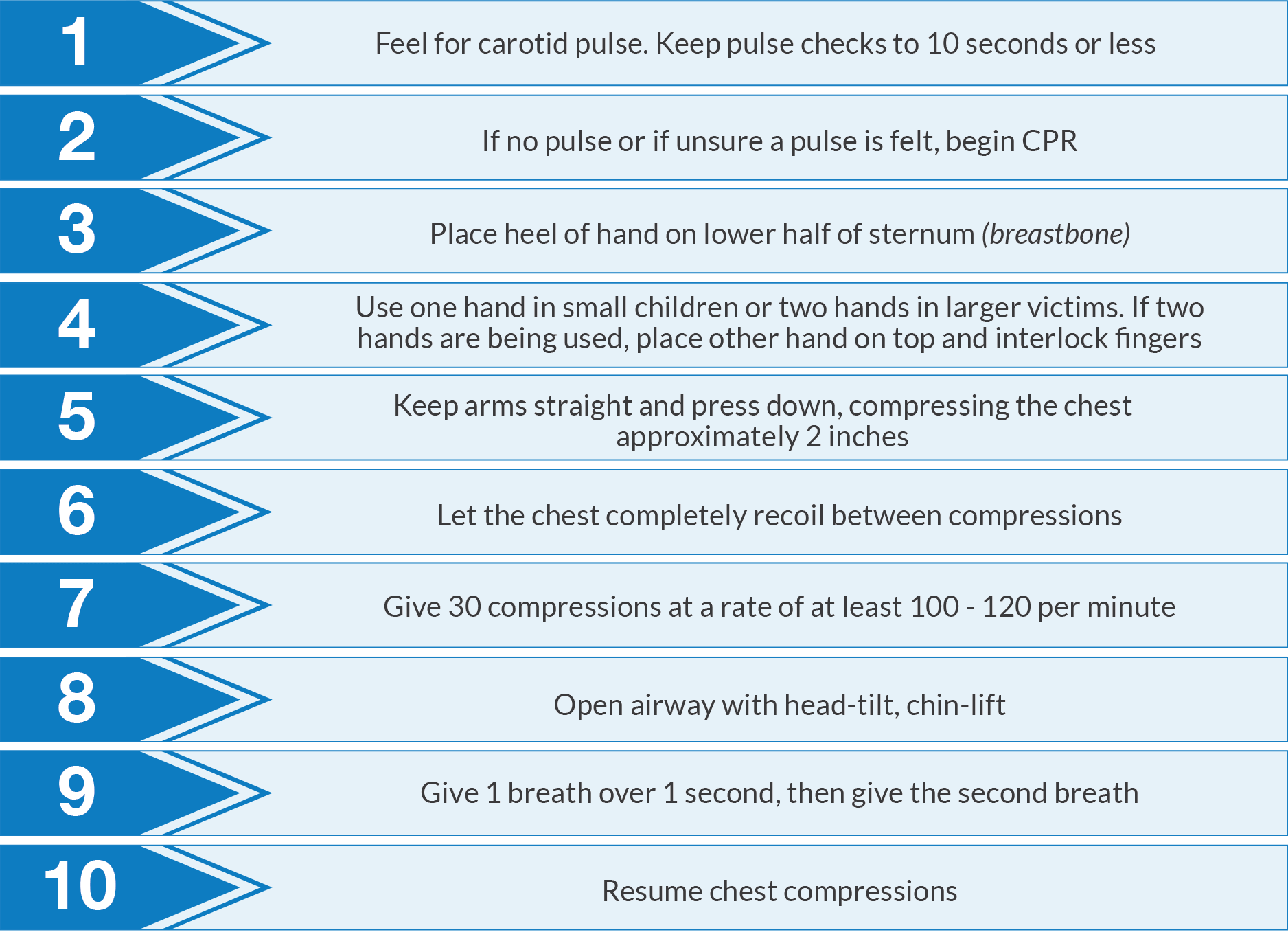
Source : emedcert.com
Choosing Your Certifying Body: A Key First Step
Understanding the Major Players
There isn’t just one way to get certified. You’ve got big names like the American Heart Association (AHA) and the American Red Cross. Each has its own curriculum, requirements, and recognition. Picking the right one often depends on where you plan to teach or what’s most respected in your local area. It’s a big decision.
You might also encounter organizations like Health and Safety Institute (HSI). Do your homework! Research each body.
American Heart Association (AHA) Certification
The AHA is a powerhouse. Their BLS certification is widely recognized, especially in healthcare settings. Getting an AHA instructor certification means you’re aligned with a gold-standard curriculum. Expect rigorous training and adherence to their specific guidelines.
American Red Cross Instructor Certification
The Red Cross also offers Full instructor courses. Their programs are accessible and cover a broad range of lifesaving skills. Their instructor training is designed to build confidence and competence. Check out their offerings at American Red Cross instructor training to see if it fits your goals.
Prerequisites: What You Need Before You Start
Current Healthcare Provider (BLS) Certification
This one’s non-negotiable. You absolutely must hold a current BLS certification from the same organization you intend to teach for. If you want to teach AHA BLS, you need a current AHA BLS card. It shows you know the material inside and out.
Demonstrated Proficiency
They won’t just hand out instructor cards. You’ll need to prove you’re not only skilled but also capable of teaching. This often involves a skills test. They want to see you perform the skills correctly, consistently. Think of it as a final exam before the teaching exam.
Online Foundations Coursework
Most certifying bodies require you to complete an online ‘foundations’ or ‘core competencies’ course. This covers teaching methodologies, how to use the curriculum, and administrative tasks. It’s Key for understanding the instructor role.
The Instructor Training Course: Getting Hands-On
Understanding the Curriculum and Teaching Methods
This is where the rubber meets the road. The training course dives deep into the specific CPR and BLS curriculum you’ll be teaching. You’ll learn not just the ‘what’ but the ‘how’ – effective ways to explain complex steps, manage a classroom, and keep students engaged. Active learning is key.
Didactic and Skills Practice Sessions
Expect a mix of classroom-style learning and hands-on practice. You’ll review the skills yourself and then practice teaching them to others in the course. Instructors will observe your technique, your explanations, and your ability to correct students. This is your training ground.
The Teaching Practicum (Mock Teaching)
A major part of the course is the ‘practicum.’ You’ll be asked to teach a specific module or skill to your peers or to a mock student group. Your performance will be evaluated. This is where you demonstrate that you can effectively transfer knowledge and skills.
The Evaluation and Certification Process
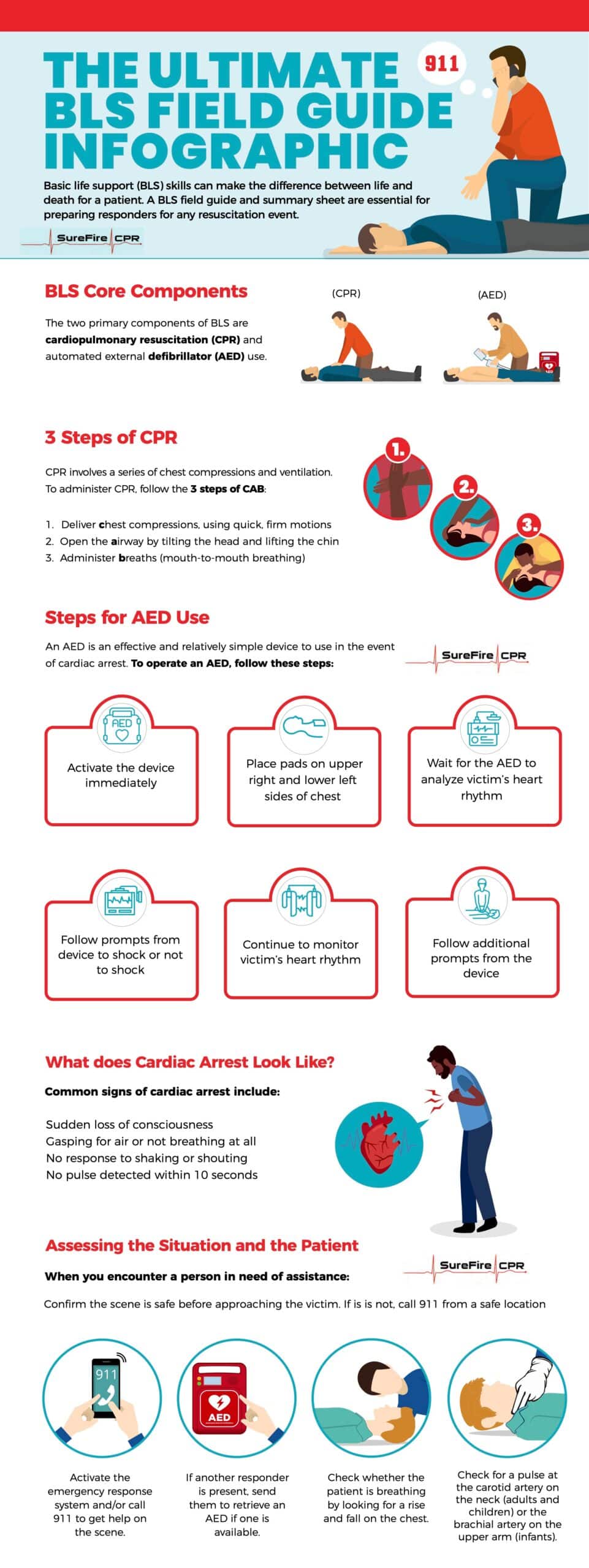
Source : surefirecpr.com
Skills Check-Offs
Throughout the training, your own skills will be assessed. You need to demonstrate mastery of all the CPR and BLS procedures. They’ll be watching closely for correct technique and adherence to guidelines.
Written Examination
Alongside the practical skills, there’s usually a written test. This covers emergency response principles, how to manage a course, and specific knowledge related to CPR and BLS. You’ve got to show you know the theory, not just the practice.
Successful Teaching Practicum
Passing your mock teaching session is Key. This is often the final hurdle. Did you explain things clearly? Were you confident? Could you manage the ‘students’? This shows you’re ready to lead a real class.
Maintaining Your Instructor Certification
Keeping Your BLS/CPR Card Current
Just like your student certifications, your instructor credentials have an expiration date. You need to maintain your own underlying BLS or CPR certification. Letting it lapse means you can’t teach. Stay current!
Continuing Education and Recertification
Most organizations require instructors to complete continuing education credits or attend refresher courses periodically. This keeps your knowledge up-to-date with the latest guidelines and techniques. They might also require you to teach a certain number of classes per cycle.
Teaching Requirements
To maintain your status, you’ll likely need to teach a minimum number of courses within a specific timeframe (e.g., every two years). This ensures you’re actively practicing and maintaining your teaching proficiency. Organizations want active instructors, not just credential holders.
Needed Equipment and Logistics
Manikins and Training Manikins
You’ll need adult, child, and infant manikins for hands-on practice. Some may have feedback devices to help students learn proper compression depth and rate. Quality manikins are an investment, but Needed.
AED Training Devices
Automated External Defibrillator (AED) trainers are a must-have. These devices simulate real AEDs without delivering a shock, teaching students how to use this critical device. They often come with different scenario prompts. Key gear.
Training Supplies
This includes barrier devices (like pocket masks), cleaning supplies, bandages, and any other necessary items for practicing skills like wound care or using an epinephrine auto-injector (depending on the course). Don’t forget enough supplies for everyone.
Course Materials (Student Manuals, Videos)
You’ll need student workbooks, access to or copies of required videos, and any other materials specified by your certifying body. These are the core resources students will use to learn. Make sure you have the latest versions.
Tips for a Successful Teaching Career
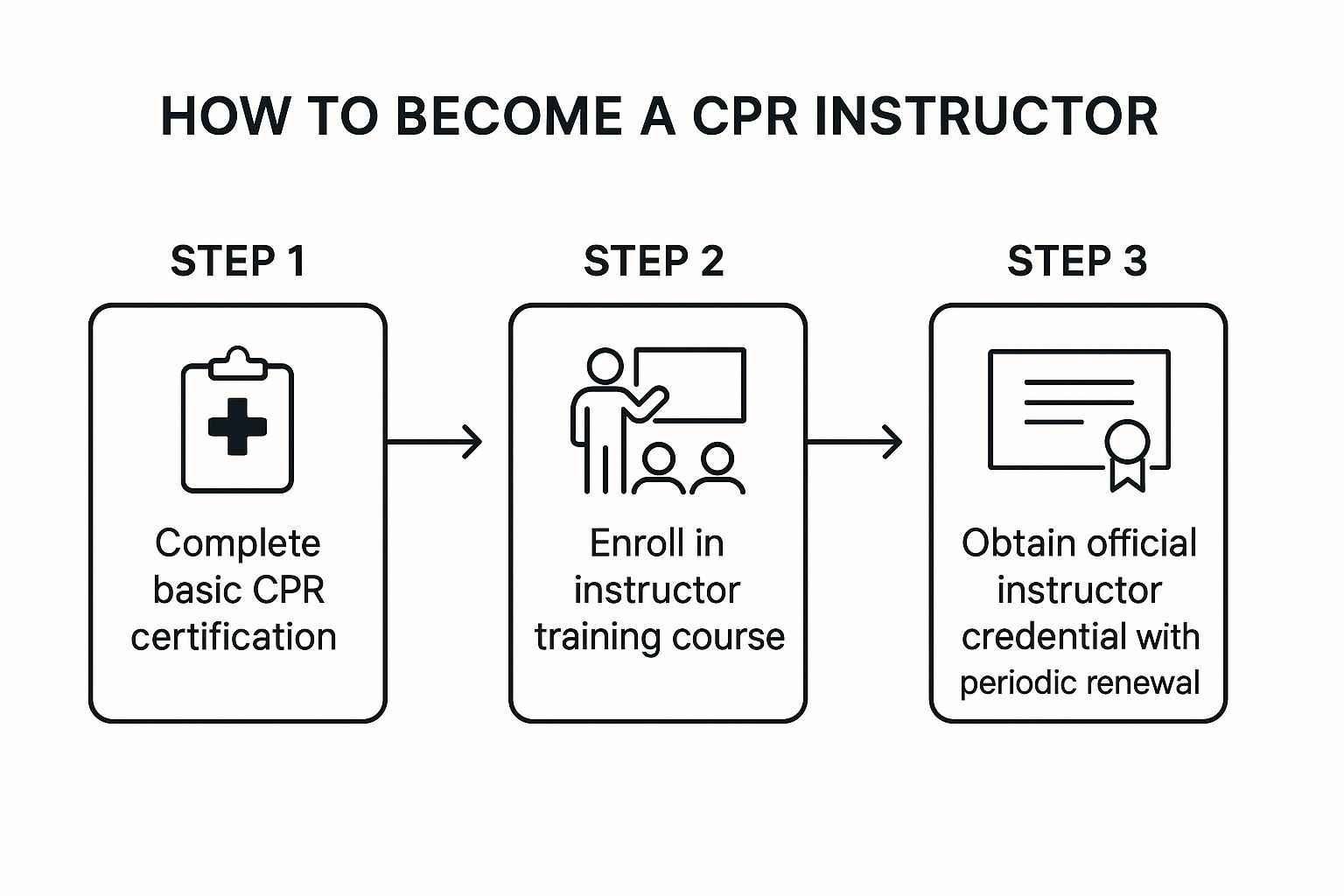
Source : readyresponsepa.com
Be Engaging and Energetic
Nobody wants to sit through a boring lecture. Bring energy! Use humor (appropriately). Ask questions. Make the class interactive. Your enthusiasm is contagious.
Create a Safe Learning Environment
Encourage questions. Reassure students that it’s okay to make mistakes during practice. Emphasize that learning CPR is about building confidence, not perfection on the first try. A supportive atmosphere reduces anxiety.
Stay Updated on Guidelines
Emergency response guidelines evolve. Make it a priority to stay current with the latest updates from your certifying body. This shows professionalism and ensures you’re teaching the most effective techniques.
Network with Other Instructors
Connect with other instructors in your area or online. Share experiences, teaching tips, and resources. You can learn a lot from others who are in the same line of work.
A Comparison of Instructor Pathways
| Factor | AHA Instructor | Red Cross Instructor | HSI Instructor |
|---|---|---|---|
| Primary Recognition | Strong in Healthcare | Broad Recognition, Community Focus | Growing Recognition |
| Initial Training Rigor | High, Structured | Full, Practical | Detailed Curriculum Focus |
| Recertification Needs | Regular renewal, teaching minimums | Periodic renewal, teaching minimums | Varies, ongoing education often required |
| Curriculum Focus | BLS, ACLS, PALS, Heartsaver | CPR, First Aid, BLS, Water Safety | CPR, First Aid, Emergency Care |
| Pros | Widely respected in medical fields; standardized training | Accessible programs; strong community presence | Offers diverse safety training options |
| Cons | Can be more costly initially; specific adherence required | May be less recognized in specialized medical settings than AHA | Recognition can vary by region compared to larger organizations |
Choosing the right certifying body is key to your success. Weigh the pros and cons based on your career aspirations.
Frequently Asked Questions
How much do CPR instructors get paid per class?
It really varies, but CPR instructors can make anywhere from $50 to $200 per class, sometimes more depending on the provider and location. It’s a good gig if you like teaching and helping people learn life-saving skills.
How long does it take to become a BLS instructor?
Typically, it takes about 1 to 2 days to complete the instructor course, plus any prerequisite training you might need. But remember, you’ll need to be proficient in BLS yourself first, which might add some time. It’s a pretty focused program to get you teaching Basic Life Support.
What are the prerequisites to become a CPR instructor?
You usually need to be certified in the specific CPR course you want to teach, like BLS or Heartsaver. Most organizations also want you to have some teaching or training experience, and you gotta pass an instructor candidate course. It’s not super complicated, but they want to make sure you can teach effectively and know your stuff about CPR certification.
Do I need to be a medical professional to teach CPR?
Nope, not necessarily! While many medical professionals become CPR instructors, you don’t have to be a nurse or doctor. What’s most important is that you’re proficient in CPR, have completed an approved instructor course, and can demonstrate the skills clearly. It’s more about your ability to teach and certify others in emergency response.
Where can I find CPR/BLS instructor training?
You’ll typically find instructor courses through authorized training centers affiliated with major organizations like the American Heart Association or the American Red Cross. Check their websites; they usually have a locator tool to find courses near you. Finding a good program for instructor certification is key.
