Alright, let’s cut to the chase. You’re eyeing that Workday HCM certification, huh? Smart move. It’s not exactly a walk in the park, but the payoff? Huge. Forget those vague hints you might find elsewhere. We’re diving deep into exactly what you need to have in your back pocket before you even think about booking that exam. This isn’t your typical fluffy tutorial; this is the real deal, straight talk from someone who’s seen it all. So, grab your coffee – or maybe something stronger – because we’re unpacking the absolute must-haves for conquering Workday HCM certification.
The Unspoken Foundation: What You MUST Know Before You Even Look
Years of Real-World Grind
Look, nobody’s handing out these certifications like participation trophies. The biggest prerequisite? Experience. Actual, hands-on, day-to-day Workday experience. We’re talking at least a couple of solid years, minimum. This isn’t about knowing about Workday; it’s about knowing it inside and out, the good, the bad, and the downright ugly bugs you’ve wrestled with.
Think of it like this: you wouldn’t expect to become a master chef without ever stepping into a kitchen, right? Same applies here. You need to have navigated the system, configured modules, and probably fielded a few frantic “why is this not working?!” calls from end-users. That practical know-how is gold.
Understanding the “Why” Behind the “What”
It’s not enough to just click buttons. You’ve gotta grasp the underlying business processes. Why does Workday HCM exist? What problems does it solve for an organization? This certification isn’t just about technical wizardry; it’s about understanding how HR functions are optimized using this powerful tool. Get that perspective locked in. Understanding HR principles is key.
Seriously, a lot of folks skip this. They focus on the technical bells and whistles, the configuration settings. But the real value, the thing that makes you stand out? It’s knowing why you’re making a particular configuration choice. It’s connecting the dots between a business need and a Workday solution. That’s what separates the pretenders from the pros.
Familiarity with Core HCM Modules
Workday HCM isn’t a monolith. It’s a suite of tools. Before you even consider certification, you should be intimately familiar with the core components. We’re talking about Core HCM itself, obviously. But also, touch on things like absence management, time tracking, and foundational elements of compensation and benefits administration. You need a working knowledge of how these pieces fit together.
Sure, you might specialize later, but the foundational cert requires a broad understanding. If you’ve only ever tinkered with one tiny corner of the system, you’re going to struggle. You need to be comfortable Handling the different functional areas, even if you aren’t an expert in all of them. Think of it as needing to know the basic layout of a whole house, not just one room.
The Formalities: Education and Workday’s Own Requirements
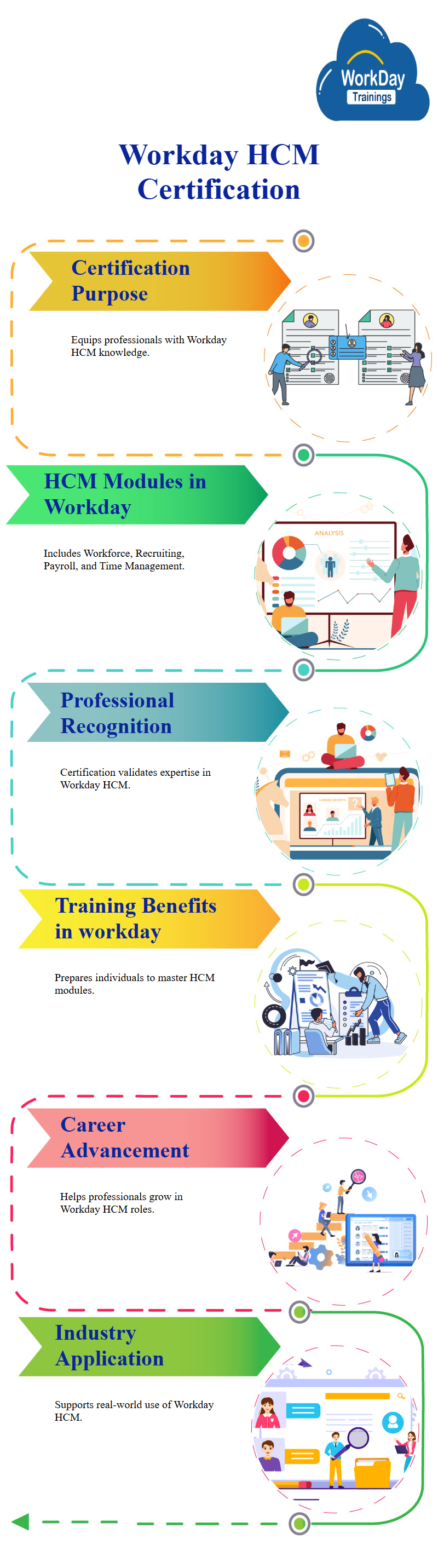
Source : workdaytrainings.com
Formal Education Requirements (Or Lack Thereof)
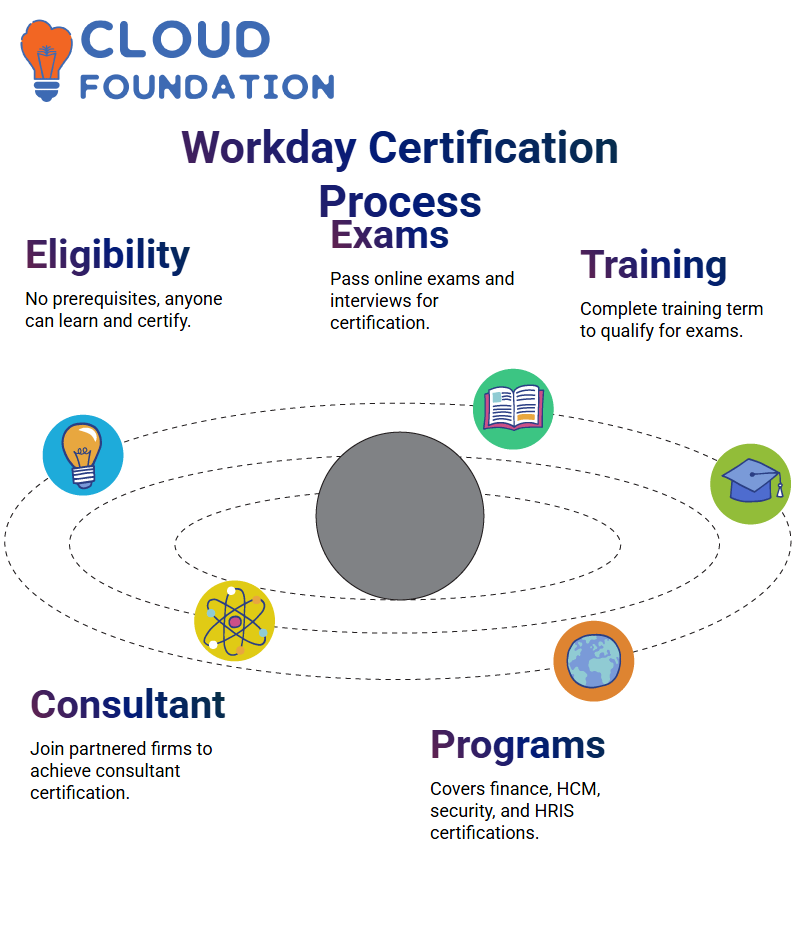
Here’s a bit of good news: Workday generally doesn’t slap a stringent formal education requirement on its certifications. You won’t typically need a specific degree or diploma to even be eligible. This opens doors for a lot of people who’ve built their careers through experience rather than traditional schooling. It levels the playing field significantly. Focus on your practical skills.
Source : cloudfoundation.com
However, don’t mistake this for meaning you can skip learning. Your practical experience and understanding of business processes often compensate for a lack of formal degrees. But if you have a degree in HR, Business, or a related field? It can certainly help solidify your understanding of the underlying concepts, even if it’s not a hard requirement.
Workday’s Official Stance: Community and Pathways
Workday itself provides resources, and you absolutely need to be aware of them. Their official Workday certification page is your go-to for the latest official requirements and available paths. Don’t rely on hearsay; check the source. They outline the specific exams and the recommended training.
Crucially, understanding the Workday Community is often implicitly required. This is where you’ll find documentation, best practices, and discussions that can fill the gaps in your knowledge. While not a ‘prerequisite’ in the sense of a checkbox, actively engaging with the Workday Community is how many successful candidates prepare. It’s a Key part of the learning ecosystem.
Recommended Training: Not Mandatory, But Highly Advisable
Workday offers official training courses. Are they mandatory for certification? Usually not for the foundational HCM cert, but let me tell you, they are highly recommended. These courses condense years of knowledge into structured learning modules, often taught by experienced instructors who know the exam inside and out. Skipping this is like trying to climb Everest without a guide. You might make it, but the odds are stacked against you.
These training programs are designed specifically to prepare you for the certification exams. They cover the key concepts, exam structure, and common pitfalls. If you can swing the investment (time and money), take them. They provide a focused learning path that’s hard to replicate on your own. Investing in official Workday training is a smart bet.
Technical Skills: Beyond Just Knowing How to Log In
Configuration and Setup Savvy
You need to know how to build things in Workday, not just use them. This means understanding configuration settings for various modules. How do you set up a new supervisory organization? What are the steps for configuring a specific type of paid time off? You should be able to walk through these processes confidently. Workday configuration is Top.
This isn’t just theoretical knowledge. You should have practical experience applying these configurations. Did you roll out a new benefits plan? Did you help set up the initial payroll structure for a new client? These real-world scenarios are the bedrock of your understanding. You need to have been in the trenches making these settings happen.
Reporting and Analytics Capabilities
Workday is a data powerhouse. Being able to extract meaningful insights is critical. This means more than just running canned reports. You should have a solid understanding of Workday reporting and analytics tools. Can you build custom reports? Do you understand calculated fields? Can you create dashboards that give stakeholders a clear picture?
Kind of questions executives or HR leaders might ask. “What’s our employee turnover rate by department?” “How does our compensation compare to industry benchmarks for specific roles?” Your ability to answer these using Workday’s reporting tools is a direct measure of your practical value. This is a skill that employers specifically look for.
Integration Understanding (The Basics)
Workday rarely lives in a vacuum. It needs to talk to other systems – payroll providers, financial software, time clocks, you name it. While you might not be a full-blown integration architect, you need to understand the concepts. What are common integration methods? What are the potential challenges when data moves between systems? A basic grasp of Workday integrations is Needed for a Full HCM professional.
You should be aware of the different types of integrations Workday supports (e.g., EIBs, Studio) and the general process of setting them up or troubleshooting them. Even if your role doesn’t involve direct integration work, understanding how Workday connects to the broader IT ecosystem demonstrates a more complete grasp of its function within an enterprise. It shows you’re thinking about the bigger picture.
Soft Skills & Professional Acumen: The Often-Overlooked Essentials
Problem-Solving Prowess
Let’s be honest, things go wrong. Users make mistakes, configurations have unintended consequences, reports don’t quite match expectations. Your ability to troubleshoot and find solutions is non-negotiable. This isn’t just about technical fixes; it’s about analytical thinking. How do you approach a problem systematically? Where do you look for answers? Effective problem-solving is key.
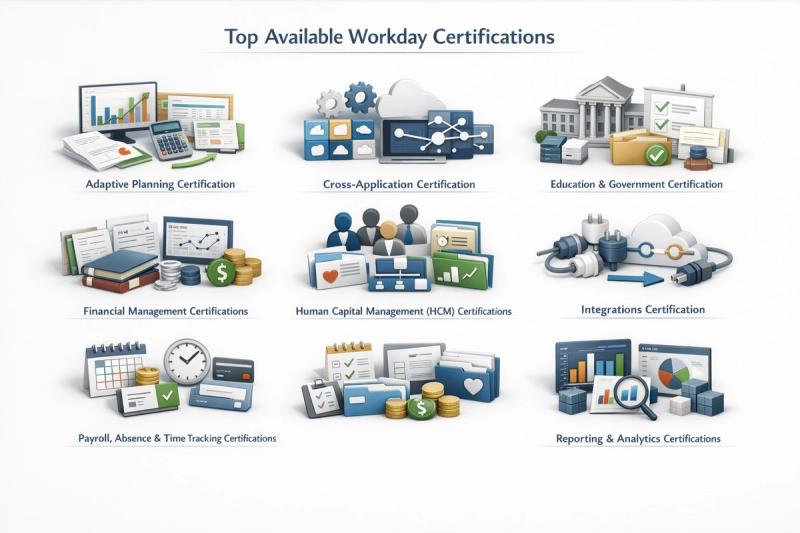
Source : techpratham.com
Can you calmly dissect a complex issue? Can you trace the source of an error? This requires a blend of technical knowledge and logical reasoning. Think about a time you were faced with a particularly tricky Workday issue. How did you break it down? Who did you consult? Documenting these experiences mentally (or even on paper) helps prepare you for exam questions and real-world scenarios.
Communication and Collaboration
You’re not going to get certified in a silo. You’ll be working with HR teams, IT departments, business leaders, and potentially end-users. Your ability to communicate technical information clearly and concisely is Key. Can you explain a complex Workday concept to someone who isn’t technical? Can you actively listen to understand their needs? Strong communication skills are a must.
Collaboration is huge. You’ll be part of project teams, troubleshooting groups, and design sessions. Being able to work effectively with others, share knowledge, and contribute positively to a team environment is something Workday looks for. It’s about being a good team player, not just a technical expert. This aspect often comes up in situational questions on the exam.
Adaptability and Continuous Learning Mindset
The tech world moves fast, and Workday is no exception. New features are released, best practices evolve. A successful Workday professional doesn’t just learn the current system; they Welcome change. You need to have a mindset geared towards continuous learning and adaptation. Are you curious about new Workday updates? Do you actively seek out new information?
This isn’t just about staying current; it’s about anticipating change. Workday often rolls out significant updates twice a year. Being prepared to learn, adapt, and implement these changes smoothly is a hallmark of a valuable employee. Your certification validates your current knowledge, but your attitude towards learning ensures your long-term relevance.
The Exam Itself: Specifics You Can’t Ignore
Understanding the Exam Format and Structure
Don’t walk into the exam blind. You need to know what to expect. What types of questions are asked? Multiple choice? Scenarios? How long is the exam? How many questions are there? Workday provides this information, and you absolutely must review it. Knowing the exam structure reduces anxiety and helps you strategize. It’s about being prepared for the battlefield.
Different Workday certifications have different formats and difficulty levels. For the foundational HCM certification, expect a Full assessment covering a broad range of topics. Familiarize yourself with the pass rate and any specific guidelines provided by Workday regarding exam conduct. Preparation is more than just studying; it’s understanding the test itself.
Candidate Testing Programs and Experience Paths
Workday sometimes offers different pathways or programs for certification, especially for partners or those with extensive experience. Explore options like the Workday Pro certification if you meet the criteria. These can sometimes offer a different route or a more specialized focus. Understanding these options is part of your strategic prep. This is where you find the official certification paths.
Each path has its own specific prerequisites and requirements. Some might require a certain number of client implementations or specific project experience. Don’t assume all certifications are created equal or follow the same process. Do your homework on the specific certification you’re targeting to Make sure you meet all the granular requirements before investing time and resources.
The Importance of Practice Exams and Scenarios
Studying the material is one thing; applying it under timed pressure is another. Many training providers and third-party resources offer practice exams. Use them! These simulate the real testing environment and help you identify weak areas. Can you answer questions quickly and accurately? Can you manage your time effectively during the exam? Practice exams are Crucial tools.
Work through realistic scenarios. Think about common implementation challenges or user support issues. How would you resolve them using Workday HCM? This practical application is what the certification aims to validate. Don’t just memorize facts; understand how to use that knowledge. It’s the difference between knowing a definition and being able to apply it in the wild.
Putting It All Together: Your Actionable Checklist
Quantifying Your Experience Level
Be honest with yourself. How many years have you been actively working with Workday HCM? Not just touching it occasionally, but deeply involved? Aim for at least two years, preferably more. This is the single most critical non-negotiable factor. If you’re short, focus on gaining more hands-on experience. Your Workday experience is your primary asset.
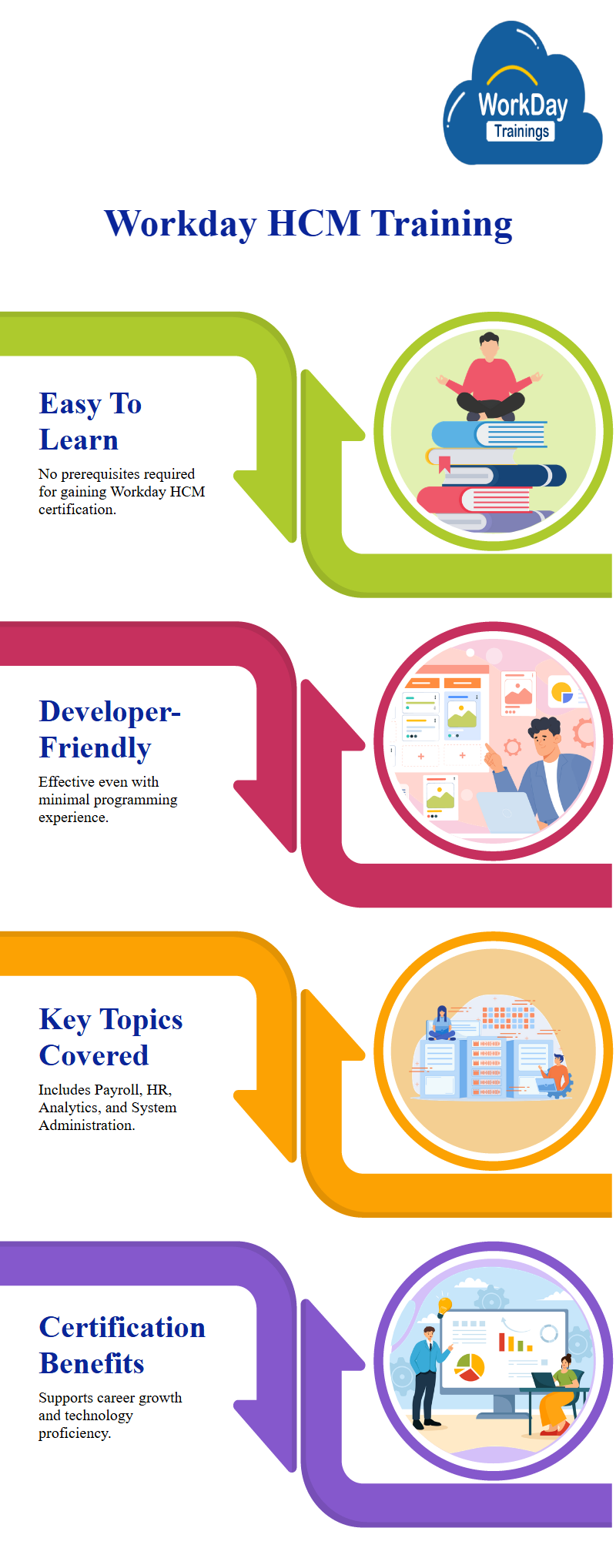
Source : workdaytrainings.com
Consider documenting key projects you’ve worked on, your specific roles, and the modules you utilized. This helps you articulate your experience clearly, both for potential employers and for your own confidence in your readiness for certification.
Assessing Your Module Expertise
List out the core HCM modules (Core HCM, Absence, Time Tracking, Talent, etc.). For each one, rate your knowledge and practical experience on a scale of 1 to 5. You need solid scores (4s and 5s) in the foundational areas. If you have significant gaps, prioritize learning and hands-on practice in those modules. Solid module expertise is Key.
Don’t just think about configuration. Consider your understanding of the end-user perspective, reporting needs, and process implications for each module. A well-rounded understanding across the board is better than deep expertise in just one niche for the foundational certification.
Reviewing Workday’s Official Criteria
Before you spend another dime or minute, go directly to the source. Visit the official Workday certification website. Read the specific prerequisites for the HCM certification you are targeting. Understand the exam details, recommended training, and any eligibility criteria they explicitly state. Don’t guess; verify official requirements.
Make sure you’re looking at the most current information. Certifications and their requirements can change. Confirming the details directly from Workday ensures you’re on the right track and not preparing based on outdated information. This simple step can save you a lot of wasted effort.
Data Table: Workday HCM Certification – Key Prerequisite Breakdown
| Prerequisite Category | Needed Elements | Why It Matters | Recommended Actions |
|---|---|---|---|
| Experience | 2+ Years Hands-On Workday HCM Usage | Proves practical, real-world application | Document key projects; seek diverse module exposure |
| Knowledge Base | Core HCM Processes & Modules | Ensures foundational understanding | Review Workday documentation; study process flows |
| Technical Skills | Configuration, Reporting, Basic Integrations | Demonstrates ability to build and extract data | Hands-on practice in a sandbox environment |
| Formal Requirements | Check Workday’s Official Site | Avoids eligibility issues | Visit Workday Certification Page |
| Training (Recommended) | Official Workday Courses | Structured learning & exam prep | Enroll if budget/time allows; explore Indeed’s advice |
| Professional Skills | Problem-Solving, Communication, Adaptability | Needed for real-world application & teamwork | Reflect on past projects; practice explaining concepts |
So there you have it. It’s a demanding path, sure. But by focusing on these core prerequisites – real experience, a solid understanding of HCM principles, technical chops, and the right professional attitude – you’ll be miles ahead of the game. Don’t just aim to pass the test; aim to truly know Workday HCM. That’s the real win. Now go forth and conquer.
Frequently Asked Questions
What’s the basic educational requirement for Workday HCM certification?
Generally, you don’t need a specific degree to start. But, having a foundation in Human Resources or Information Systems definitely helps. Think of it like this: knowing the lingo makes learning the Workday HCM system way easier.
Do I need prior Workday experience?
It’s not always mandatory, but dude, it’s super beneficial. Having hands-on experience with Workday, even just as a user, gives you a massive head start. It helps you grasp the concepts much faster when you’re going for the Workday certification.
Are there specific Workday training courses I must complete?
Yep, for most official certifications, you’ll need to complete authorized Workday training. They’ve got these structured courses that cover all the essentials you need to know. Skipping these often means you can’t even sit for the Workday HCM exam.
Is there a minimum number of years of HR experience required?
It varies depending on the specific certification track you’re aiming for. Some might look for a couple of years in a general HR role, while others focusing on a specific module might want more specialized experience. Understanding the day-to-day challenges in HR operations is key.
What kind of technical skills are helpful before starting?
While Workday is designed to be user-friendly, having some comfort with technology in general is a plus. Familiarity with cloud-based software and basic data concepts will make your learning journey smoother. Basically, if you’re not scared of a computer, you’re probably good for Workday implementation.
