Causes of Washing Machine Odor
Many washing machines develop a musty or moldy smell. This happens because the machine stays wet and dark after use. Mold and mildew grow in the gasket, drum, and detergent trays. Also, detergent buildup and soap scum trap dirt and bacteria. Drainage problems and clogged filters make water sit inside, which makes odors worse.
Both front load washers and top load washers can smell, but front loaders often have more mold in the gasket area. This is because their door seals trap moisture.
For those looking to buy a reliable machine with fewer odor issues, exploring where to buy Speed Queen washing machines is a good start, as these models have strong maintenance features.
Industry consensus indicates that poor ventilation around the machine can also cause odors. Without airflow, moisture does not dry properly, creating a smelly environment.
For a deeper understanding of this mechanic, analyzing resources on washing machine stink causes provides excellent foundational context.
Mold and Mildew in Washing Machines
Mold grows easily in washing machines due to damp and warm spots. The rubber gasket in front load washers traps water, allowing mold to thrive. Mildew also grows in detergent compartments and inside the drum if not cleaned.
These fungi cause a strong musty smell. They can also lead to smelly clothes after washing. Cleaning mold requires regular care and the right cleaning agents.
Regularly wiping the gasket and leaving the door open after use helps prevent mold growth. Using a washing machine deodorizer also helps keep smells away.
Detergent residue feeds bacteria and mold. Too much detergent or fabric softener causes buildup. This residue traps dirt and water, worsening odor problems. Cleaning the detergent drawer and running sanitizing cycles removes buildup.
Washing Machine Drainage and Filtration Issues
Water drainage problems cause standing water in the machine. This leftover water breeds bacteria and mold. A blocked washing machine pipe or clogged filter stops water from draining fully.
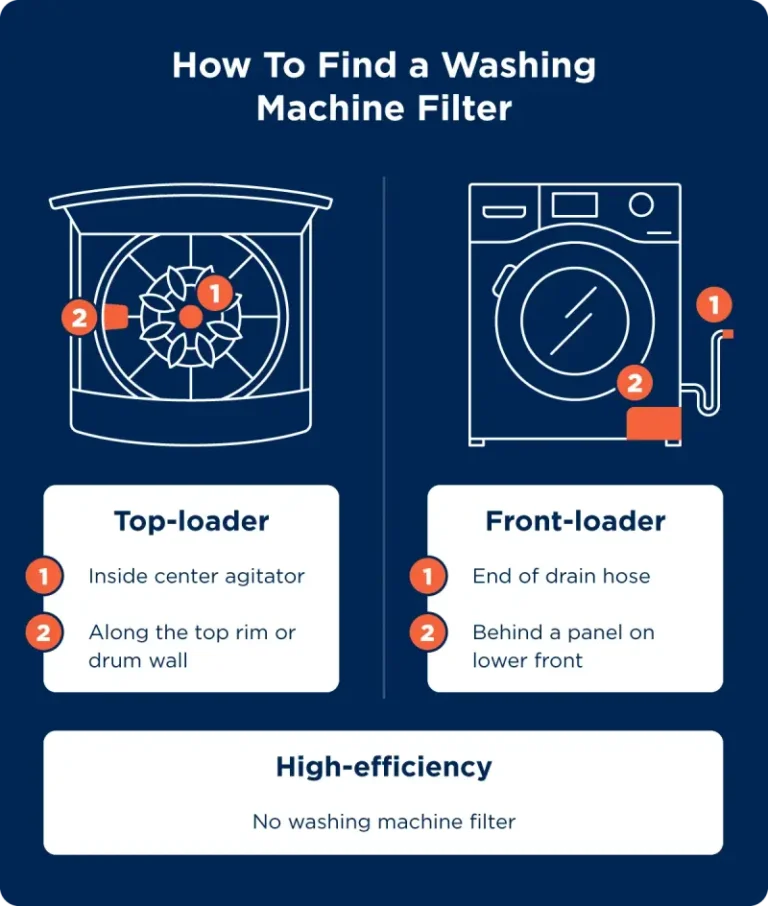
Filter clogging also reduces machine efficiency and increases odors. Cleaning the washing machine filter regularly is crucial. It removes lint and small debris that block water flow.
Ventilation issues with the drainage pipe can cause water to stay inside. This leads to foul smells. Proper venting ensures water drains completely and air flows well.
Keeping the drain pipe clean and free from blockage helps prevent these issues. Home remedies for washing machine smell often include flushing the drain with vinegar or baking soda.

How to Clean Your Washing Machine
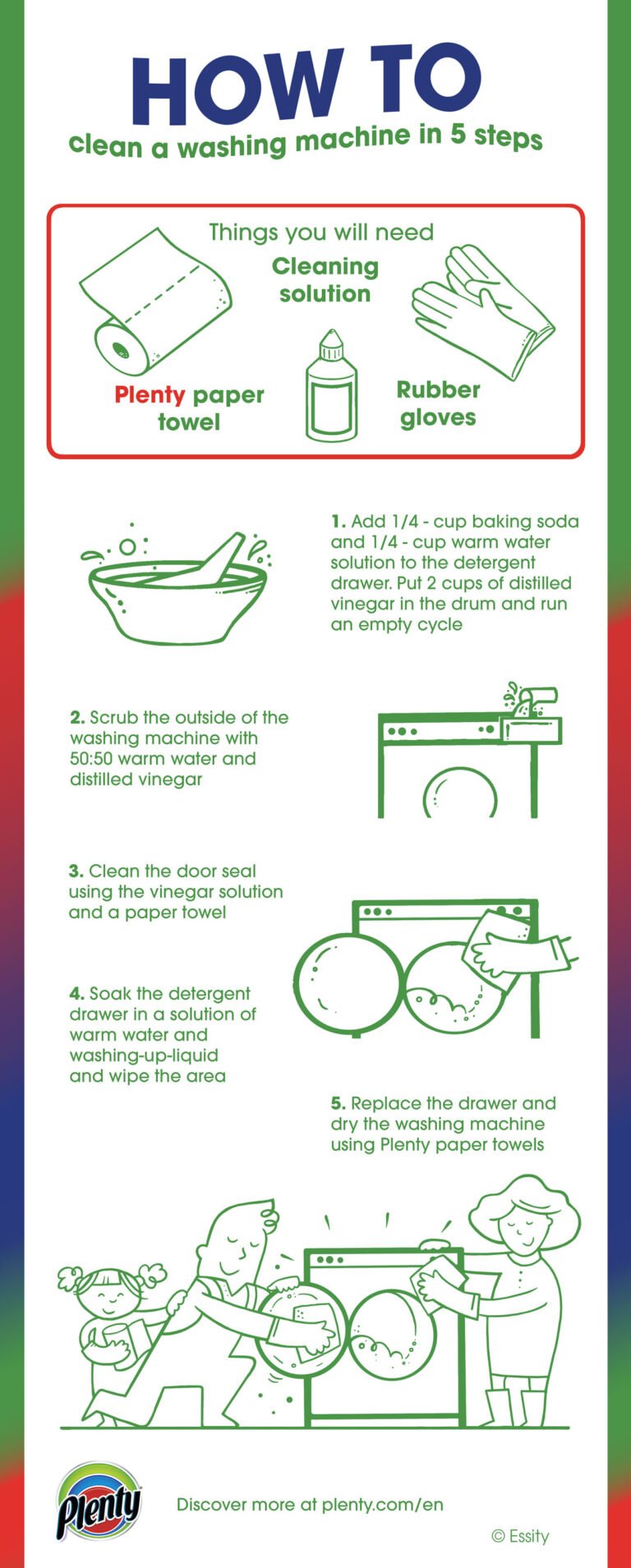
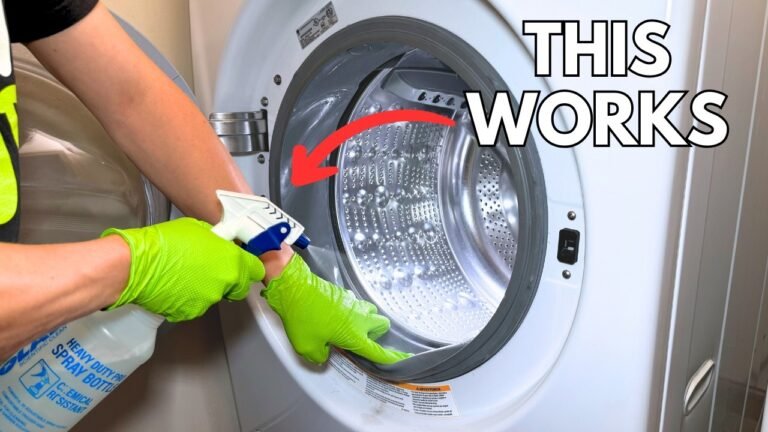
Cleaning your washing machine removes mold, mildew, and detergent buildup. Start by wiping the rubber gasket with a cloth soaked in vinegar or bleach. This kills mold and removes grime.
Next, run a hot water cycle with a washing machine deodorizer or cleaning agent. You can use vinegar and baking soda as a natural cleaner. This flushes out the drum and pipes.
Don’t forget to clean the detergent drawer. Remove it and scrub with warm water to clear soap scum. For clogged filters, follow your machine’s manual to remove and rinse them.
Keeping the door open after use lets the drum dry. This stops mold from growing. Regular maintenance is key for odor-free laundry.
If you want more detailed cleaning steps, check out how to get rid bad odor washing machine for expert tips.
Washing Machine Maintenance Tips
Good maintenance prevents odors. Always use the right amount of detergent. Too much soap causes buildup and smells. Use high-efficiency detergent for front load washers.
After washing, leave the door and detergent drawer open to dry. Clean the gasket monthly. Run a cleaning cycle with bleach or vinegar every 1-3 months. Check and clear filters and drain pipes regularly.
Ventilate the laundry area well. Proper airflow helps dry the machine fast. Fix any drainage or pipe blockage issues quickly to stop water from stagnating.
Here’s a simple checklist for maintenance:
- ✅ Use correct detergent amounts
- ✅ Clean gasket and detergent drawer monthly
- ✅ Run cleaning cycles regularly
- ✅ Check and clean filters and drains
- ✅ Keep door open after use
Following these tips keeps your washing machine fresh and your clothes smelling clean.
.png "Washing Machine Smells Like Rotten Eggs? | East Coast Appliance | Chesapeake, Norfolk & Virginia Beach (Figure)")
Comparison of Front Load and Top Load Washer Smells
Front load washers often smell worse than top loaders. Front loaders have a rubber gasket that traps water and dirt. This creates a perfect home for mold and mildew.
Top loaders drain better and dry faster due to their design. But they can still develop smells from detergent buildup and poor ventilation.
Cleaning and maintenance routines differ slightly. Front loaders need extra gasket care, while top loaders require filter and agitator cleaning.
| Feature | Front Load Washer | Top Load Washer |
|---|---|---|
| Common odor cause | Mold in gasket | Detergent buildup |
| Drainage | Slower, may trap water | Faster, less water trapped |
| Cleaning focus | Gasket and drum | Filter and agitator |
| Ventilation needs | High | Medium |
Both types need regular cleaning to avoid smelly laundry. Proper care keeps any washing machine odor-free.
To learn more about keeping your front loader fresh, see how to clean front load washing machine rubber seal.
Home Remedies to Deodorize Washing Machines
Simple home remedies can help remove odors. Vinegar and baking soda are the most popular. Vinegar kills bacteria and breaks down soap scum. Baking soda neutralizes odors and cleans grime.
Use one cup of vinegar in the detergent drawer and half a cup of baking soda in the drum. Run a hot water cycle without clothes. Repeat monthly to prevent smells.
Lemon juice is another natural deodorizer. It leaves a fresh scent and fights mold. Essential oils can be added for fragrance but use them sparingly to avoid machine damage.
Always avoid harsh chemicals unless needed. Gentle cleaning keeps your machine safe and lasting longer.
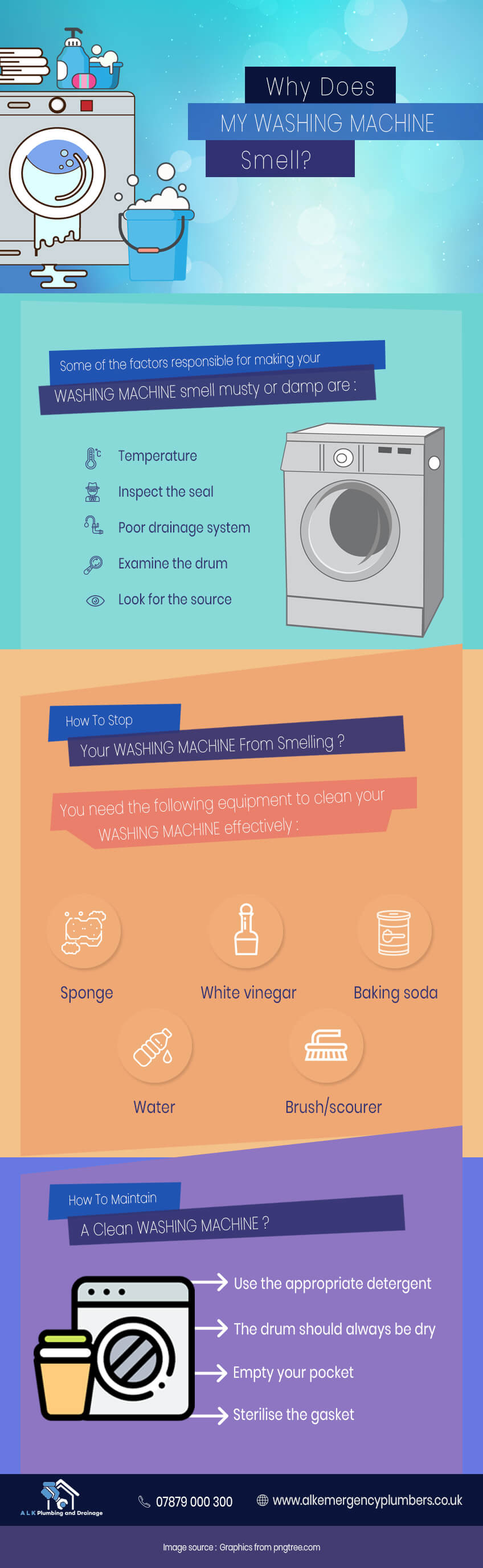
- Wipe gasket with vinegar solution
- Remove and clean detergent drawer
- Run hot cycle with vinegar and baking soda
- Clean filter and drainage pipe
- Leave door open to dry
Common Washing Machine Smell Fixes
Fixing washing machine odors often means targeting the root causes. Mold in the gasket needs removal with bleach or vinegar. Drainage problems require pipe and filter cleaning.
Detergent buildup can be cleared by running cleaning cycles and scrubbing detergent trays. You may also install a washing machine deodorizer that absorbs odors between washes.
Bad smells from ventilation issues can be fixed by improving airflow around the machine. Avoid closing laundry rooms without vents.
Here is a quick checklist for washing machine smell repairs:
- Clean rubber gasket and door seal
- Run sanitizing wash cycles
- Clear filters and pipes
- Use proper detergent amounts
- Ventilate laundry area
Following these fixes helps keep your machine and clothes smelling fresh.
Conclusion
Washing machine odors come from mold, mildew, detergent residue, and drainage problems. Front load washers are more prone to gasket mold, while top loaders may suffer from detergent buildup. Proper cleaning and maintenance prevent smells.
Regularly clean the gasket, detergent drawer, filters, and pipes. Use natural cleaners like vinegar and baking soda or specialized washing machine deodorizer products. Keep the door open after use to dry the drum and prevent mold.
Good ventilation in the laundry space is vital. Fix drainage and ventilation issues quickly to stop odors. These simple steps keep your washing machine fresh and your laundry smelling clean.
For a detailed guide on cleaning and deodorizing, visit how to remove smell washing machine for expert advice and maintenance tips.
| Tip | How It Helps | Frequency |
|---|---|---|
| Wipe gasket with vinegar | Kills mold and mildew | Monthly |
| Run cleaning cycle | Removes buildup and bacteria | Every 1-3 months |
| Clean detergent drawer | Prevents soap scum | Monthly |
| Clear filters and drains | Improves drainage, stops odors | Monthly |
| Keep door open after use | Dries drum, stops mold | After every wash |
Maintaining your washing machine is easy with these steps. Stay on top of cleaning to avoid odors and keep laundry fresh. A fresh machine means clean clothes every time.
| Cause of Smell | Fix | Prevention |
|---|---|---|
| Mold in gasket | Clean with bleach or vinegar | Wipe gasket regularly, leave door open |
| Detergent buildup | Run cleaning cycle, clean detergent drawer | Use proper detergent amount |
| Drainage problems | Clear filter and pipes | Regular filter cleaning |
| Poor ventilation | Improve airflow | Keep laundry room ventilated |
| Standing water | Fix drain pipe blockage | Check drain pipe often |
Frequently Asked Questions
What causes washing machine odors?
Washing machine odors are caused by mold, mildew, detergent buildup, dirty gaskets, and poor drainage.
How do I remove mold from my washing machine?
Clean the gasket, run a sanitizing cycle with vinegar or bleach, and clear drainage pipes to remove mold.
Why does my front load washer smell bad?
Front load washers trap moisture in the gasket and drum, which encourages mold and mildew growth causing bad smells.
Can detergent buildup cause smells in washers?
Yes, detergent residue and soap scum can accumulate, leading to bacteria growth and unpleasant odors.
How often should I clean my washing machine?
Cleaning your washing machine every 1-3 months helps prevent odors and keeps it fresh and efficient.

Keith Boyd Is A Seasoned Appliance Care Expert With Over A Decade Of Experience In Home Appliance Maintenance. His Authoritative Insights On Washing Machine Care And Upkeep Are Trusted By Homeowners Nationwide. With A Passion For Educating Others, Keith Shares Valuable Tips That Ensure Your Appliances Run Smoothly For Years To Come.