Introduction to Washing Floor Mats
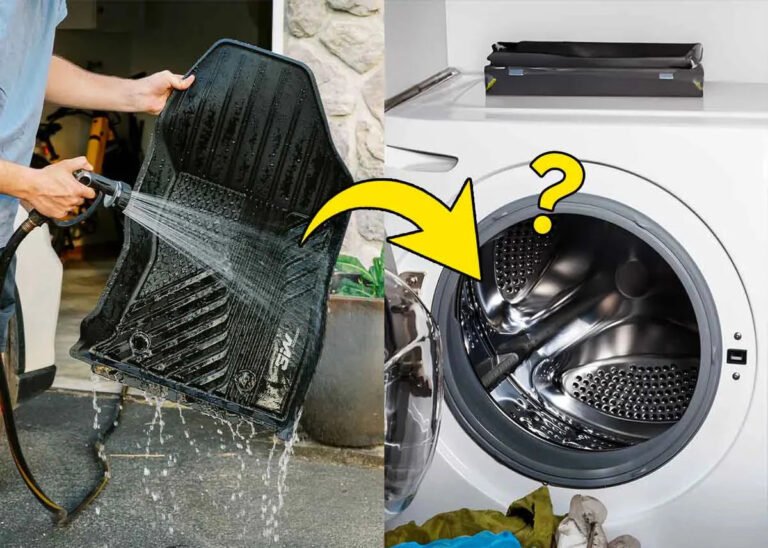
Floor mats collect dirt and stains fast. You may wonder if machine washing floor mats is safe. The answer depends on the mat’s material and condition. Understanding the best methods helps keep floor mats clean without damage. This guide covers cleaning car floor mats, washing rubber mats, and fabric mats safely.
For a deeper understanding of this mechanic, analyzing resources on machine washing carpets provides excellent foundational context. This knowledge helps apply similar care for floor mats made of various fibers or synthetic materials.
Knowing mat washing machine settings and detergents for mats washing is key. Let’s explore the best practices to keep your mats fresh and durable.
Types of Floor Mats and Their Washing Needs
Floor mats come in many forms. Rubber mats, fabric mats, synthetic mats, and natural fiber mats each need different care. Rubber mats resist water but can degrade with heat or harsh chemicals. Fabric mats absorb water easily but can shrink or fade if not washed right.
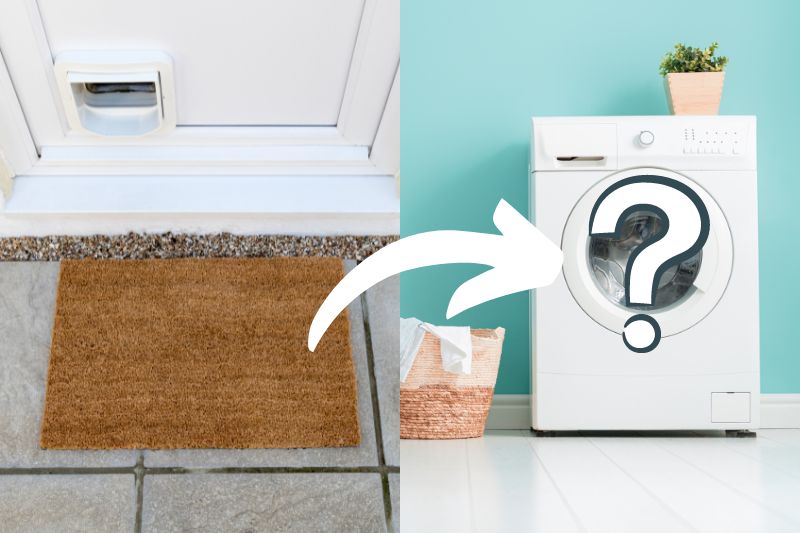
Washing synthetic mats often requires gentle cycles to avoid abrasion. Natural fiber mats like coir or jute should not go in the machine as they may break apart. Knowing your mat’s type guides you to the safest cleaning method.
| Mat Type | Machine Wash Safe | Recommended Water Temp | Drying Method |
|---|---|---|---|
| Rubber Mats | Yes, gentle cycle | Cold or warm | Air dry |
| Fabric Mats | Yes, delicate cycle | Cold or warm | Air dry or low heat dryer |
| Synthetic Mats | Often, gentle cycle | Cold | Air dry |
| Natural Fiber Mats | No | N/A | Spot clean |
Check manufacturer instructions whenever possible. Improper washing can cause mat damage or machine problems.
Preparation Before Washing Floor Mats
Before washing, remove loose dirt and debris. Shake mats outside or use a vacuum. Spot treat stains using mild soap or stain remover made for the mat’s material. Avoid bleach or harsh cleaners that may degrade fibers or rubber.
Check the mat’s size and weight to avoid overloading your washing machine. Heavy duty mats may strain your washer or cause imbalance. Using the right machine cycle protects both the mats and the machine.
For heavy soil, pre-soak mats in warm water with detergent before machine washing. This step improves soil removal and reduces machine wear.
Best Washing Machine Settings for Floor Mats
Choosing the right washing machine settings is crucial. Use cold or warm water to protect mats from heat damage. Select a gentle or delicate cycle to reduce machine agitation and abrasion.
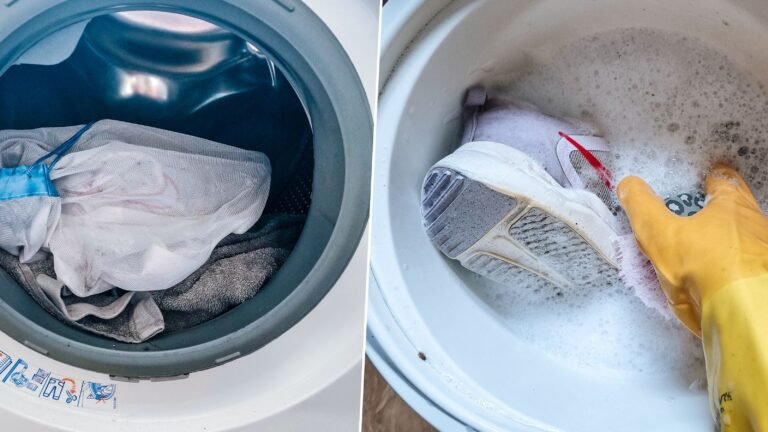
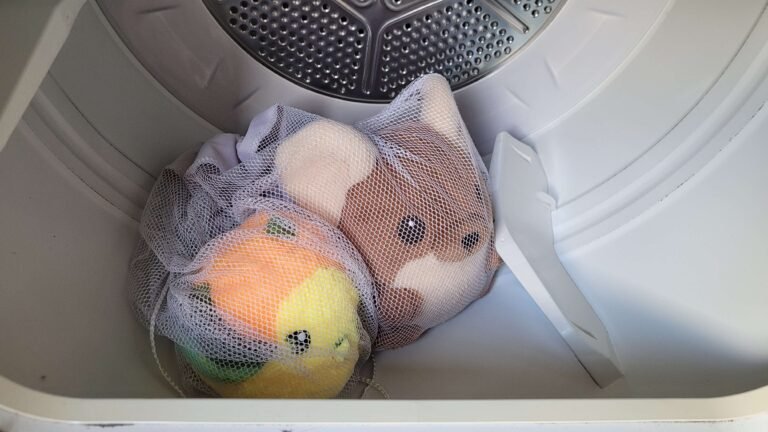
Avoid high spin speeds that may warp rubber mats or tangle fabric mats. Using a mesh laundry bag can shield fabric mats from rough machine parts. Detergents made for delicate laundry or synthetic mats clean well without harming materials.
For washing rubber mats, some experts recommend skipping the washing machine and using hose cleaning instead. But gentle machine washing is possible if done properly.
- Remove loose dirt.
- Pre-treat stains.
- Place mats in washer, use mesh bag if needed.
- Set machine to gentle cycle, cold water.
- Use mild detergent.
- Start wash and avoid heavy loads.
Using washing machines safely for mats means following these guidelines to avoid machine damage or mat wear.
Proper Drying Techniques for Floor Mats
Drying floor mats correctly extends their life. Air drying is best for most mats, especially rubber and fabric types. Lay mats flat or hang them to dry in a well-ventilated area. Avoid direct sunlight which may fade colors or warp materials.
If using a dryer for fabric mats, choose a low heat or air fluff option. Remove mats promptly to prevent wrinkles or shrinkage. Never dry natural fiber mats in a machine; they can shrink or get damaged.
Proper floor mat drying tips help maintain shape and prevent mold or mildew growth. Taking time to dry mats well is part of good floor mat maintenance.
Regular Floor Mat Care and Washing Frequency
Maintaining floor mats goes beyond washing. Regular shaking and vacuuming prevent dirt buildup. For car floor mats, cleaning every 1-3 months is standard. Heavily used or outdoor mats may need more frequent washing.
Industry consensus indicates that gentle cleaning methods and using recommended detergent keep mats in good shape longer. Avoid harsh chemicals or excessive machine cycles which cause abrasion.
Following a floor mats care guide helps schedule washing and spot cleaning to keep mats fresh and safe. Proper maintenance also protects your washing machine from damage caused by heavy or bulky mats.
| Maintenance Task | Frequency | Notes |
|---|---|---|
| Shake or vacuum mats | Weekly | Removes loose dirt |
| Spot clean stains | As needed | Use mild detergent |
| Machine wash | 1-3 months | Depends on use and soil |
| Air dry mats | After washing | Prevents mold and shrinkage |
Good mat hygiene also improves indoor air quality and appearance. For more on carpet floor mat cleaning, see our guide on machine washing carpets.
How to Remove Stains from Floor Mats
Stains on mats vary from mud to oil or spills. Removing them requires care. Use a gentle brush and mild detergent for fabric or synthetic mats. For rubber mats, a mixture of baking soda and water can help lift stains.
Avoid harsh chemicals that may weaken fibers or damage rubber. Pre-treat stains before washing to improve soil removal. For stubborn stains, repeat treatment rather than increasing washing temperature or cycle intensity.
Proper stain removal techniques keep mats looking new and prevent permanent damage.
Heavy Duty Mat Cleaning Tips
Heavy duty mats, such as those used outdoors or in garages, collect tough dirt and grime. For these, machine washing is often not enough. Hand scrubbing with strong brushes and pressure washing are better.
After heavy cleaning, mats can be rinsed and air dried. Avoid machine washing very heavy mats as they can damage your washing machine. Using a hose or specialized mat cleaning equipment is recommended.
Heavy duty mat cleaning requires more effort but protects both the mat and your washer from damage.
Conclusion: Safe Machine Washing of Floor Mats
Machine washing floor mats is possible when done carefully. Know your mat type—rubber, fabric, synthetic, or natural fibers—and follow manufacturer instructions. Use gentle cycles, mild detergents, and cold or warm water to avoid damage.
Proper preparation, washing machine settings, and drying methods ensure mats stay clean and last longer. Regular maintenance keeps mats fresh and protects your washing machine from heavy loads.
When in doubt, spot clean or hand wash to prevent damage. For expanding your knowledge on keeping your household textiles clean, reviewing how to clean a Samsung front loader washing machine offers useful insights on machine care that complements floor mat cleaning efforts.
Following these expert tips and precautions helps you safely and effectively wash floor mats in the washing machine. Your mats will look better, last longer, and your washer stays protected.
Frequently Asked Questions
Is it safe to wash rubber floor mats in a washing machine?
Yes, many rubber mats are washing machine safe if you use a gentle cycle and cold water. However, always check manufacturer instructions to avoid damage.
How often should you wash car floor mats?
Washing frequency depends on use and dirt buildup. Generally, mats should be cleaned every 1-3 months or more often if heavily soiled to maintain hygiene.
What detergent is best for washing floor mats?
Use a mild detergent free of bleach or strong chemicals. Detergents designed for delicate fabrics or synthetic mats work well to avoid damage.
Can fabric floor mats be dried in a dryer?
Fabric mats should ideally air dry to prevent shrinkage and damage. If using a dryer, choose a low heat or air fluff setting and monitor closely.
What water temperature is recommended for washing floor mats?
Cold or warm water is best to clean mats without causing shrinkage or weakening fibers. Hot water may damage rubber or synthetic materials.

Michael Peterson is a home appliance writer focused on practical washing machine care, maintenance, and troubleshooting. He shares simple, reliable tips to help readers keep their washing machines running efficiently, avoid common problems, and extend appliance life.