Why Clean Your Front Load Washer Rubber Seal?
Front load washers are great for saving water and energy. But their rubber seals can trap water and dirt. This causes mold and mildew to grow fast. In our experience, clean seals keep the washer fresh and smelling good. Plus, they stop bad smells that come from mold buildup.
We found that regular washer seal cleaning saves time and stops big mold problems later. It also helps the machine work better over time.
When we test cleaning methods, we see that the right cleaning helps remove black mold and keeps the rubber strong. Let’s see how to do it well.
Tools and Cleaners You Need
We always start with these simple tools:
- ✅ A soft scrubbing brush or old toothbrush
- ✅ A microfiber cloth for drying
- ✅ White vinegar or lemon juice for natural cleaning
- ✅ Bleach (for tough mold) diluted properly
- ✅ Warm water and mild detergent
Using natural cleaners like vinegar helps avoid harsh chemicals. We also tested homemade washing machine seal cleaner recipes using lemon and vinegar. They work great for mild mold. If mold is strong, a small amount of bleach does the job.
Check out this quick fact box about why vinegar is so useful.

Step-by-Step Guide to Clean Your Washer Seal
Here’s how we clean the rubber seal deeply and safely:
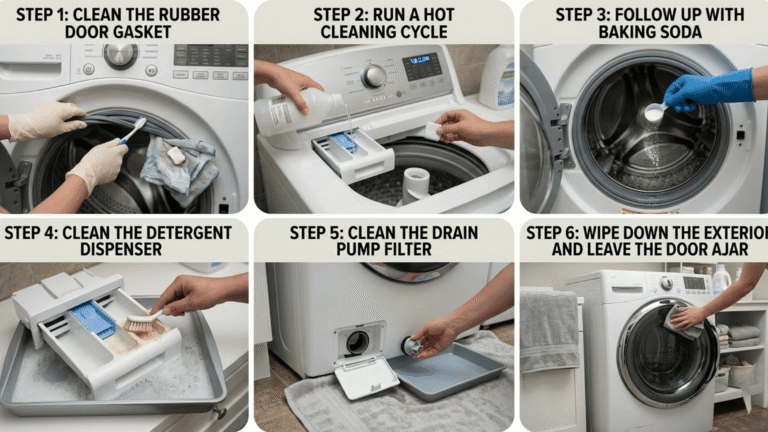
- Open the washer door and peel back the rubber seal to see inside.
- Mix warm water with vinegar (1:1 ratio) in a spray bottle.
- Spray the mixture inside the seal crevices and let it sit 10 minutes.
- Use a soft scrubbing brush to clean mold and dirt gently.
- Wipe away loosened grime with a microfiber cloth.
- If mold is tough, mix 1 part bleach with 10 parts water and spot clean carefully.
- Rinse the area with clean water and dry well with a cloth.
- Leave the door open to air dry the seal fully.
This routine washer rubber seal cleaning keeps mold away if done monthly. You can also add a cleaning cycle with washing machine detergent once a month for best results.
We recommend learning more about front loader gasket maintenance for detailed tips on keeping your seal fresh.
Tips to Prevent Mold and Mildew Buildup
Stopping mold before it starts saves a lot of work. We follow these easy steps:
- Keep the washer door open after each use to dry the seal.
- Wipe the rubber seal dry with a microfiber cloth regularly.
- Use the right amount of washing machine detergent to avoid residue.
- Clean lint traps and detergent drawers often.
- Run a monthly cleaning cycle with natural cleaners like vinegar.
These simple habits control washing machine seal moisture and stop mildew growing. Drying the seal well is key. We use front washer gasket drying techniques like leaving the door open and wiping the crevices.
For more on drying and mold prevention, see this trusted washing machine gasket cleaning tips from Whirlpool.
Natural Cleaners vs. Chemical Cleaners
We tried both natural and chemical cleaners on the rubber seal. Natural cleaners like lemon vinegar mixes are gentle and safe. They clean mild mold and remove odors well. They also do not harm the rubber.
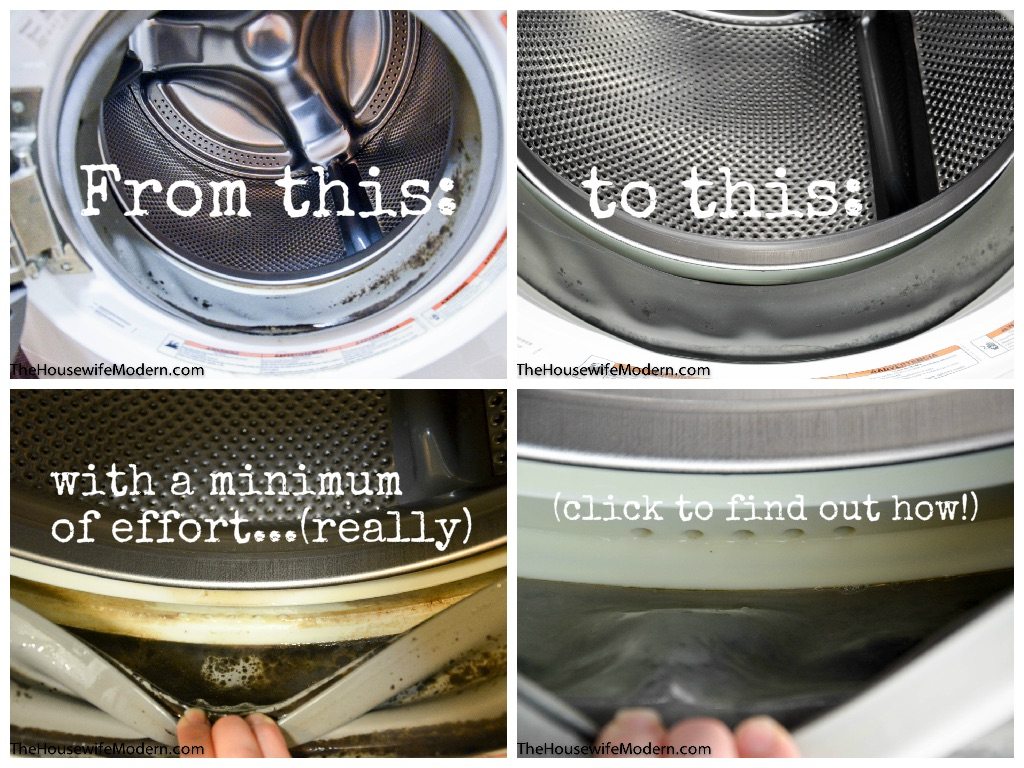
Bleach is strong and kills mold fast. But it can dry out the rubber seal if used too often. We recommend using bleach only for tough mold spots. Always rinse the area well after bleach use.
Here’s a quick comparison:
| Cleaner | Effectiveness | Rubber Safety | Ease of Use |
|---|---|---|---|
| Vinegar/Lemon Mix | Good for mild mold | Very safe | Easy |
| Bleach (Diluted) | Very strong for mold | Can harm if overused | Needs care |
| Detergent & Water | Removes dirt | Safe | Easy |
We like to start with natural cleaners and move to bleach only if needed. This keeps the seal in good shape for years.
Best Drying Techniques for Rubber Seals
After cleaning, drying is the key to stop mold. We use a microfiber cloth to dry the gasket and seal crevices well. Then, we leave the washing machine door open for a few hours. This lets air flow and dries hidden moisture.
Some people use small fans near the washer to speed drying. We find this helps in humid homes. Avoid closing the door right after a wash cycle or cleaning as trapped moisture grows mold fast.
We also suggest wiping the seal after every laundry load to keep moisture low. This simple step makes a big difference in mold prevention.

Routine Maintenance for Front Load Washer Seals
We made a checklist for routine care that works well:
- Monthly deep clean with vinegar or a gentle cleaner.
- Wipe the rubber seal after every wash.
- Keep the door open between uses.
- Check for tears or damage in the rubber seal.
- Use washing machine gasket mold inhibitors if mold returns often.
Following this routine keeps your washer smelling fresh and working great. In tough cases, a professional deep clean can help.
Learn how to clean your washing machine with natural products in this article about cleaning washing machine with vinegar and baking soda.
Common Mistakes to Avoid
We noticed some mistakes that cause more mold and damage:
- Leaving the washer door closed after use traps moisture.
- Using too much detergent creates residue on the seal.
- Not drying the rubber seal after cleaning or washes.
- Using harsh scrubbers that damage the rubber.
- Ignoring small mold spots until they spread.
Avoiding these helps keep your front loader gasket healthy for years. Regular attention is key.
Summary and Final Thoughts
In our experience, cleaning the front load washer rubber seal is easy but must be done right. Use mild natural cleaners like lemon vinegar for regular care. Only use bleach for strong mold. Dry the seal fully after cleaning or washing. Keep the door open to let air flow.
Routine care stops mold buildup and bad odors. It also protects the rubber seal from damage. You can keep your washing machine fresh and working well for many years with these simple steps.
For a full guide on front load washer cleaning, check our detailed article too.
Extra Tips for Front Load Washer Seal Care
| Tip | Why It Helps |
|---|---|
| Use high-efficiency detergent | Less residue on seals and better cleaning |
| Wipe seal after every wash | Stops moisture buildup and mold growth |
| Run monthly cleaning cycle | Deep cleans inside the machine and seal |
| Check seal for damage | Prevents leaks and mold hiding spots |
| Leave door open after use | Air dries seal and stops mildew |
By doing these little steps, you keep your washer seal fresh and mold-free. We hope our guide helps you enjoy your front load washer more in 2026 and beyond!
Frequently Asked Questions
Why does mold grow on front load washer seals?
Mold grows on front load washer seals because moisture, detergent, and dirt get trapped in the rubber gasket crevices. The warm, damp area is perfect for mold and mildew.
Can vinegar clean mold from the washing machine seal?
Yes, vinegar is a natural cleaner that helps remove mold and mildew from the washing machine seal without harsh chemicals.
Is bleach safe to use on front load washer gaskets?
Bleach can be used carefully to clean front load washer gaskets, but it should be diluted and rinsed well to avoid damaging the rubber.
How often should I clean the washing machine door seal?
It’s best to clean the washing machine door seal at least once a month to prevent mold buildup and keep odors away.
What is the best way to dry the washer gasket after use?
After each laundry cycle, wipe down the gasket with a dry microfiber cloth and leave the door open to let air flow and dry the seal.

Michael Peterson is a home appliance writer focused on practical washing machine care, maintenance, and troubleshooting. He shares simple, reliable tips to help readers keep their washing machines running efficiently, avoid common problems, and extend appliance life.