Introduction to Washing Machine Cleaning
Keeping your washing machine clean is key to fresh laundry. Over time, detergent residue buildup, mold, and mildew can cause bad odors. Both front load washers and top load washers need regular care. Proper washing machine maintenance helps keep bacteria and germs away. This guide covers effective washing machine cleaning methods and deodorizing techniques.
For a deeper understanding of these cleaning processes, analyzing resources on washing machine odor removal provides excellent foundational context.
Why Clean Your Washing Machine?
Washing machines collect dirt, fabric softener residue, and lint. Over time, these cause odor and mold growth. The washing machine drum and gasket are common spots for mold and mildew. Cleaning these parts prevents smells and keeps your washer hygienic. A clean machine also runs better and lasts longer.
Neglecting cleaning can lead to clogged washing machine filters and hoses. This reduces water flow and strains the motor. Regular cleaning also helps avoid bacteria build-up that can stain clothes.
Cleaning your washing machine is a small task that improves laundry quality and safety. It also saves money on repairs.
Key Washing Machine Cleaning Methods
There are simple ways to keep your washer clean. These include running cleaning cycles, manual cleaning of parts, and using natural cleaning agents like white vinegar and baking soda. Each method targets specific issues like mold removal or detergent residue buildup.
Some washers have a built-in cleaning cycle. This uses hot water to clean the drum and pipes. For other parts like the detergent drawer and gasket, manual cleaning is needed. Using anti-mildew sprays is also helpful to prevent mold growth after cleaning.
Cleaning The Washing Machine Drum
The drum is the heart of your washer. To clean it, run a hot water cycle with cleaning agents. White vinegar and baking soda are top choices. Vinegar breaks down residue and kills odor-causing bacteria. Baking soda neutralizes smells and removes stains.
Here is a simple cleaning cycle to refresh your drum:
- Set your washer to the hottest and longest cycle.
- Add 2 cups of white vinegar directly into the drum.
- Let the cycle run for a few minutes, then pause it and add 1/2 cup of baking soda.
- Resume the cycle and let it finish.
- Wipe the inside drum with a clean cloth once done.
This cycle helps remove residue and mold inside the drum. Repeat every 1-2 months for best results.
Front Load vs Top Load Cleaning
Front load washers tend to trap more water in the gasket, which makes mold removal harder. Top load washers generally dry faster but still need regular care.
Front load washer cleaning requires special attention to the rubber seal. Wiping it dry and cleaning with vinegar prevents mildew. For top loaders, clean the agitator and filter regularly to avoid build-up.
Here is a table comparing cleaning focus areas for both types:
| Cleaning Area | Front Load Washer | Top Load Washer |
|---|---|---|
| Drum | Hot water cycle with vinegar and baking soda | Hot water cycle with vinegar and baking soda |
| Gasket/Seal | Clean and dry after each use | Not applicable |
| Detergent Drawer | Remove and clean monthly | Less build-up, clean quarterly |
| Filter | Clean every 3 months | Clean every 1-2 months |
Regular maintenance of these parts keeps your machine fresh and odor-free.
Cleaning Detergent Drawer and Filters
Detergent drawers often trap fabric softener residue. This residue encourages mold and bacteria growth. Remove the drawer and soak it in warm soapy water. Use a soft brush to scrub away residue.
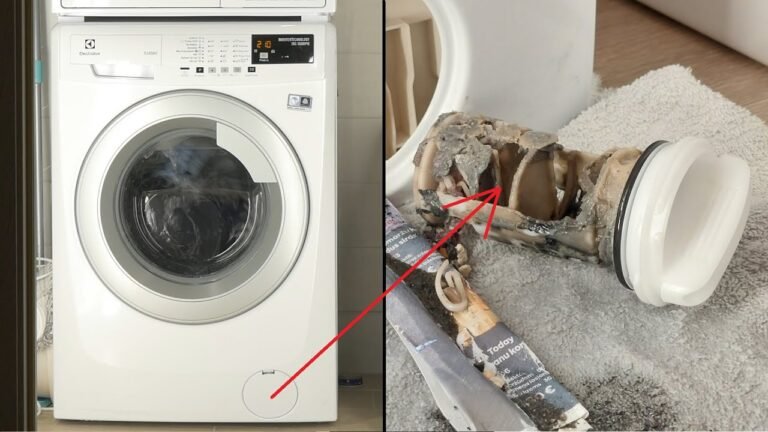
Washing machine filters catch lint and small debris. Cleaning these improves water flow and prevents drain problems. Locate the filter (often at the bottom front) and rinse it under running water. Remove lint and buildup.
Cleaning the filter regularly also helps prevent the washing machine smelling bad. Keep hoses checked for blockages as well.

Washing Machine Hose and Drain Cleaning
Drain hoses can clog with dirt and detergent residue. This leads to slow draining and foul smells. To clean hoses, disconnect them carefully and flush with water. Avoid kinks or sharp bends when reinstalling.
Drain cleaning cycles can complement manual hose cleaning. Run a cleaning cycle with vinegar and baking soda to flush out deposits. This supports overall washing machine hygiene and mildew prevention.
Good hose care extends machine life and keeps odors away.
Odor Elimination and Washing Machine Fresheners
After cleaning, keep your machine smelling fresh with deodorizing techniques. Leaving the door or lid open after use allows moisture to dry, limiting mold growth. Anti-mildew sprays and washing machine fresheners are available to prevent odors.
Natural fresheners like essential oils can be added to cleaning cycles. Avoid overusing detergent and fabric softener, as residue buildup causes smells. Use recommended amounts based on load size.
Here is a checklist to maintain washing machine freshness:
- ✅ Run cleaning cycle monthly
- ✅ Clean detergent drawer and filters
- ✅ Wipe gasket dry after use
- ✅ Keep door/lid open after washing
- ✅ Use washing machine fresheners or anti-mildew sprays
- ✅ Use correct detergent amounts
Expert Tips for Washing Machine Maintenance
Industry consensus indicates regular cleaning prevents costly repairs. Always use the hottest water settings for cleaning cycles. Avoid mixing bleach with vinegar as it can create harmful fumes.
Check hoses every few months for cracks or leaks. Replace if damaged. For stubborn mold in front load washers, carefully clean the rubber gasket with diluted vinegar using a cloth.
For detailed filter cleaning in specific brands, resources like how to clean filter in Whirlpool washing machine guide offer step-by-step help.
Conclusion
Cleaning and deodorizing your washing machine is easy with the right steps. Regular care prevents odor, mold, and damage. Use natural agents like white vinegar and baking soda to clean the drum and parts. Focus on the gasket, detergent drawer, filters, and hoses for a fresh machine.
Maintaining washing machine hygiene improves laundry results and machine lifespan. Follow these tips and cleaning cycles to keep your washer in top shape in 2026 and beyond.
For more specialized cleaning methods, you might also find the guide on washing machine odor removal useful.
Frequently Asked Questions
Why does my washing machine smell bad?
Bad smells come from mold, mildew, and detergent residue buildup inside the drum, gasket, or detergent drawer.
How often should I clean my washing machine?
Experts recommend cleaning your washing machine every 1 to 3 months, depending on usage, to avoid odors and buildup.
Can I use white vinegar to clean my washing machine?
Yes, white vinegar is a natural and effective cleaning agent that helps remove detergent residue and neutralizes odors.
What is the best way to remove mold from a front load washer?
Clean the rubber gasket and detergent drawer with a mixture of white vinegar and baking soda, then run a hot cleaning cycle.
How do I keep my washing machine smelling fresh?
Regularly clean the drum, gasket, filter, and hoses. Leave the door open after use and use washing machine fresheners.

Michael Peterson is a home appliance writer focused on practical washing machine care, maintenance, and troubleshooting. He shares simple, reliable tips to help readers keep their washing machines running efficiently, avoid common problems, and extend appliance life.