How Much Bleach To Use For Washing Machine Cleaning
When we clean our washing machines, the amount of bleach matters a lot. Using too much can harm the machine. Using too little won’t kill all the mold or remove odors. For most washers, one cup of regular chlorine bleach mixed into a full tub of water works well. This amount is enough to disinfect the washing machine drum and kill mold and mildew.
For front load washers, which often have tight seals and rubber gaskets, we found that using a half cup of bleach in the cleaning cycle is safer. This reduces the risk of damage to the washing machine seal while still disinfecting well. Top load washers can usually handle the full cup amount without issue.
It is important to check your machine manual before using bleach. Some newer models have special cleaning cycles designed to use bleach safely. These cycles control water temperature and timing to get the best results without corrosion.
Using bleach in laundry requires care. When adding bleach, always pour it into the bleach dispenser if your washer has one. Adding bleach directly onto clothes or detergent can cause stains or damage.
For more tips on safe bleach use, visit cleaning washing machines with bleach. It explains the bleach water ratio washer users should follow for best results.
Step-by-Step Guide To Bleach Cleaning Cycle In Washers
We always start by emptying the washer. Then, we add the right bleach amount into the dispenser or directly into the tub if no dispenser is available. Next, select the hottest water setting and the longest wash cycle.
Run the washer empty on this cycle. The hot water and bleach mix disinfect the drum and remove mold and detergent residue. After the cycle finishes, we run an extra rinse cycle to flush out bleach traces. This prevents odors and protects clothes from bleach damage later.
If your washing machine has a cleaning cycle designed for bleach, use it. These cycles optimize the bleach water ratio washer needs and avoid machine corrosion. They also clean the washing machine gasket and seal areas better than regular cycles.
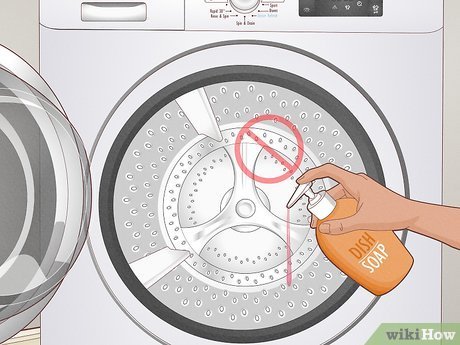
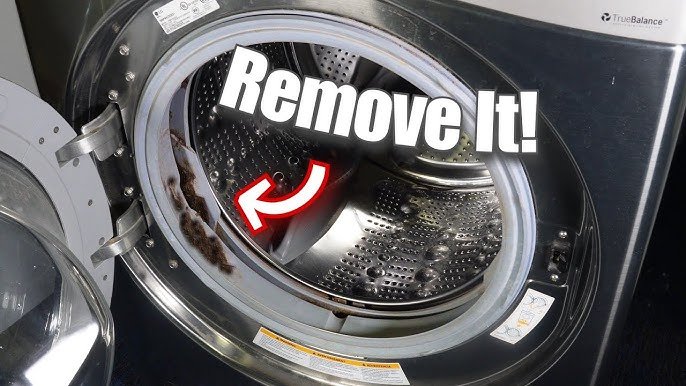
To wipe down the washing machine seal and gasket, we use a cloth dipped in a diluted bleach solution. This helps remove mold and mildew trapped in folds. Always wear gloves and avoid mixing bleach with other cleaners to stay safe.
For detailed steps on cleaning the rubber seal of front load washers, see our guide on cleaning front load washing machine rubber seal.
Safety Precautions When Using Bleach In Washing Machines
Bleach is strong and can cause harm if not used right. We always wear gloves when handling bleach and work in a well-ventilated room. Never mix bleach with ammonia or other cleaners. The fumes can be toxic.
We also follow the bleach water ratio washer guidelines from the machine manual. Too much bleach can corrode metal parts and damage rubber seals. This can cause rust and leaks over time.
Using bleach too often can harm your washer’s internal parts. We recommend cleaning with bleach only every 1 to 3 months. In between, you can use less harsh cleaners or vinegar for maintenance.
For those with septic systems, it is best to use bleach sparingly. Excess chlorine bleach can harm beneficial bacteria needed for septic health. Alternatives like vinegar or specialized washing machine cleaners are safer choices.
Learn more about washing machine maintenance tips and environmental safety in laundry at how to clean smelly laundry machine.
How To Remove Mold And Odors From Washing Machines
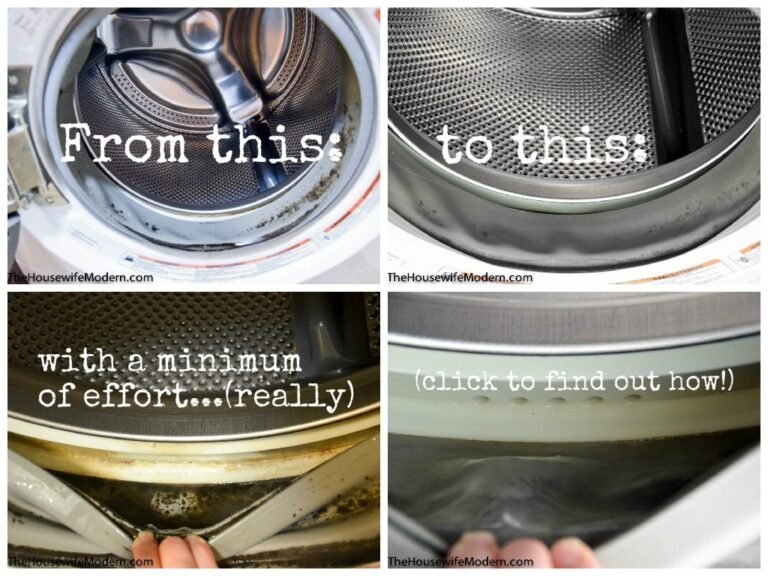
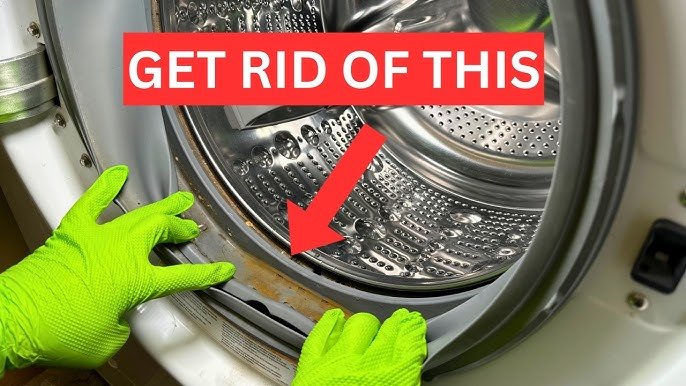
Mold and mildew can build up in washing machines, especially in front load models. They like damp, dark places like the washing machine gasket and detergent trays. Using bleach in the cleaning cycle helps kill these spores.
Besides bleach, wiping down the washing machine seal regularly stops mold growth. We use a soft cloth and mild bleach solution. After cleaning, leave the washer door open to dry the inside and prevent odors.
Detergent and fabric softener residue also cause smells. Running an empty wash cycle with warm water and bleach removes these residues. It keeps the washing machine drum fresh and clean.
We keep a cleaning schedule to avoid odor buildup. Cleaning the washer every few months with bleach, and wiping seals monthly, works well. You can also check our easy tips on how to clean washing machine with vinegar for regular odor control.
Top Load Vs Front Load Washer Bleach Use
Top load and front load washers differ in bleach use. Top loaders usually hold more water, so they need about one cup of bleach per cleaning cycle. Front loaders use less water and have tight seals, so we reduce bleach to half a cup.
Front load washers also have rubber gaskets that can trap mold. We clean these seals by wiping with diluted bleach. This step is less needed for top loaders since they don’t have deep seals.
The washing machine cleaning cycle bleach settings vary by model. Newer front load machines often have a special bleach cycle. Top load machines may need manual setting to the hottest water and longest wash cycle.
Here is a quick comparison table to help decide bleach use by washer type:
| Washer Type | Bleach Amount | Cleaning Cycle | Seal Cleaning |
|---|---|---|---|
| Front Load | 1/2 cup | Bleach cycle or hottest water | Wipe gasket with diluted bleach |
| Top Load | 1 cup | Longest hot water cycle | Not usually needed |
We always check the machine manual for special bleach use instructions. It helps prevent damage and keeps cleaning safe and effective.
:max_bytes(150000):strip_icc()/better-laundry-results-with-chlorine-bleach-2145786-v7-HL-FINAL-e11ceebba0164d7bb42dc7339233c0bc.jpg "6 Chlorine Bleach Tips for Better Laundry Results (Figure)")
Alternative Washing Machine Cleaners To Bleach
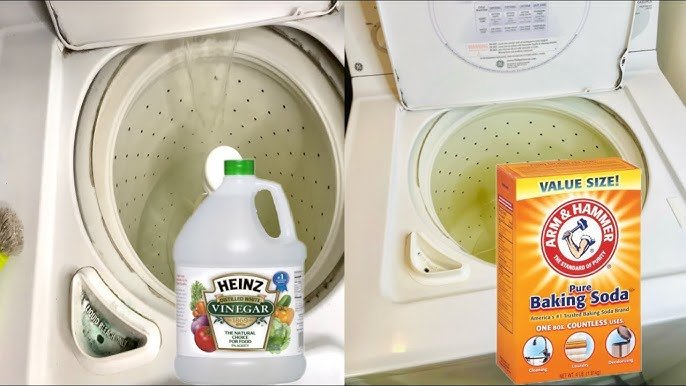
Bleach isn’t the only way to clean a washing machine. Some people prefer gentler or eco-friendly options. Vinegar and baking soda are popular. They remove odors and dissolve detergent residue well.
We mix 2 cups of white vinegar with hot water and run a cleaning cycle. Then, add half a cup of baking soda and run another cycle. This combo helps keep the washing machine drum fresh and mold-free without harsh chemicals.
There are also commercial washing machine cleaners that work without bleach. They target mold, rust, and detergent build-up safely. These products often include corrosion prevention agents to protect your machine.
Choosing the right cleaner depends on your washer type, cleaning frequency, and personal preference. We switch between bleach and vinegar methods depending on the level of dirt and mold.
For detailed steps on cleaning top loaders safely, see our guide on how to clean ge washing machine top loader.
Preventing Rust And Corrosion When Using Bleach
One concern with bleach use in washers is rust. Chlorine bleach contains sodium hypochlorite, which can corrode metal parts over time. We protect our washing machines by using the right bleach amount and rinsing well.
Always run a rinse cycle after cleaning with bleach. This removes leftover bleach water and stops corrosion. If your machine has metal parts exposed, wipe them dry after cleaning.
Check if your detergent or fabric softener leaves residue. Residue mixed with bleach can speed up rusting. Cleaning detergent residue washer regularly helps reduce this risk.
Here is a simple checklist to prevent rust when using bleach:
- ✅ Use recommended bleach amount only
- ✅ Run extra rinse cycles
- ✅ Wipe metal parts dry
- ✅ Clean detergent and softener residue often
- ✅ Follow machine manual instructions
Following these tips protects your washing machine and keeps it working longer.
How Often To Clean Washing Machine With Bleach
From our experience, cleaning your washing machine every 2 to 3 months with bleach strikes the right balance. It keeps mold and odors away without risking damage. If you do a lot of laundry or wash dirty clothes often, clean monthly.
For regular upkeep, wipe down seals and detergent trays monthly. Use alternative cleaners like vinegar in between bleach cleanings to keep the machine fresh.
Remember to always check your washer’s manual for recommended cleaning frequency and bleach use. Some models need less bleach or special cycles to avoid corrosion.
Keeping a cleaning calendar helps. Mark your bleach cleaning dates and seal wipes. This routine keeps your washer in top shape and your clothes smelling clean.
Summary And Final Tips
Using bleach to clean your washing machine is very effective if done right. Use about 1 cup for top load washers and half a cup for front load washers. Always run a hot water cleaning cycle and rinse well afterward.
Wear gloves and never mix bleach with other cleaners. Wiping down the washing machine seal regularly prevents mold. Clean the machine every 1 to 3 months depending on use.
For eco-friendlier options, try vinegar and baking soda. Protect your washer from rust by following bleach safety tips. Check your machine manual for all bleach use details.
For more advice on keeping your washing machine fresh and clean, explore our guide on cleaning whirlpool washing machine.
By following these tips, your washing machine will stay clean and last longer, and your laundry will smell great every time.
Frequently Asked Questions
How often should I clean my washing machine with bleach?
It is best to clean your washing machine with bleach every 1 to 3 months to prevent mold, mildew, and detergent build-up.
What is the best bleach concentration for washing machine cleaning?
A diluted bleach solution using about 1 cup of chlorine bleach in a full tub of water is effective and safe for most machines.
Can I use bleach in both top load and front load washers?
Yes, but the bleach amount and method vary slightly; front load washers often require less bleach and careful cleaning of seals.
Is it safe to use bleach regularly in my washing machine?
Using bleach occasionally is safe if you follow the machine manual and rinse cycles well. Overuse may cause corrosion.
Are there alternatives to bleach for cleaning washing machines?
Yes, vinegar and baking soda are popular alternatives that clean without harsh chemicals and are eco-friendly.

Michael Peterson is a home appliance writer focused on practical washing machine care, maintenance, and troubleshooting. He shares simple, reliable tips to help readers keep their washing machines running efficiently, avoid common problems, and extend appliance life.