Understanding Washing Machine Odor
Washing machines can develop bad smells over time. Most odors come from mold, mildew, or leftover detergent. Front load washers are more prone to odor because of their design. The rubber gasket can trap water and dirt, leading to a musty smell.
Top load washers also face odors from detergent residue and poor drain cleaning. Poor ventilation and high humidity in laundry rooms add to the problem. Knowing these causes helps prevent and eliminate odors effectively.
For those struggling with how to remove smell washing machine, understanding the source is the first step. This expert guide shares easy cleaning hacks and maintenance tips.
Industry consensus indicates regular cleaning and drying are key to odor-free washers. Using the right cleaners and methods keeps machines fresh and safe.
Common Causes of Smelly Washers
Several factors cause odors in washers. Mold and mildew grow in damp spots like the gasket and detergent drawer. Detergent residue builds up if you use too much or a low-quality detergent. This residue traps dirt and smells.
The washing machine drain and filter often hold trapped lint or debris. These can rot and cause bad odors. Also, low water temperatures fail to clean the drum well, allowing bacteria to grow.
Ventilation issues in laundry rooms trap moisture and stale air. This condition encourages mold growth on and around the machine. Checking and fixing these issues helps with washing machine smell prevention.
Understanding these causes is essential before starting cleaning. This knowledge guides which steps and products to use.
Leaving the door open is an easy way to stop mildew smell washer drum and gasket areas.
Effective Cleaning Methods
Cleaning a smelly washing machine requires addressing mold, mildew, and residue. Natural cleaners like vinegar and baking soda work best. Vinegar kills mold and removes mineral buildup. Baking soda is a mild deodorizer that lifts dirt and odors.
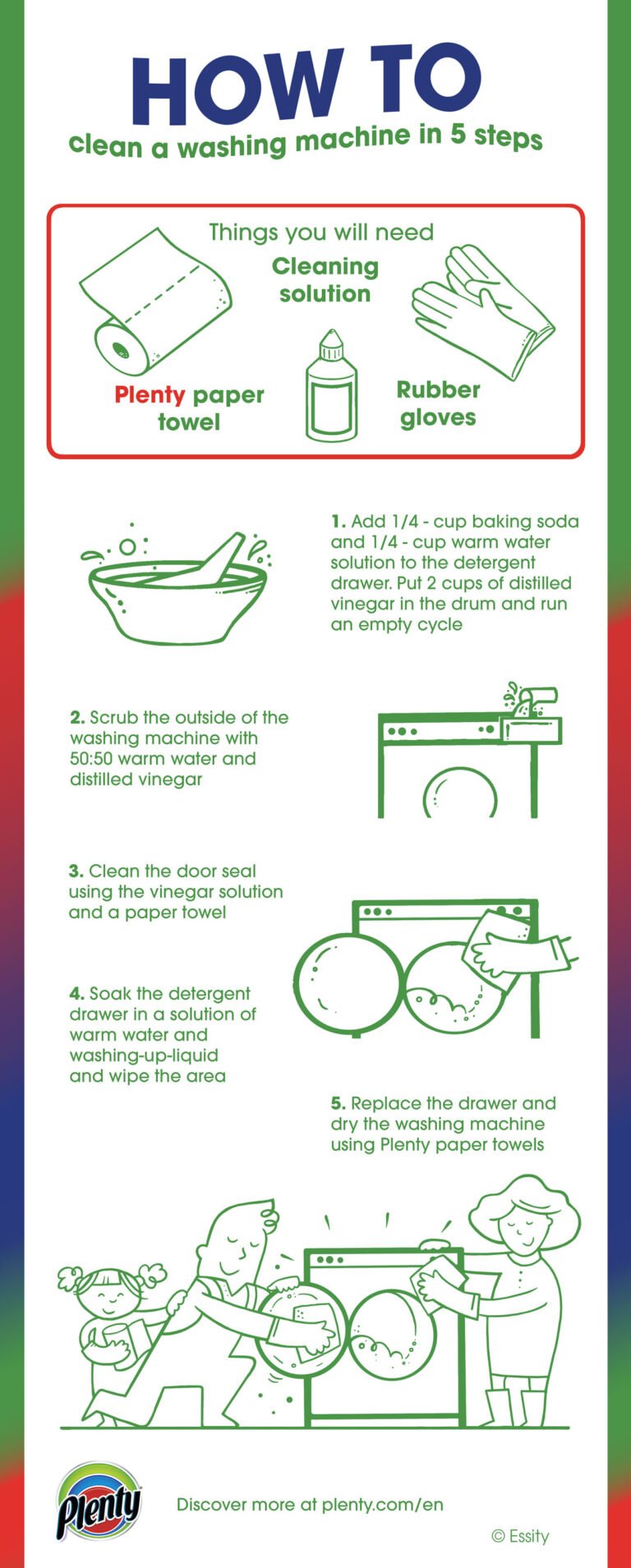
Start by wiping the gasket and detergent drawer with a vinegar solution. Run a hot wash cycle with 2 cups of vinegar inside the drum. Then, add half a cup of baking soda and run another hot cycle. This deep cleans the drum and removes musty smells.
For tough odors, diluted bleach can be used carefully. Avoid mixing bleach with vinegar or baking soda. After cleaning, wipe all parts dry and keep the door open to air out.
Using these steps regularly keeps front load washing machine and top load washer smell fix easy and effective.
For detailed step-by-step instructions on full cleaning and sanitizing, see this expert guide on how to clean and sanitize washing machine.

Many washing machine cleaning products in 2026 include enzyme-based cleaners. They break down residue safely without harsh chemicals.
Cleaning the Gasket and Drum
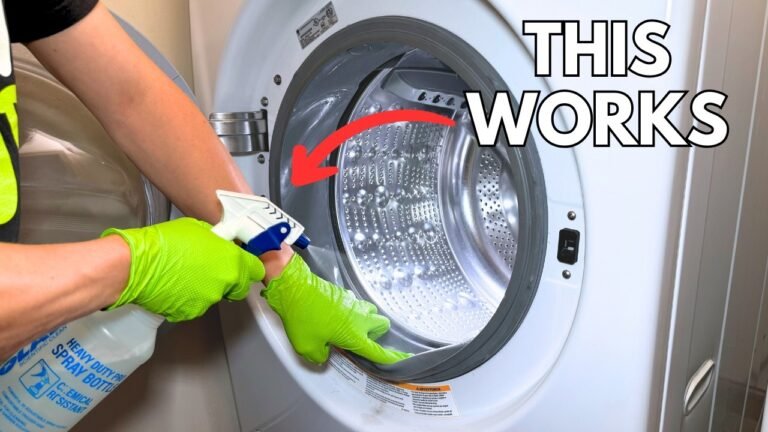
The rubber gasket around the door is a common place for mold and mildew. Pull back the gasket folds and wipe them with vinegar or a bleach solution. Use an old toothbrush to reach crevices.
The drum can hide detergent residue and dirt. Running cleaning cycles with vinegar and baking soda removes buildup. Some machines have a self-clean or tub clean cycle designed for this.
Regular gasket cleaning prevents washing machine mildew smell. This keeps your clothes fresh and the washer odor-free.
Experts recommend gasket cleaning monthly to avoid heavy mold growth. Use a microfiber cloth and avoid harsh scrubbing to protect the rubber.
1. Pull back rubber gasket gently.
2. Spray vinegar or bleach solution.
3. Scrub with soft brush.
4. Wipe dry with cloth.
5. Leave door open to dry.
Maintaining the Drain and Filter
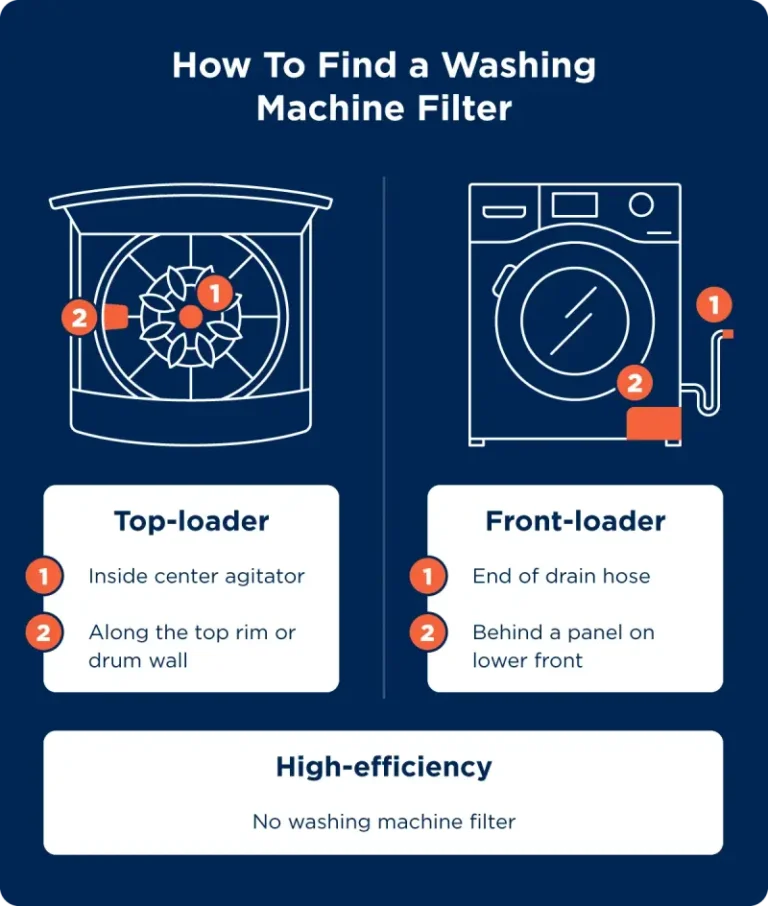
The washing machine drain hose and filter trap lint and water. These parts can hold smelly debris. Cleaning the drain hose can stop a washing machine drain smell. Remove lint from the filter or lint trap regularly, especially in top load washers.
Check the drain hose for clogs or kinks. Running hot water through it can flush out buildup. Some machines have removable filters at the bottom front. Clean these filters monthly to keep water flowing and odors low.
For more advice on cleaning filters and lint traps, read this guide on how to clean whirlpool washing machine filter top loader.
Preventing Washing Machine Odor
Prevention is easier than cleaning strong odors later. Use the right amount of laundry detergent and choose high-quality, low-residue brands. Avoid fabric softeners that leave buildup.
Use hot water cycles when possible to kill mold and bacteria. After every wash, leave the door open for airflow. Wipe the gasket dry if you live in a humid area.
Improve laundry room ventilation and reduce humidity with a fan or dehumidifier. Regularly clean the detergent drawer to prevent mold growth. Avoid leaving wet clothes inside the washer for long.

Following these washing machine maintenance tips keeps odors away and extends machine life.
- ✅ Use correct detergent amount
- ✅ Run hot wash cycles
- ✅ Leave door open after use
- ✅ Wipe gasket dry
- ✅ Clean detergent drawer monthly
- ✅ Improve laundry room ventilation
Natural Cleaners for Odor Removal
Vinegar and baking soda are top cleaners for washing machine odor. Vinegar’s acidity breaks down mold and mineral deposits. Baking soda neutralizes smells and lifts residue.
Mix half a cup of baking soda with 1 cup of vinegar to create a powerful cleaning solution. Use it in the drum or on the gasket. Avoid mixing them directly in the drum to prevent excess foaming.
These cleaners are safe, eco-friendly, and cost-effective. They are highly recommended for regular washing machine cleaning hacks in 2026.
For exact quantities and usage timing, check this guide on how much vinegar and baking soda to clean washing machine.
Safe Usage of Bleach in Cleaning
Bleach kills mold and bacteria efficiently but must be used with care. Never mix bleach with vinegar or baking soda. Use bleach for deep cleaning once every few months.
Add 1 cup of bleach to the bleach dispenser and run a hot wash cycle without clothes. This cleans the drum and removes stubborn odors. Afterward, run a rinse cycle to clear bleach residue.
Always ventilate the laundry area when using bleach. Wear gloves to protect your skin. Avoid frequent bleach use as it can damage rubber seals over time.
For more detailed advice on bleach use in washers, see this resource on how to use bleach in washing machine.
Laundry Room Odor Control
The laundry room environment affects washing machine odors. High humidity and poor airflow lead to mold and mildew. Use a fan or dehumidifier to keep air dry and fresh.

Clean the laundry room regularly. Remove dust and lint near the washer. Use baking soda or charcoal bags in the room to absorb odors naturally.
Good laundry room habits support washing machine smell prevention. Combine them with washer cleaning for best results.
Comparison of Cleaning Products
Many products claim to remove washing machine odors. Here is a table comparing common choices:
| Product | Effectiveness | Safety | Use Frequency | Cost |
|---|---|---|---|---|
| White Vinegar | High | Safe | Monthly | Low |
| Baking Soda | Medium | Safe | Monthly | Low |
| Bleach | Very High | Use with Care | Quarterly | Medium |
| Enzyme Cleaners | High | Safe | Monthly | Medium |
| Commercial Odor Removers | Varies | Check Label | As Needed | High |
Natural products like vinegar and baking soda are preferred for regular maintenance. They are safe for the environment and machine parts.
Washing Machine Maintenance Tips
Regular maintenance prevents odors and prolongs machine life. Clean the gasket, drum, drain, and filter monthly. Use natural cleaners to avoid damage.
Check hoses for leaks or blockages. Use proper detergent amounts. Avoid overloading the machine. Always dry the washer after use and keep the door open.
Schedule deep cleaning every 2-3 months. Follow manufacturer instructions for your model. This keeps your machine running smoothly and smelling fresh.
These tips ensure your washing machine stays clean and odor-free throughout 2026 and beyond.
Conclusion
Removing smell from a washing machine requires understanding the causes and using proper cleaning methods. Mold, mildew, detergent residue, and poor ventilation cause odors. Regular cleaning with vinegar, baking soda, and occasional bleach works best.
Cleaning the gasket, drum, drain, and filter prevents odor buildup. Proper laundry room ventilation and maintenance habits stop smells before they start. Using expert tips and recommended products keeps your washer fresh and your clothes clean.
For a deeper understanding of this mechanic, analyzing resources on products to remove funky smell from washing machine provides excellent foundational context.
Frequently Asked Questions
What causes washing machine odors?
Washing machine odors come from mold, mildew, detergent buildup, and poor ventilation. These create a musty or sour smell inside the drum and gasket.
How can I remove a mildew smell from my washer?
Cleaning the washer drum, gasket, and detergent drawer with vinegar and baking soda helps remove mildew. Running a hot wash cycle with these cleaners also kills mold.
Is vinegar safe to use for washing machine odor removal?
Yes, vinegar is safe and effective to deodorize washers. It dissolves mineral buildup and kills mold without harming machine parts.
How often should I clean my washing machine to prevent odors?
Experts recommend cleaning the washing machine every 1 to 3 months depending on use. Regular cleaning stops mold and mildew buildup and keeps odors away.
Can I use bleach to clean my washing machine?
Bleach can remove mold and odors but should be used cautiously. It is best for occasional deep cleaning and should not be mixed with vinegar or other cleaners.

Keith Boyd Is A Seasoned Appliance Care Expert With Over A Decade Of Experience In Home Appliance Maintenance. His Authoritative Insights On Washing Machine Care And Upkeep Are Trusted By Homeowners Nationwide. With A Passion For Educating Others, Keith Shares Valuable Tips That Ensure Your Appliances Run Smoothly For Years To Come.