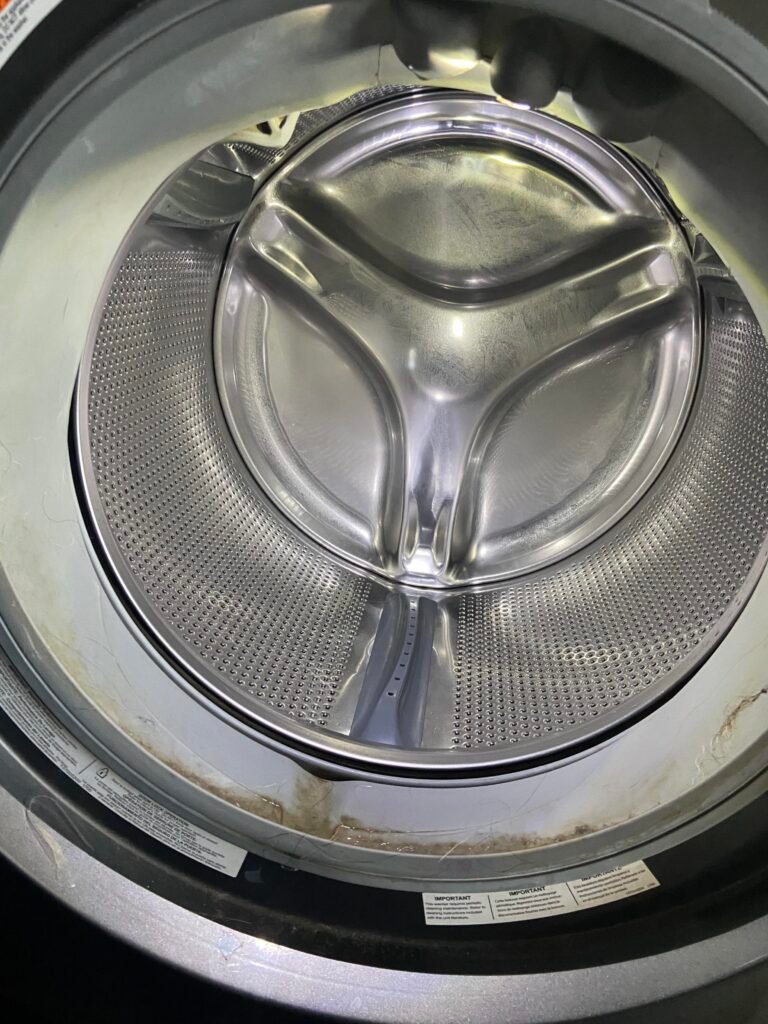
Understanding the Washing Machine Agitator
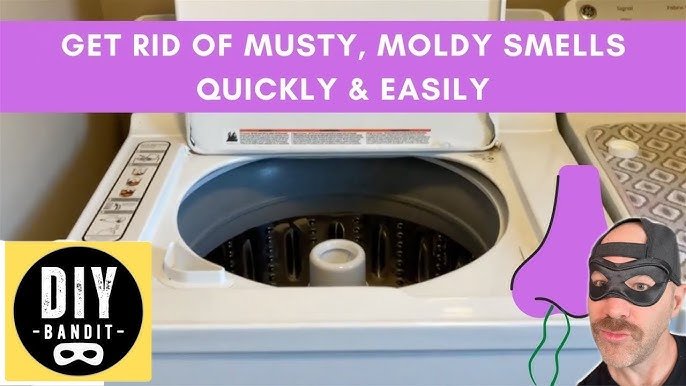
The washing machine agitator is the tall spindle in the center of many top-load washers. It moves clothes during a wash cycle by twisting and turning. Over time, detergent residue, lint. And hard water deposits build up inside and around it. This can cause odors and reduce cleaning power. Proper washing machine maintenance means cleaning this part regularly.
Cleaning inside the agitator helps prevent mold and mildew growth. Mold can hide in rubber seals and crevices of the agitator. Industry consensus indicates routine cleaning keeps the drum fresh and stops washing machine odor. For a deeper understanding of this mechanic, analyzing resources on how to clean inside agitator in washing machine provides excellent foundational context.
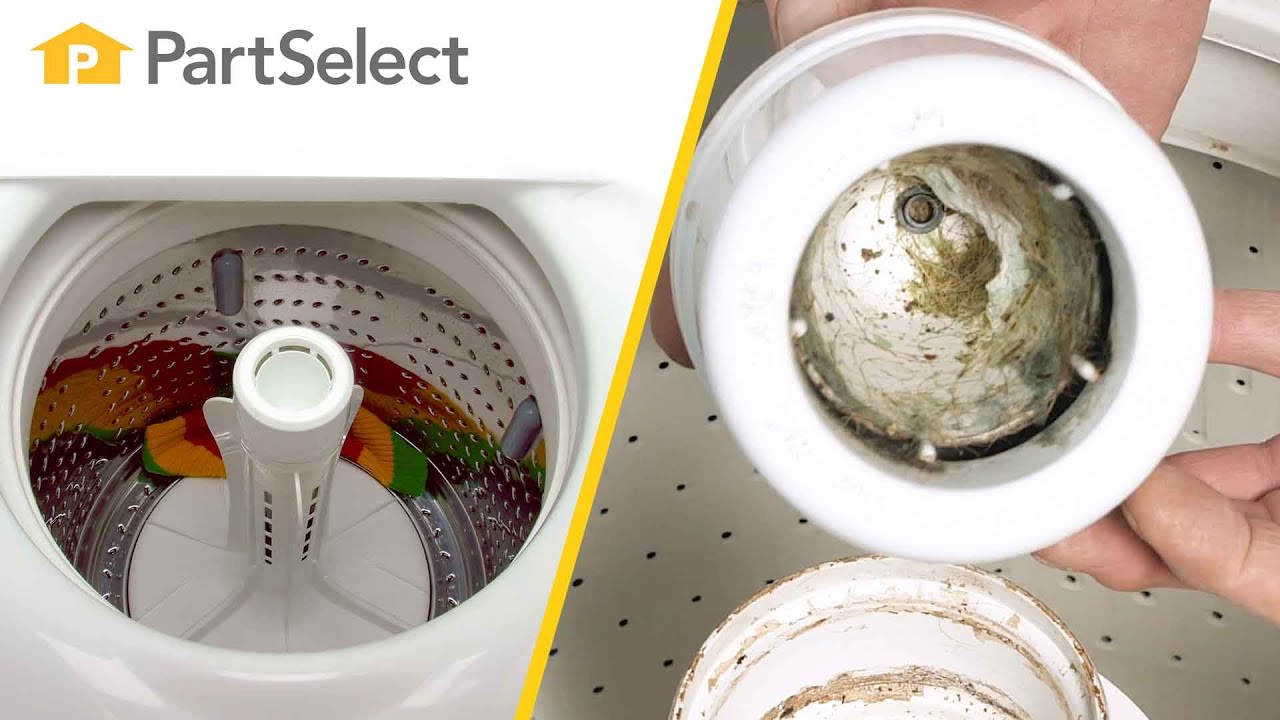
Regular care also reduces clogged washing machine agitator issues. When buildup blocks the agitator, the machine may agitate poorly or make strange noises. Fixing this requires partial disassembly and cleaning.
Tools Needed for Cleaning
Before you begin, gather these items for safe and effective cleaning:
- ✅ White vinegar – dissolves hard water deposits and kills mold
- ✅ Baking soda – a gentle scrubber that removes residue
- ✅ Soft brush – reaches crevices without damage
- ✅ Cleaning cloth – for wiping and drying
- ✅ Hot water – helps loosen buildup
- ✅ Household disinfectant – optional for extra mold removal
Using these safe washing machine cleaning methods prevents damage to the agitator and drum. Avoid harsh chemicals that can harm plastic or rubber parts.
Step-by-Step Guide to Clean Inside Agitator
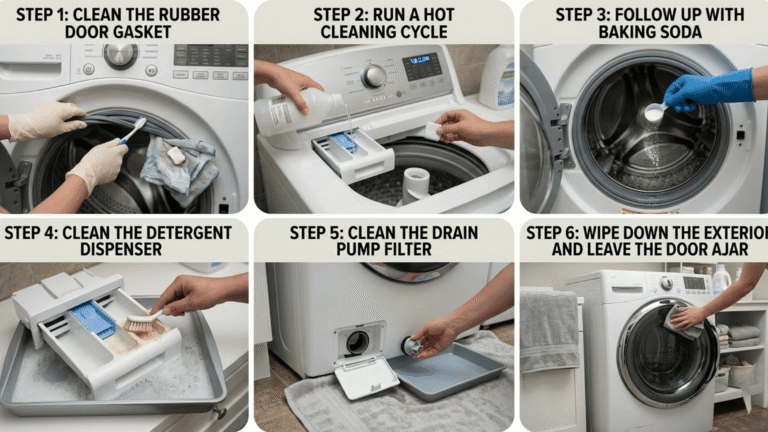
Cleaning the agitator inside requires a few careful steps. Follow this guide to clean buildup and mold by hand:

- Unplug the washing machine to ensure safety.
- Remove the fabric softener dispenser if your agitator has one. Usually, it twists off.
- Locate and remove the bolt or cap holding the agitator. This may require a socket wrench.
- Lift the agitator straight up to detach it from the drum.
- Fill a bucket with hot water, 2 cups of vinegar. And 1/4 cup of baking soda.
- Soak the agitator parts in the mixture for 30 minutes to loosen residue and mold.
- Use a soft brush to scrub inside the agitator and all nooks.
- Rinse thoroughly with clean water.
- Wipe dry with a cleaning cloth and optionally spray household disinfectant.
- Reattach the agitator and bolt securely.
- Run a short hot water cycle without clothes to flush the machine.
This DIY washing machine cleaning method is safe and effective. Regular cleaning frequency depends on water hardness and usage but aim for every 3 to 6 months.
Keeping the agitator clean reduces washing machine residue cleaning needs elsewhere. Mold and detergent buildup often start here.
Preventing Washing Machine Odor and Mold
Preventative care is key to avoiding washing machine agitator mold and foul smells. After cleaning, leave the lid open to air dry the drum and agitator. This stops mold and mildew growth.
Use safe washing machine cleaning solutions like vinegar regularly. A monthly rinse cycle with vinegar and baking soda helps. Also, wipe rubber seals and detergent dispensers often to remove lint buildup. Proper water hardness treatment reduces hard water deposits inside the machine.
These household appliance cleaning tips keep your washing machine fresh and efficient. Ignoring agitator buildup can clog the agitation mechanism and cause poor cleaning.
Cleaning Hard Water Deposits
Hard water causes mineral deposits that clog washing machine parts. The agitator is no exception. White vinegar is excellent for breaking down these deposits safely.
If you notice white crust or rough texture on your agitator, soak it in hot vinegar solution longer. You may need to scrub gently with a soft brush. Avoid metal brushes that can scratch surfaces.

Below is a comparison table showing common cleaning agents and their effects on washing machine agitator buildup:
| Cleaning Agent | Effectiveness on Residue | Safety for Agitator |
|---|---|---|
| White Vinegar | High | Safe for plastic and rubber |
| Baking Soda | Medium | Gentle scrubber |
| Bleach | High (mold) | May damage rubber seals |
| Commercial Cleaners | Varies | Check label for safety |
Using a vinegar and baking soda mix is the best balance of safety and power for agitator cleaning. You can also find eco-friendly washing machine cleaning products in 2026 that work well.
How to Fix Washing Machine Agitator Problems
If the agitator clogs or stops agitating well, cleaning is the first fix. Sometimes the agitator bolt loosens, causing wobble. Tighten it to restore function.
For stubborn clogs, disassemble and clean inside the agitator as explained earlier. If worn or broken, replacing the agitator may be necessary. Consult your washing machine manual or manufacturer for parts.
Proper maintenance increases agitator life span and keeps your laundry appliance running smoothly.
Industry guides recommend checking the agitator every few months as part of washing machine maintenance. This helps catch and fix small issues early.
Recommended Cleaning Frequency
Cleaning the agitator every 3 to 6 months is ideal. If you have hard water or use strong detergents, clean it more often. Also, if you notice bad washing machine odor or residue buildup, clean immediately.
Running a monthly vinegar rinse cycle with baking soda will keep the drum and agitator fresh. Daily preventative care includes keeping the lid open after use and wiping seals.
Below is a simple checklist for washing machine agitator care:
✅ Scrub with soft brush and vinegar solution
✅ Wipe rubber seals monthly
✅ Run vinegar rinse cycle monthly
✅ Keep lid open to air dry after use
Following this routine avoids clogged washing machine agitator and mold buildup.
Conclusion
Cleaning inside the washing machine agitator is key to maintaining your washer’s health. It removes detergent residue, mold. And hard water deposits that cause odor and mechanical issues. Using safe cleaning agents like vinegar and baking soda with a soft brush ensures effective and gentle care.
Regular inspection, cleaning every few months. And good drying habits prevent mold and buildup. If problems persist, disassemble and clean inside the agitator or seek professional repairs. For a thorough understanding of detailed cleaning techniques, trusted resources such as Whirlpool’s guide on cleaning washing machine agitator provide excellent information.
With these household appliance cleaning tips, you can extend your washing machine’s life and keep your laundry fresh in 2026 and beyond.
Frequently Asked Questions
Why should I clean the washing machine agitator?
Cleaning the agitator removes detergent residue, mold, and buildup that cause odors and reduce cleaning performance.
How often should I clean my washing machine agitator?
Industry experts recommend cleaning the agitator every 3 to 6 months to prevent buildup and maintain hygiene.
Can I use vinegar to clean the agitator?
Yes, vinegar is a safe and natural cleaning agent that helps dissolve hard water deposits and kills mold.
How do I remove a clogged washing machine agitator?
You can disassemble the agitator carefully, clean inside with a soft brush and vinegar solution, then reassemble it properly.
What tools do I need to clean the agitator by hand?
A soft brush, cleaning cloth, vinegar, baking soda, and hot water are essential for safe and effective agitator cleaning.

Michael Peterson is a home appliance writer focused on practical washing machine care, maintenance, and troubleshooting. He shares simple, reliable tips to help readers keep their washing machines running efficiently, avoid common problems, and extend appliance life.