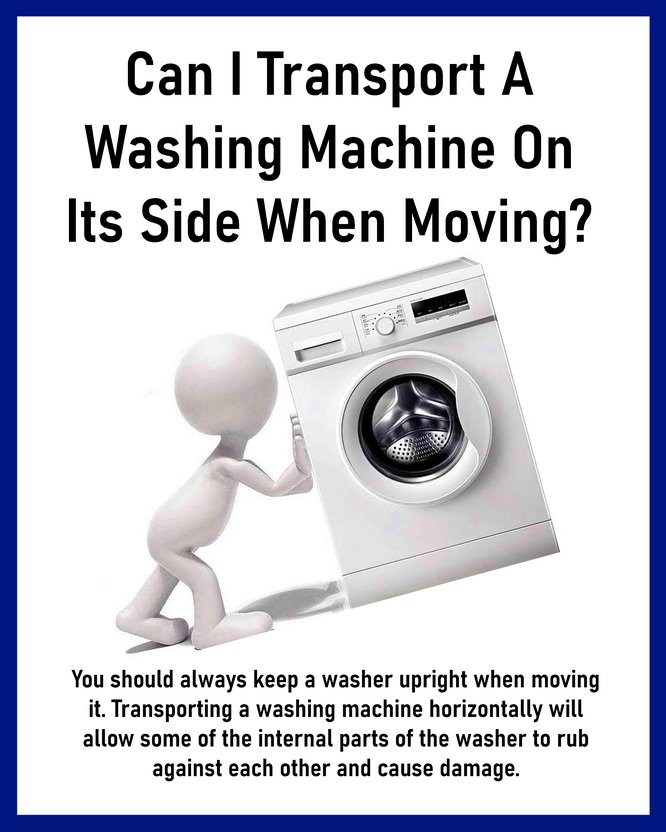
Introduction to Washing Machine Transport
Moving a washing machine can be tricky. Many wonder if a washing machine can lie sideways during transport. Industry consensus indicates this is risky. Most manufacturers recommend keeping washers upright. This is because the internal parts like the drum and pump can be damaged by improper orientation.
For a deeper understanding of this mechanic, analyzing resources on washing machine side-lay considerations provides excellent foundational context. Also, learning safe appliance moving practices helps prevent damage and maintain warranty coverage.
Understanding how to transport a washing machine safely ensures it works well after the move. This guide covers key points about front-load and top-load washers, tilt limits, and installation guidelines.
Can You Lay a Washing Machine on Its Side?
Generally, laying a washing machine on its side is not advised. The washing machine drum and shock absorbers inside are designed for vertical use. When tilted excessively, the drum can shift and damage the tub or suspension springs. This can cause machine damage during transport.
Front-load washers are especially sensitive. Their tubs are suspended with vibration dampers and shock absorbers that can be harmed by sideways position. Top-load washers have a more robust design but still risk damage to internal hoses and pumps if laid down.
Most washing machine manuals specify tilt limits. Usually, the machine should not be tilted more than 45 degrees. Laying it flat or on its side often exceeds these limits. Doing so can increase the risk of leaks and pump damage.
According to moving washing machine safety tips, it is best to transport the appliance upright. If laying it sideways is unavoidable, ensure the machine is placed on its side carefully and secured well to avoid shocks and vibrations.
Front-Load Washer vs Top-Load Washer Orientation
Front-load washers have a horizontal drum and sensitive suspension parts. Their design makes them vulnerable to damage if tilted improperly. The tub may hit the outer shell, or shock absorbers may be compressed incorrectly.
Top-load washers feature a vertical drum and usually a more solid suspension. They tolerate slight tilting better but still should not be laid flat. The pump and internal hoses can be stressed if the orientation changes too much.
Always follow washing machine installation guidelines from the manufacturer. These guidelines explain the safe tilt limits and transport methods to prevent warranty voiding and costly repairs.
Checking the washing machine manual instructions is critical. It offers specific advice on how to move and install the washer safely.
Appliance Handling Precautions
When moving a washing machine, secure the drum with a shipping lock or brace if available. This reduces drum movement and damage risk. Avoid rough handling or sudden shocks.
Use proper appliance movers or dollies to keep the machine upright. If stacking washing machines for shipping, make sure to follow manufacturer recommendations carefully.
Also, prevent washing machine leaks by draining all water and disconnecting hoses before transport. Internal hoses and pumps can be damaged by water sloshing inside.
Checking the washer for a tilt sensor or locking mechanism can help prevent damage. Some modern washers detect improper tilt and warn the user.
Safe Appliance Moving Practices
Follow these steps to move your washing machine safely:
- Turn off power and water supply.
- Drain all water and disconnect hoses.
- Secure the drum with shipping bolts or braces.
- Keep the machine mostly upright; do not exceed tilt limits.
- Use a dolly or appliance mover for transport.
- Protect the machine from shocks and vibrations.
- Allow the washing machine to sit upright for hours before use.
Following these steps reduces the risk of internal damage and extends the life of your washer. For more detailed advice, see the discussion on moving washing machines safely.
Preventing Damage and Leaks After Transport
After moving, check the washing machine for leaks or unusual sounds. It is important to inspect internal hoses and the pump for any damage.
Run a test cycle without clothes to verify proper operation. If you notice leaks or noises, do not use the washer until repaired. This prevents further damage.
Sometimes, damage from transport requires appliance repair. Contact a professional if unsure about the machine’s condition after moving.
Regular maintenance and following installation manuals help keep your washer in good condition.
Washing Machine Tilt Limits Comparison
The table below compares tilt limits for front-load and top-load washers during transport.
| Washer Type | Recommended Max Tilt | Risk of Damage |
|---|---|---|
| Front-Load Washer | Up to 45° | High if exceeded |
| Top-Load Washer | Up to 45° (some models allow more) | Moderate if exceeded |
| Both Types | Never lay flat or on side | Severe damage possible |
Always consult your washer’s user guidelines for exact limits. Staying within these tilt limits avoids internal damage and warranty issues.
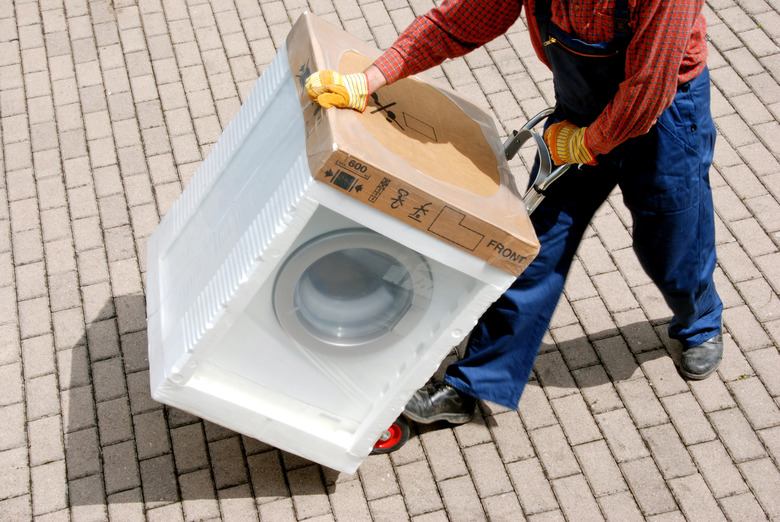
Improper orientation can harm the pump and drum. The tilt sensor in some models alerts users to unsafe positions.
Installation Guidelines and Best Practices
Once moved, install the washing machine on a level surface. Follow the manufacturer’s installation manual closely. Proper leveling prevents shaking and extends appliance life.
Check that all hoses are securely connected and free of leaks. Also, plug the washer into a grounded power outlet for safety.
Do not stack washing machines unless the manufacturer approves. Stacking can cause strain and damage if not done properly.
Proper installation ensures the machine runs quietly and efficiently, reducing repair needs.
Summary and Expert Insight
In summary, laying a washing machine on its side during transport is risky. Both front-load and top-load washers should mostly remain upright. Following washing machine transport do’s and don’ts prevents damage to the drum, pump, and hoses.
Experts advise securing the drum, using appliance movers, and respecting tilt limits. After transport, let the machine rest upright before use. Inspect for leaks and test run the washer.
Maintaining these safe appliance moving practices protects your investment and ensures long-term performance.
For more details on washing machine parts, see our guide on what is a drum in washing machine.
Also, if you want tips on cleaning after moving, check out our advice on how to wash a towel in the washing machine.
⚖️ Pros & Cons of Tilting Washing Machines During Moves
| Pros | Cons |
|---|---|
| May fit better in tight spaces | Risk of internal drum and pump damage |
| Sometimes necessary for small vehicles | Increased chance of leaks and warranty void |
| Can reduce shaking during transport if secured | Shock absorbers may wear out faster |
While tilting has some practical uses, the risks often outweigh the benefits. Plan moves to keep washers upright as much as possible.
📑 Quick Facts: Transporting Washing Machines
- ✅ Always drain water before moving.
- ✅ Use shipping bolts to lock the drum.
- ✅ Limit tilt to 45 degrees maximum.
- ✅ Let machine stand upright for hours before use.
- ✅ Check hoses and pump for leaks after moving.
Following these quick facts helps prevent expensive damage and repair calls.
📌 Step-by-Step Guide to Moving Your Washing Machine
- Unplug the washer and turn off water.
- Drain all water from hoses and tub.
- Secure drum with shipping bolts.
- Use a dolly to keep washer upright.
- Transport carefully, avoiding sharp turns and bumps.
- Set washer upright at new location.
- Wait 3-4 hours before reconnecting and testing.
This guide ensures safe transport and installation of your washing machine.
Conclusion
Industry consensus warns against laying washing machines on their sides. The internal drum, shock absorbers, and pump are at risk. Both front-load and top-load washers should remain mostly upright during transport.
Following washing machine installation guidelines and safe moving practices minimizes damage risk. It also helps maintain your warranty and machine performance.
Always secure the drum, drain water fully, and handle the appliance carefully. After moving, let the machine rest upright and run a test cycle to check for leaks or damage.
By respecting these precautions, you protect your washing machine’s life and avoid costly repairs.
For further reading on moving appliances, check out community discussions on washing machine transport in SUVs. These forums offer valuable user experiences and advice.
Frequently Asked Questions
Is it safe to lay a washing machine on its side during transport?
Laying a washing machine on its side is generally not recommended. It can cause internal damage to the drum, shock absorbers, and pump. Front-load washers are especially sensitive to being tilted. Manufacturers advise keeping the machine upright as much as possible.
What are the risks of transporting a washing machine lying sideways?
Transporting a washing machine on its side can lead to tub misalignment, shock absorber damage, and pump issues. Internal hoses may leak, and vibration dampers can be harmed. These damages may void warranties and require costly repairs.
How should I move a washing machine safely?
Safe appliance moving practices include securing the drum with a locking mechanism, keeping the washer mostly upright, and avoiding excessive tilting. Use appliance movers or dollies. Follow the washing machine manual instructions for transport and installation.
Can front-load and top-load washers be transported the same way?
No, front-load washers have more sensitive internal parts and usually require strict upright positioning. Top-load washers are a bit more tolerant but still should not be laid flat or on their sides for long. Always check the installation manual for specific orientation guidelines.
What should I do after transporting my washing machine?
After transport, let the washing machine sit upright for several hours. Check for leaks or unusual noises. Inspect internal hoses and the pump. Run a test cycle without clothes to ensure proper function and prevent damage.

Michael Peterson is a home appliance writer focused on practical washing machine care, maintenance, and troubleshooting. He shares simple, reliable tips to help readers keep their washing machines running efficiently, avoid common problems, and extend appliance life.