Introduction to Top Loading Washing Machine Drum Cleaning
Top load washing machines are popular for their ease of use and fast wash cycles. However, the washing machine drum can collect mold, mildew, and detergent residue. This buildup leads to washing machine odor and poor laundry hygiene. Cleaning the washing machine drum regularly is key to maintaining performance and preventing damage.
For a deeper understanding of this mechanic, analyzing resources on how to clean a washing machine provides excellent foundational context. Additionally, knowing how to clean softener dispenser in washing machine can enhance your maintenance routine.
Let’s explore effective cleaning methods, maintenance tips, and prevention ideas to keep your top loader drum hygienic in 2026.
Why Clean the Washing Machine Drum?
The washing machine drum is where clothes are washed. Over time, mold and mildew can grow in damp areas. Detergent and fabric softener residue also build up, causing bacterial buildup and odor.
Cleaning removes these deposits, which can prevent washing machine drum damage and rust stains. It also ensures clothes come out fresh and clean.
Regular drum cleaning supports a top loader washing machine’s longevity and maintains laundry hygiene.
Effective Cleaning Methods for Top Load Washing Machine Drum
Cleaning a washing machine drum involves removing mold, mildew, and detergent residue. The use of white vinegar and baking soda is a common and safe method.
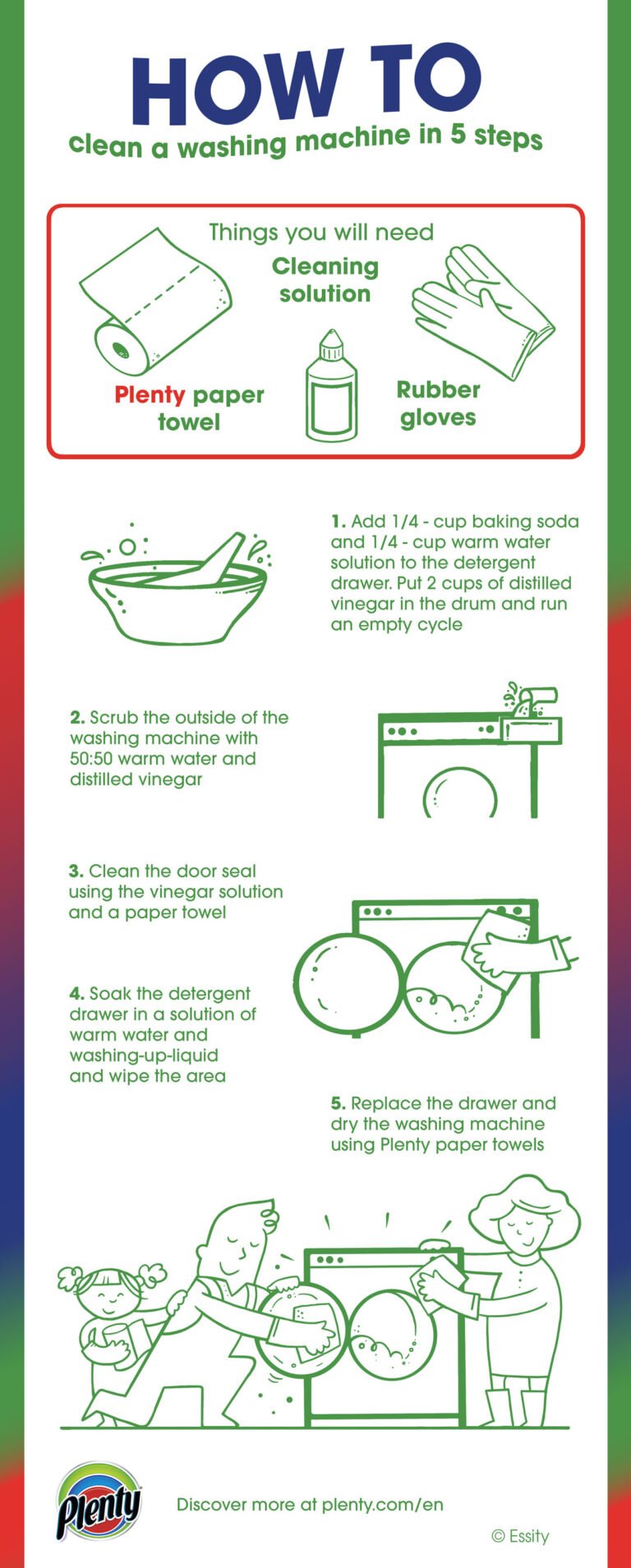
First, sprinkle about one cup of baking soda inside the drum. Then pour two cups of white vinegar into the drum. Let the mixture sit for 15 to 30 minutes to break down residues.
Next, run a cleaning cycle or a hot water wash cycle without clothes to rinse the drum thoroughly.
Alternatively, commercial washing machine cleaner powders designed for top loaders can be used. Follow the product instructions for best results.
:max_bytes(150000):strip_icc()/clean-top-load-washing-machine-5073254-V1-4d57061f759a4c84a61cb797084649a7.png "How to Clean a Top-Load Washing Machine (Figure)")
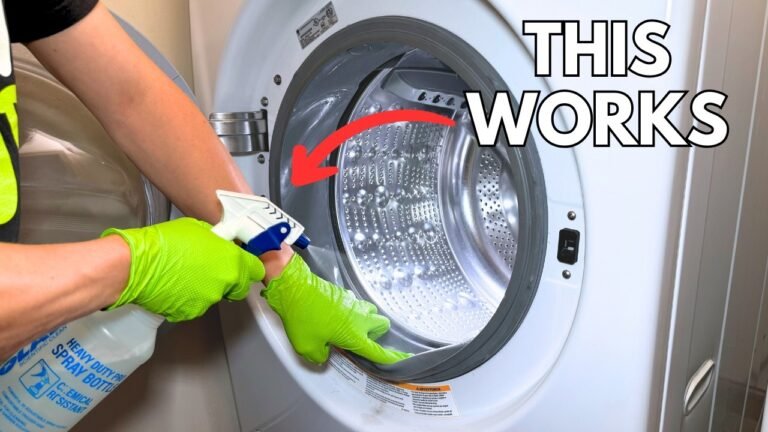
For persistent mold, scrub the drum and washer gasket with a scrub brush dipped in vinegar before running the cleaning cycle.
Step-by-Step Guide to Cleaning a Top Loader Washing Machine Drum
Follow this simple guide to clean your washing machine drum effectively.
- Remove any clothes from the drum and clean lint filters if accessible.
- Mix one cup of baking soda with two cups of white vinegar.
- Sprinkle baking soda inside the drum evenly.
- Pour vinegar slowly over the baking soda inside the drum.
- Allow the mixture to sit for 15–30 minutes to dissolve residues.
- Use a scrub brush to clean the drum walls and rubber seals gently.
- Run the washer on a hot water cleaning cycle or the longest wash cycle without clothes.
- After the cycle ends, wipe the drum dry with a clean cloth.
- Leave the lid open to let the drum air dry completely.
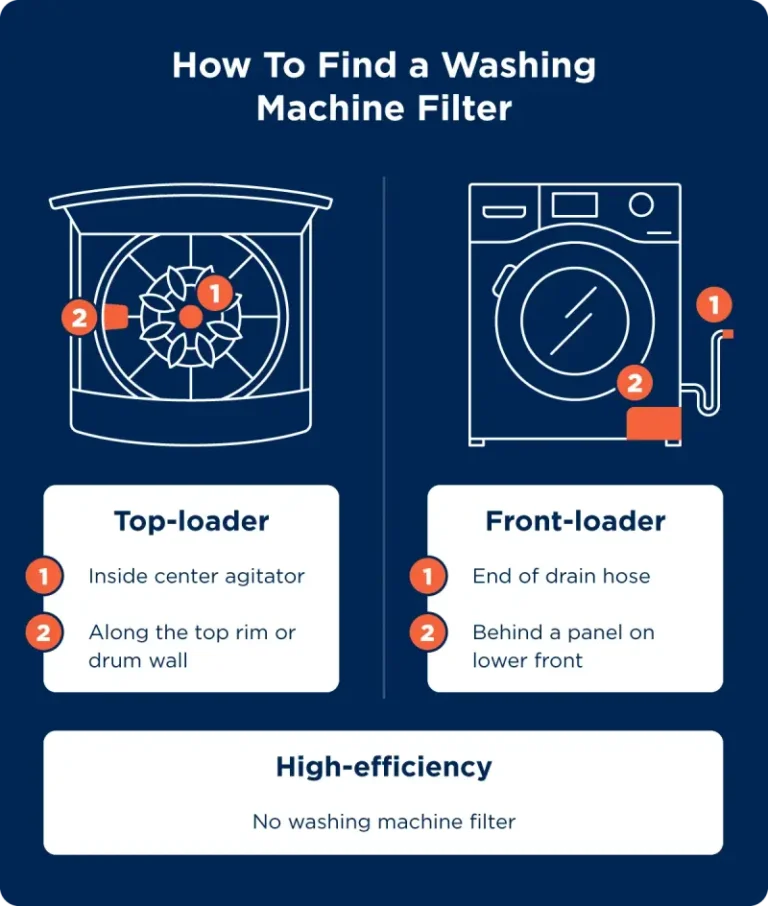
Regularly cleaning the washing machine filters and lint trap also helps keep the drum clean. You can learn more about how to clean filter in whirlpool washing machine top loader for your machine type.
Maintenance Tips for Top Loader Washing Machines
Maintaining your washing machine drum keeps it hygienic and prevents damage.
Always use the correct amount of detergent. Too much detergent can cause buildup. Use warm or hot water settings periodically to limit bacterial growth.
Clean the lint filter and softener dispenser regularly. Avoid leaving wet clothes inside the drum for a long time. Wipe the washer gasket and drum to prevent mildew.
Establish a maintenance schedule. Clean the drum every 1 to 3 months based on use frequency.
Common Issues and How to Solve Them
Mold and mildew growth cause musty washing machine odor. Detergent residue can clog the drum and filters. Rust stains can appear from metal parts corroding.
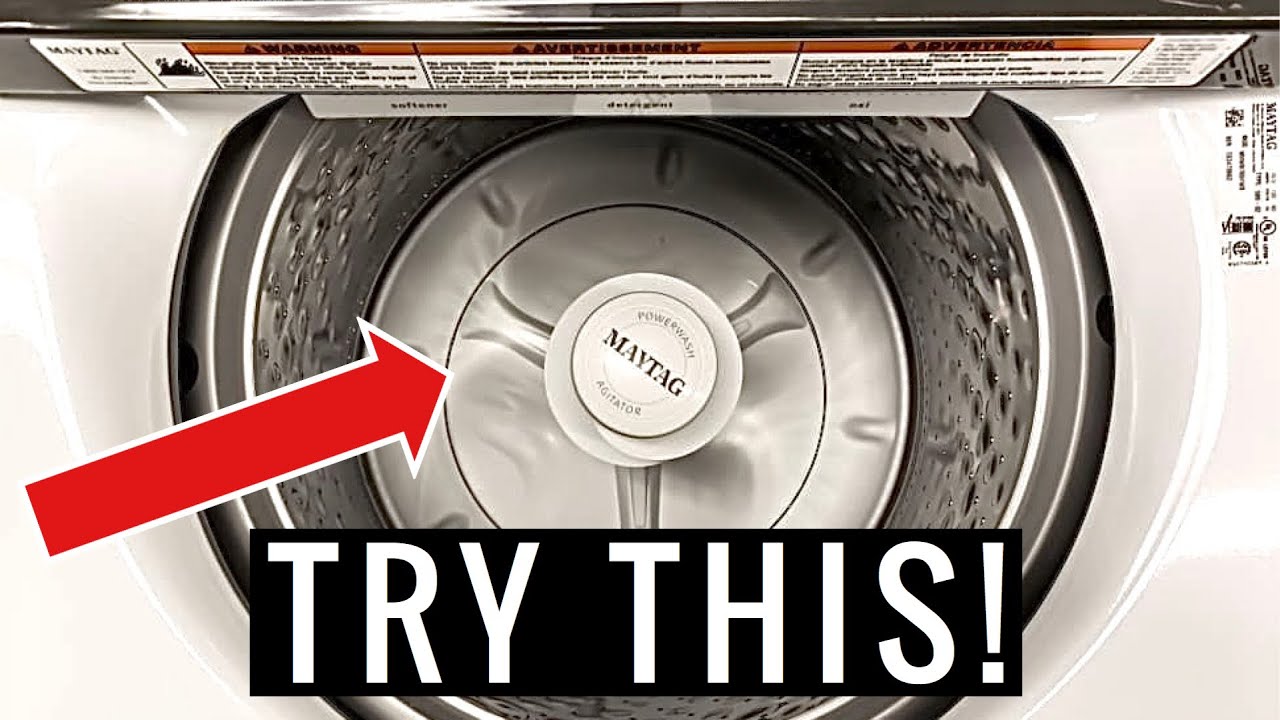
Cleaning with vinegar and baking soda helps remove mold and residue. For rust removal, use a washing machine drum rust removal solution or mild rust remover with care. Prevent rust by drying the drum and avoiding metal objects in the washer.
If odors persist, run an additional disinfection cycle using a commercial washer cleaner powder. Follow the washer cleaning cycle instructions for your machine.
Comparison of Popular Washing Machine Cleaning Agents
Choosing the best washing machine cleaner depends on preferences and needs. Below is a table comparing natural and commercial options.
| Cleaning Agent | Effectiveness | Safety | Cost |
|---|---|---|---|
| White Vinegar & Baking Soda | Good for mild mold and residue | Safe and natural | Low cost |
| Commercial Washing Machine Cleaner Powder | Very effective for tough buildup | Safe if used per instructions | Moderate cost |
| Bleach | Strong disinfectant | Use with caution, can damage drum | Low cost |
Natural agents are preferred for regular maintenance. Commercial powders are best for heavy buildup. Bleach should be used sparingly and only if recommended by the manufacturer.
Preventive Care for a Hygienic Washing Machine Drum
Prevention is better than repair. To avoid mold and odor, leave the lid open after each wash to air dry the drum. Use the right detergent amount and cycle settings to prevent residue.
Clean the softener dispenser regularly to avoid fabric softener residue build-up. Avoid overloading the washer, which can cause poor rinsing and buildup.
Implementing these washing machine maintenance tips helps extend the life of your drum and keep your laundry fresh.
Recommended Cleaning Schedule for Top Loader Washing Machines
Establishing a regular cleaning schedule ensures your washing machine stays in top shape.

For average use, clean the drum every 2 months. For heavy use or hard water areas, monthly cleaning is advised. Clean filters and dispensers every month.
Keep a checklist to track cleaning dates and tasks.
- ✅ Empty drum and lint filter cleaning
- ✅ Run vinegar and baking soda cleaning cycle
- ✅ Scrub drum and gasket
- ✅ Wipe and air dry drum
- ✅ Clean detergent and softener dispensers
- ✅ Check for rust or damage
Conclusion
Keeping your top loading washing machine drum clean is essential for laundry hygiene and machine longevity. Regular cleaning removes mold, mildew, and detergent residue that cause odors and damage.
Using natural cleaners like white vinegar and baking soda or commercial washing machine cleaner powder can keep your drum fresh. Follow a maintenance schedule and clean filters and softener dispensers regularly.
With simple steps and preventive care, you can avoid common issues like washing machine odor and rust stains. Your washing machine will stay efficient and your clothes cleaner in 2026 and beyond.
For detailed tips on caring for your top loader, check out how to clean my top loader washing machine. This will help you extend your appliance’s life and maintain laundry hygiene.
Start your cleaning routine today for fresher laundry and a healthier home.
Frequently Asked Questions
How often should I clean my top load washing machine drum?
Industry consensus indicates cleaning every 1 to 3 months helps maintain a hygienic washing machine drum and prevents odor.
Can I use vinegar to clean a washing machine drum?
Yes, white vinegar is an effective natural cleaning agent to remove mold, mildew, and detergent residue in the drum.
Does cleaning the washing machine drum prevent rust?
Regular cleaning and maintenance reduce rust stains by preventing buildup that can cause corrosion.
What is the best washing machine cleaner for top loaders?
Both commercial washing machine cleaner powders and natural agents like baking soda combined with white vinegar are effective.
How do I remove mold from a top loading washing machine drum?
Use a scrub brush with vinegar or a commercial cleaner to clean the drum and washer gasket, then run a hot water cleaning cycle to disinfect.

Keith Boyd Is A Seasoned Appliance Care Expert With Over A Decade Of Experience In Home Appliance Maintenance. His Authoritative Insights On Washing Machine Care And Upkeep Are Trusted By Homeowners Nationwide. With A Passion For Educating Others, Keith Shares Valuable Tips That Ensure Your Appliances Run Smoothly For Years To Come.