Why Clean Public Washing Machines Before Use?
Public washing machines in laundromats serve many people daily. This high use can lead to germs, mold, and bacteria buildup. These unwanted guests can stick to the washing machine drum, seals, and lint filters. Using a dirty washer risks transferring these to your clothes.
Industry consensus indicates that cleaning public laundry machines before use is a key part of laundry hygiene best practices. This reduces germs and odors, helping keep your clothes fresh and safe. For a deeper understanding of sanitation in shared laundry spaces, analyzing resources on washing machine sanitizing methods provides excellent foundational context.
Also, knowing how to clean laundry machine at home can guide your approach to public machines.
Step-by-Step Guide to Cleaning a Public Washing Machine
Before starting laundry, take a few minutes to clean the washing machine. Follow these simple steps to disinfect the drum and surfaces.
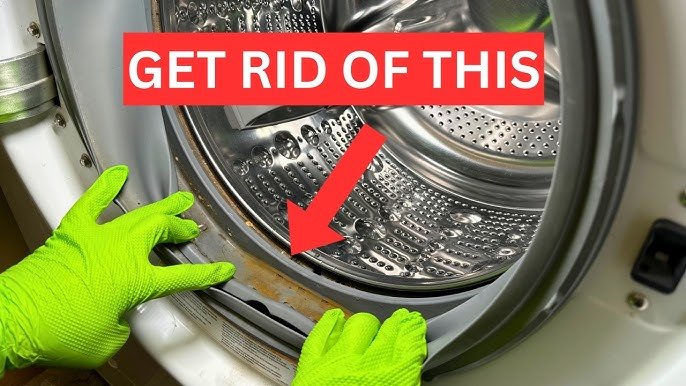
Step 1: Check the Machine – Look inside the drum, rubber seal, and detergent dispenser for dirt, mold, or lint.
Step 2: Wipe Down Surfaces – Use a disinfectant spray and a clean cloth. Wipe the drum edge, door seal, and detergent area.
Step 3: Run a Hot Water Cycle – Run an empty cycle with hot water and detergent or a small amount of bleach to kill germs inside the drum.
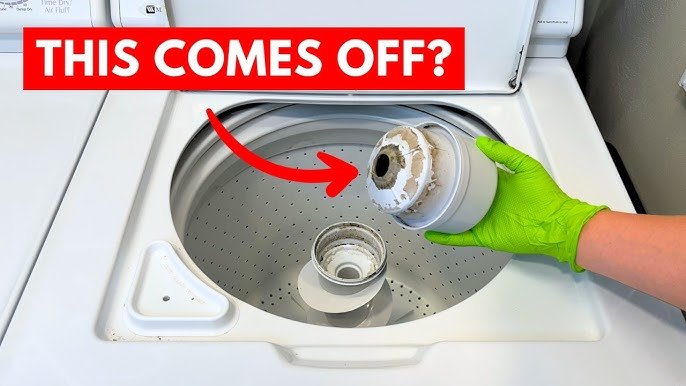
Step 4: Clean the Lint Filter – If accessible, remove and clean the lint filter to remove hair and debris.
Following these washing machine cleaning steps ensures a cleaner, safer wash.
For detailed advice on cleaning specific machine parts, see how to clean front loader samsung washing machine.

Best Cleaning Products for Public Washing Machines
Choosing the right cleaning agents helps remove bacteria and odors safely. Common products include disinfectant sprays, bleach, and laundry detergent. Avoid harsh chemicals that may damage the machine or leave harmful residues on clothes.
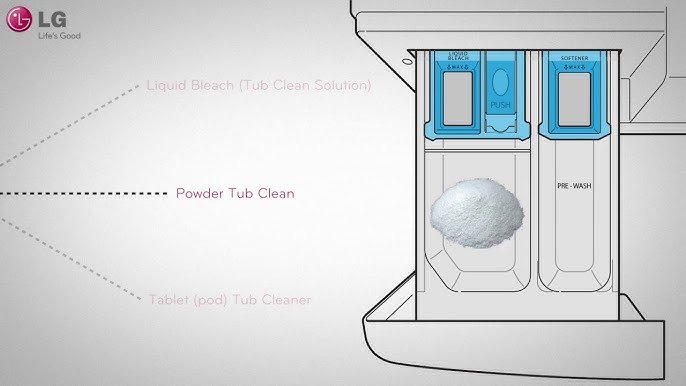
Bleach is effective for disinfecting but should be used in small amounts and diluted with water. Laundry detergents with sanitizing properties also help clean the drum and seals.
Using a cleaning cloth or sponge is important to wipe hard surfaces gently. Microfiber cloths are ideal as they trap dirt and germs well.
| Product | Purpose | Safe Use Tips |
|---|---|---|
| Disinfectant Spray | Kills germs on surfaces | Use on drum edges and door seals; avoid spray inside the drum |
| Bleach | Strong disinfectant | Dilute properly; do not mix with other chemicals |
| Laundry Detergent | Removes dirt and some germs | Use as usual in hot water cycle |
Understanding the right balance of these cleaning agents supports effective washer sanitation.
Laundromat Hygiene Tips for Users
Besides cleaning the machine, your habits also matter. Use hot water cycles whenever possible to kill germs. Avoid leaving clothes wet in the machine, which can cause mold growth.
Bring your own laundry detergent and avoid sharing laundry baskets or bags. Washing machine lint filters should be checked and cleaned regularly by the laundromat staff for best hygiene.
Maintaining personal hygiene like washing hands before and after laundry helps reduce cross-contamination in shared laundry rooms.
| Tip | Benefit |
|---|---|
| Use hot water cycle | Eliminates most germs and mold |
| Bring own detergent | Ensures quality cleaning agents |
| Clean machine before use | Removes bacteria and odors |
| Wash hands after laundry | Prevents germ spread |
Adopting these laundromat hygiene tips helps protect your health and clothes.
Public Washing Machine Maintenance: What Laundromats Should Do
Laundromat owners must keep machines clean and safe. Regular maintenance includes sanitizing washers daily, removing mold, and fixing leaks that cause dampness.

Cleaning the washing machine drum and seals prevents fungus and bacteria buildup. Staff should also clean lint filters and detergent dispensers often.
Proper maintenance improves laundry room cleanliness and user safety. It also extends machine life and keeps customers happy.
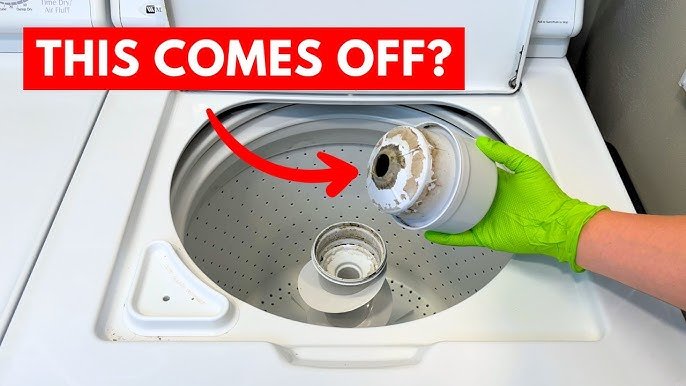
For more on daily upkeep, see how to clean whirlpool washing machine top loader.
Common Problems and How to Fix Them
Public washers often face mold, mildew, and odor issues. These arise from dampness and poor cleaning. Mold grows on rubber seals and inside drums if not dried properly.
To fix mold, use bleach or specialized washing machine mold removers. Run hot water cycles regularly to flush out fungus and bacteria.
Odors come from trapped dirt and residues. Cleaning detergent dispensers and lint filters helps remove buildup that causes smells.
Pre-use washing machine cleaning and good laundromat maintenance prevent these common problems.

⭐ Expert Insight
Experts agree that cleaning public washers before use is key to laundry machine user safety. Simple steps like wiping seals and running hot cycles reduce germs greatly. Public laundry spaces must balance convenience with hygiene to protect users.
Regular disinfecting and mold removal keep shared machines fresh. Users should feel empowered to clean machines before loading clothes. This practice aligns with laundry hygiene best practices for 2026.
For those interested in home care, learning how to clean my samsung washing machine offers transferable skills for public washer cleaning.
Conclusion: Clean Machines Mean Safer Laundry
Cleaning public washing machines before use is a smart, simple way to keep clothes safe from germs and odors. Using disinfectant spray, bleach, and hot water cycles helps remove bacteria and mold.
Laundromat users should adopt these cleaning steps and hygiene tips. Laundromat owners must keep machines maintained and clean to protect customers.
With growing awareness of hygiene in shared spaces, cleaning public washers is now a key part of safe laundry. This practice supports healthier clothes and peace of mind for all users.
Remember, clean machines mean cleaner clothes and better health.
Frequently Asked Questions
Why should I clean a public washing machine before use?
Public washing machines can harbor bacteria, mold, and germs from many users. Cleaning before use helps prevent spreading these and keeps your clothes fresh.
What are the best products to clean public washers?
Using disinfectant spray, bleach, laundry detergent, and a clean cloth are effective. Avoid harsh chemicals that may damage the machine.
Can I use hot water to clean the washing machine drum?
Yes, running a hot water cycle helps sanitize the drum and can remove odors, mold, and bacteria effectively.
Is it safe to use bleach in public washing machines?
Yes, but use it carefully. Bleach is a strong disinfectant that kills germs and mold but should be used as directed and not mixed with other chemicals.
How often should laundromats clean their machines?
Regular cleaning is essential. Ideally, laundromats should sanitize machines daily to maintain hygiene and reduce the risk of germs.

Michael Peterson is a home appliance writer focused on practical washing machine care, maintenance, and troubleshooting. He shares simple, reliable tips to help readers keep their washing machines running efficiently, avoid common problems, and extend appliance life.